How to Choose the Best Automobile Air Intake Filters for Your Needs?
Choosing the right Automobile Air Intake Filters can significantly impact your vehicle’s performance. A good filter enhances airflow, improving your engine's efficiency. It also protects the engine from harmful particles. However, selecting the best filter isn't always straightforward. There are many options available, and each offers unique benefits.
When considering filters, efficiency and quality are paramount. High-quality Automobile Air Intake Filters can last longer and provide better filtration. Look for filters that are compatible with your vehicle type. Understand your driving conditions. If you often drive in dusty areas, you need a more robust filter. Inadequate filtering can lead to engine damage over time.
It's essential to read user reviews and consult professionals. Their expertise can guide your choice. While price is a factor, it shouldn't be the only one. A cheaper filter may save money upfront, but can lead to costly repairs later. Reflect on your needs and do thorough research. Your vehicle deserves the best care.
Understanding the Function of Automobile Air Intake Filters
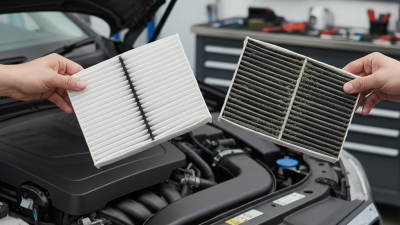
Automobile air intake filters play a crucial role in your vehicle's performance. They filter out dust, dirt, and other debris from the air entering the engine. Clean air is vital for combustion efficiency. A dirty filter can restrict airflow, leading to lower power and increased fuel consumption. It's important to regularly check and replace filters to maintain optimal engine function.
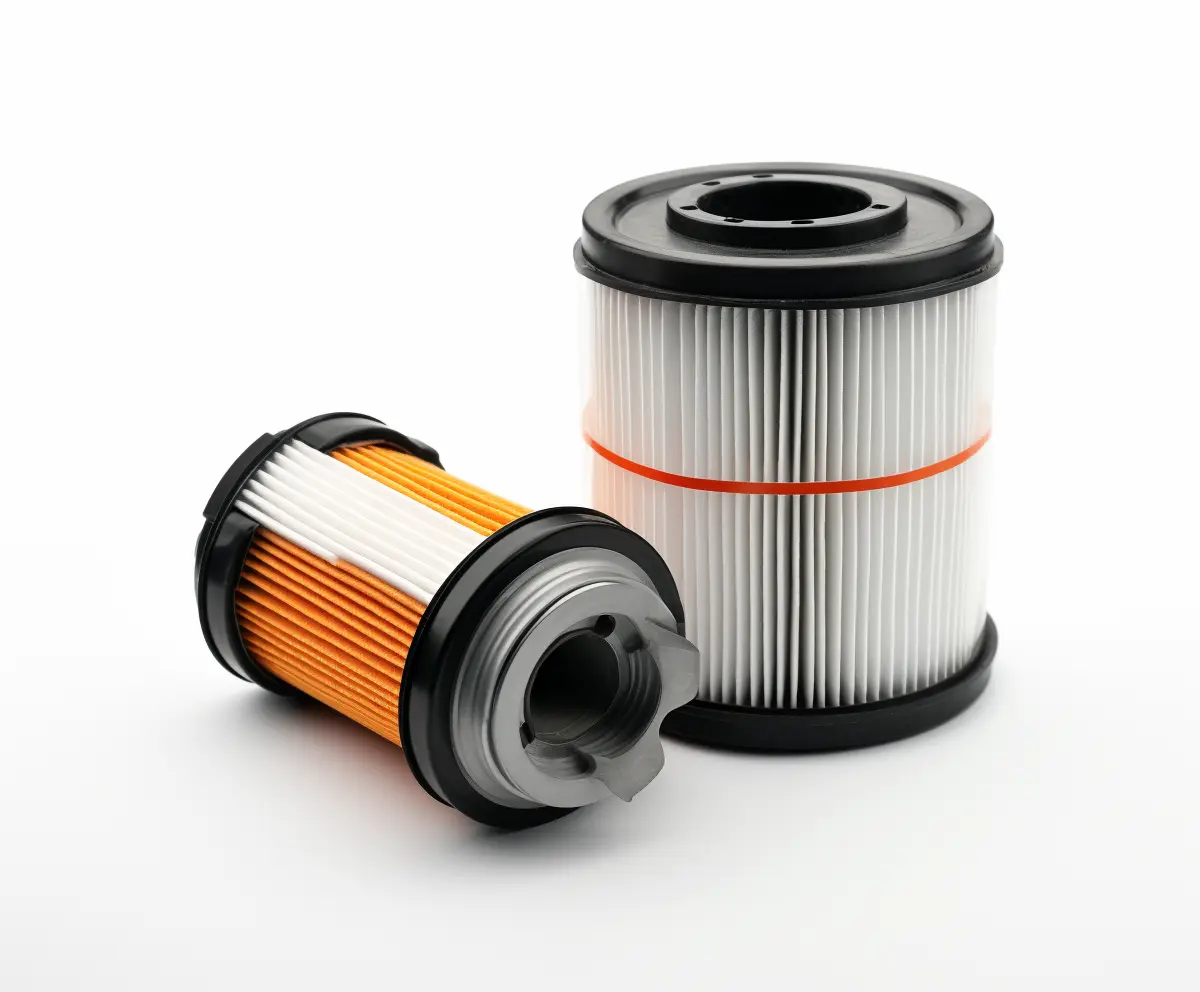
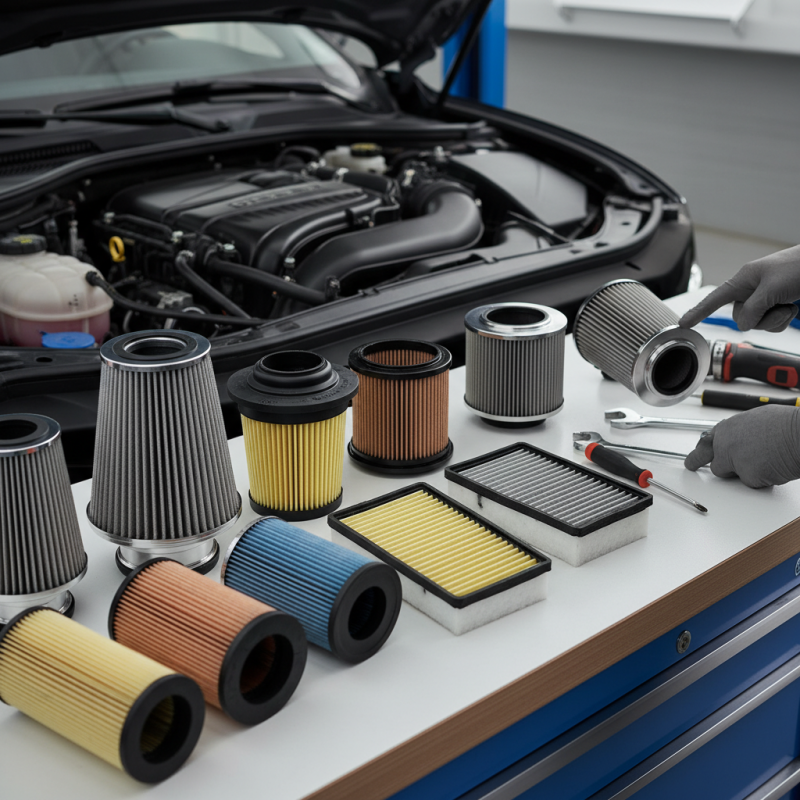
Understanding the various types of air intake filters can help you make informed choices. There are paper, foam, and cotton options, each with distinct advantages. Paper filters are inexpensive and easy to replace, while foam filters offer better airflow and can be cleaned. Cotton filters provide excellent filtration but may require more maintenance. Consider your driving environment when choosing. Dusty roads may necessitate a more robust filter choice.
Many car owners overlook this component until issues arise. A neglected air filter can lead to poor engine performance. It’s easy to forget, yet replacing it is a simple process. Regular maintenance helps prevent larger issues down the line. Take time to inspect your air intake filter to ensure it meets your vehicle's demands.
Air Intake Filter Performance Comparison
This chart compares the airflow capacity of different types of automobile air intake filters measured in cubic feet per minute (CFM). Selecting the right filter can significantly impact engine performance and fuel efficiency.
Different Types of Air Intake Filters Available in the Market
When selecting air intake filters, it’s crucial to understand the types available. Primarily, there are three significant categories: dry filters, oiled filters, and foam filters. Each type offers distinct advantages and disadvantages. For instance, dry filters are popular for their easy maintenance. According to industry reports, they can capture 99% of airborne particles while allowing optimal airflow. However, they may need to be replaced more often than oiled versions.
Oiled filters, on the other hand, have a longer lifespan and can provide better filtration efficiency. They rely on a sticky oil coating to capture dirt and debris. Yet, improper maintenance can lead to engine issues. Foam filters, although less common, are favored in racing applications. They offer superior airflow but require constant cleaning.
Choosing the right air intake filter means considering your driving style and environment. Reports indicate that performance can be enhanced by selecting the appropriate type. Car enthusiasts often debate the benefits of one type over another. The right choice can lead to improved horsepower and fuel efficiency. However, balancing filtration efficiency with usability is essential for optimal performance.
How to Choose the Best Automobile Air Intake Filters for Your Needs?
| Filter Type |
Material |
Pros |
Cons |
Maintenance Frequency |
| Paper Filter |
Cellulose or Synthetic |
Affordable, Easy to Replace |
Not Reusable, Lower Airflow |
6,000 - 15,000 Miles |
| Foam Filter |
Polyurethane |
Excellent Filtration, Reusable |
Requires Cleaning, Can Clog |
10,000 - 20,000 Miles |
| Cotton Filter |
Cotton Fiber |
High Flow Rate, Reusable |
Requires Oil, Higher Cost |
25,000 - 50,000 Miles |
| Metal Mesh Filter |
Aluminum or Stainless Steel |
Highly Durable, Reusable |
Heavy, May Require Modification |
20,000 - 30,000 Miles |
| High-Performance Filter |
Various Advanced Materials |
Enhanced Performance, Increased Airflow |
Premium Price, Not Always Necessary |
30,000 - 50,000 Miles |
Factors to Consider When Choosing Air Intake Filters
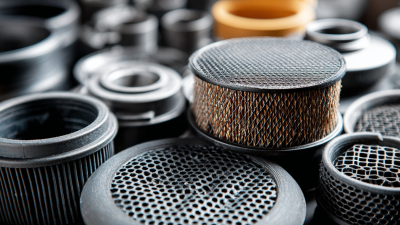
When selecting the right automobile air intake filter, several key factors must be considered. The filter's material plays a crucial role in its efficiency. Common materials include paper, foam, and cotton, each offering different filtration capabilities. A study from the Society of Automotive Engineers states that high-quality filters improve air flow by up to 10%, significantly influencing engine performance.
Another critical aspect is the filter's compatibility with your vehicle's make and model. Using an improper filter can damage your engine or decrease performance. Research from the International Council on Clean Transportation highlights that a well-fitted filter can enhance fuel efficiency by 4% to 8%. Always consult your vehicle’s manual to ensure the right choice.
Tips: Regular maintenance of your air intake filter is essential. Check it at least every 15,000 miles or when you notice reduced engine performance. Also, be mindful of driving conditions. If you often drive in dusty or polluted areas, consider more frequent changes.
Choosing the right intake filter affects long-term vehicle health. While an expensive option may seem appealing, it's vital to evaluate your specific needs. Not all filters suit every driving environment. Stay informed and align your choice with your driving habits for the best results.
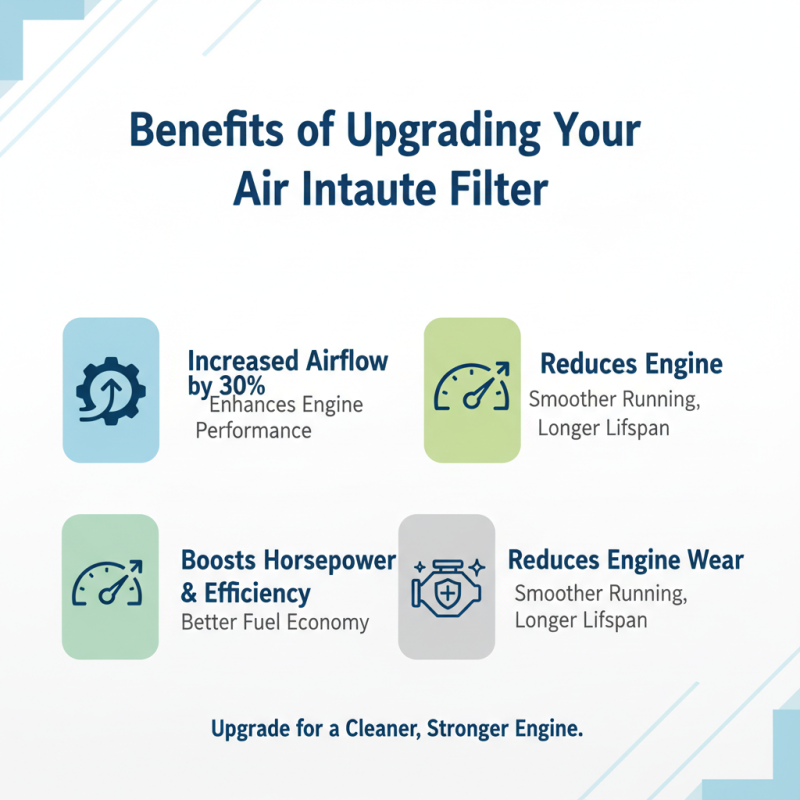
Benefits of Upgrading Your Air Intake Filter
Upgrading your automobile's air intake filter can significantly enhance engine performance. Research indicates that a high-quality filter can improve airflow by 30%. This increase often leads to better engine efficiency and a slight boost in horsepower. A cleaner engine runs smoother, reducing wear and tear.
Changing to a better air intake filter also offers environmental benefits. By optimizing fuel combustion, vehicles emit fewer harmful pollutants. According to the Environmental Protection Agency (EPA), improved air input can lead to a 10-15% reduction in CO2 emissions. However, selecting the right filter requires careful consideration. Not all filters provide the same enhancements, and some may restrict airflow if poorly matched.
While the advantages are clear, not all users see immediate results. In some cases, improved performance may require additional engine modifications. Keeping your goals in mind is essential. Performance upgrades can vary greatly based on driving conditions and vehicle types. Regular maintenance and monitoring will ensure that the benefits of the upgraded filter are fully realized.
Installation Guidelines for Automobile Air Intake Filters
Installing an automobile air intake filter can enhance your car’s performance. Begin by gathering the necessary tools like screwdrivers, pliers, and a clean workspace. Ensure the engine is cool and the vehicle is parked on a flat surface. This will make the entire process safer and more efficient.
Carefully remove the old filter. Check the surrounding area for debris or dirt. Clean it up to prevent clogging the new filter. When placing the new filter, ensure it fits snugly in the housing. Any gaps can reduce efficiency. Verify that all clamps and fittings are secured tightly. A loose connection can lead to unwanted air leaks.
Take a moment to double-check your work. A slight oversight could affect engine performance. Don’t rush into closing the hood. Run the engine briefly to listen for any unusual sounds. This ensures everything is functioning properly. Reflect on your installation process. Did you follow all steps? Making adjustments now can prevent future issues.

 Products
 FUEL FILTER
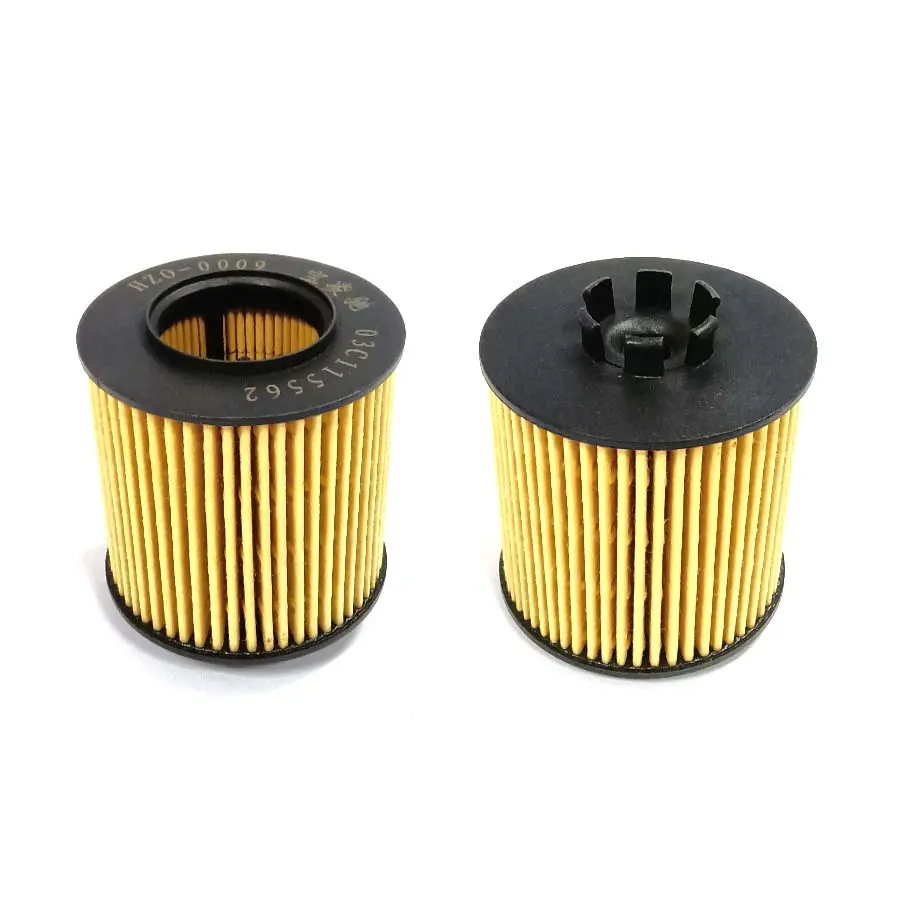 OIL ELEMENT FILTER
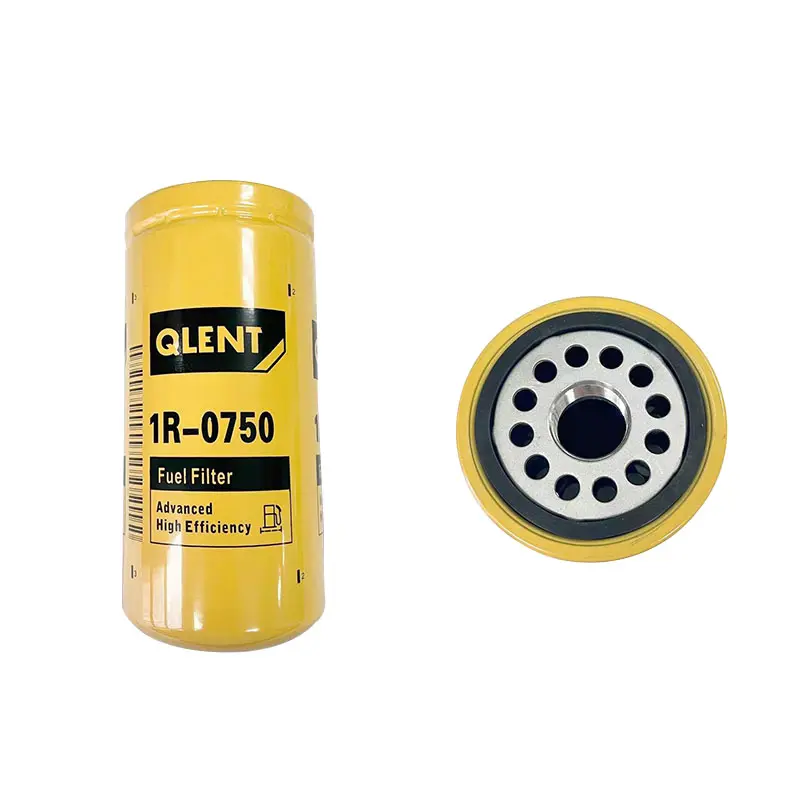 OIL FILTER
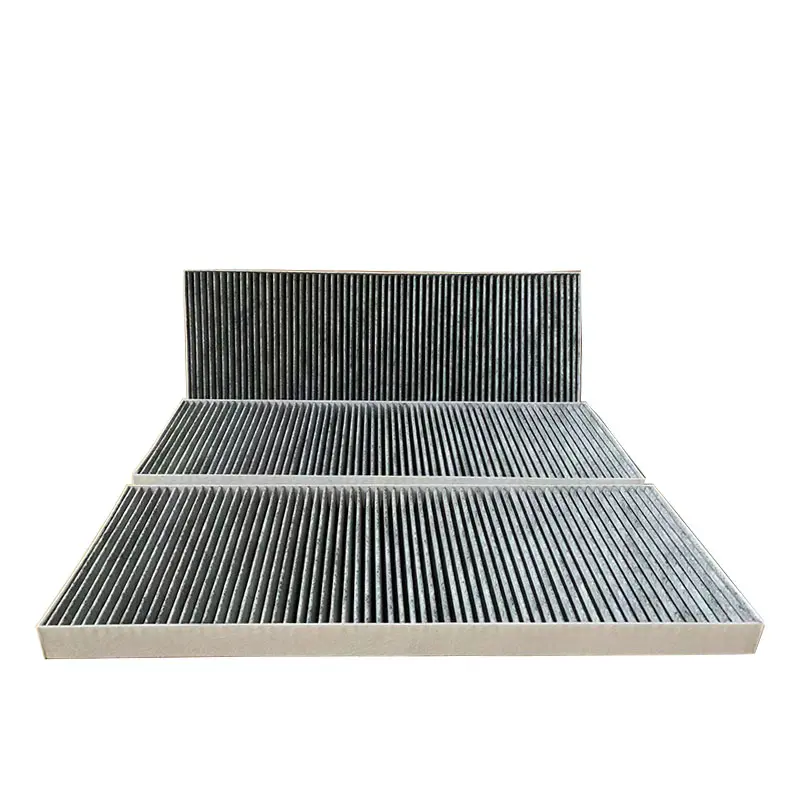 CABIN FILTER
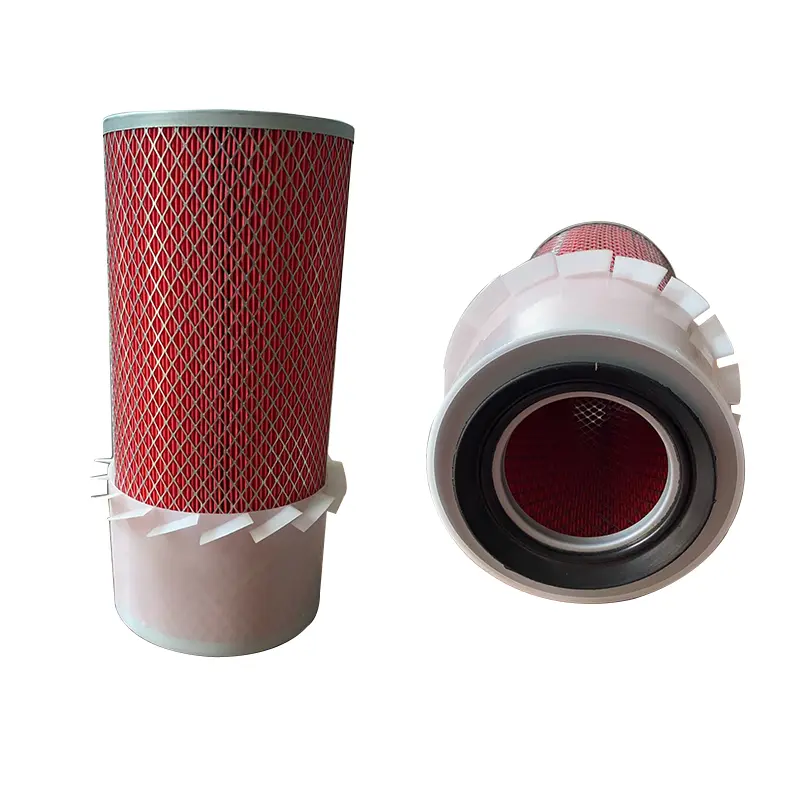 AIR FILTER