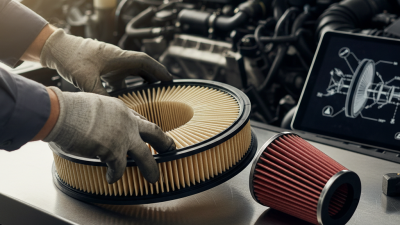
What Are the Best Car Engine Filter Suppliers in China?
Choosing the best Car Engine Filter supplier in China requires more than comparing prices or browsing polished product catalogs. A reliable supplier should demonstrate consistent filtration performance, stable material quality, and clear production controls. Buyers should examine factory experience, testing equipment, certifications, export records, and quality inspection procedures. Practical details matter. Ask whether the supplier uses high-grade filter paper, durable sealing rubber, and corrosion-resistant support materials. Request samples before placing large orders. A filter that looks acceptable may perform poorly under heat, dust, vibration, or extended mileage.
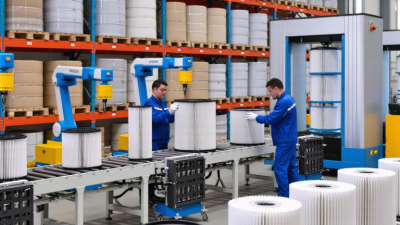
This guide introduces established Chinese suppliers and explains how to evaluate them with greater confidence. It considers product range, manufacturing capacity, customization support, packaging, communication, and after-sales service. Strong suppliers usually provide technical data, traceable batch information, and documented inspection results. They should also explain compatibility across passenger cars, commercial vehicles, and different engine systems. Experience matters.
No supplier is perfect.
Even a well-known manufacturer may have uneven delivery during peak seasons. Some product pages may also contain limited or outdated information. That is why independent verification remains important. Buyers should compare samples, audit production claims, and confirm standards with qualified professionals. Price alone can create misleading conclusions. A cheaper Car Engine Filter may increase maintenance costs if it restricts airflow or fails prematurely. The most dependable choice balances performance, compliance, communication, and long-term supply stability. This review aims to provide a practical starting point, while recognizing that final decisions should reflect each vehicle model, operating environment, and purchasing requirement.
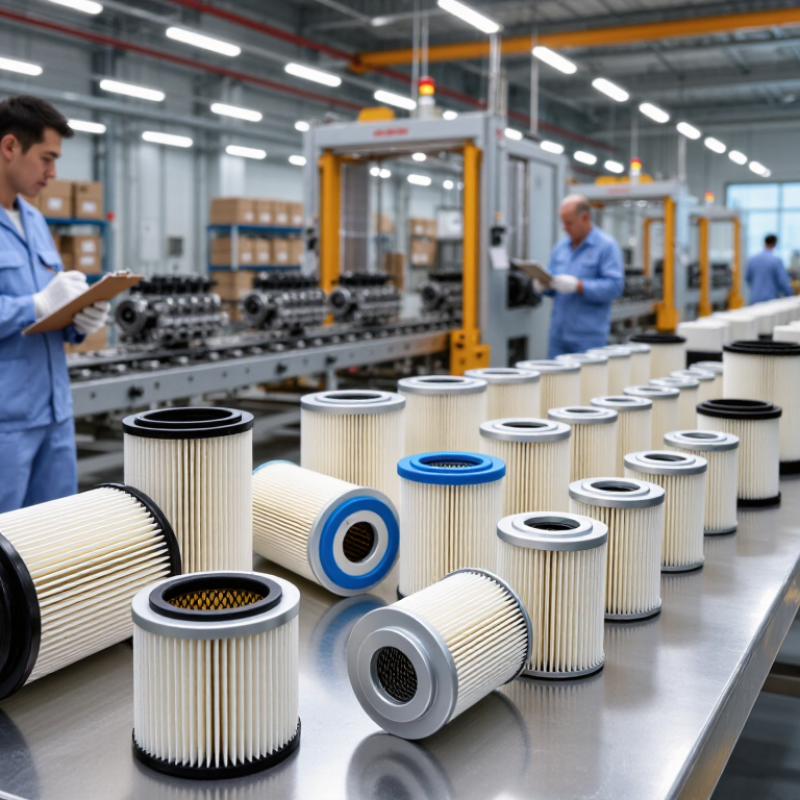
China’s Engine Filter Market: Supplier Types, Standards, and 2023 Demand Data
China’s engine filter market expanded with broader vehicle demand in 2023. The China Association of Automobile Manufacturers reported 30.09 million vehicle sales, up 12% year on year. This creates demand for air, oil, fuel, and cabin-related filtration products. However, replacement demand is harder to measure. Vehicle age, road dust, climate, and maintenance habits change consumption.
The strongest Chinese suppliers usually fall into three groups: original-equipment manufacturers, specialized filter factories, and trading companies that coordinate multiple plants. For serious buyers, factory audits matter more than attractive catalogs. Check IATF 16949 for automotive quality systems and ISO 9001 for process control. Air-filter testing may reference ISO 5011, while oil-filter evaluation commonly follows the ISO 4548 series. Test reports should identify efficiency, pressure loss, service life, and laboratory conditions.
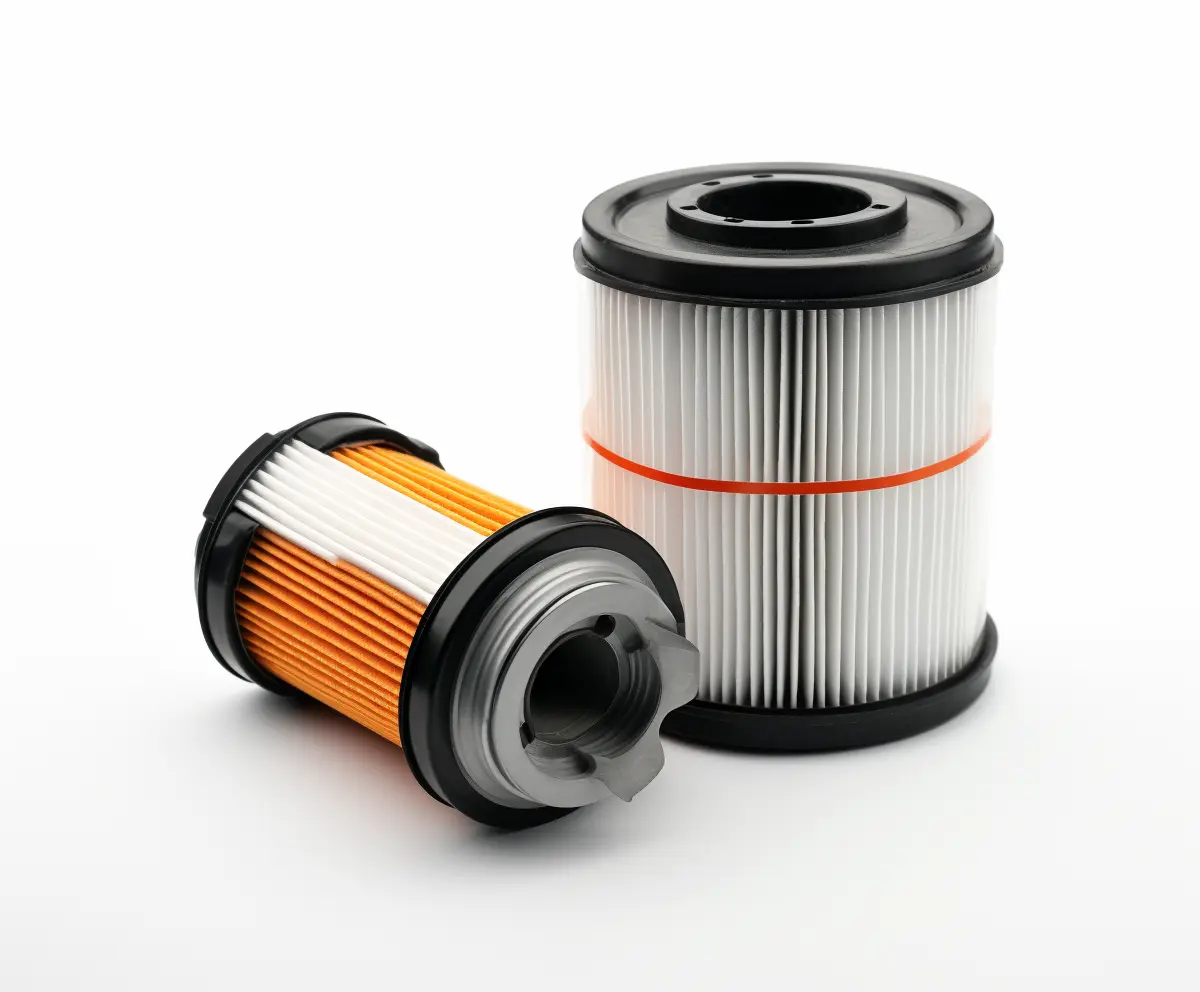
Professional sourcing experience suggests that stable suppliers provide traceable fiber, gasket, adhesive, and steel materials. They also control pleat height and sealing accuracy. Small defects can let dust reach an engine. That is expensive.
The market still has gaps. Public reports rarely separate original-equipment demand from independent aftermarket demand. Therefore, claims about the “best” supplier need careful verification. Compare 2023 production capacity, defect records, sampling results, and delivery performance. CAAM’s sales data shows market scale, but it does not prove individual supplier reliability. A factory visit remains useful, even when the website looks convincing.
How to Compare Suppliers Using ISO 5011 Efficiency and Pressure-Drop Tests
Comparing car engine filter suppliers in China should begin with test evidence, not catalog claims.
ISO 5011 provides a controlled method for measuring filtration efficiency, airflow resistance, and dust-loading behavior. Ask each supplier for complete test conditions, including air volume, test dust, filter size, temperature, and loading endpoint. Without these details, percentages are difficult to compare. The numbers can mislead.
During a supplier review, compare initial pressure drop at the same rated airflow. A lower value usually supports better engine breathing, but it may reflect a looser filter structure. Examine efficiency before and after dust loading, because performance can change sharply as media becomes blocked. Request raw curves, not only one headline efficiency figure.
In my experience, clear graphs reveal inconsistent sealing, uneven pleats, or sudden restriction increases. These physical details matter in heavy-dust environments. Test conditions matter.
Reliable suppliers should connect ISO 5011 results with batch controls and production records. Check media specifications, adhesive application, gasket compression, and pleat count against approved samples. An independent laboratory repeat test adds confidence when suppliers report similar efficiency but different pressure drops. Still, one laboratory result cannot represent every production batch. Ask for recent reports from multiple lots. Inspect sample filters after testing for dust bypass around seals. A perfect report is not enough. Supplier communication matters when test data conflicts with field observations. Small gaps in documentation deserve careful questions before purchasing decisions.
Why IATF 16949 and ISO 9001 Matter in China’s Automotive Filter Factories
When evaluating car engine filter suppliers in China, certification should be practical evidence, not decoration. IATF 16949 shows that a factory manages automotive risks through controlled processes, traceability, and corrective action. ISO 9001 supports broader quality management, including documented procedures and customer feedback. Together, they can indicate a more disciplined production system.
In factory audits, buyers should inspect more than certificates. Ask for batch records, material specifications, inspection reports, and calibration histories. Check whether filter media, seals, and housings are tested before assembly. A reliable supplier should trace one finished filter back to its raw materials and production line. Records matter. Small gaps spread.
IATF 16949 also encourages process analysis, such as failure mode reviews and statistical control. These tools help reduce pressure loss, leakage, and inconsistent filtration performance. However, no certificate guarantees a perfect filter. Audits can miss weak operator training or rushed packaging changes. A supplier may also present excellent samples while regular production varies. That risk deserves attention.
Request independent sample testing and compare results across several batches. Visit the factory when possible, especially during normal production hours. Look for clear work instructions, clean storage areas, and workers who understand inspection points. Strong suppliers discuss defects openly and explain how they prevent repetition. That honesty is often more valuable than polished sales language.
Evaluating Filter Media by Micron Rating, Dust Capacity, and Service Life
For Chinese car engine filter suppliers, filter media should be judged by more than a small micron number. Micron rating shows particle capture size, but nominal and absolute ratings are not interchangeable. A 5-micron absolute rating may remove most particles at that size, while a 5-micron nominal rating may capture only a portion. ISO 5011 testing measures filtration efficiency, pressure loss, and dust-holding capacity under controlled airflow. These figures are more useful than marketing claims.
Independent automotive filtration studies commonly report efficiencies above 99% for well-designed intake filters under standardized dust tests. However, efficiency can rise as the media loads, while airflow restriction also increases. Dust capacity, measured in grams, indicates how much contaminant the filter holds before reaching a specified pressure drop. A supplier should provide the test dust type, airflow rate, terminal restriction, and test curve. Otherwise, comparison remains weak. Numbers can mislead.
Service life depends on road dust, engine displacement, climate, and housing design.
A filter lasting 20,000 kilometers in a clean urban fleet may fail earlier on unpaved roads. Industry maintenance data often uses restriction indicators rather than fixed mileage alone. That matters. Chinese suppliers with reliable laboratory records should show batch traceability, media basis weight, pleat geometry, and independent ISO 5011 results. I would also request samples from different production lots; one perfect sample proves little. A minor weakness remains: laboratory dust rarely matches every real road condition, so field testing should confirm the final choice.
Shortlisting China’s Best Suppliers Through MOQ, Lead Time, and Export Records
Choosing Chinese car engine filter suppliers requires more than comparing unit prices. In purchasing audits, MOQ often reveals factory flexibility and planning discipline. A supplier offering 500 pieces may suit a trial order, while another may require 5,000. Ask whether the MOQ applies per model, material, or shipment. Request quotations with packaging, inspection, and tooling charges separated. Small details matter.
Lead time should start after artwork approval and deposit confirmation, not after the first email. Reliable suppliers provide sample timing, production milestones, and a realistic peak-season buffer. Ask for recent order records showing promised dates, loading dates, and delay reasons. A modern factory can still face shortages of filter paper or steel end caps. I have seen this overlooked. Keep it practical. A pilot order with a defined inspection point can expose weak planning before larger commitments.
Export records provide another layer of evidence. Request anonymized bills of lading, destination markets, product classifications, and shipment frequency. Protect confidential customer data. Consistent exports may show experience with packaging standards, customs documents, and overseas communication. However, export history is not proof of stable quality. Verify inspection reports, material specifications, and batch traceability against actual samples. One fast shipment is insufficient evidence. Suppliers should explain changes openly, especially when MOQ, lead time, or packaging terms shift.

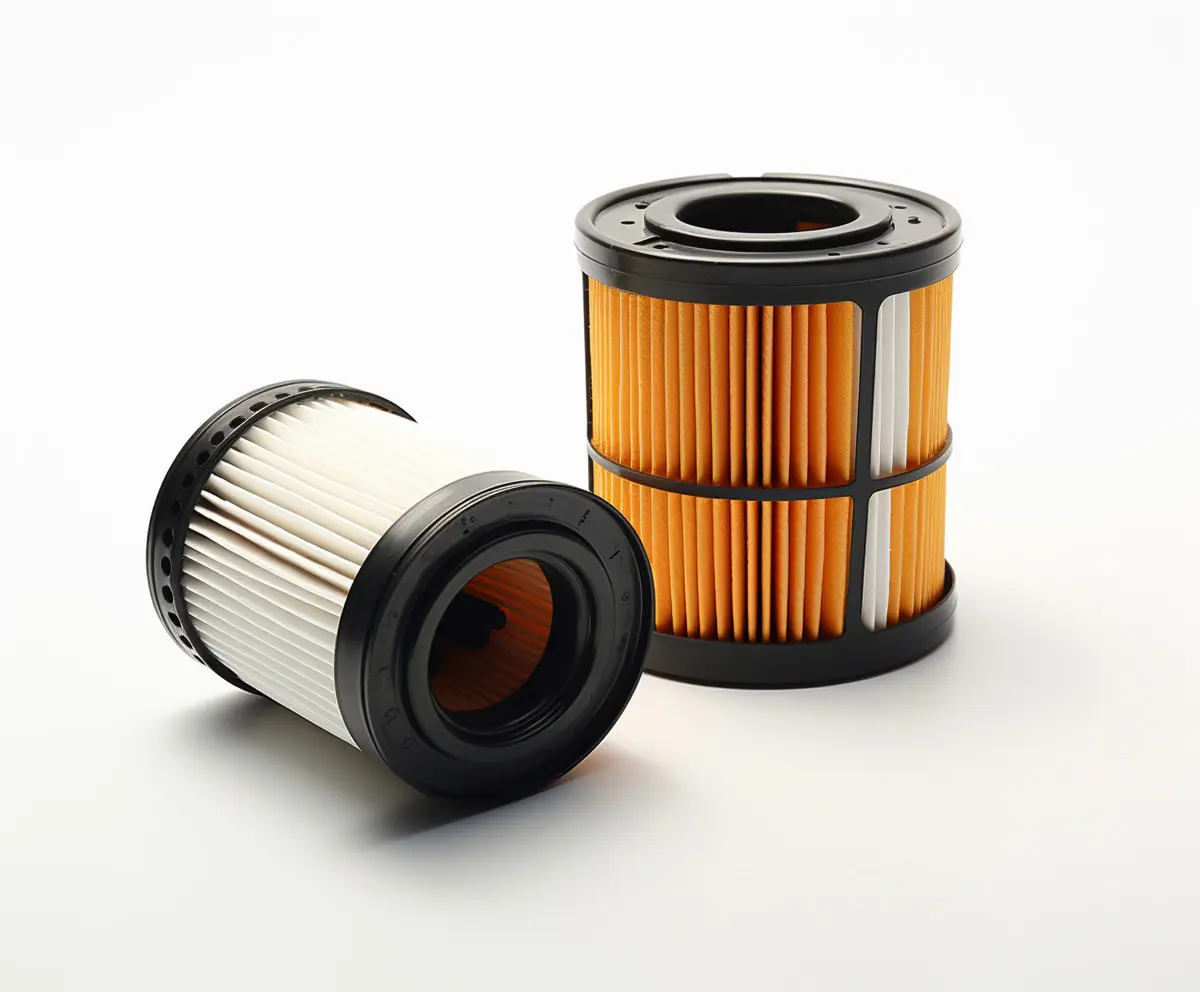 Products
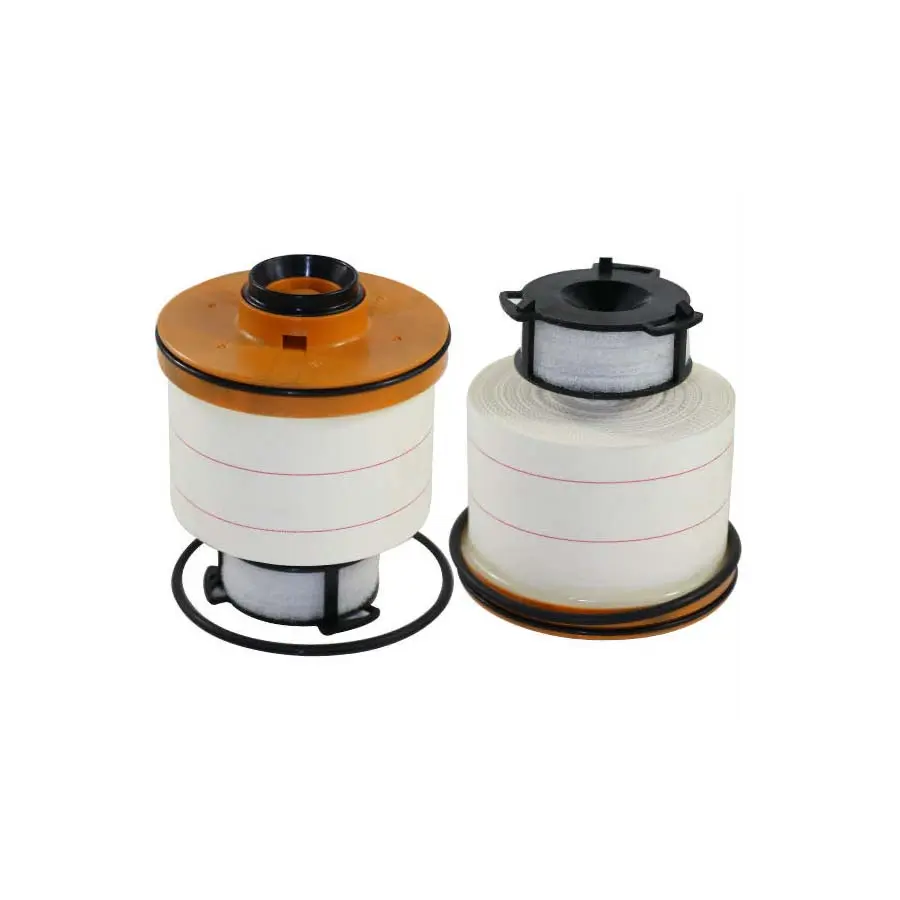 FUEL FILTER
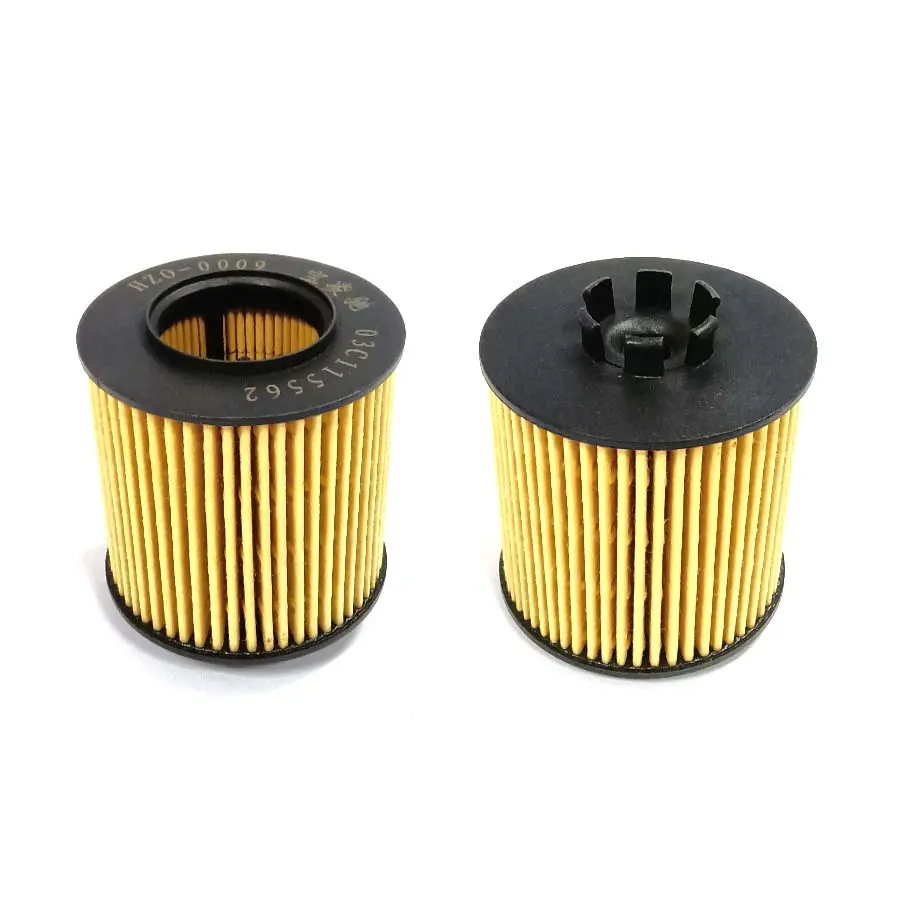 OIL ELEMENT FILTER
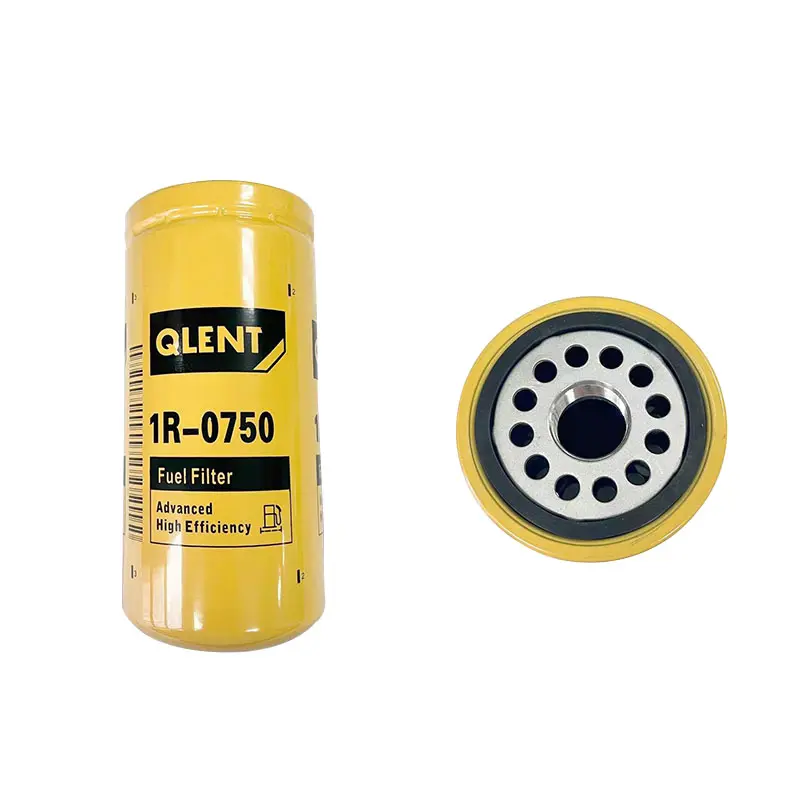 OIL FILTER
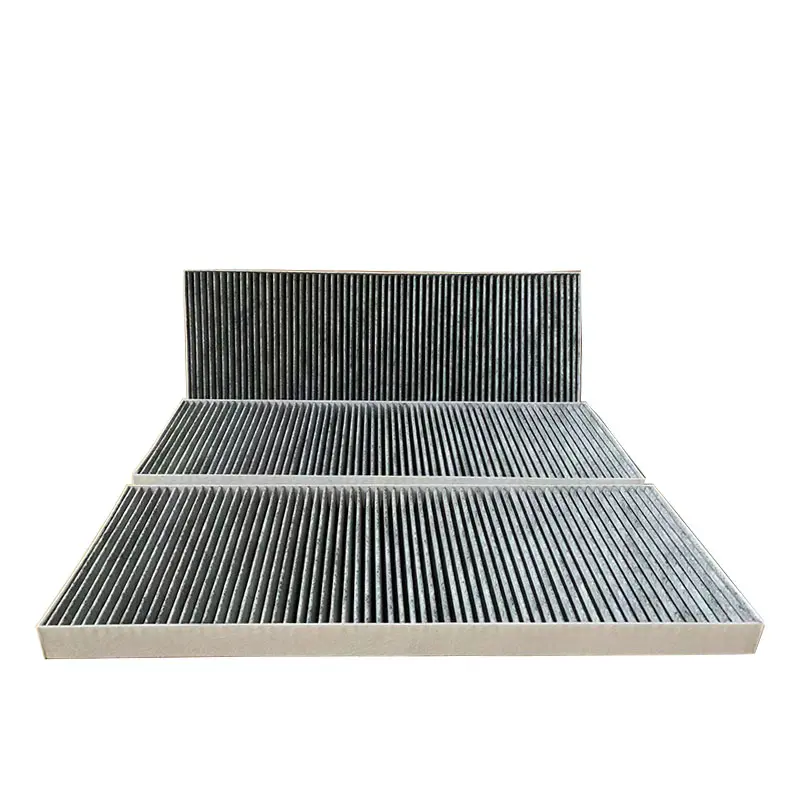 CABIN FILTER
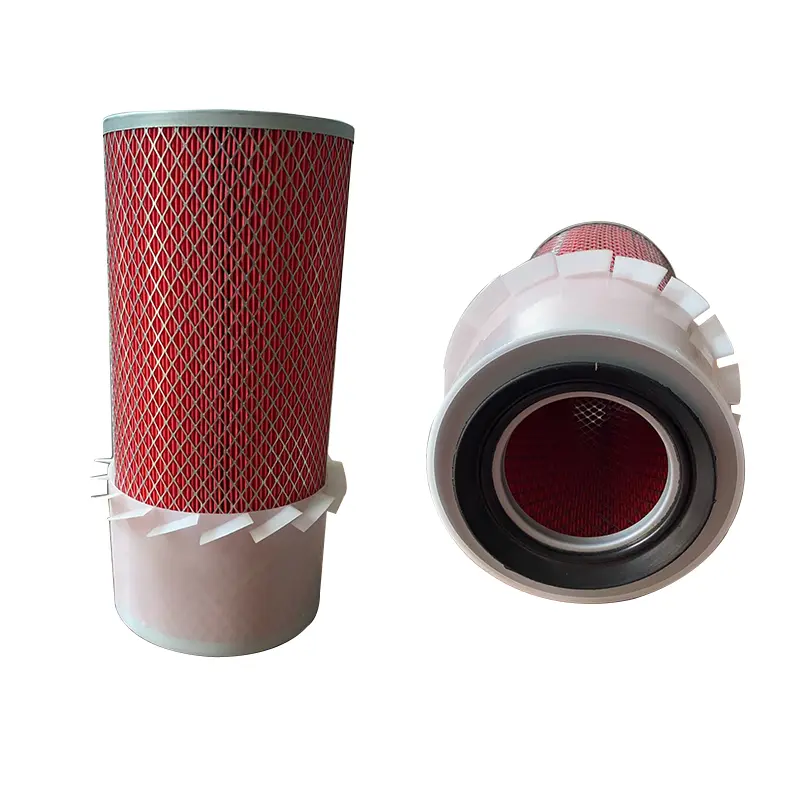 AIR FILTER