Inquiry
Form loading...

Best Engine Accessory Filters for Global Buyers in 2026

Engine filters are small components with outsized consequences. A clogged air filter can restrict airflow; a poorly matched oil filter may not meet an engine’s operating requirements. For global buyers, selecting an Engine Accessories Filter means balancing fit, filtration performance, supply consistency, and total cost—not simply comparing unit prices. The Auto Care Association’s 2024 Factbook estimated the U.S. light-vehicle aftermarket at approximately $391 billion in 2023. That figure signals a substantial replacement-parts market, but it does not guarantee equal demand or standards across regions.

Reliable comparisons start with verifiable specifications. ISO 5011 describes performance testing for engine intake air-cleaning equipment, while ISO 4548-12 covers tests for full-flow lubricating oil filters. These standards help buyers ask clearer questions about efficiency, restriction, capacity, and durability. Ask suppliers for current test reports, traceable product identification, and fitment data matched to engine models. Check samples, too. A clean label is not test evidence.

This guide examines air, oil, and fuel-filter options through a practical sourcing lens: application coverage, materials, quality controls, lead times, and after-sales support. It also considers how regional vehicle fleets and operating conditions can change what “best” means. There is no universal winner. A low-priced filter may suit one channel and disappoint another. Even careful comparisons have limits: published results may use different test methods, and supplier claims need independent review. Buyers should verify each product against their own engine requirements before placing large orders.
Best Engine Accessory Filters for Global Buyers in 2026

Classify Engine Filters by Function: Air, Oil, Fuel, and Crankcase

Best Engine Accessory Filters for Global Buyers in 2026

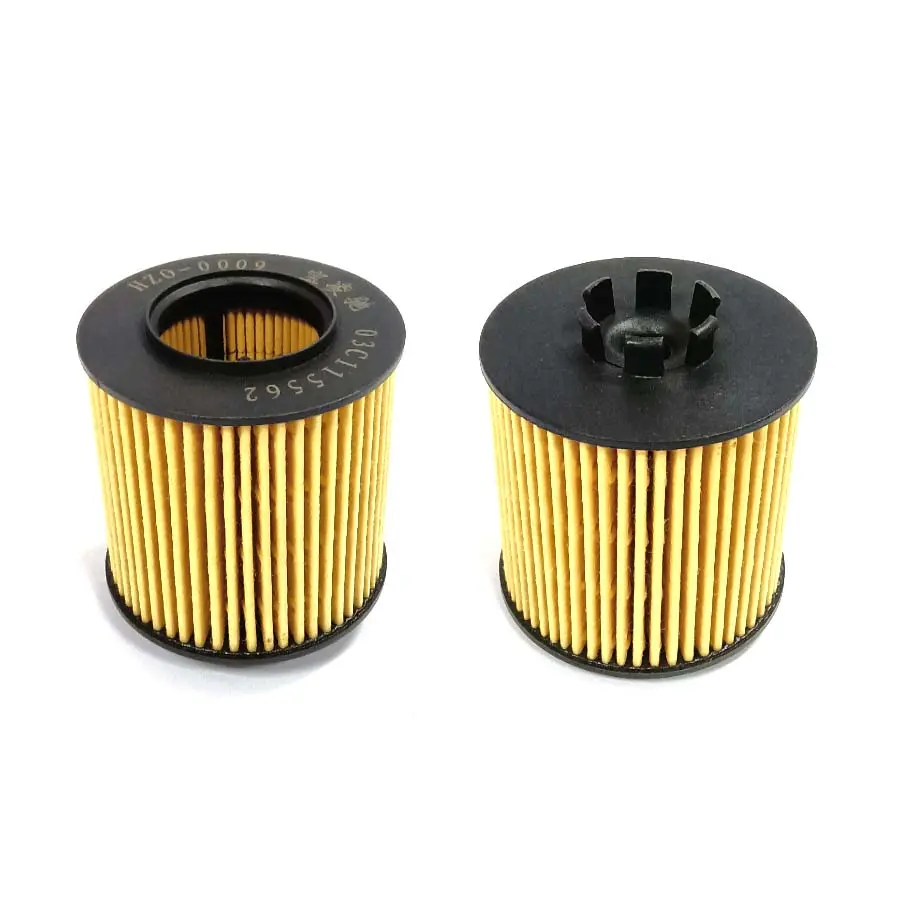
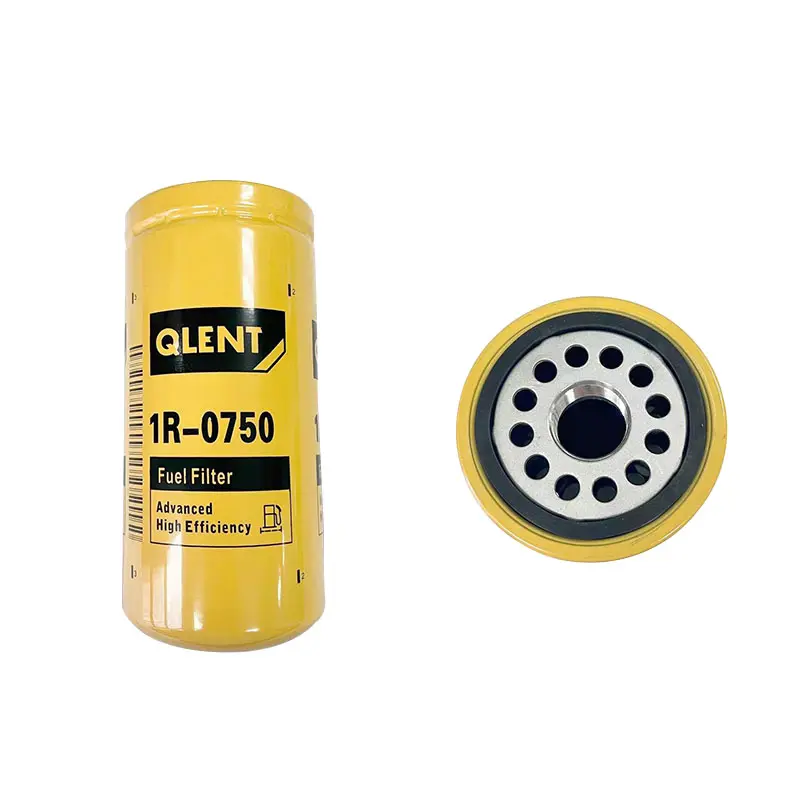
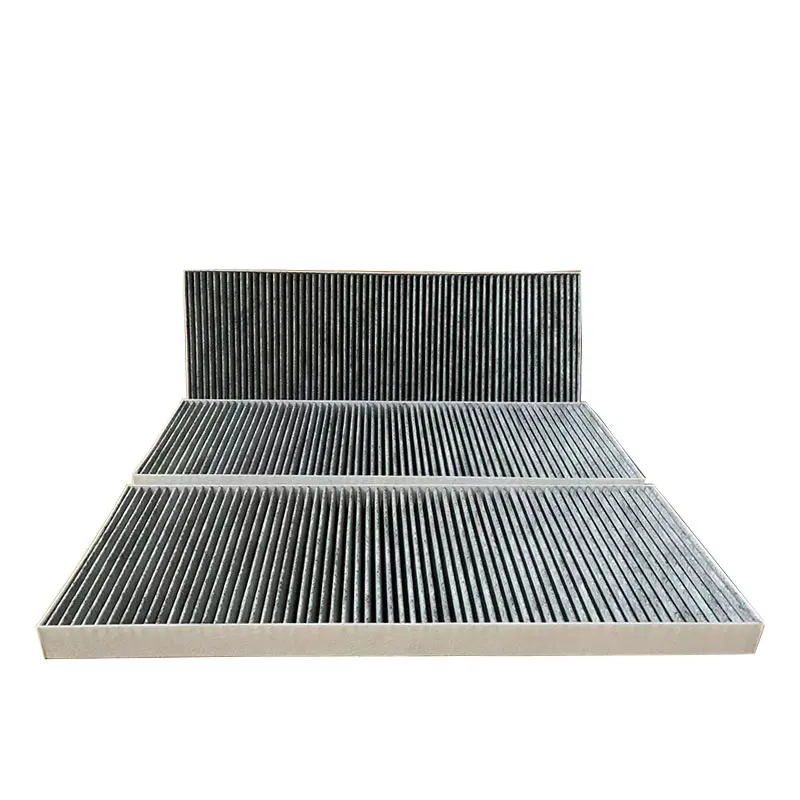
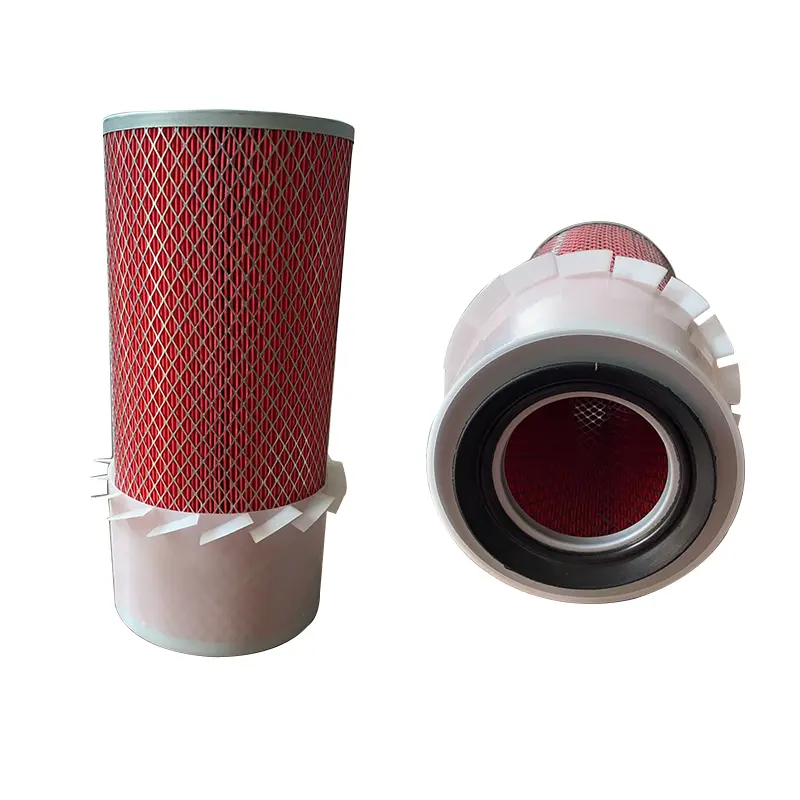
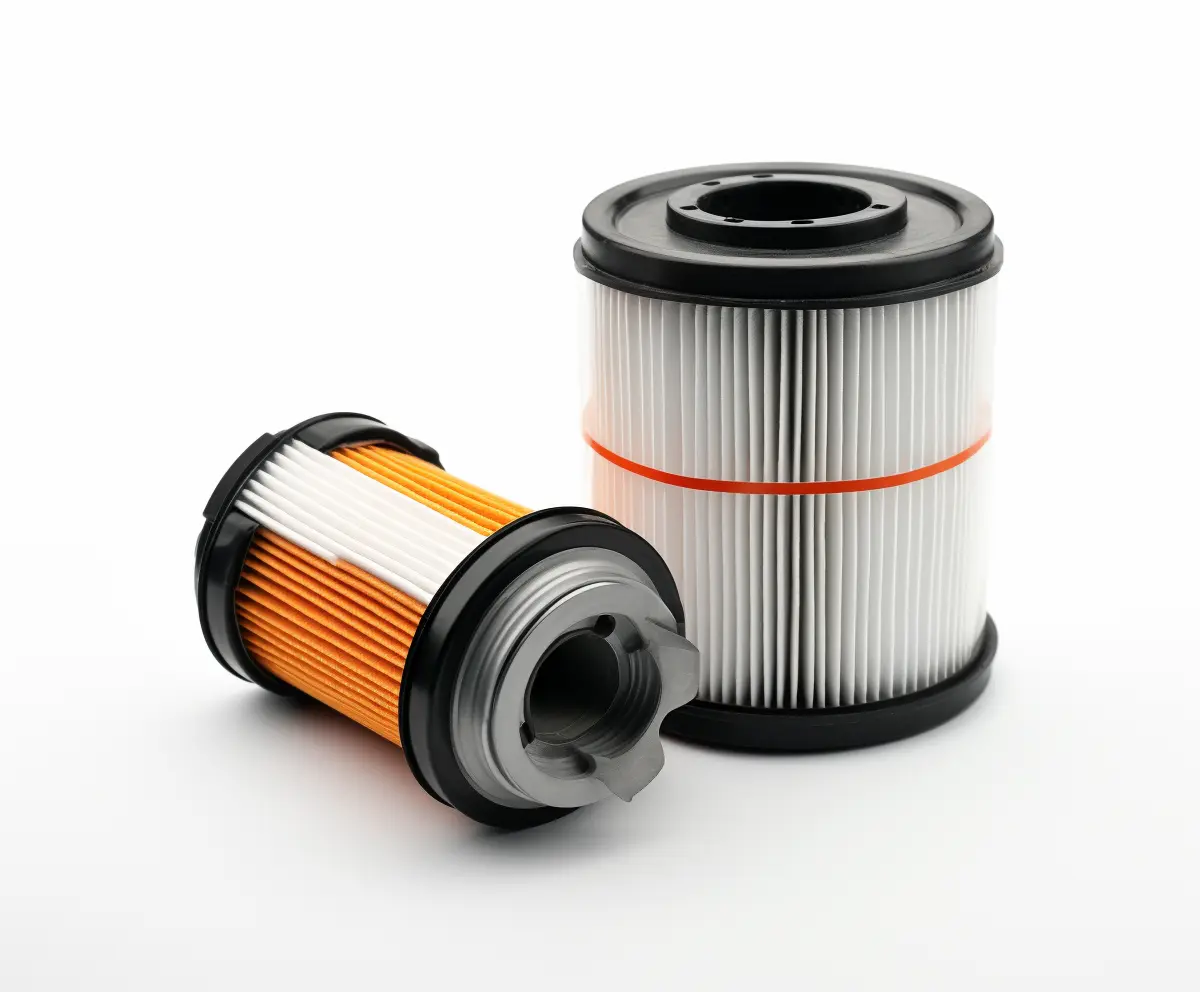
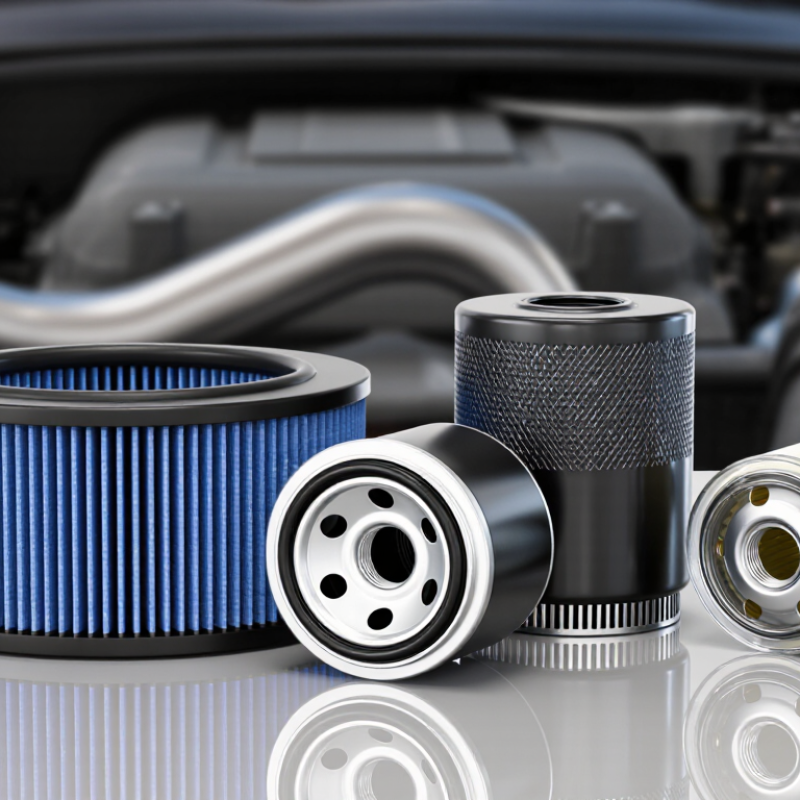
Engine filters serve different jobs, so buyers should match each part to its operating conditions. The air filter stops dust before it reaches the cylinders. A pleated element loaded with fine road dust can restrict airflow, even when its outer surface looks clean. Oil filters capture wear particles and rely on a bypass valve when cold oil flows slowly. Fuel filters remove particles and, in many diesel systems, separate water before it reaches precision injectors. Small contaminants matter.

Crankcase filters, also called breather filters, separate oil mist from gases returning from the crankcase. Not every engine uses the same design; some systems route cleaned gases back into the intake. Check the engine configuration and service specification before selecting a replacement. A filter that fits the housing may still have the wrong flow capacity or filtration rating.

MarketsandMarkets’ 2023 automotive filters market report estimated a value of USD 14.1 billion and projected USD 19.2 billion by 2028. This market-wide forecast signals broad demand, but it does not show which filter suits a particular engine. For fleet purchasing, compare tested efficiency, pressure drop, water-separation performance, and documented fitment. ISO test methods can support comparisons, though real service life also depends on dust, fuel quality, and maintenance. Part numbers alone are not enough.

Best Engine Accessory Filters for Global Buyers in 2026 - Classify Engine Filters by Function: Air, Oil, Fuel, and Crankcase

Filter Category Primary Function Typical Media or Design Common Applications Key Buying Checks Service Considerations
Air filter Removes airborne dust and debris from intake air before it enters the engine. pleated cellulose, synthetic, or blended media; panel, cylindrical, or cartridge formats. Passenger cars, light commercial vehicles, trucks, buses, agricultural equipment, and off-highway machinery. Confirm vehicle or engine fitment, dimensions, sealing surface, airflow requirements, and the specified filtration performance. Inspect according to the vehicle maker’s schedule and operating conditions. Dusty environments can require more frequent inspection.
Oil filter Captures contaminants carried by lubricating oil and helps protect engine components. Cellulose, synthetic, or blended filter media in spin-on or replaceable-cartridge designs; some systems include a bypass valve. Most four-stroke automotive and industrial engines, with design varying by engine family. Check thread and gasket dimensions for spin-on units, cartridge dimensions where applicable, pressure rating, bypass-valve requirements, and engine compatibility. Replace at the interval specified by the engine or vehicle manufacturer, typically as part of an oil-service procedure.
Fuel filter Removes particulate contamination from fuel; some diesel systems also separate water. Fuel-compatible cellulose or synthetic media; diesel assemblies may include a water-separating element or drain. Gasoline and diesel engines, including many commercial, agricultural, marine, and off-highway applications. Verify fuel type, flow direction, connection style, pressure compatibility, water-separation needs, and any required sensor or heater provisions. Follow the engine maker’s service instructions. Diesel systems may require careful priming or bleeding after filter replacement.
Crankcase ventilation filter Separates oil mist from crankcase gases in systems that route ventilation gases through a filter or oil separator. Coalescing media, mesh, or a serviceable separator element, depending on the ventilation-system design. Selected passenger vehicles, diesel engines, trucks, and industrial engines equipped with a filtered crankcase ventilation system. Confirm whether the engine uses a replaceable filter, an integrated separator, or a different ventilation arrangement; check housing and connection compatibility. Service only as directed for the specific system. Not every engine has a separately replaceable crankcase filter.

Buyer note: Filter construction, service intervals, and performance requirements vary by engine and market. Confirm fitment and specifications against the engine or vehicle manufacturer’s documentation before ordering.

Benchmark Air and Oil Filters Against ISO 5011 and ISO 4548

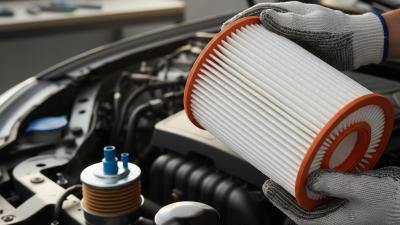
For global buyers in 2026, filter comparisons are more useful when they start with repeatable test methods. ISO 5011 evaluates intake air-cleaner performance, including dust-holding capacity, pressure loss, and separation efficiency. These measures help show how a filter may perform as dust loads build. Ask for the test conditions and the dust used; figures without context can mislead.

Numbers need context.

ISO 4548 covers test methods for full-flow lubricating oil filters. Depending on the relevant part, tests address characteristics such as filtration performance, pressure drop, and resistance to pressure or flow conditions. Compare results from the same test method, not just headline efficiency claims. Then check whether the filter’s dimensions, sealing surfaces, and service interval suit the engine.

Fit matters, too.

A strong laboratory result is not a promise of identical field performance: vibration, oil temperature, dust exposure, and maintenance habits all matter. I have seen tidy comparison tables leave out these details, and that is worth questioning. Treat standards-based data as a sound starting point, then confirm it matches the engine’s operating demands.

Compare Diesel Fuel-Filter Efficiency Using ISO 19438 Test Methods

For global buyers, a diesel fuel filter’s efficiency is more than a figure on a product sheet. ISO 19438 provides a particle-counting method for assessing filter performance and contaminant-holding capacity under controlled test conditions. That gives purchasing teams a more consistent basis for comparing products across suppliers.

During a multipass test, contaminated test fluid passes through the filter while particles are counted. The results show how effectively the filter captures particles across measured sizes, and how much contaminant it retains before reaching the specified endpoint. Small details matter. Flow rate, test conditions, and reported particle sizes should match when comparing results; otherwise, two impressive-looking percentages may describe different tests.

A careful review should check that a report identifies the test method, operating conditions, and efficiency data clearly. Ask for the full report, not just a headline number. ISO test results help buyers evaluate filtration performance, but they do not guarantee service life in every engine or fuel system. Real-world fuel quality, maintenance intervals, and operating conditions can differ. That limitation is easy to overlook. Even a well-documented comparison leaves room for questions about the buyer’s actual application.

Use IEA’s 17 Million EV Sales in 2024 to Frame 2026 Filter Demand

The International Energy Agency’s Global EV Outlook 2025 reports more than 17 million electric car sales in 2024, exceeding 20% of new-car sales worldwide. That is a major shift, but it does not mean engine-filter demand disappears in 2026. Battery-electric cars do not use engine air, oil, or fuel filters; hybrids still have combustion engines, and millions of existing petrol and diesel vehicles remain in service. The distinction matters. New-car sales are not the same as the active vehicle fleet.

OICA reported approximately 92.5 million motor vehicles produced globally in 2024, across different powertrains. This production figure is not a direct measure of filter demand, but it shows the scale and diversity of the vehicle market. For buyers, the practical task is to match filters to the vehicle’s engine, operating conditions, and service schedule. Dusty roads can load an air filter quickly. Frequent short trips can affect oil condition. A poor gasket fit may allow unfiltered air past the element.

For 2026 sourcing, check fitment data, media consistency, sealing dimensions, and batch traceability—not just unit price. In humid regions, storage and packaging also matter. Ask suppliers how they verify dimensions and filtration performance, and request test documentation where available. IEA projections help frame the transition, but they cannot predict each local fleet’s replacement needs. That uncertainty is real. A purchasing plan should track regional vehicle parc and actual workshop orders, then adjust as the mix changes.

Qualify Suppliers by IATF 16949, Fitment Data, and Total Cost of Ownership

Best Engine Accessory Filters for Global Buyers in 2026

Qualify Suppliers by IATF 16949, Fitment Data, and Total Cost of Ownership

IATF 16949 certification is a useful quality-system screen, not proof that every filter fits or performs correctly. Check that the certificate covers the supplying manufacturing site and relevant processes. Then request traceable test records, change-control procedures, and batch-level documentation. Paper is not proof.

Fitment data deserves equal scrutiny. OICA’s 2023 production statistics recorded about 93.5 million motor vehicles produced worldwide, highlighting the scale of vehicle variety buyers may need to serve. Ask suppliers for verified application lists, cross-reference logic, dimensions, media specifications, and service conditions. Test sample filters against actual housings; a small seal mismatch can cause leaks or returns. Production totals do not measure fitment complexity, so validate the data yourself.

Compare total cost of ownership, not just unit price. Include freight, incoming inspection, warranty claims, replacement frequency, and inventory tied up in slow-moving applications. A cheaper filter may cost more if its fitment records are weak or defect rates rise. Use a common cost-per-service-interval model across shortlisted suppliers. One uncomfortable gap: buyers often lack reliable failure-cost data. Record it anyway, even if early estimates need revision.

Best Engine Accessory Filters for Global Buyers in 2026

A practical supplier qualification scorecard: compare documented quality systems, fitment evidence, and total cost of ownership.

Suggested buyer-defined weighting, not measured market data or supplier ratings. Verify IATF 16949 certification and its scope, validate fitment against the required application, and calculate total cost using relevant purchase, freight, duty, inventory, and warranty costs. Adjust the weights to suit your sourcing requirements.