China Best Automotive Filters for Global Buyers?
As global buyers seek reliability and efficiency, China emerges as a leading source for automotive filters. The automotive filter industry in this region has seen remarkable growth. This growth is driven by both innovation and a focus on quality.
Chinese manufacturers are known for producing a range of automotive filters, from air to oil filters. These components play a critical role in vehicle performance. However, buyers must navigate a complex market with varying quality standards. Some products may not meet international expectations.
Experts recommend thorough research when selecting suppliers. This process can uncover both cost-effective options and potential issues. Reliable partnerships are essential, as the right automotive filter can significantly impact vehicle longevity. Engaging with trusted sources can ensure buyers are making informed decisions in an ever-evolving market.
China's Leading Manufacturers of Automotive Filters
China has emerged as a significant player in the automotive filter market, catering to global buyers. The country's leading manufacturers produce a wide range of filters, such as oil, air, and fuel filters. These components are crucial for maintaining vehicle performance and efficiency. Many manufacturers focus on quality and innovation to meet international standards.
Tips: Always check manufacturer certifications. This ensures the filter meets quality standards. Consider the materials used; better materials generally lead to enhanced durability.
The competitive landscape is evolving, with several companies investing in research and development. They aim to enhance filtration technology while reducing environmental impact. This shift is not without challenges. Some manufacturers struggle to balance cost and quality.
Tips: Conduct thorough research on suppliers. Look for reviews and testimonials. This helps in identifying reliable partners in the industry. Explore the supply chain to understand the manufacturer's capabilities.
China Best Automotive Filters for Global Buyers
| Filter Type |
Material |
Application |
Certification |
Average Price (USD) |
| Air Filter |
Paper/Non-woven |
Passenger Vehicles |
ISO 9001 |
15 |
| Oil Filter |
Metal/Filter Fiber |
Heavy Machinery |
TS 16949 |
8 |
| Fuel Filter |
Polymer/Metal |
Commercial Vehicles |
ISO 14001 |
20 |
| Cabin Air Filter |
Activated Carbon |
Passenger Vehicles |
CE Mark |
10 |
| Transmission Filter |
Synthetic Fiber |
Automobiles |
IATF 16949 |
12 |
Key Features of High-Quality Automotive Filters Made in China
When considering automotive filters produced in China, several key features stand out.
Quality is crucial. High-quality filters are designed to enhance engine performance.
They effectively trap dirt and contaminants. This ensures the longevity of the engine and promotes efficiency.
Material selection is also important. Filters made from durable materials resist wear and tear over time.
Another aspect worth noting is the manufacturing process. Advanced technology is often employed to create these filters.
This attention to detail leads to better filtration and less maintenance. However, some products may not meet every buyer's expectations.
It's essential to conduct thorough research before purchasing.
Finally, certifications play a significant role in identifying quality.
Look for filters that comply with international standards. While many Chinese manufacturers uphold high standards, discrepancies can occur.
Always check product reviews to gauge reliability. This step can save buyers from potential regrets.
Making informed choices can lead to satisfactory outcomes.
Market Trends in Automotive Filters for Global Buyers
The automotive filter market is witnessing significant changes. In 2023, the global market size for automotive filters is projected to exceed $18 billion. A notable trend is the rising demand for high-performance filters, driven by stricter emissions regulations and consumer awareness. This shift is compelling manufacturers to innovate and adapt.
Environmental concerns are prompting buyers to seek greener options. This focus can lead to improvements in fuel efficiency and engine performance. According to industry reports, approximately 70% of consumers prioritize environmentally friendly products when making purchasing decisions. Hence, sellers need to align their offerings with sustainability goals.
Tip: Always check for certifications that indicate environmental compliance.
Additionally, the market is slowly leaning towards digitalization. E-commerce has changed how buyers interact with suppliers. Online platforms provide vast options and transparent pricing, enabling informed choices. However, challenges persist, such as ensuring product authenticity and quality.
Tip: Research reviews and ratings before making a purchase.
Understanding these trends can equip global buyers to navigate the automotive filter market effectively. Buyers should remain vigilant and adaptable in this evolving landscape.
Comparative Analysis of Chinese Automotive Filter Brands
The automotive filter market in China is diverse and competitive. Various brands offer different types of filters, including oil, air, and fuel filters. Each brand emphasizes performance, durability, and efficiency. Buyers must navigate these options to find the best fit for their needs.
Comparative analysis reveals notable differences in quality and pricing among Chinese brands. Some manufacturers prioritize advanced technology, while others focus on affordability. However, not all brands consistently meet high standards. It's essential for buyers to do their homework. An informed choice requires examining customer reviews, testing standards, and warranty provisions. Trustworthiness can vary greatly.
Some brands boast impressive testing processes. Others, however, fall short. Quality control is not uniform across the board. This creates a challenge for both buyers and manufacturers. Looking beyond promotional claims is crucial. Not every product lives up to its marketing promise, which could lead to potential disappointments. Proceed with caution and value reliability over mere hype.
Factors to Consider When Sourcing Automotive Filters from China
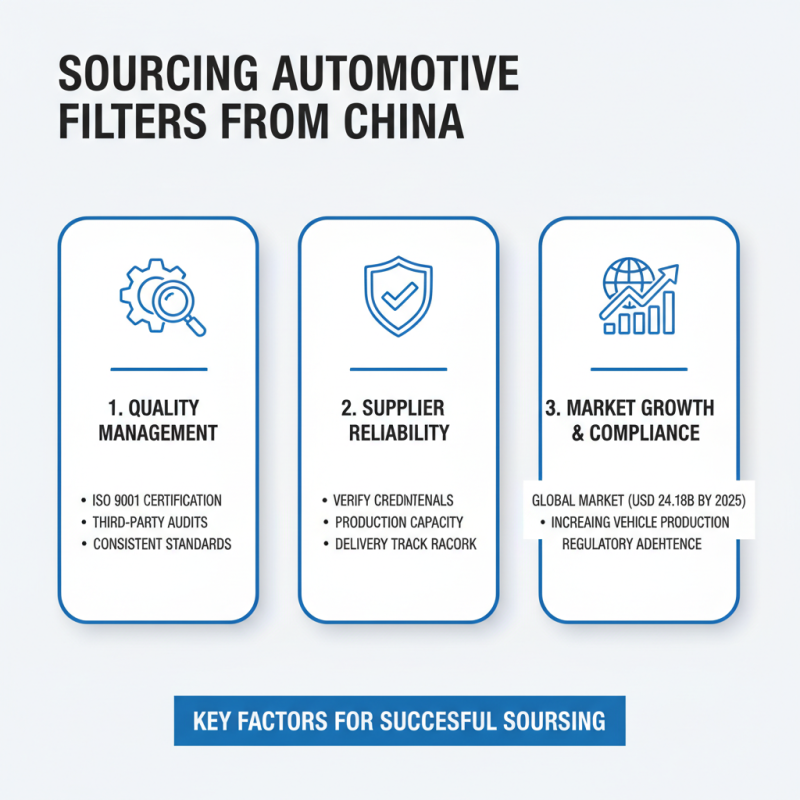
When sourcing automotive filters from China, several factors must be considered to ensure quality and reliability. The automotive filter market is projected to reach USD 24.18 billion by 2025, driven by increasing vehicle production. This growth highlights the importance of selecting the right suppliers. Quality management systems like ISO 9001 are crucial. They help maintain consistent production standards. However, it is essential to verify actual compliance through third-party audits.
Another key factor is the type of filters needed. There are multiple filter types, including oil, air, and fuel filters. Each has specific performance criteria that should be met. According to a recent industry report, nearly 40% of automotive failures are attributed to inferior filter performance. This statistic underscores the need for thorough research. Understanding regional differences in production practices can significantly impact the selection process.
Logistics and supply chain management also play critical roles. Shipping delays and communication issues can disrupt timelines. A significant percentage of buyers report facing challenges in timely deliveries from overseas suppliers. Diversifying logistics partners can help mitigate risks. Establishing a clear communication channel is vital to avoid misunderstandings. Working with experienced sourcing agents can improve outcomes.

 Products
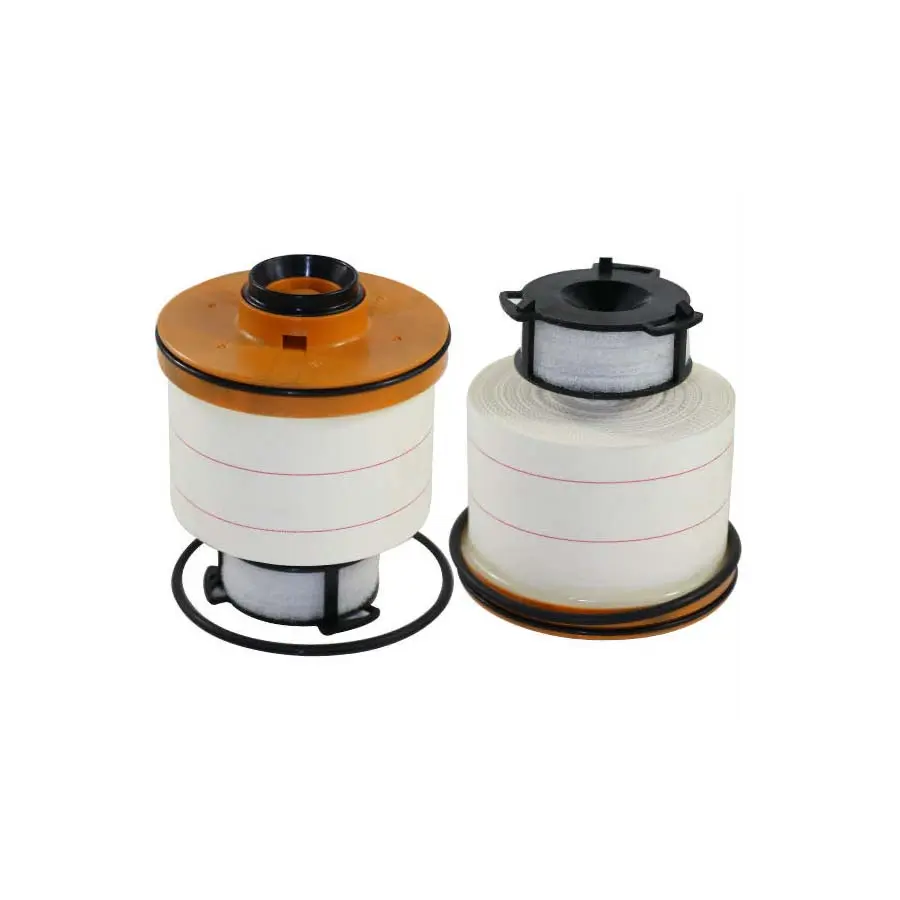 FUEL FILTER
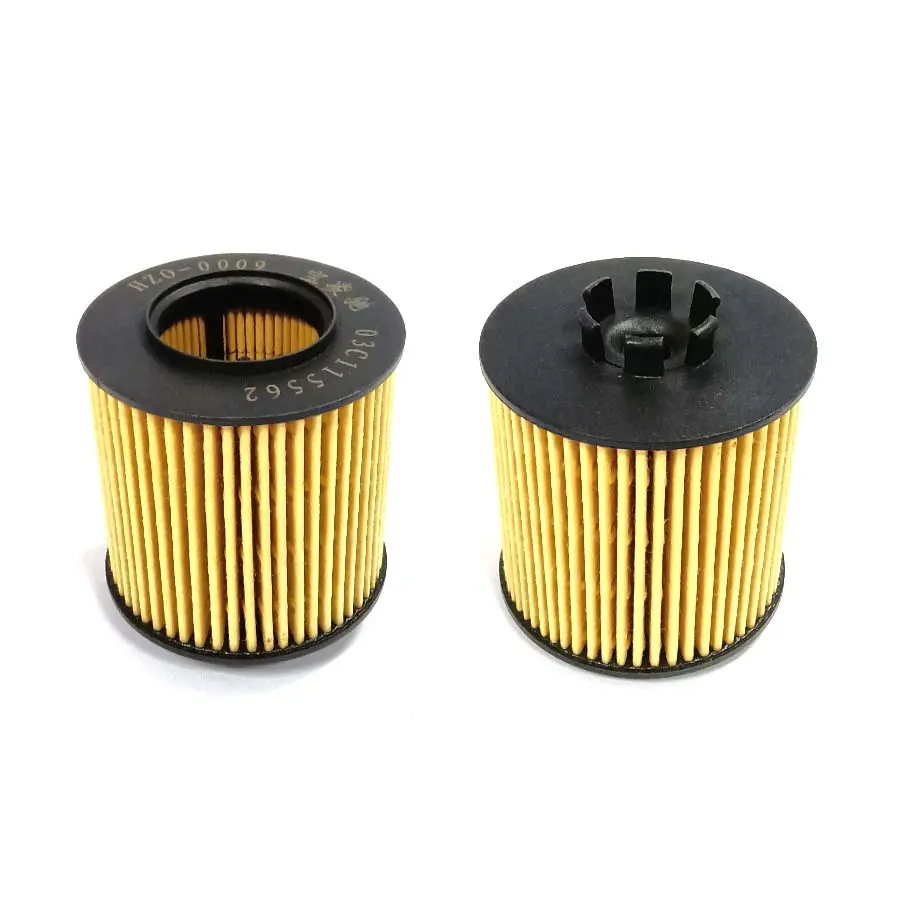 OIL ELEMENT FILTER
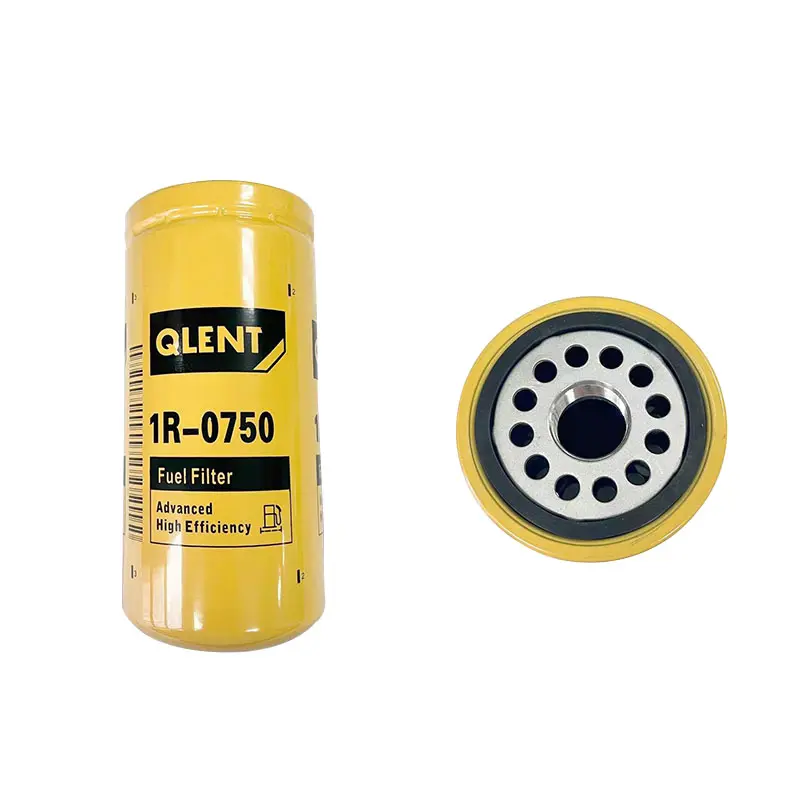 OIL FILTER
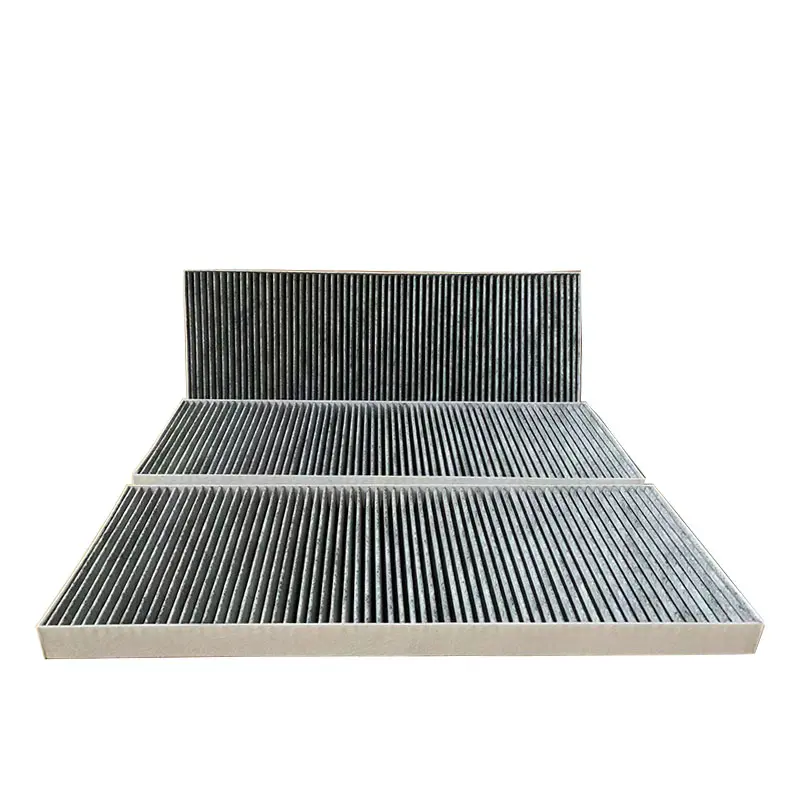 CABIN FILTER
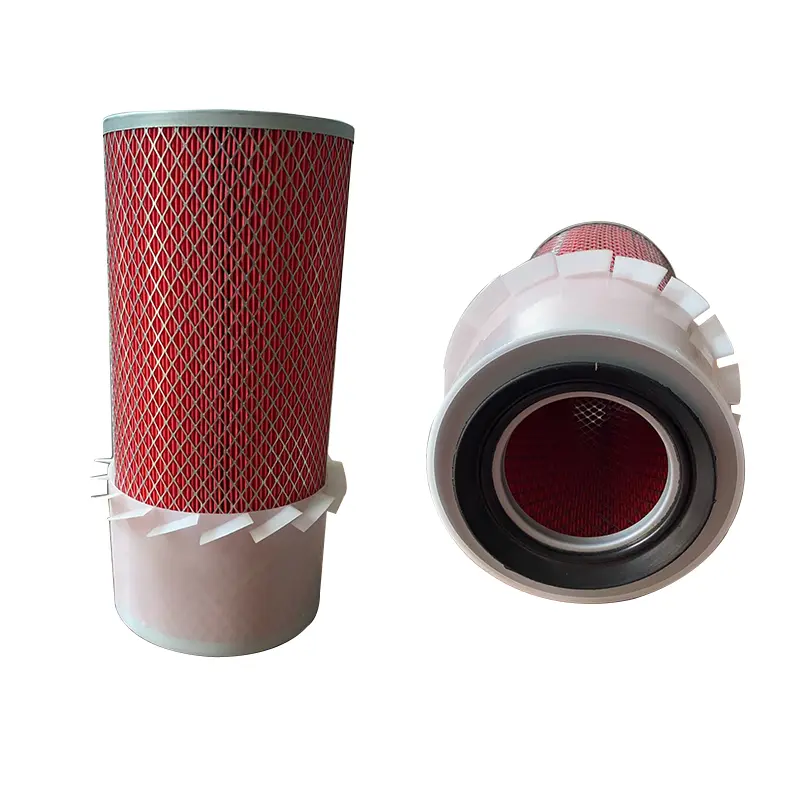 AIR FILTER