Top Tips for Using Spin On Filters Effectively?
Spin On Filters have become essential tools in automotive and industrial applications. These filters offer efficiency and convenience in keeping machinery running smoothly. However, many users overlook the best practices for effective implementation. Using a Spin On Filter properly can enhance its performance and extend the life of your equipment.
Understanding the specifications of your Spin On Filter is critical. Selecting the right filter for your specific needs makes a significant difference. It is essential to consider the type of fluid you are working with and the operating conditions. Mistakes in this area can lead to poor filtration and potential damage. Regular checks can also prevent issues before they escalate.
Remember that installation is just as important as selection. Tightening the filter too much can cause leaks, while under-tightening may result in a poor seal. Following manufacturer guidelines ensures optimal performance. As with any mechanical component, learning from past experiences can improve your future outcomes. By being mindful of these tips, you’ll maximize the benefits of your Spin On Filter efficiently.
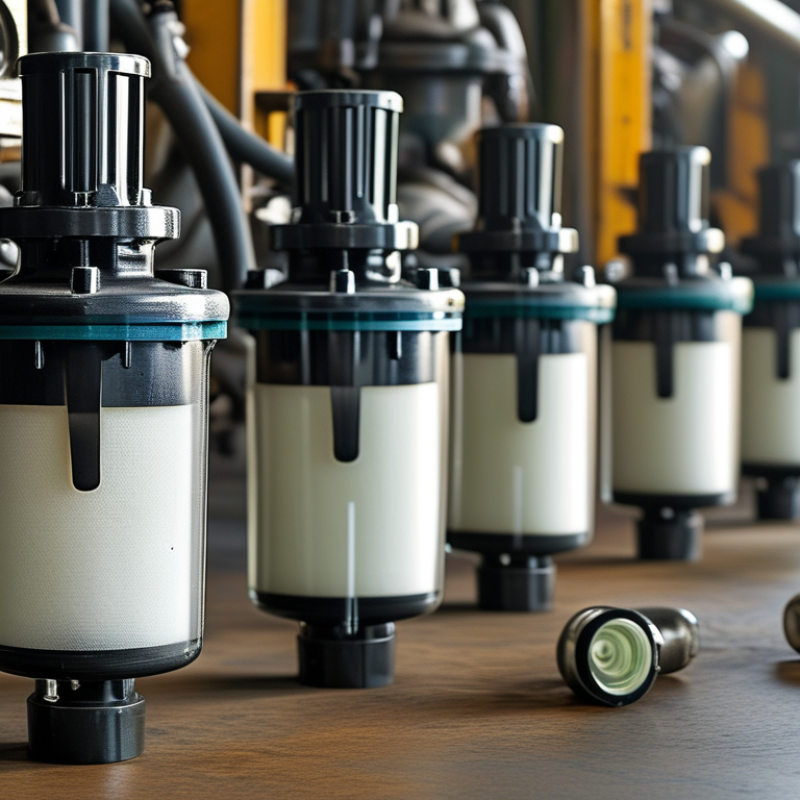
Understanding the Basics of Spin On Filters and Their Functionality
Understanding spin-on filters is crucial for maintaining engine efficiency. These filters play a pivotal role in removing contaminants from engine oil. According to a study by the Society of Automotive Engineers, about 80% of engine wear originates from inadequate filtration. This highlights the need for effective filter usage.
When using spin-on filters, ensure proper installation. A common mistake is over-tightening. This can damage the filter, leading to leaks or failure. The ideal tightness is often specified by the manufacturer, usually between 3/4 to 1 full turn after the gasket contacts the base. Monitor oil quality regularly. Remember, oil degradation can occur faster than expected.
Check the filter's oil flow rate. Filters that can't maintain proper flow may hinder engine performance. An article from the International Journal of Engine Research notes that reduced flow can lead to overheating and potential engine damage. Choosing the right filter for your vehicle is essential. Research different types to find one with optimal performance metrics, keeping in mind that not all filters are created equal.
By factoring in these tips, you can enhance your engine's longevity and efficiency while using spin-on filters effectively.
Selecting the Right Spin On Filter for Your Vehicle or Equipment
When selecting the right spin-on filter for your vehicle or equipment, it’s crucial to consider compatibility. Each filter has specific applications. Check your owner's manual for detailed specifications. If you're unsure, consult with a professional to avoid expensive mistakes.
Choose filters with the correct micron rating. This impacts how well the filter can catch contaminants. A higher rating may not always mean better protection. Too fine a filter can restrict flow and stress your system.
Don't overlook the importance of quality materials. Durable construction can extend the lifespan of your filter. Research different filters and their construction carefully. Read reviews and industry reports to gauge reliability. Choosing well can save you headaches down the line.
Proper Installation Techniques for Spin On Filters
Proper installation techniques for spin-on filters can significantly enhance engine performance and longevity. According to industry research, a staggering 70% of engine wear and failures are linked to improper filtration. Ensuring that the spin-on filter is securely tightened is crucial. It should be snug, but not over-tightened. Over-tightening can damage the filter’s gasket and lead to leaks.
Another critical aspect is the orientation of the filter. Spin-on filters should be installed in a vertical position when possible. This helps ensure proper oil drainage and minimizes the risk of air pockets. Research indicates that air pockets can lead to inefficient filtration and reduced engine lubrication. Additionally, always clean the mounting surface before installation. Dirt and debris can cause ineffective sealing and lead to fluid leaks.
It's also important to consider the oil change interval. Regularly replacing the spin-on filter, along with engine oil, is vital to maintain engine efficiency. Studies show that nearly 40% of drivers do not change their filters as often as recommended. This oversight can contribute to decreased performance and increased wear. Always consult the vehicle’s manual for specific intervals and adhere to them for optimal results.
Best Practices for Maintenance and Replacement of Spin On Filters
When it comes to maintaining spin on filters, regular checks are essential. Inspect the filter housing for any leaks or damage. A worn-out filter can lead to significant engine issues. Make sure the seals are intact. Broken seals can allow oil or fluid to leak, diminishing performance.
Changing the filter should be part of your routine maintenance. Follow the owner's manual for replacement intervals. Sometimes, users wait too long between changes. This practice can cause engine wear. Aim for consistency in your maintenance schedule. Keeping track can prevent neglect.
In addition, consider the installation process. Ensure the filter is properly tightened, but avoid overtightening. Too much pressure can damage the filter or housing. Always replace the filter with the right specifications. Mismatched filters can lead to inefficiencies. Proper maintenance will ensure your spin on filter performs optimally, but it requires diligence and knowledge.
Common Mistakes to Avoid When Using Spin On Filters
When using spin-on filters, avoiding common mistakes is crucial for optimal engine performance. One frequent error is neglecting to pre-fill the filter with oil. This simple step ensures immediate lubrication, reducing wear during start-up. A study from the Society of Automotive Engineers indicates that engines with pre-filled filters experience up to 30% less wear on critical components.
Another common mistake is overtightening the filter. Excessive force can damage the filter gasket, leading to leaks. According to a report from the American Society for Testing and Materials (ASTM), improperly installed filters account for nearly 15% of oil leaks in vehicles. Using hand-tightening techniques can prevent this issue while ensuring a secure fit.
Failing to monitor oil change intervals is another oversight. Regular data suggests that long intervals can decrease filter efficiency significantly. A filter's capacity to trap contaminants diminishes over time. Regular checks boost engine lifespan. Performance risks increase after recommended change intervals are ignored. Proper attention to these details increases reliability and efficiency.

 Products
 FUEL FILTER
 OIL ELEMENT FILTER
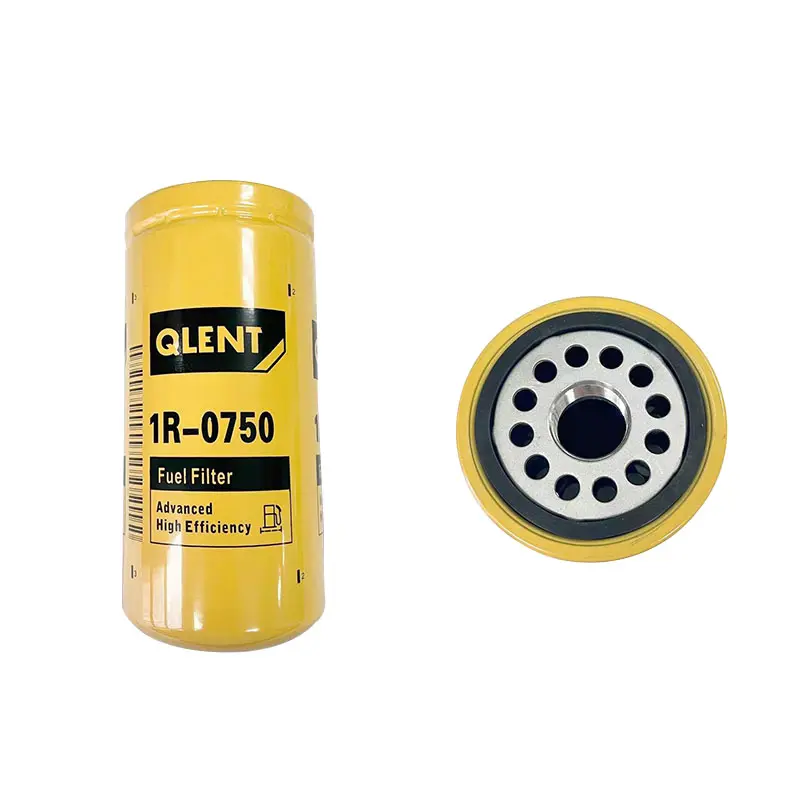 OIL FILTER
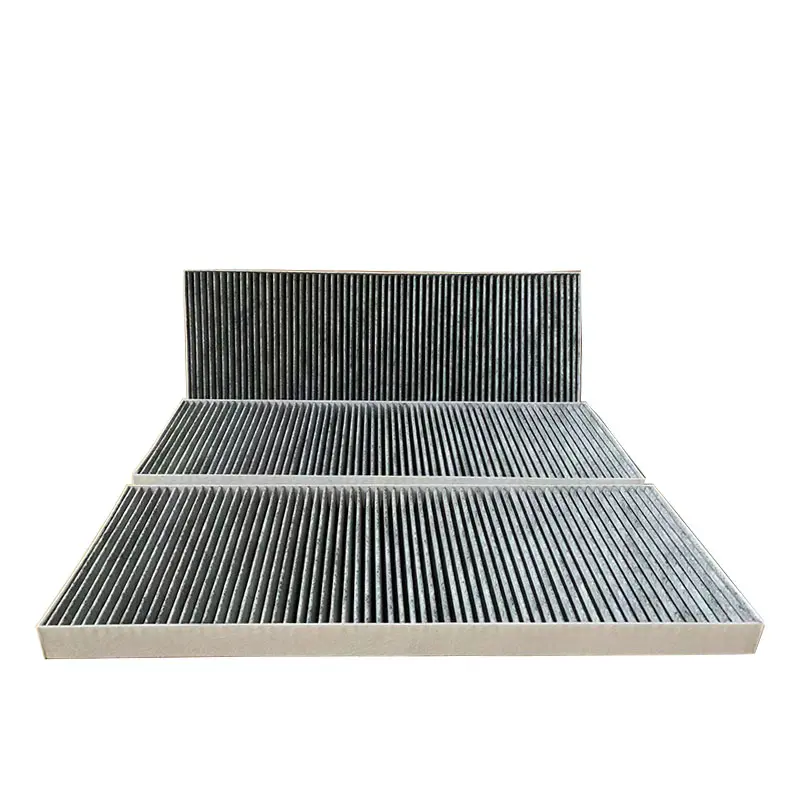 CABIN FILTER
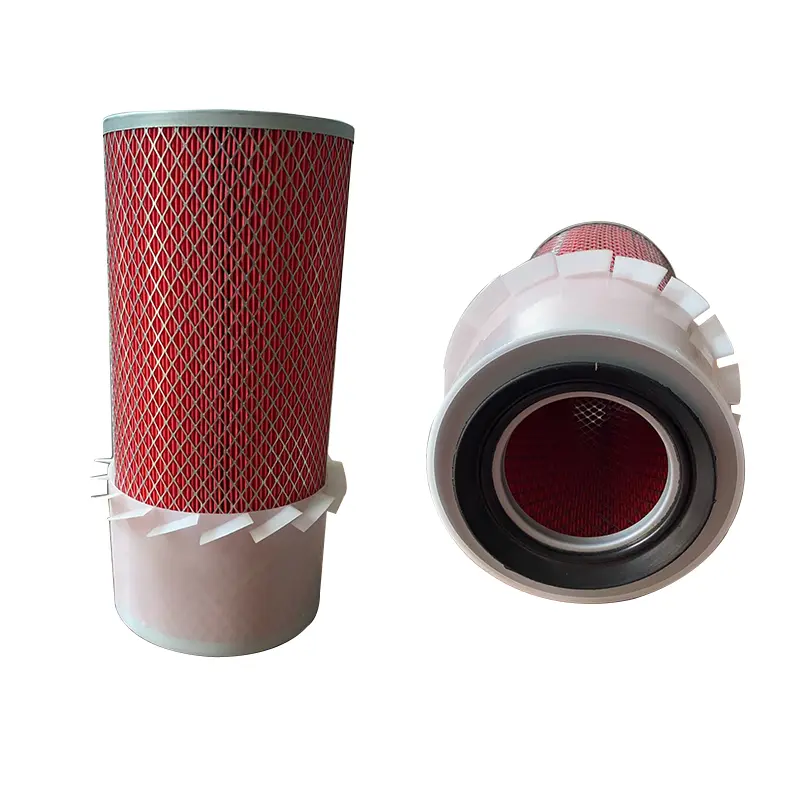 AIR FILTER