What Is a Fuel Filter and How Does It Work?
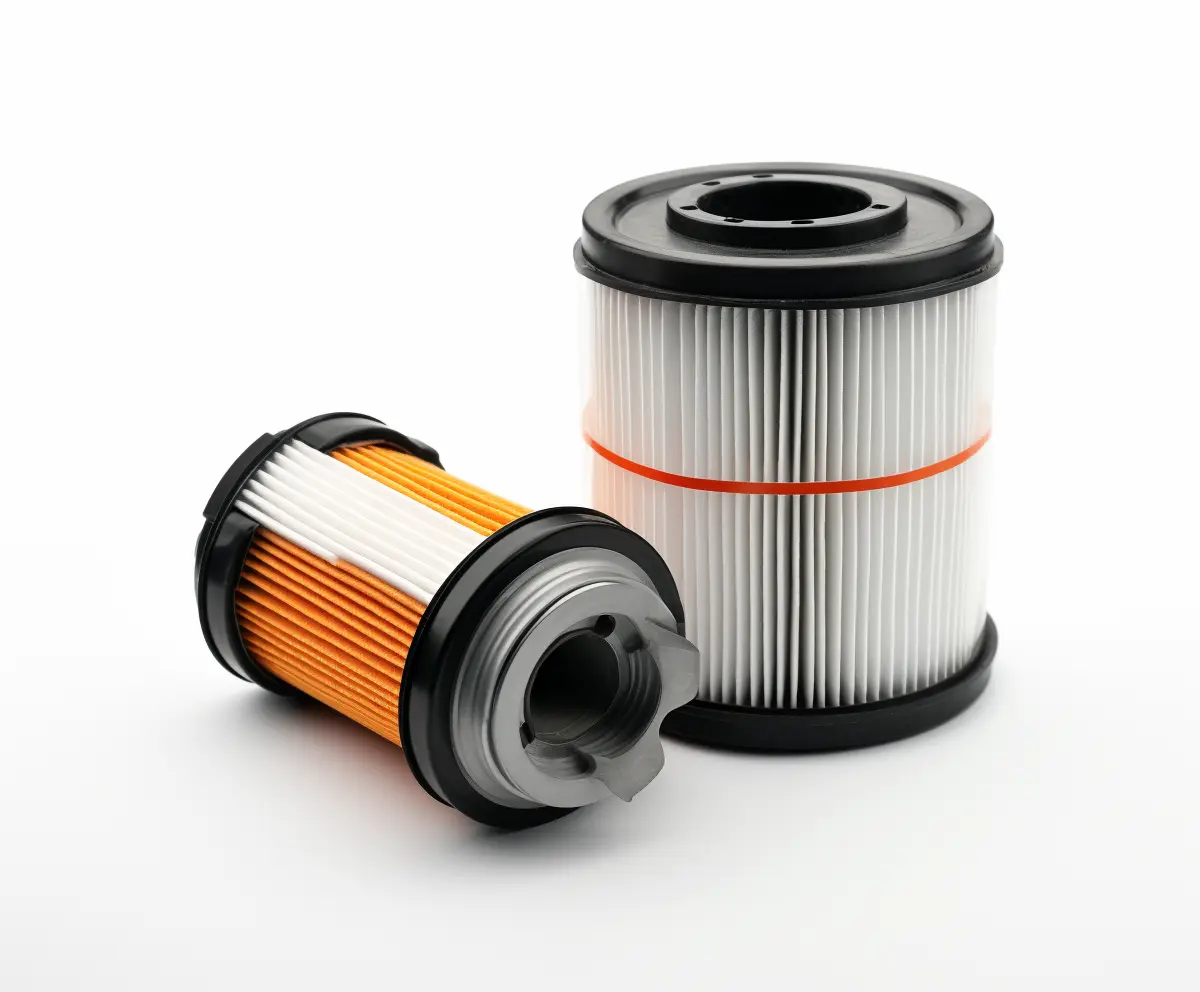
A fuel filter is an essential component of any vehicle's fuel system. It plays a critical role in maintaining engine performance and longevity. This small yet significant part filters out impurities and contaminants from the fuel before it reaches the engine. Without a functioning fuel filter, dirt, rust, and other particles could cause significant damage to the fuel injectors and engine components.
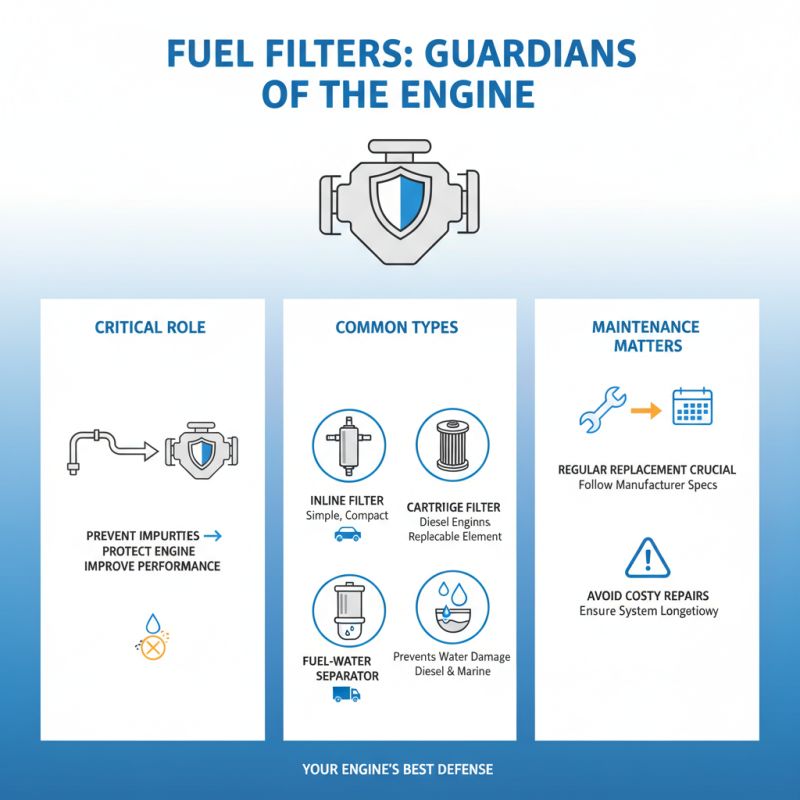
The fuel filter works by trapping these harmful materials and ensuring only clean fuel flows into the engine. Regular maintenance and timely replacement of the fuel filter can prevent costly repairs. However, many drivers overlook its importance. Ignoring a clogged fuel filter can lead to reduced fuel efficiency and engine performance. It's necessary to recognize that this simple component can have a big impact on a vehicle's overall health.
In conclusion, understanding the function of the fuel filter and its significance in the fuel system is crucial for maintaining a vehicle. A properly functioning fuel filter guarantees a smooth and efficient engine operation, while neglecting it can lead to unforeseen issues. Make sure to reflect on the state of this vital component next time you check your vehicle.
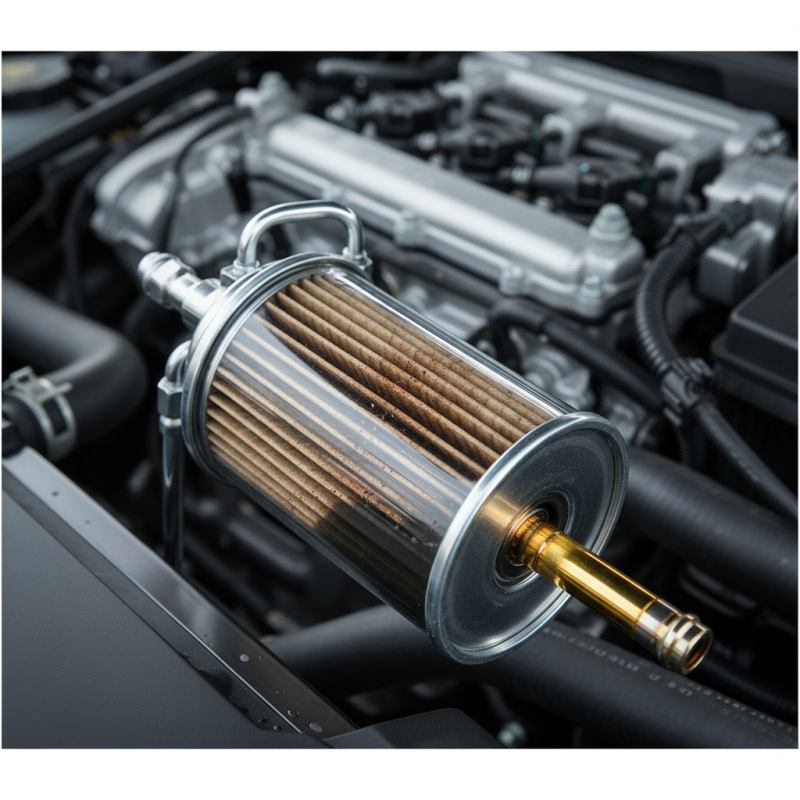
What Is a Fuel Filter?
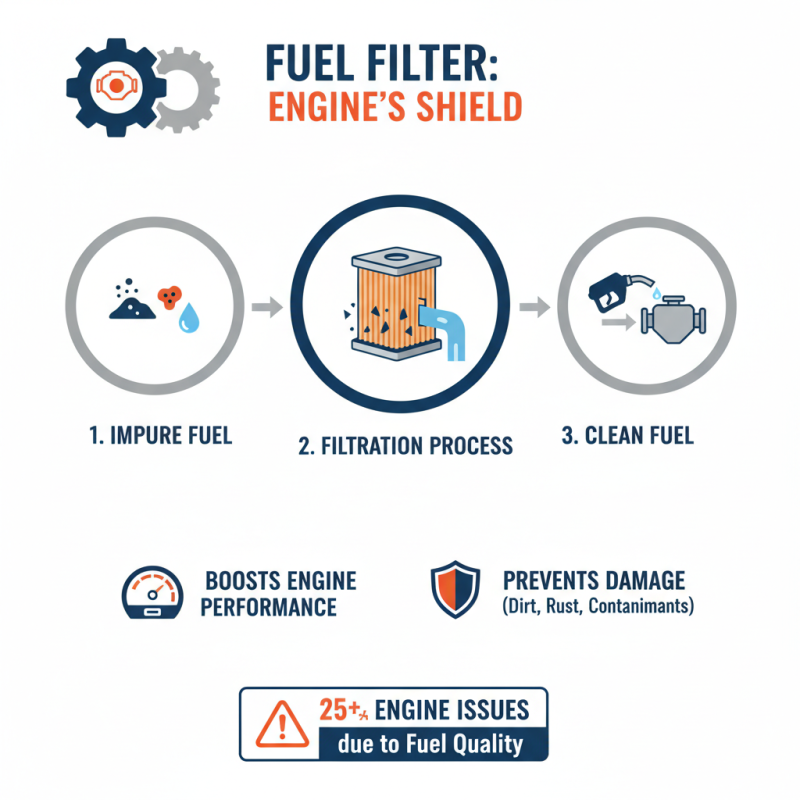
A fuel filter is a crucial component in any internal combustion engine. It plays the vital role of removing impurities from the fuel before it enters the engine. These impurities can include dirt, rust, and other contaminants. According to industry reports, over 25% of engine performance issues are attributed to fuel quality. This highlights the significance of maintaining a clean fuel supply.
Fuel filters come in different designs and sizes. They can be found in gasoline and diesel systems. Typically, they are installed between the fuel tank and the engine. A clogged filter can lead to poor engine performance, increased fuel consumption, and even engine damage. Research indicates that changing a fuel filter regularly can improve fuel efficiency by up to 10%. However, many vehicle owners overlook this maintenance step.
The installation of a fuel filter requires attention to detail. A poorly installed filter can lead to leaks or improper filtration. Additionally, not all filters are designed to work with every vehicle type. Some drivers might purchase a lower-quality filter to save money, but this can result in more frequent replacements. Monitoring the fuel filter's condition can save time and money in the long run. As industry data suggests, proactive maintenance can extend engine life and optimize performance.
Key Functions of a Fuel Filter in an Engine System
A fuel filter is a crucial component of an engine system. Its main role is to remove contaminants from fuel before it reaches the engine. This keeps the engine clean, ensuring efficient combustion. Industry reports indicate that a clean fuel system can improve engine efficiency by up to 15%.
The fuel filter captures dirt, rust, and other debris. These particles can originate from fuel tanks and even the environment. Without a functioning filter, these impurities can damage fuel injectors and reduce engine performance. Studies show that clogged filters can lead to a 20% drop in fuel flow. This can cause rough idling and diminished power.
Regular maintenance of the fuel filter is vital. Some vehicle owners replace filters during routine oil changes, while others overlook this step. Neglecting the filter can result in costly repairs. A simple inspection can save time and money in the long run. The fuel system is complex, and every part plays a role. Consider reviewing the condition of your filter at your next service.
How Fuel Filters Remove Impurities from Fuel
Fuel filters play a crucial role in maintaining the efficiency of a vehicle's engine. They are designed to remove impurities from fuel before it reaches the engine. This process is vital because any contaminants can lead to poor engine performance. Dirt, rust, and other particles can clog the fuel system. When this happens, fuel delivery is interrupted, which may cause the engine to stall or run poorly.
The fuel filter works by trapping these harmful particles as fuel flows through it. As fuel enters, it passes through a mesh or microfilter, which captures debris. The remaining clean fuel then travels to the engine. Regularly replacing the fuel filter can prevent buildup. Neglecting this part may lead to costly repairs down the line.
Some people forget the importance of a clean fuel system. They may think that fuel quality alone is enough. However, even high-quality fuel can contain small contaminants. This is where the fuel filter's job becomes crucial. It's not just a minor component; it's essential for optimal engine function. Regular checks and replacements can enhance both performance and longevity.
What Is a Fuel Filter and How Does It Work? - How Fuel Filters Remove Impurities from Fuel
| Dimension |
Description |
| Function |
Removes impurities from fuel to ensure clean fuel delivery to the engine. |
| Types |
Inline filters, cartridge filters, and combination filters. |
| Common Impurities |
Dirt, rust, algae, and microbial contaminants. |
| Material |
Typically made from paper, fiberglass, or synthetic media. |
| Maintenance |
Regular replacement is essential to prevent engine performance issues. |
| Signs of Clogging |
Decreased engine performance, stalling, or trouble starting the engine. |
Types of Fuel Filters and Their Applications
Fuel filters play a critical role in vehicle maintenance, acting as guardians of the fuel system. They are essential for preventing impurities from entering the engine. There are different types of fuel filters, each suited for specific applications. Common types include inline filters, cartridge filters, and fuel-water separators. Inline filters are often used in gasoline engines, while cartridge filters are prevalent in diesel engines. Fuel-water separators are crucial in preventing water from damaging the fuel system.
According to a report from the Automotive Aftermarket Industry Association, around 70% of fuel system-related issues stem from inadequate filtration. This suggests many drivers underestimate the importance of regular filter replacement. In high-performance engines, the right filter can boost efficiency by 15%. This highlights a need for consumers to pay attention to their fuel filter choices.
However, the availability of various fuel filters can lead to confusion. Some filters may not deliver the required performance, resulting in engine inefficiencies. Additionally, improper installation can negate the benefits of even high-quality filters. Awareness of these issues is vital when maintaining fuel systems, as poorly chosen or installed filters can cause long-term damage. This underlines the necessity of diligent selection and regular maintenance.
Signs of a Clogged Fuel Filter and Maintenance Tips
A clogged fuel filter can cause serious issues in a vehicle. It prevents fuel from flowing efficiently to the engine. Common signs include difficulty starting, engine sputtering, and decreased power. If you notice any of these symptoms, it’s vital to check the fuel filter.
Regular maintenance is essential for keeping the fuel filter clean. Consider replacing it every 30,000 miles or as recommended in your owner’s manual. This helps prevent clogs and ensures optimal performance. Among the best tips is to use high-quality fuel. Poor-quality fuel can lead to faster clogging.
When diagnosing fuel filter problems, look for unusual noises from the engine. If the filter is too dirty, it may cause fuel starvation. Use a fuel additive to help keep the system clean. Regular checks can save you time and money in the long run. A clean fuel filter contributes to better fuel efficiency. Pay attention to these signs and keep up with maintenance.
Fuel Filter Clogging Rates Over Time
This bar chart shows the increasing rate of fuel filter clogging over time. It is evident that as the time duration increases, the clogging rate rises significantly, especially after one year. Regular maintenance and timely replacement of the fuel filter are crucial to ensure optimal performance of the vehicle's fuel system.

 Products
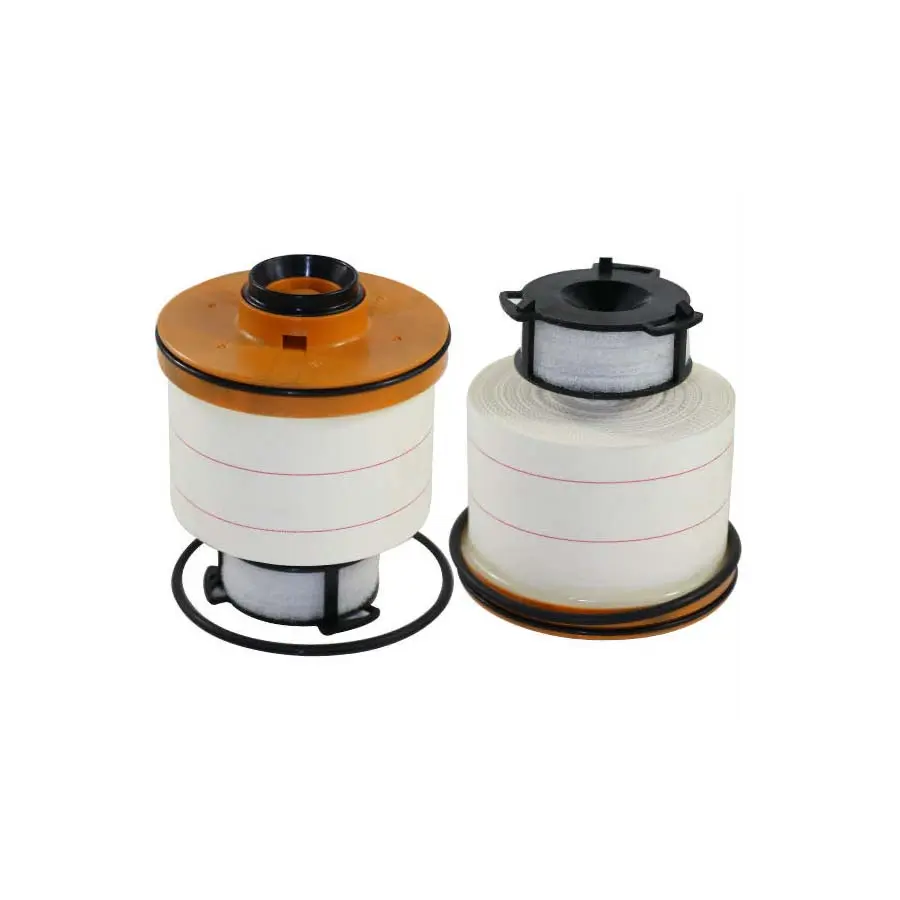 FUEL FILTER
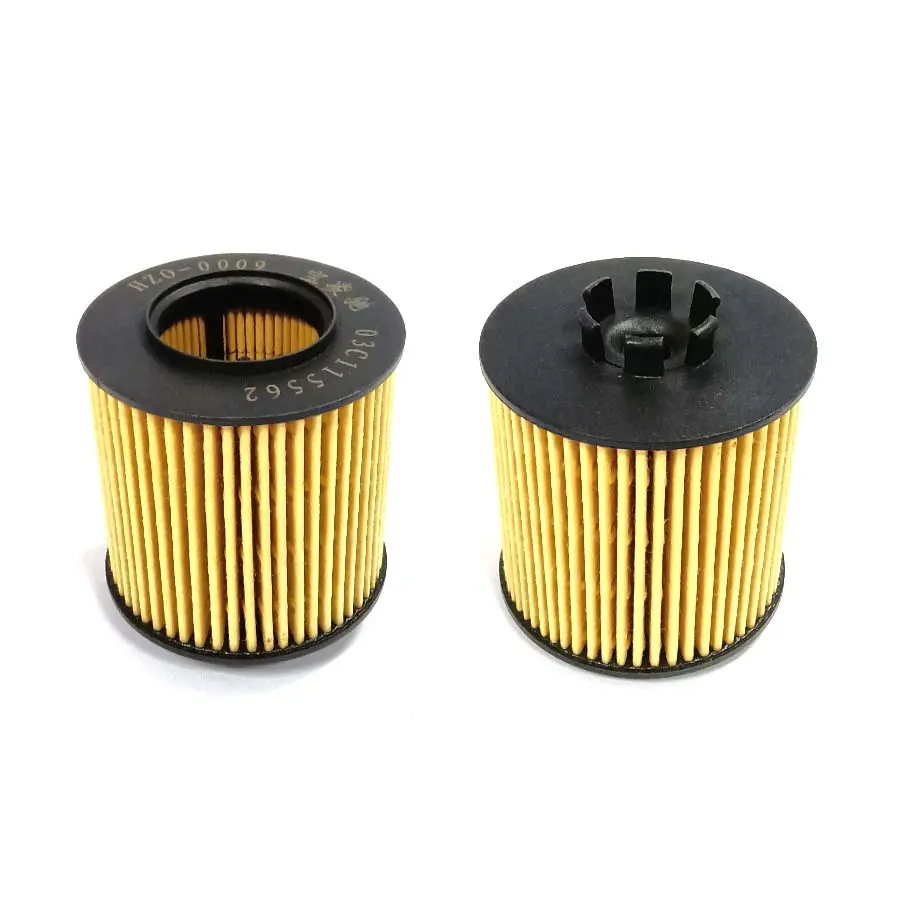 OIL ELEMENT FILTER
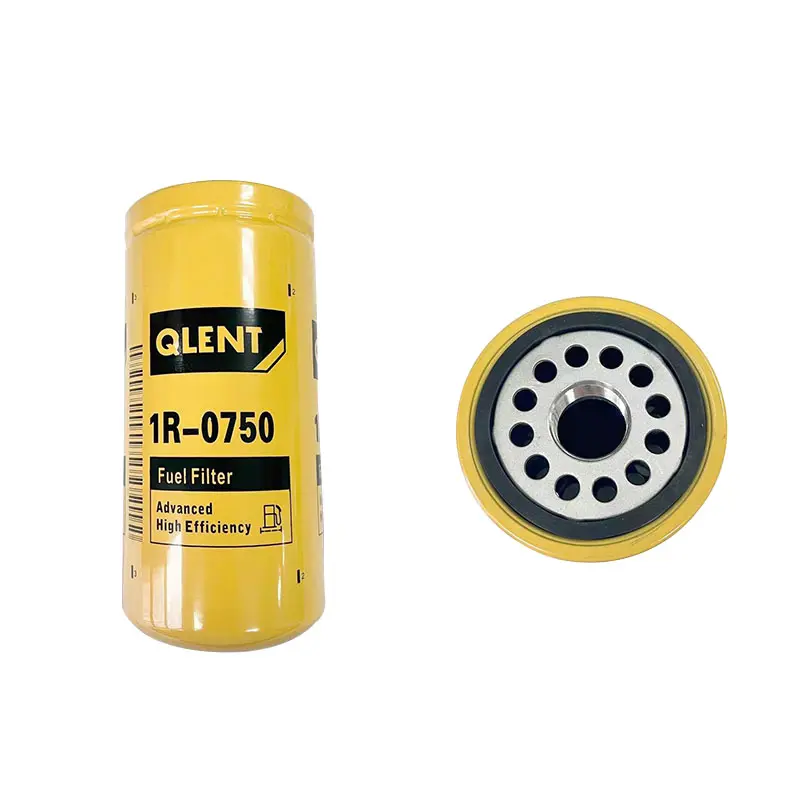 OIL FILTER
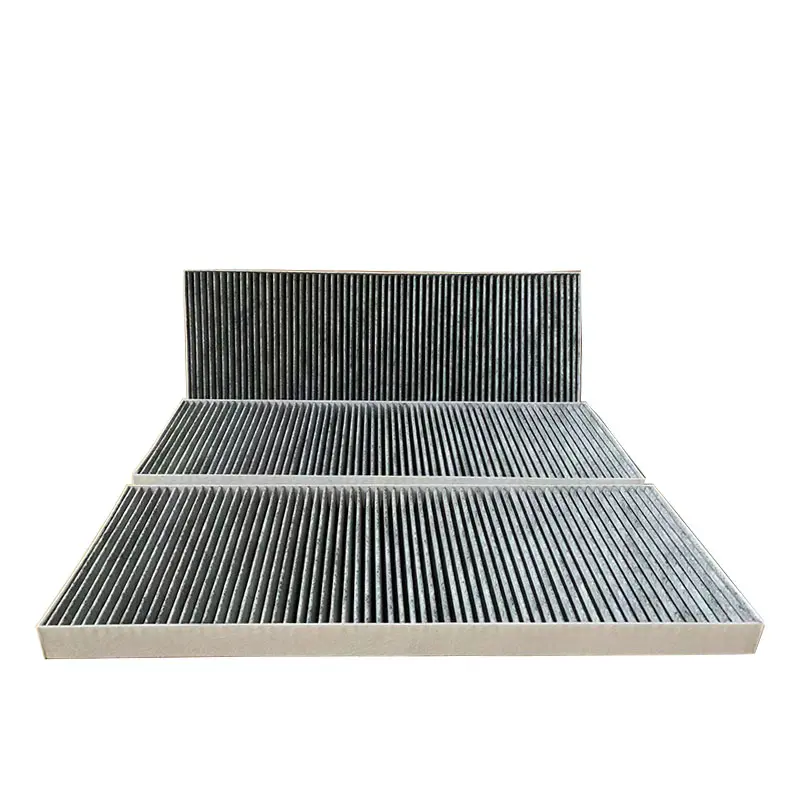 CABIN FILTER
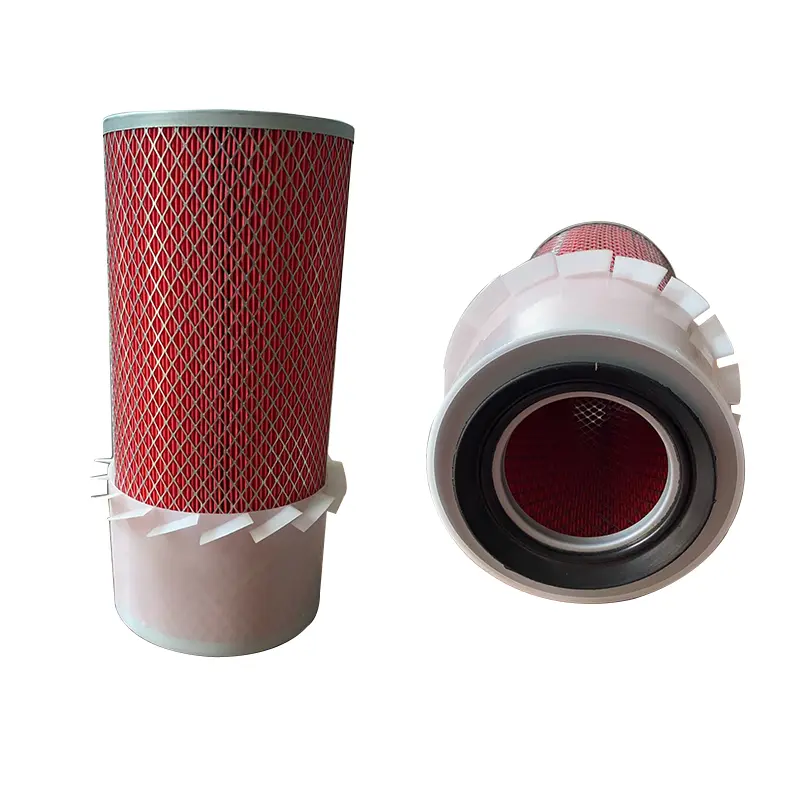 AIR FILTER