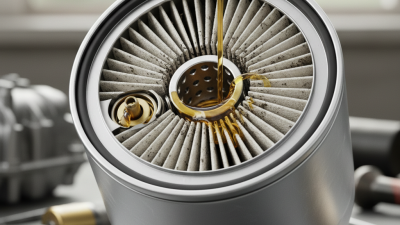
How to Source Auto Engine System Car Filters?
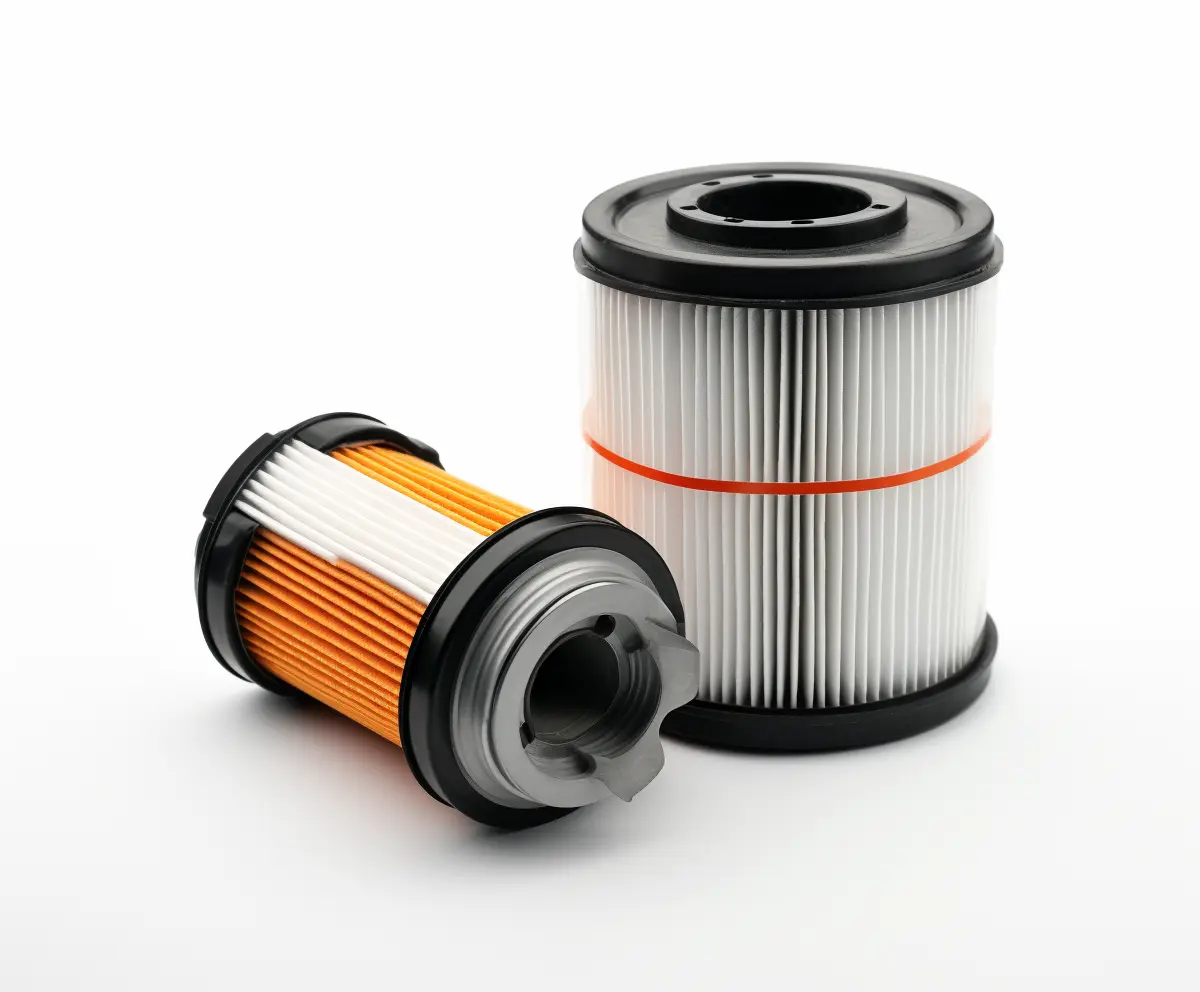
Sourcing an Auto Engine Systems Car Filter requires more than comparing prices or counting pleats. The right filter protects sensitive engine parts from dust, water, fuel impurities, and microscopic metal particles. It must also match the vehicle’s engine code, operating temperature, pressure range, and installation space.
Dr. John B. Heywood, a respected internal-combustion engine researcher, once warned, “Small contaminants can create large engine problems.” That principle guides reliable filter sourcing. Buyers should request material specifications, micron ratings, pressure-drop data, sealing details, and confirmed OEM compatibility. A filter that looks identical may use weaker media or a poorly molded gasket. Small details matter.
Ask suppliers for factory audits, batch records, laboratory reports, and traceable production codes. Check whether the supplier can provide stable samples before placing large orders. Confirm packaging quality, because crushed boxes can damage filter seals before installation. Price still matters. It should not lead the decision.
A practical sourcing review should compare air, oil, fuel, and cabin filters separately. Each system faces different contamination risks. A reputable manufacturer should explain its testing process clearly, without vague performance promises. Independent verification is valuable, but it is not always available for every model. That limitation deserves honest consideration.
There is room for error.
One incorrect engine number can create an expensive mismatch. A careful buyer checks dimensions, thread size, valve design, and service intervals twice. With disciplined verification, transparent suppliers, and documented quality controls, companies can source an Auto Engine Systems Car Filter that supports dependable performance rather than merely filling a purchase order.
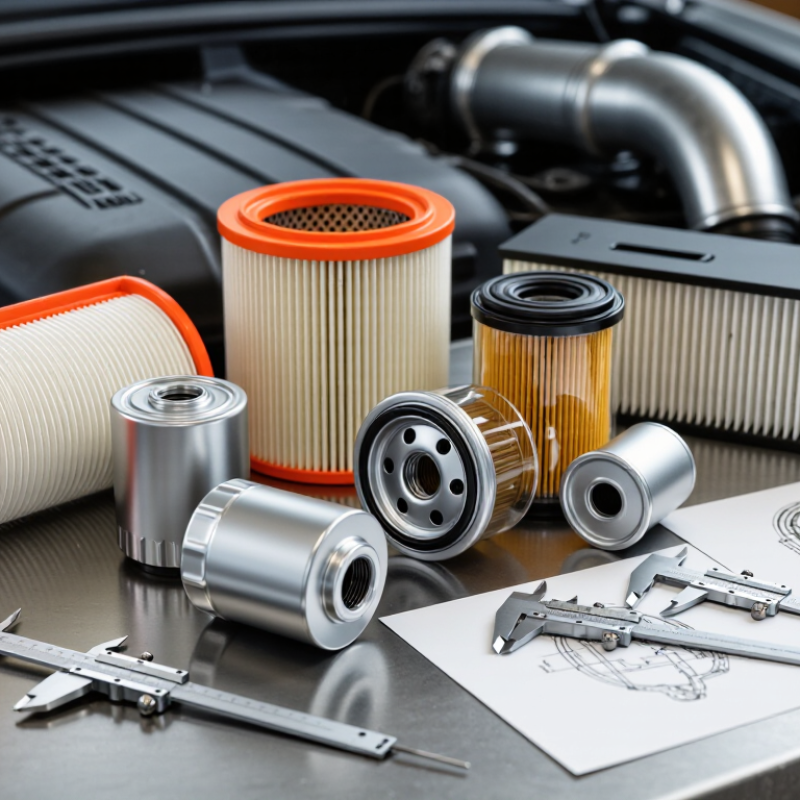
Define the Auto Engine System Filter Requirements
How to Source Auto Engine System Car Filters?
Define the Auto Engine System Filter Requirements
Before contacting suppliers, define the filter’s working environment. Record engine type, displacement, fuel system, vehicle age, airflow, oil grade, and service interval. A filter for dusty rural roads needs different dust-holding capacity than one used in clean urban traffic. Small details matter.
For intake filters, specify dimensions, sealing pressure, filtration efficiency, and maximum pressure drop. ISO 5011 provides a recognized method for testing engine air-cleaner performance. For oil filters, ISO 4548-12 evaluates filtration efficiency and contaminant capacity under controlled conditions. These standards make supplier claims easier to compare. They do not remove every risk.
Market data can guide planning. A 2024 report by Fortune Business Insights projected continued growth in the global automotive filters market through 2032, driven by vehicle usage and replacement demand. Mordor Intelligence also identifies filtration performance, maintenance cycles, and stricter emissions expectations as major purchasing factors. Treat forecasts carefully. They are directional, not guaranteed sales.
Request test reports, dimensional drawings, material declarations, batch traceability, and sample units. Check whether the gasket remains flexible after heat exposure. Measure pressure drop with clean and loaded media. I once focused too heavily on efficiency and overlooked seal compression. That mistake could create a bypass path. A supplier should explain failures, not only display impressive percentages.
The sourcing file should include acceptance limits for airflow, leakage, burst strength, cleanliness, and packaging damage. It should also identify the exact test fluid, dust type, temperature, and measurement method. Without those details, two “99% efficient” filters may not be comparable.
Specification first. Price later.
Identify Reliable Car Filter Suppliers and Manufacturers
Sourcing car filters starts with supplier verification, not a low unit price. The International Organization of Motor Vehicle Manufacturers reported 93.5 million vehicles produced worldwide in 2023. That volume creates demand, but it also attracts inconsistent factories. Request a valid ISO 9001 certificate and, for original-equipment supply, IATF 16949 evidence. Check the certificate scope, address, expiry date, and issuing body.
Ask for evidence. Reliable manufacturers should provide filtration-efficiency results, dust-holding capacity, pressure-drop data, sealing-temperature tests, and dimensional drawings. Samples should match the production tooling, media grade, pleat count, gasket hardness, and bypass-valve setting. A laboratory report without batch identification is weak evidence. Require lot codes, inspection records, and retained samples for traceability. Numbers matter.
The OICA production figure helps estimate market scale, while the International Energy Agency’s Global EV Outlook 2024 recorded more than 17 million electric-car sales in 2024. This shift does not eliminate engine-filter demand, but it changes future product planning. Ask suppliers how they separate oil, air, fuel, and cabin-filter programs from emerging thermal-management products. A polished catalog can still hide poor adhesive control. One sourcing mistake is trusting a first-pass sample too quickly. Repeat testing after storage, vibration, humidity, and temperature cycling. Compare at least three factories, visit when practical, and speak with their quality engineers rather than only sales staff. Supplier selection improves when documented evidence outweighs confident promises.
Compare Filter Materials, Specifications, and Quality Standards
How to Source Auto Engine System Car Filters?
Material choice affects filtration, durability, and pressure loss. Cellulose filter media costs less and suits many standard applications. Synthetic media usually captures finer particles and handles moisture better. Composite media can balance strength, efficiency, and service life. However, “better” depends on the engine and operating environment. A dusty construction vehicle needs different protection from a city passenger car.
Compare specifications carefully. Check dimensions, sealing surface, filtration efficiency, dust-holding capacity, burst pressure, and airflow resistance. For oil filters, ISO 4548 test data can support performance claims. Air filters may be assessed under ISO 5011 procedures. Cabin filters often require separate particle and odor testing. Request material data sheets, batch records, and test reports. A clean sample means little if production consistency is weak. I have seen small gasket differences cause leaks during fitting. That detail is easy to miss.
Tips: Build a comparison sheet before contacting suppliers. Record media type, micron rating, pressure-drop results, temperature range, and inspection method. Ask whether tests represent real operating conditions. Confirm traceability from raw material to finished filter. Do not rely on impressive efficiency numbers alone. A filter with excellent capture may restrict airflow too much. One practical weakness remains: supplier documents can be incomplete or outdated. Recheck critical results with independent testing when the order volume is significant.
How to Source Auto Engine System Car Filters?
Compare Filter Materials, Specifications, and Quality Standards
The chart shows commonly used filtration-rating ranges for automotive air, oil, and fuel filters.
Lower micrometre ratings indicate finer particle filtration, while the actual performance depends on
filter design, media area, airflow or fluid flow, pressure drop, and the test method used.
| Filter Type |
Common Media |
Typical Rating Range |
Relevant Quality Reference |
| Engine Air Filter |
Cellulose, synthetic nonwoven, or blended media |
Approximately 5–10 μm |
ISO 5011 test principles |
| Engine Oil Filter |
Cellulose, synthetic, or cellulose-synthetic blend |
Approximately 15–40 μm nominal |
ISO 4548 series |
| Fuel Filter |
Synthetic nonwoven, cellulose, or multilayer media |
Approximately 2–10 μm |
ISO 19438 test principles |
Rating ranges are general industry reference values rather than a universal specification.
When sourcing, request the manufacturer’s test report, efficiency curve, pressure-drop data,
dirt-holding capacity, sealing-material details, and batch traceability.
Verify Samples, Certifications, Pricing, and Production Capacity
Sourcing auto engine system car filters requires evidence, not attractive catalogs. OICA reported 93.5 million motor vehicles produced worldwide in 2023. That scale increases pressure on suppliers, especially for consistent filtration media and sealing materials. Request three production samples from different batches. Inspect pleat spacing, gasket elasticity, dimensions, and oil-flow resistance. Keep photographs and test records with each sample.
Certifications need careful verification. Ask for current ISO 9001 and IATF 16949 certificates, then check the certificate number, scope, site address, and expiration date. Certification supports process control, but it does not prove every filter performs well. Request laboratory reports for efficiency, pressure drop, burst strength, and dust-holding capacity. SAE testing methods can improve comparison, although test conditions must match your engine application. The 2024 Market Research Future report identified filtration efficiency and tighter emission requirements as major automotive filter market drivers.
Tips: Compare equal specifications only. My first price comparison was misleading because one quotation excluded tooling and inspection costs. Ask for mold charges, packaging, payment terms, minimum order quantity, and replacement policy. Then calculate landed cost per usable filter. Review monthly output, equipment lists, shift schedules, and recent delivery records. A factory claiming high capacity should show production evidence. Request a trial order before signing a long-term agreement. Leave room for doubt; capacity statements can change quickly during peak seasons.
How to Source Auto Engine System Car Filters? - Verify Samples, Certifications, Pricing, and Production Capacity
| Filter Category |
Key Sample Checks |
Relevant Test Standards |
Common Certifications / Documents |
Indicative FOB Price Range* |
Typical MOQ |
Typical Monthly Capacity |
Typical Production Lead Time |
Recommended Purchase Decision |
| Engine Air Filter |
Check dimensions, pleat count, sealing gasket, airflow resistance, dust-holding capacity, burst strength, and fit in the airbox. |
ISO 5011 for intake air-cleaner testing; dimensional and material inspection. |
ISO 9001; IATF 16949 where applicable; material safety data; inspection report; production part approval documents. |
US$1.20–6.00 per piece |
500–2,000 pieces |
100,000–500,000 pieces |
25–45 days |
Approve only when fitment, airflow resistance, and sealing performance meet the drawing or agreed specification. |
| Engine Oil Filter |
Verify filtration efficiency, pressure-drop curve, anti-drainback valve, bypass-valve setting, thread, gasket hardness, and leak resistance. |
ISO 4548-12 for full-flow lubricating-oil filter performance; pressure and burst testing. |
ISO 9001; IATF 16949 where applicable; steel certificate; rubber-material declaration; batch inspection report. |
US$0.80–4.50 per piece |
1,000–5,000 pieces |
200,000–1,000,000 pieces |
30–50 days |
Reject samples with leakage, incorrect bypass pressure, distorted threads, or inconsistent gasket compression. |
| Fuel Filter |
Check fuel-flow rate, filtration efficiency, water separation where applicable, shell corrosion resistance, seal compatibility, and pressure durability. |
ISO 19438 for fuel-filter performance; pressure, vibration, and leak testing according to application requirements. |
ISO 9001; IATF 16949 where applicable; material traceability; fuel compatibility report; final inspection record. |
US$1.50–9.00 per piece |
500–3,000 pieces |
80,000–400,000 pieces |
30–55 days |
Prioritize verified fuel compatibility and leak-free performance over the lowest unit price. |
| Diesel Fuel / Water Separator |
Inspect water-separation efficiency, drain-valve operation, sensor port accuracy, pressure drop, seal performance, and housing strength. |
ISO 16332 for diesel-fuel water separation; pressure and vibration testing. |
ISO 9001; IATF 16949 where applicable; component traceability; test certificate; inspection plan. |
US$4.00–18.00 per piece |
300–1,500 pieces |
30,000–150,000 pieces |
35–60 days |
Require application-specific water-separation data before approving mass production. |
| Cabin Air Filter |
Check particle filtration, activated-carbon distribution if included, odor reduction, airflow resistance, pleat stability, and frame sealing. |
ISO 11155-1 and ISO 11155-2 for automotive air-filter testing; particle and airflow evaluation. |
ISO 9001; IATF 16949 where applicable; material declaration; filtration test report; packaging specification. |
US$1.00–7.50 per piece |
500–3,000 pieces |
100,000–600,000 pieces |
25–45 days |
Compare filtration efficiency and pressure drop at the same airflow rate, not by media type alone. |
| Oil-Air Separator / Crankcase Filter |
Verify oil-mist separation, crankcase pressure, drain-back function, temperature resistance, membrane durability, and connection compatibility. |
Application-specific oil-mist separation, pressure, thermal-aging, and endurance tests. |
ISO 9001; IATF 16949 where applicable; elastomer compatibility report; endurance test record. |
US$3.00–20.00 per piece |
300–1,500 pieces |
20,000–120,000 pieces |
35–60 days |
Require vehicle- or engine-specific endurance evidence before selecting a supplier. |
*Pricing note: The price ranges are indicative bulk-export estimates in US dollars per piece and vary according to materials, dimensions, filtration grade, tooling, packaging, order quantity, testing requirements, and delivery terms. Confirm the final quotation, certification validity, sample results, and available production capacity before placing an order.

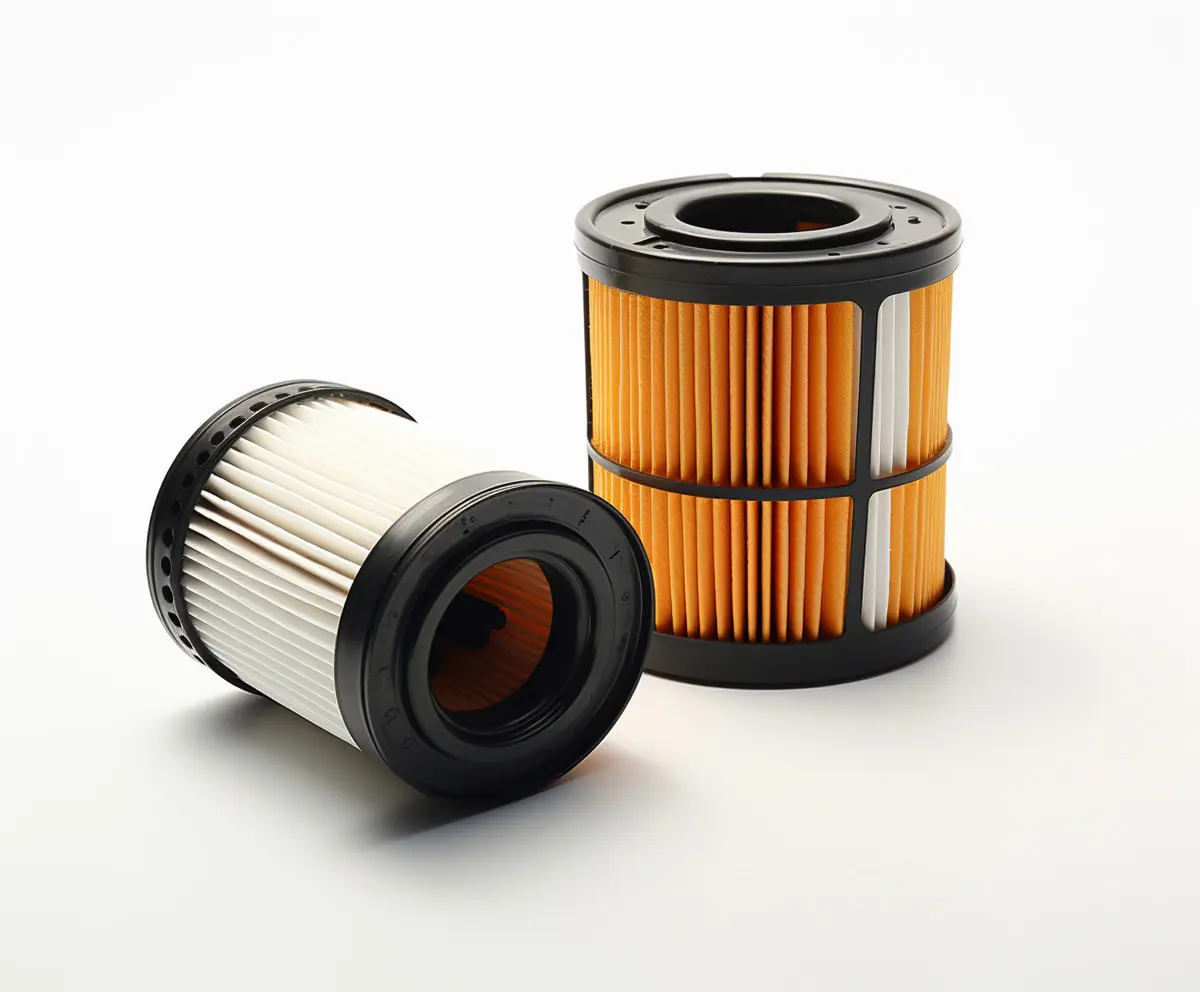 Products
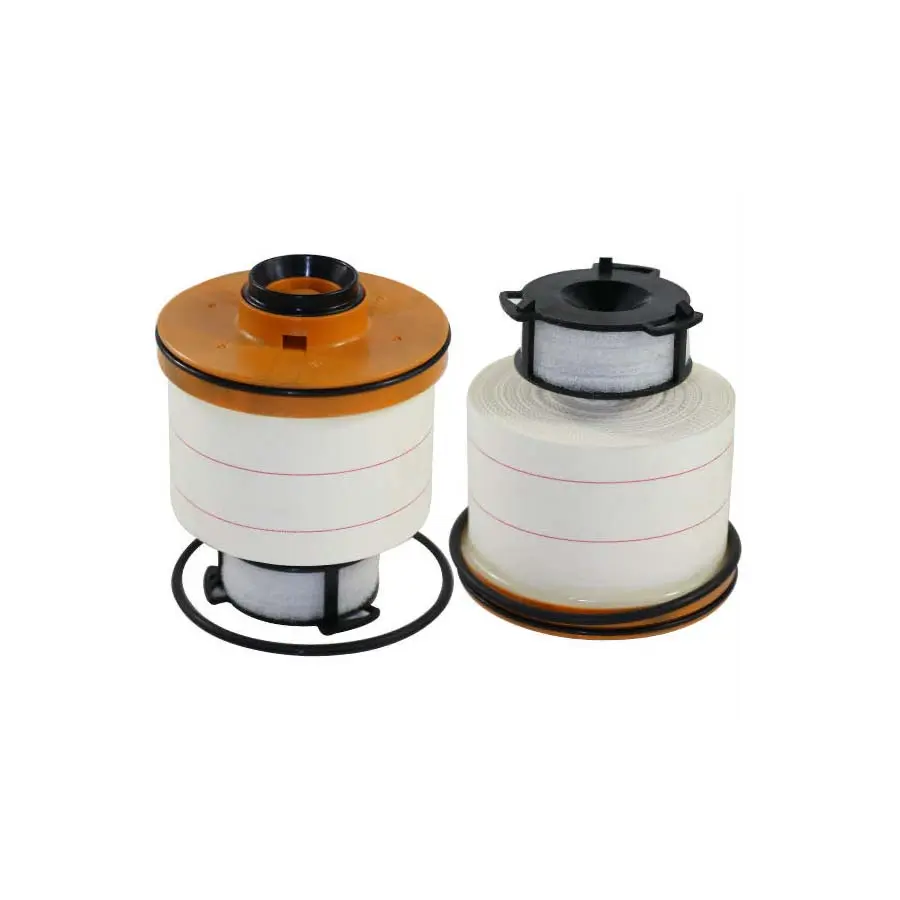 FUEL FILTER
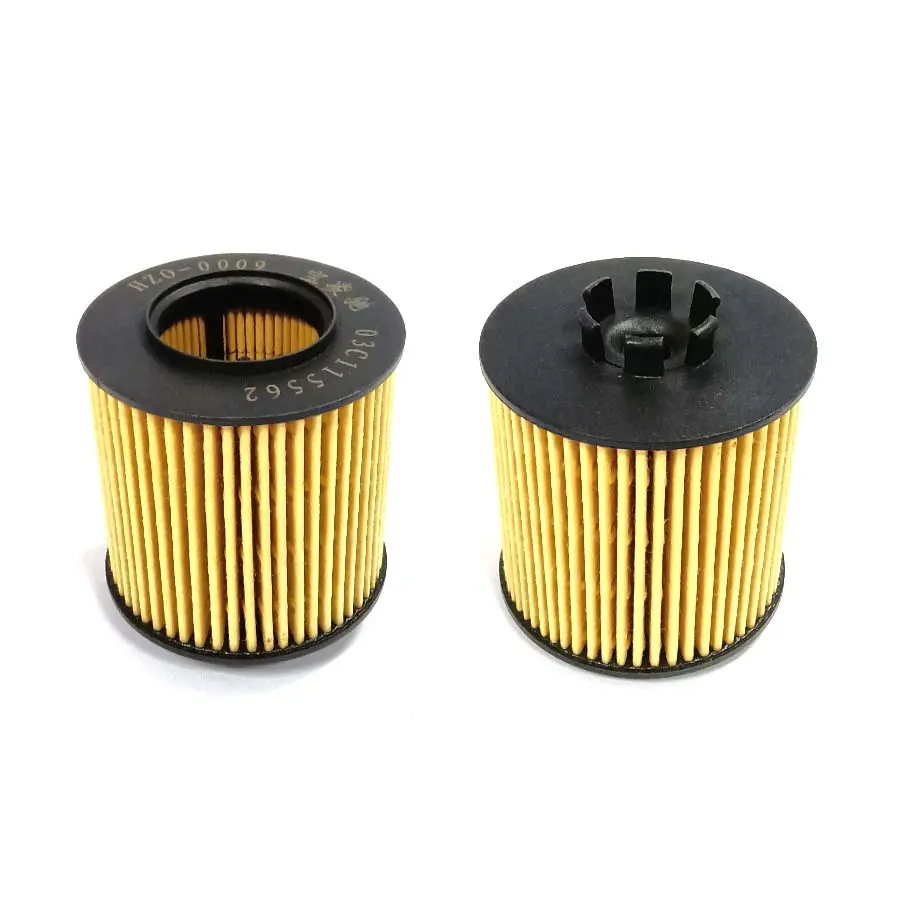 OIL ELEMENT FILTER
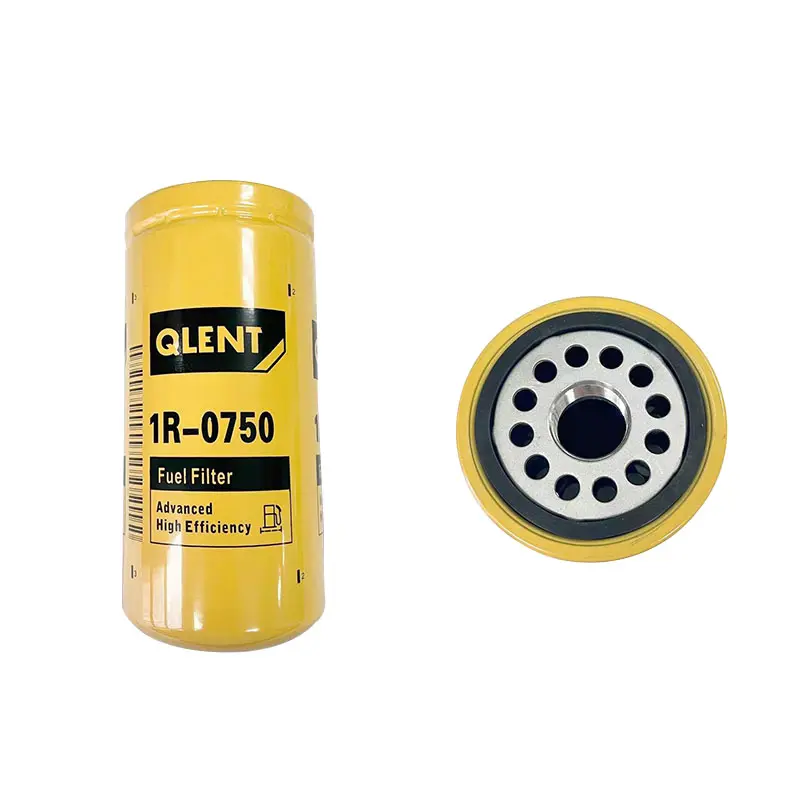 OIL FILTER
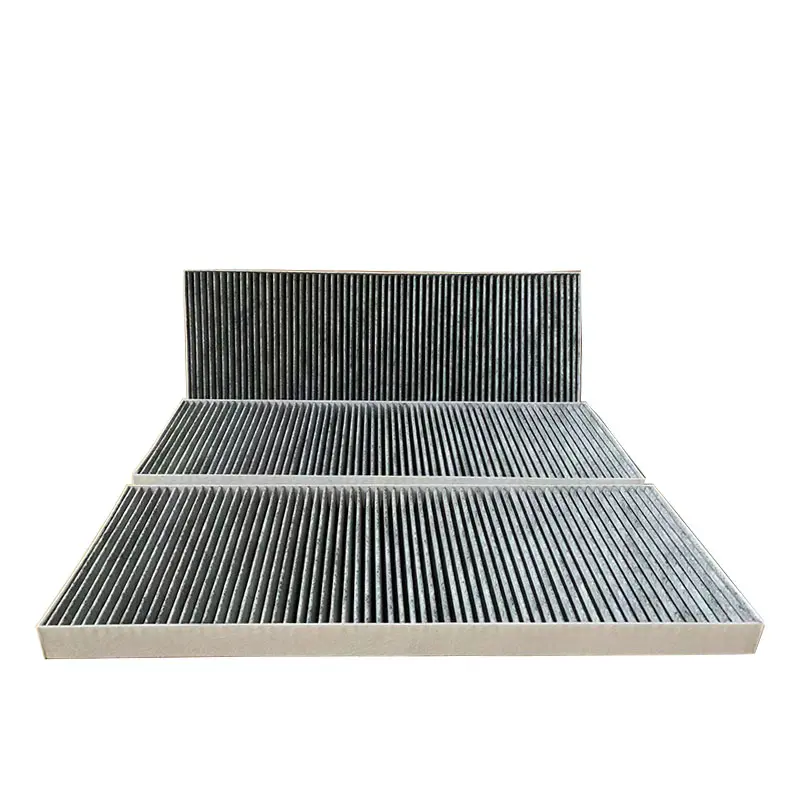 CABIN FILTER
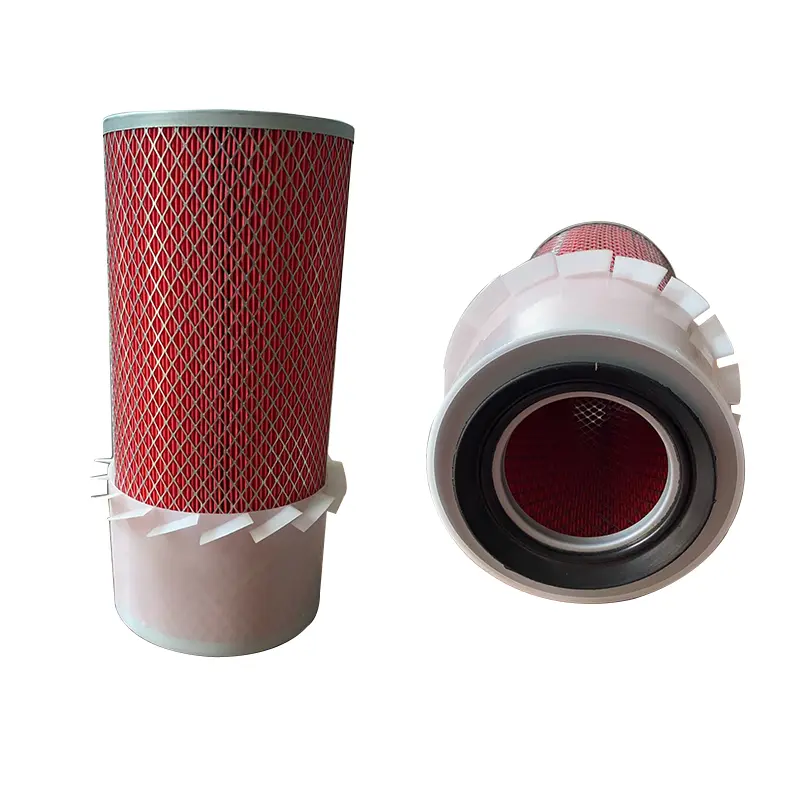 AIR FILTER