Essential Tips for Choosing the Right Automotive Filter for Your Vehicle
When it comes to maintaining the performance and longevity of your vehicle, selecting the appropriate automotive filter is crucial. According to Dave Johnson, a well-respected expert in the automotive filter industry, "Choosing the right automotive filter is not just about quality; it's about ensuring your vehicle operates at its best." With the wide variety of filters available, from air filters to oil filters, the decision can often feel overwhelming.
Understanding the specific functions and benefits of each automotive filter can significantly impact your vehicle's efficiency and health. A suitable air filter, for instance, can enhance engine performance by ensuring that the engine receives clean air for combustion. Similarly, the right oil filter plays a vital role in maintaining clean oil circulation, which is essential for protecting your engine from wear and tear.
In this guide, we will explore essential tips for selecting the right automotive filter tailored to your vehicle's needs. By considering factors such as the type of vehicle, driving conditions, and filter specifications, you'll be better equipped to make an informed decision that keeps your vehicle running smoothly for years to come.

Understanding the Different Types of Automotive Filters Available
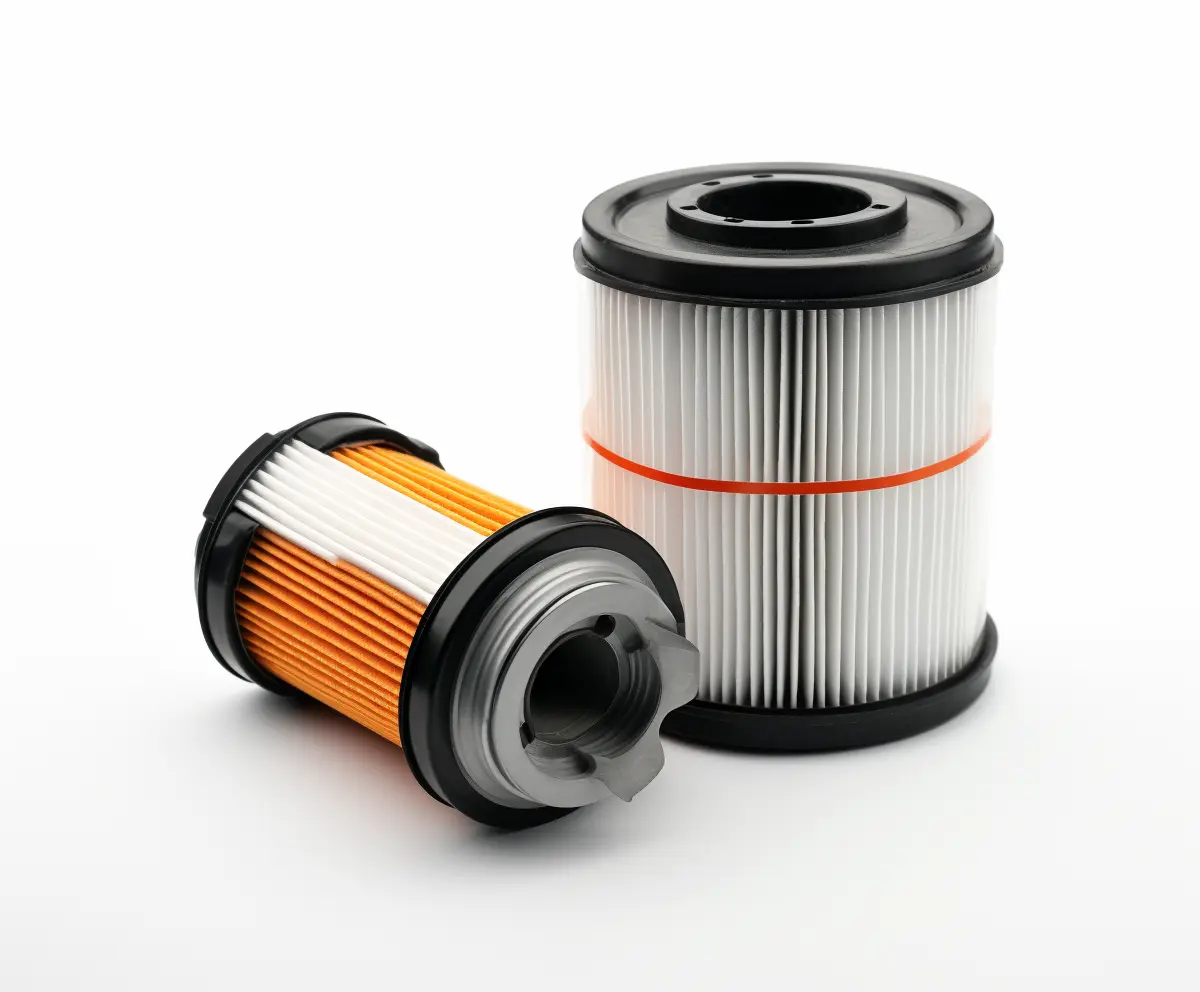
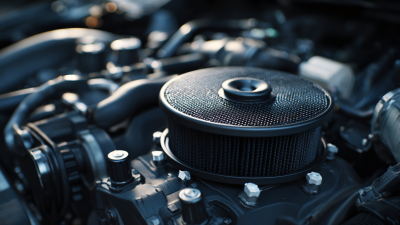
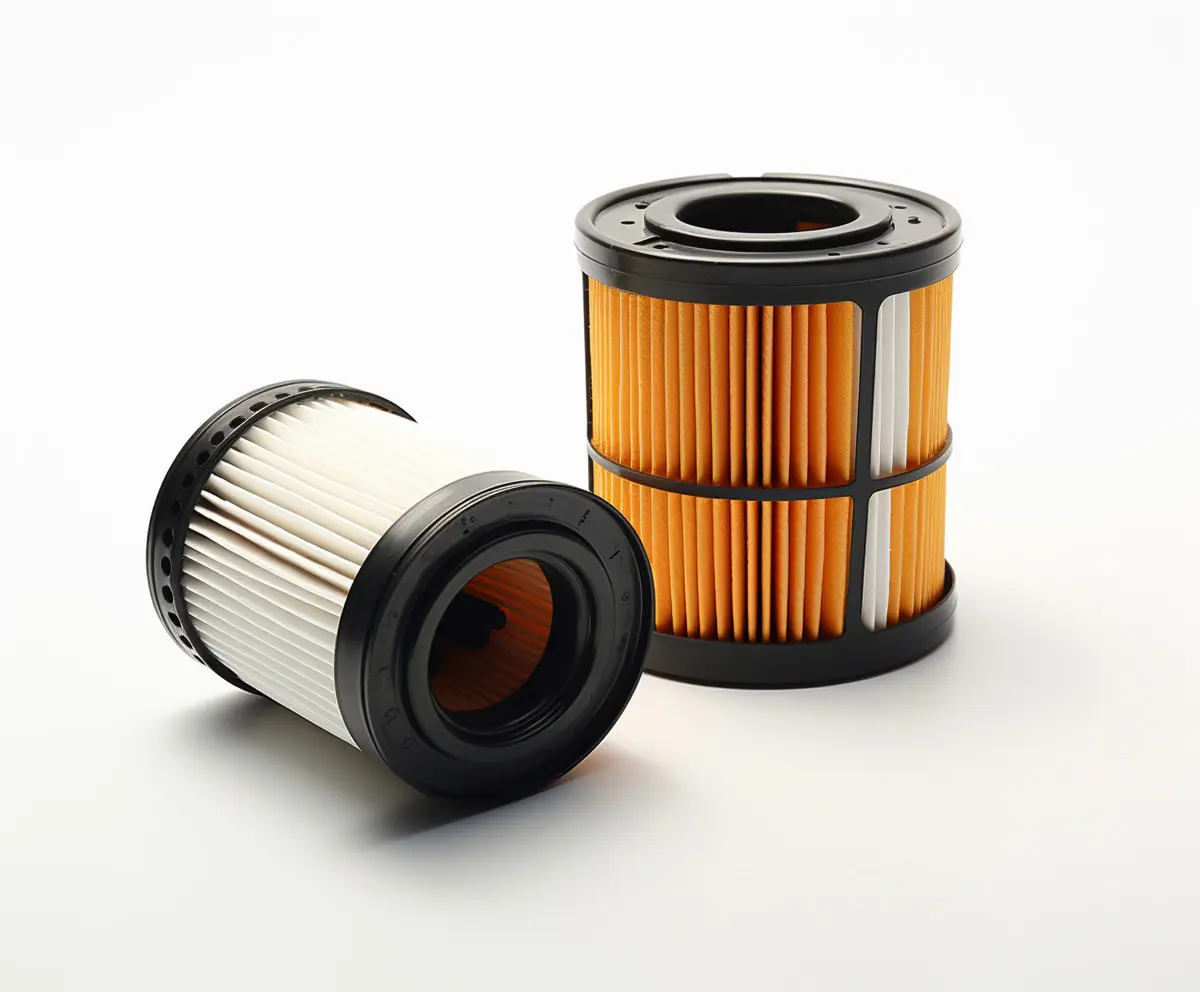
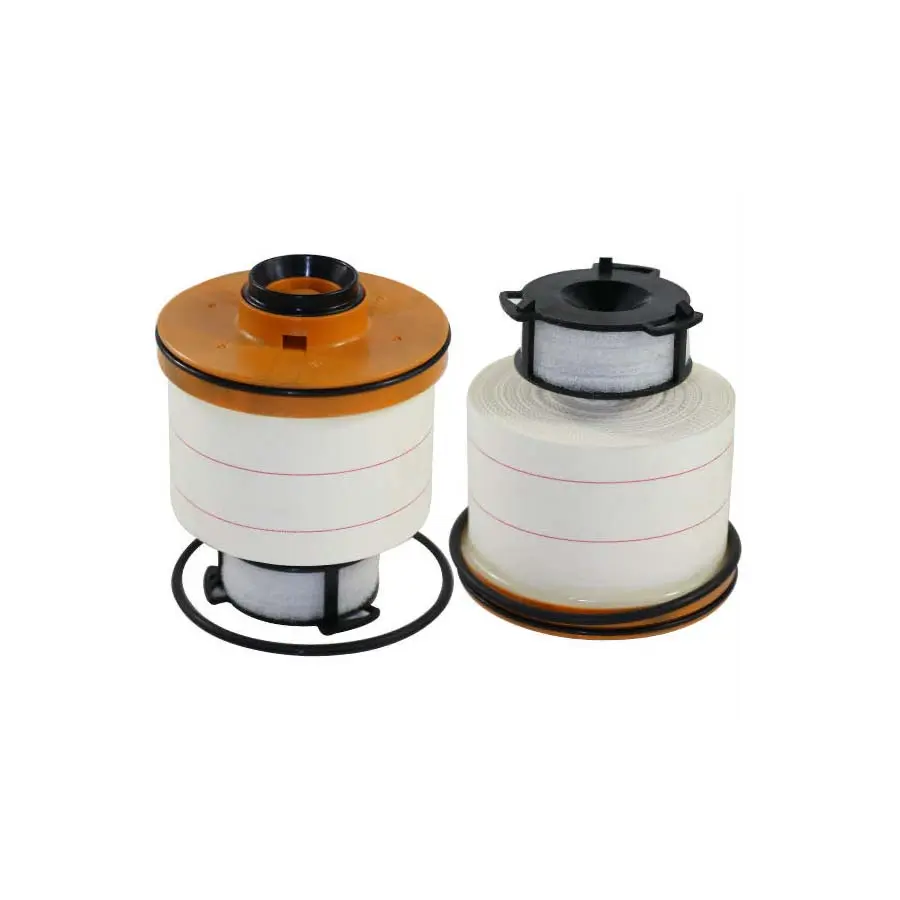
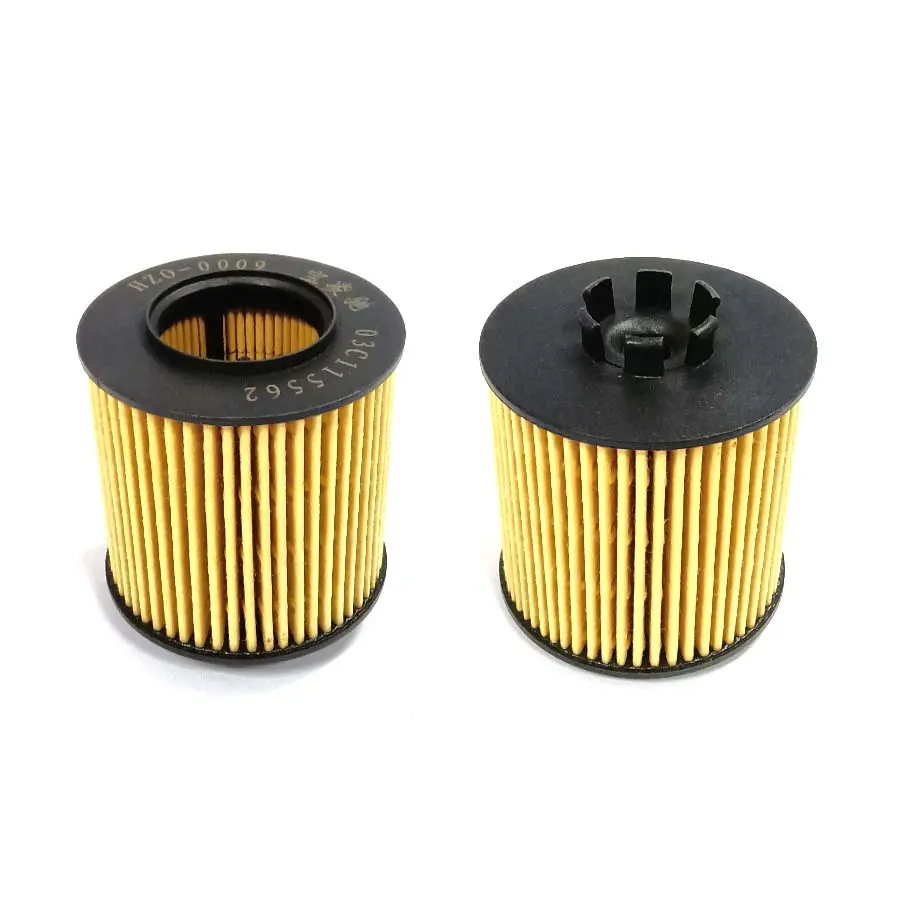
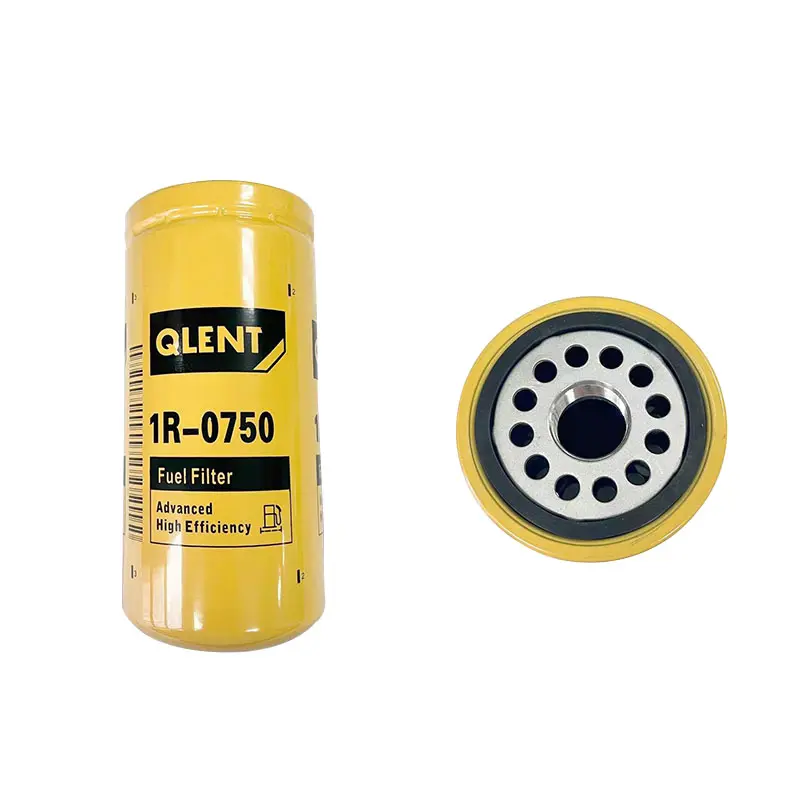
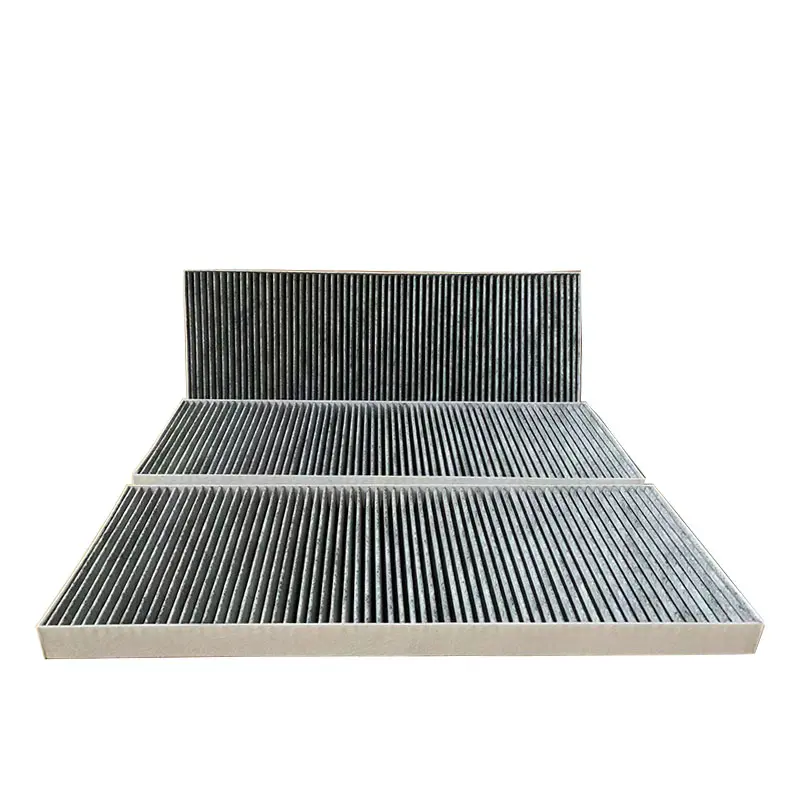
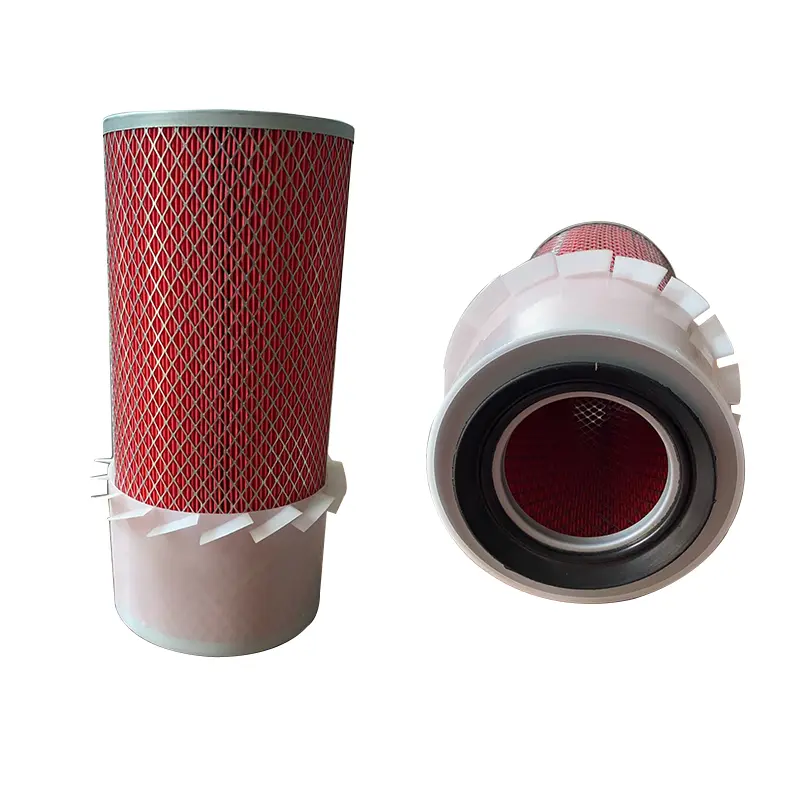
When it comes to automotive filters, understanding the various types available can make a significant difference in vehicle performance and longevity. The primary categories include air filters, oil filters, fuel filters, and cabin filters, each serving a unique purpose. Air filters are crucial for maintaining engine efficiency by ensuring clean air intake, while oil filters keep the engine oil free from contaminants, promoting engine lubrication and reducing wear. Fuel filters play a vital role in keeping the fuel system clean, preventing impurities from damaging the engine components. Lastly, cabin filters improve air quality inside the vehicle, trapping dust, allergens, and pollutants.
When choosing the right automotive filter, consider the specific needs of your vehicle and driving conditions. One tip is to review your vehicle’s manual for recommendations on filter types and replacement schedules. Additionally, inspecting your filters regularly can help you determine when they need replacement, ensuring optimal performance. Another helpful tip is to consider the environmental conditions where you drive; for example, if you often drive in dusty areas, you may need to replace your air filter more frequently. By understanding these different filters and how they work, you can make informed decisions that enhance your vehicle's efficiency and comfort.
Essential Tips for Choosing the Right Automotive Filter for Your Vehicle
| Filter Type |
Function |
Maintenance Frequency |
Signs of Damage |
| Oil Filter |
Cleans engine oil |
Every 3,000 - 5,000 miles |
Oil leaks, reduced oil pressure |
| Air Filter |
Filters air entering the engine |
Every 15,000 - 30,000 miles |
Reduced engine performance, odd sounds |
| Fuel Filter |
Cleans fuel before it enters the engine |
Every 20,000 - 30,000 miles |
Poor acceleration, engine stalling |
| Cabin Air Filter |
Filters air inside the vehicle |
Every 15,000 - 25,000 miles |
Unpleasant odors, reduced airflow |
Factors to Consider When Choosing an Automotive Filter
When selecting an automotive filter for your vehicle, there are several key factors to consider to ensure optimal performance and longevity.
First, understanding the type of filter required is crucial. Automotive filters come in various forms, including
oil filters, air filters, and fuel filters,
each serving a specific purpose in maintaining your vehicle’s health. Consult your owner’s manual or a trusted mechanic to confirm the
appropriate filter type for your make and model.
Another important factor is the filter's compatibility with your vehicle’s engine specifications.
Look for filters designed to fit your engine type and take note of the filtration efficiency rating. A higher rating
typically implies better dirt-holding capacity and improved filtration, which can lead to enhanced performance and efficiency. Additionally, consider the
environment in which you drive; for example, if you frequently navigate dusty or polluted areas, it may be wise to opt for a more robust air filter
that can better protect your engine from contaminants.
Lastly, price and quality should also play a role in your decision-making process. While cheaper options may seem
appealing, investing in high-quality filters can ultimately save you money on maintenance and repairs in the long run. Research and compare filters
based on material, construction, and performance reviews, ensuring you choose a filter that provides the best balance between
cost and effectiveness for your vehicle’s needs.
How to Identify the Correct Filter Size for Your Vehicle
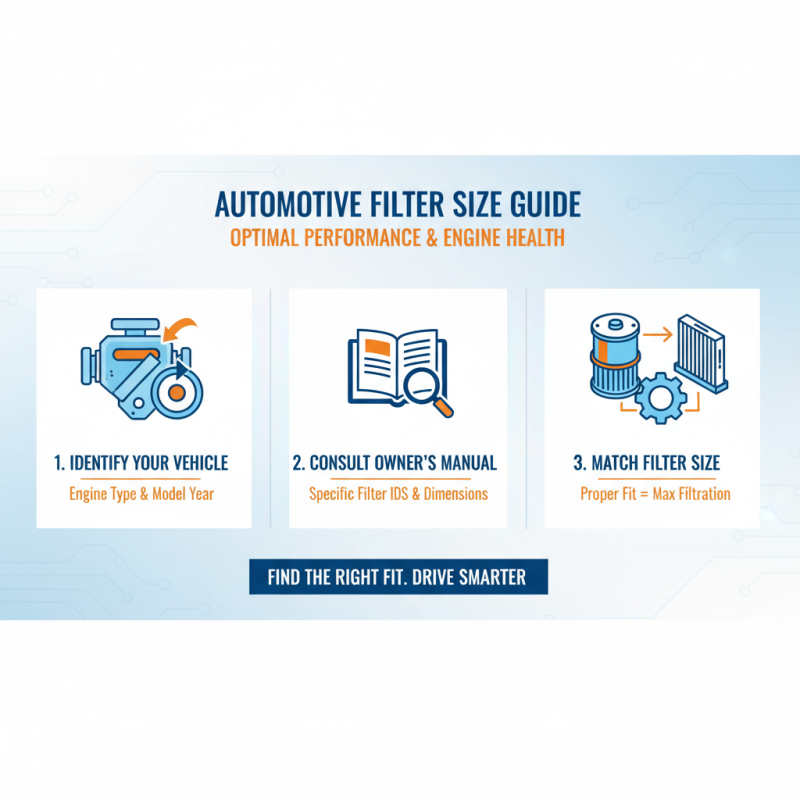
When it comes to selecting the right automotive filter for your vehicle, identifying the correct filter size is crucial for optimal performance. Different vehicles require specific filter sizes that match their engine specifications, ensuring that the filter can effectively trap contaminants and maintain engine health. To find the right size, start by consulting your vehicle's owner manual, which typically includes detailed information about the necessary filters. This resource serves as a reliable guide to help you narrow down your options.
In addition to the owner manual, using measurement tools can also be beneficial. If you're replacing an existing filter, take note of its dimensions, including the diameter and length. This way, you can accurately match the size with available filters. Furthermore, many automotive parts stores provide assistance and resources online, allowing you to input your vehicle's make, model, and year to find the exact filter specifications. Remember, choosing the correct filter size not only enhances your vehicle's efficiency but also safeguards its longevity.
The Importance of OEM vs. Aftermarket Filters
When selecting an automotive filter for your vehicle, one of the critical considerations is whether to opt for Original Equipment Manufacturer (OEM) filters or aftermarket alternatives. OEM filters are designed and produced by the vehicle manufacturer, ensuring that they meet specific performance standards and compatibility with your car's engine and systems. This often translates to reliable filtration, maintaining vehicle performance, and potentially prolonging engine life. They are tested under rigorous conditions, providing peace of mind to owners who prioritize quality and specifications.
On the other hand, aftermarket filters can offer a more cost-effective solution, with a wide range of options available. Some aftermarket products may even outperform OEM filters in specific applications, thanks to improved materials or designs. However, not all aftermarket filters are created equal; the variability in quality means that meticulous research is essential to ensure they meet proper specifications.
Balancing cost, performance, and quality is vital, as opting for inferior aftermarket filters can lead to filtration inefficiencies and potentially costly engine damage over time. Therefore, owners should weigh the long-term implications of their choice, considering both performance and budget when selecting the right automotive filter.
Maintaining and Replacing Automotive Filters for Optimal Performance
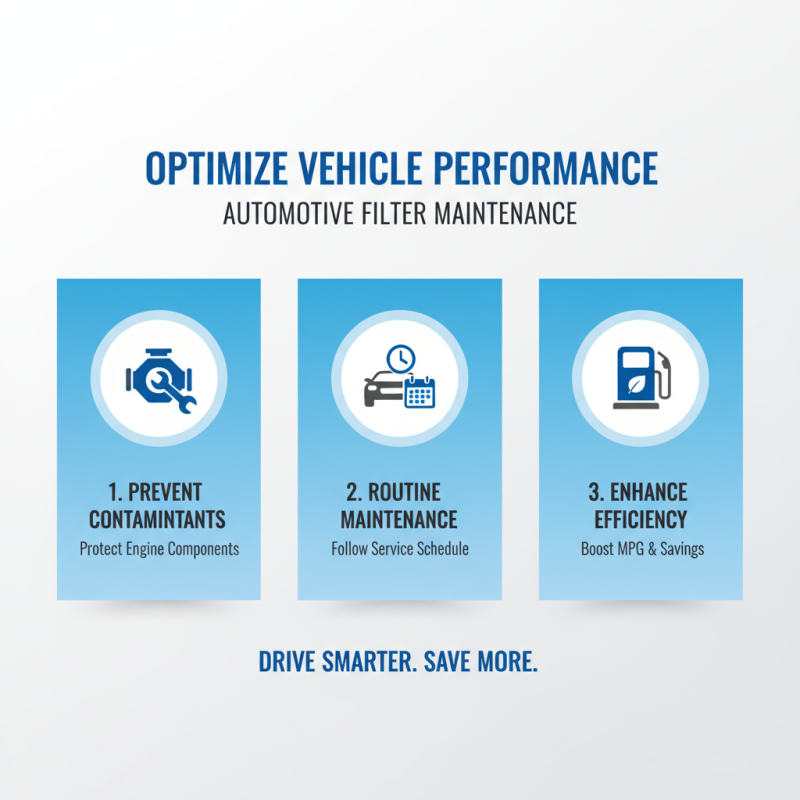
Maintaining and replacing automotive filters is crucial for ensuring your vehicle operates at peak performance. Filters play a vital role in preventing contaminants from entering critical engine components, which can lead to reduced efficiency and costly repairs. It's essential to develop a routine maintenance schedule for your filters, following your vehicle owner's manual for recommended service intervals. Regularly checking your filters will not only enhance your vehicle's performance but also improve fuel efficiency, leading to savings at the pump.
When it comes to replacing filters, consider these tips for choosing the right options. Firstly, always opt for filters that meet or exceed the original specifications for your vehicle. This ensures compatibility and maintains optimal airflow and filtration. Additionally, pay attention to the type of filter you need—whether it's the air filter, fuel filter, or oil filter—since each serves a specific function in your vehicle's operation. Lastly, don't hesitate to consult with automotive professionals if you're uncertain, as they can provide insights tailored to your vehicle's needs. Remember, investing in quality filters is key to prolonging your engine's lifespan and enhancing its overall performance.

 Products
 FUEL FILTER
 OIL ELEMENT FILTER
 OIL FILTER
 CABIN FILTER
 AIR FILTER