Effective Tips to Choose the Right Spin On Filter for Your Needs
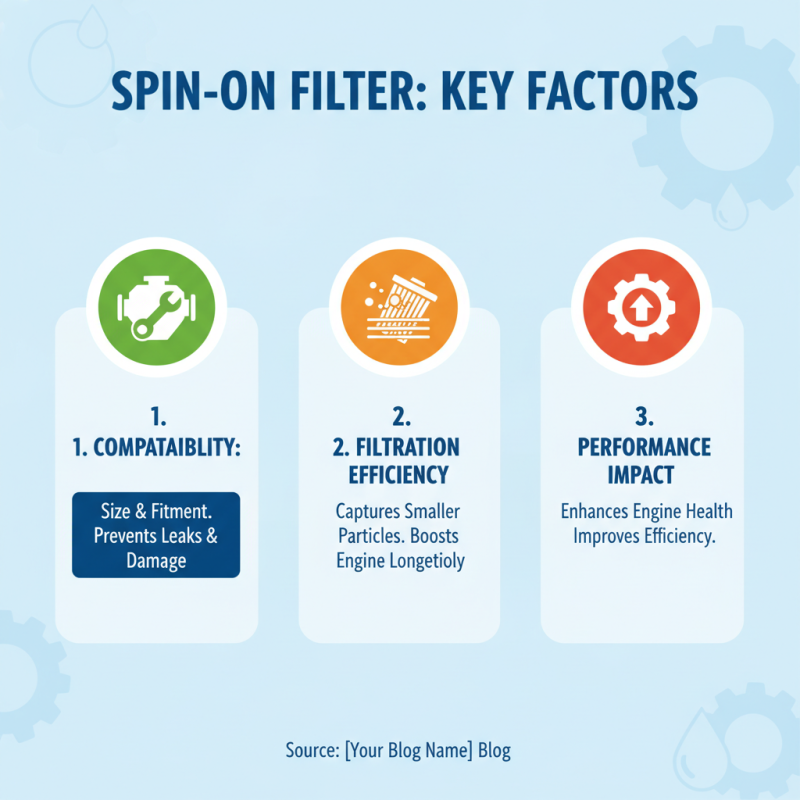
Choosing the right Spin On Filter can significantly impact your vehicle's performance. According to industry expert John Smith, "A well-chosen filter ensures optimal engine health." This principle applies to everyone looking to maintain their cars efficiently. With numerous options available, picking the right filter might seem daunting.
Expertise is crucial when navigating the variety of filters. Each Spin On Filter serves different purposes and functionalities. For instance, some filters excel in certain engine types, while others may not. Understanding the filter's specifications is essential for ensuring compatibility with your vehicle.
There are common mistakes to avoid when selecting a Spin On Filter. Ignoring manufacturer recommendations can lead to issues. Also, price should not be the only determining factor. An inexpensive filter might compromise quality. Reflecting on these aspects will make your selection process smoother. Aim for a reliable filter that fits both your budget and your vehicle's requirements.
Understanding the Different Types of Spin On Filters Available
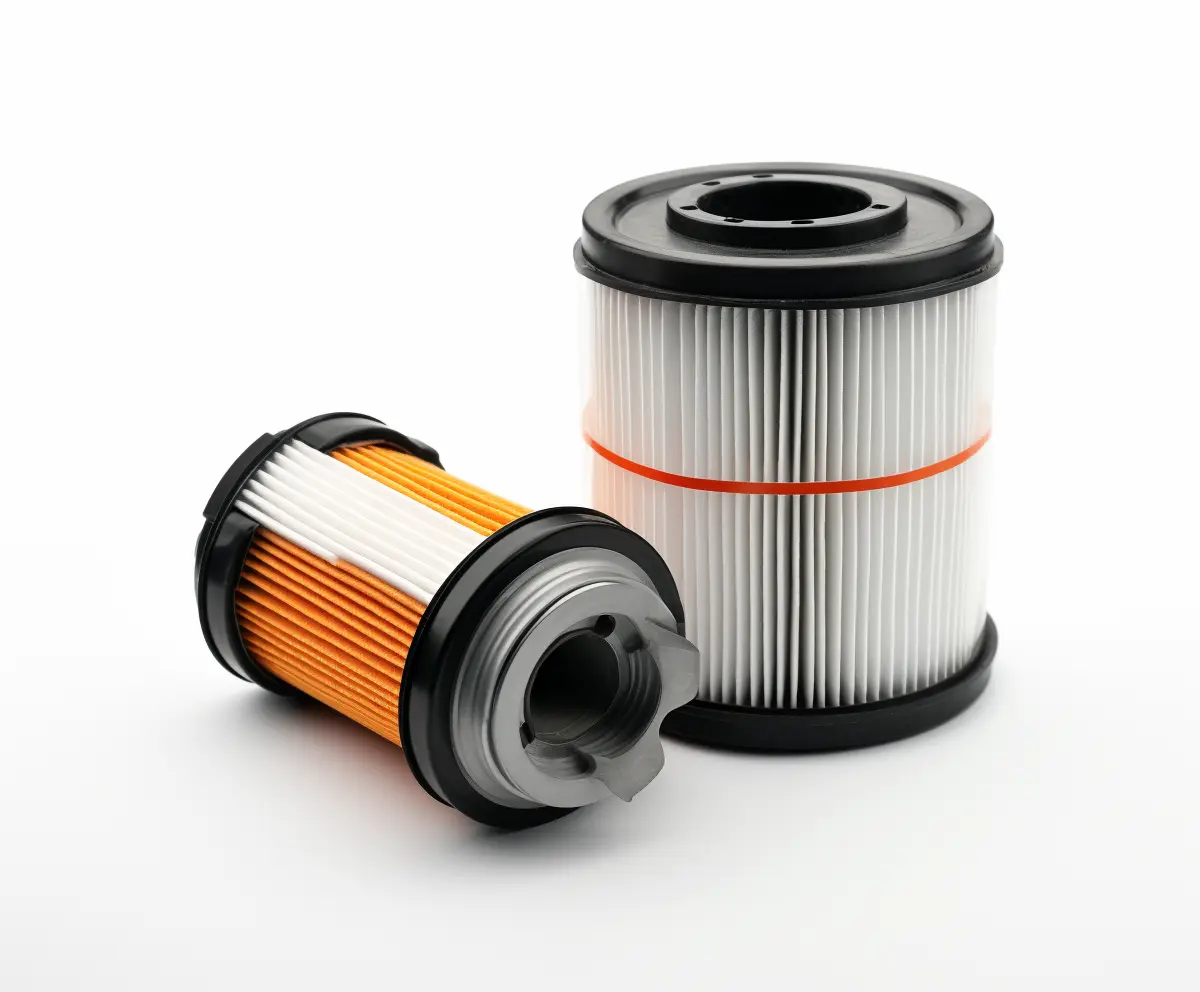
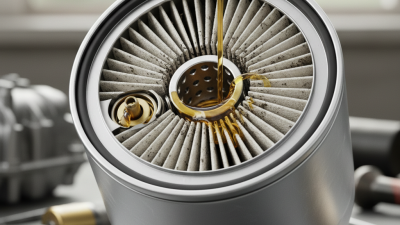
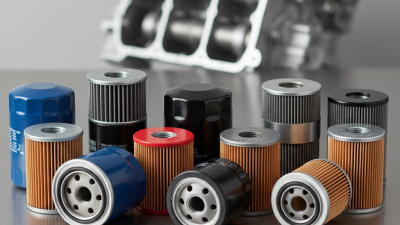
When choosing the right spin-on filter, it’s crucial to understand the various types available. Spin-on filters primarily come in two categories: oil filters and fuel filters. Oil filters remove impurities from engine oil. This helps maintain engine performance and longevity. Fuel filters, on the other hand, clean the fuel before it reaches the engine. They ensure optimal fuel flow and efficiency.
In addition to these primary types, filters can also vary based on their construction. Some filters use paper elements, while others utilize synthetic materials. The choice of material can affect filtration efficiency and lifespan. Regular maintenance is essential. Neglecting to replace a filter can lead to engine problems. It's essential to assess your vehicle's specific needs, which may vary based on driving conditions.
Considerations such as your local climate, driving habits, and the age of your vehicle can influence filter performance. A filter that works well for one situation may not be ideal for another. It’s important to stay informed and reflect on these factors to make an educated choice. Don't hesitate to consult with a professional if in doubt. Having a knowledgeable source can lead to a better purchase decision.
Effective Tips to Choose the Right Spin On Filter for Your Needs
This chart displays the popularity of different types of spin on filters based on units sold. By understanding the sales data, users can make informed decisions when choosing the right spin on filter for their specific needs.
Key Factors to Consider When Choosing a Spin On Filter
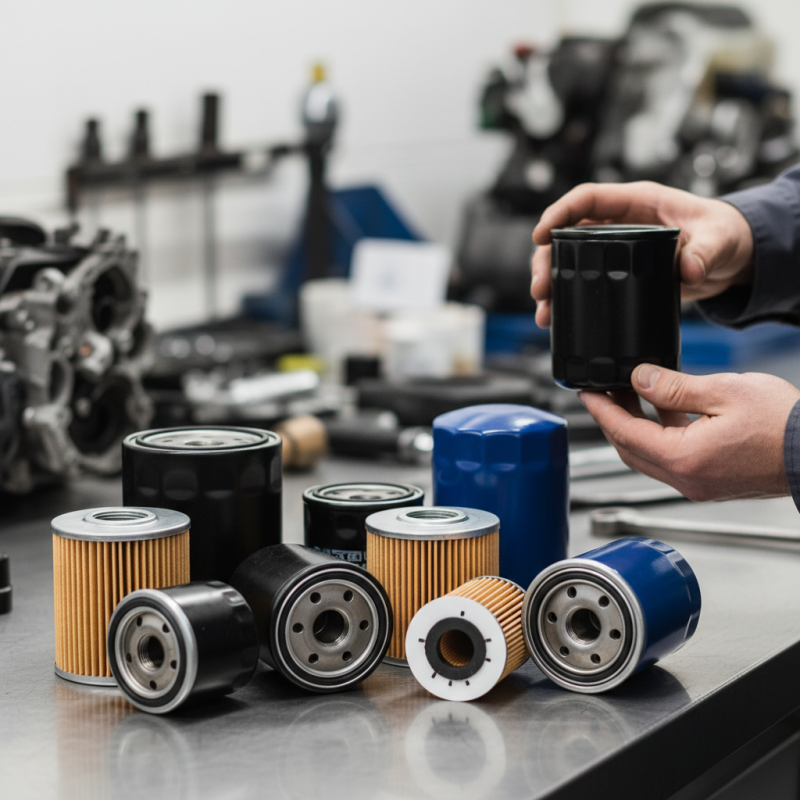
Choosing the right spin-on filter can significantly impact your engine's performance. Start by considering the filter's compatibility with your vehicle. Check the size and fitment, as improper installation can lead to leaks and costly damage. Take note of the filtration efficiency, as some filters can capture smaller particles better than others. This contributes to engine longevity and efficiency.
Next, assess the filter's construction quality. Look for robust materials that withstand harsh conditions. Paper elements may be inexpensive but can fail under extreme stress. A filter with a metal canister offers better durability. Additionally, pay attention to the filter's flow rate. High flow rates are essential for optimal oil circulation. However, ensure that the filter still traps impurities effectively.
Some users overlook maintenance practices. Regularly changing the filter, as per manufacturer guidelines, is crucial. Neglecting this can cause buildup and engine harm. Explore features such as anti-drain-back valves, which prevent oil from draining back into the sump. This ensures that your engine gets proper lubrication during startup, an often-missed detail that can impact performance.
Evaluating Your Specific Needs for Filter Compatibility
When evaluating your specific needs for filter compatibility, it’s crucial to consider the environment in which the filter will be used. Consider where the filter will be installed. Factors like humidity, temperature, and potential contaminants can influence your choice. For instance, a filter designed for high humidity may not perform well in drier conditions. This aspect often requires careful analysis to avoid costly replacements.
Next, assess the intended application of the filter. Different scenarios demand various features. A filter used in an industrial setting might need to handle larger particles compared to one for home use. Reflecting on how often the filter will be changed or cleaned can also guide your decision. Regular maintenance is essential, and compatibility with maintenance schedules can affect overall efficiency.
In addition, seek recommendations or expert opinions. Engaging with industry professionals can provide insights that specifications alone might not reveal. Consider the long-term implications of your choice. It’s easy to be swayed by marketing claims, but true performance stems from real-world use. Evaluating multiple filters against your requirements will help you find the most suitable option. Keeping all these aspects in mind can lead to a more informed decision.
Analyzing Performance Specifications and Ratings of Filters
When choosing a spin-on filter, analyzing performance specifications is essential. Look for metrics like filtration efficiency and flow rate. A study by the Society of Automotive Engineers highlighted that filters with over 95% efficiency can significantly reduce engine wear. However, increased efficiency often leads to higher resistance. Balancing filtration and flow is crucial.
Not all filters have the same ratings. Some may excel in certain conditions but fall short under others. For instance, multi-layered filters typically provide better dirt-holding capacity. Yet, they can become clogged more quickly in dusty environments. Understanding the environment where the filter operates is vital for optimal performance.
Data from the Institute of Environmental Sciences and Technology shows that filters with longer service life can save costs over time. Still, some options may not meet specific vehicle needs. Relying solely on marketing claims can be misleading. It's wise to consult technical specifications and user reviews. Always seek filters that align with your operational requirements for the best long-term results.
Effective Tips to Choose the Right Spin On Filter for Your Needs
| Filter Type |
Micron Rating |
Flow Rate (GPM) |
Operating Temperature (°F) |
Pressure Drop (PSI) |
Expected Lifespan (Months) |
Rating (1-5 stars) |
| Pleated Filter |
5 Micron |
10 GPM |
40 - 100 |
2 PSI |
12 |
4 |
| String Wound Filter |
10 Micron |
12 GPM |
30 - 80 |
3 PSI |
9 |
3 |
| Carbon Block Filter |
5 Micron |
8 GPM |
40 - 90 |
1.5 PSI |
6 |
5 |
| Sediment Filter |
20 Micron |
15 GPM |
40 - 120 |
4 PSI |
10 |
4 |
| Reverse Osmosis Filter |
0.0001 Micron |
3 GPM |
50 - 100 |
5 PSI |
24 |
5 |
Budget Considerations and Cost-Effectiveness of Spin On Filters
When evaluating spin-on filters, budget considerations are crucial. The price of these filters can vary widely. According to a recent industry report, the average cost ranges from $8 to $30 per filter. This wide range can impact your overall maintenance budget significantly. Choosing a cheaper filter might save money initially but could lead to higher costs in the long run due to reduced efficiency.
Consider the cost-effectiveness of each option. Higher-quality filters often provide better filtration and longer service life. According to studies, premium spin-on filters can improve engine performance by up to 15%. This performance improvement translates to better fuel efficiency and potentially lower maintenance costs. However, the initial investment may seem daunting.
Reflect on your usage patterns. If your vehicle undergoes heavy use or harsh conditions, investing in a quality filter is wise. Conversely, infrequent use may not justify the higher cost. Thus, the choice of a spin-on filter should align with your specific needs. Balancing price, quality, and usability can be challenging. Always research and compare different options before making a decision.

 Products
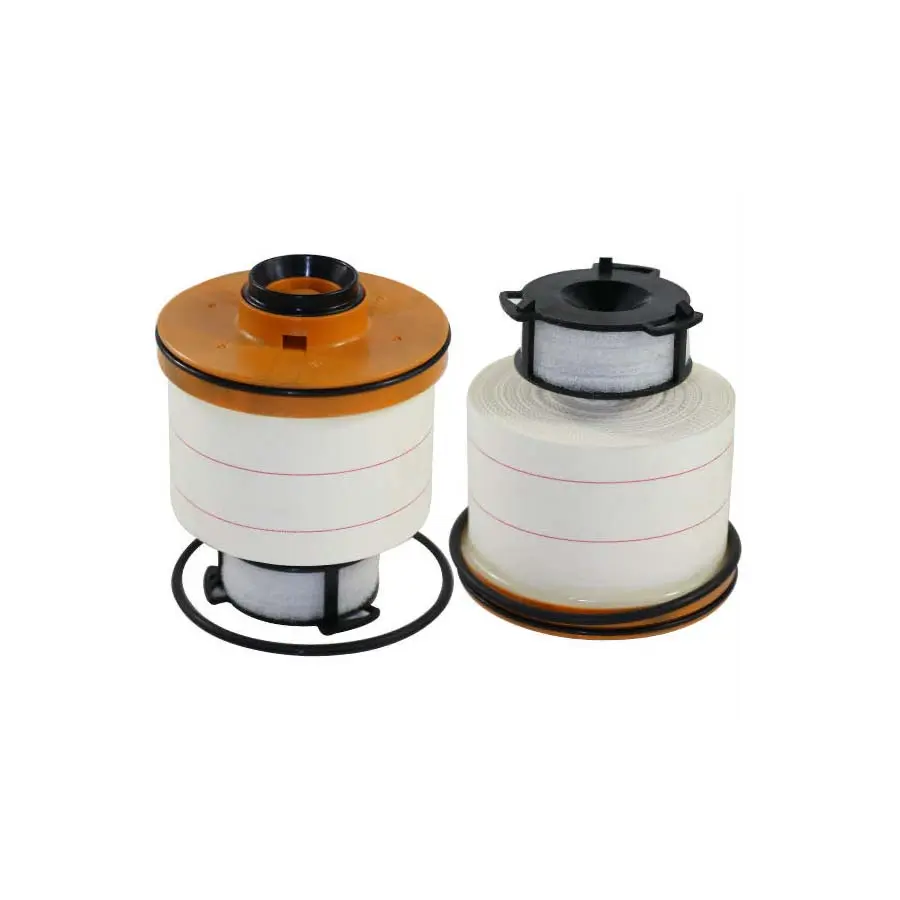 FUEL FILTER
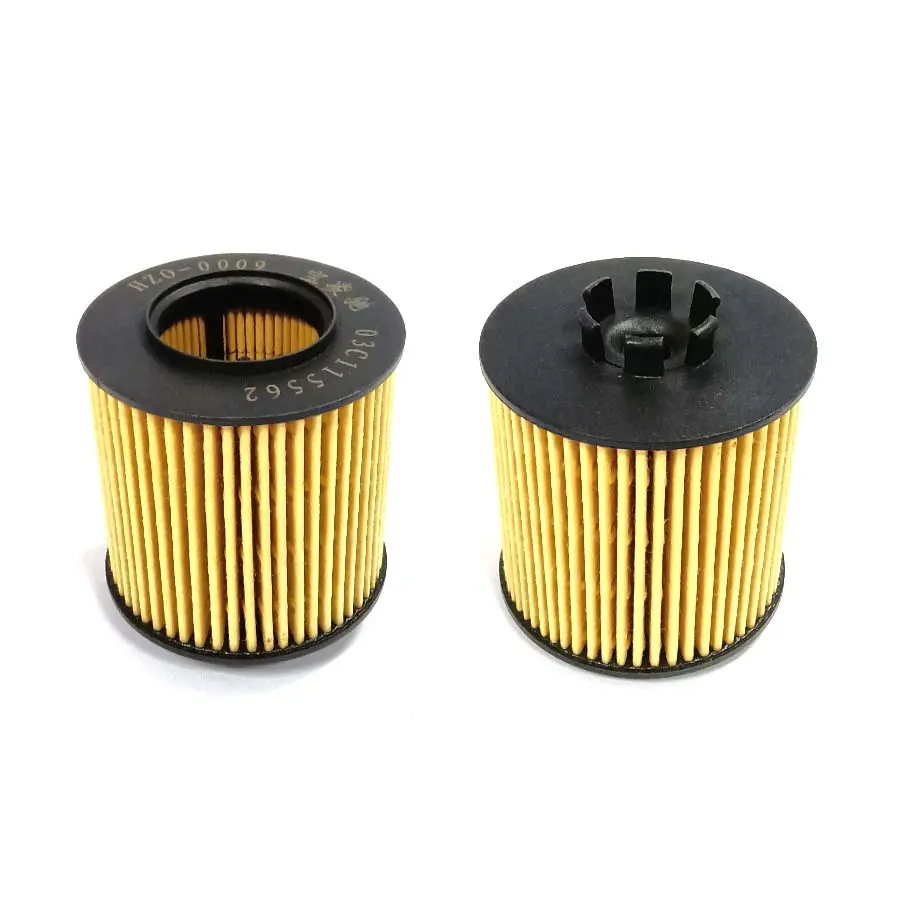 OIL ELEMENT FILTER
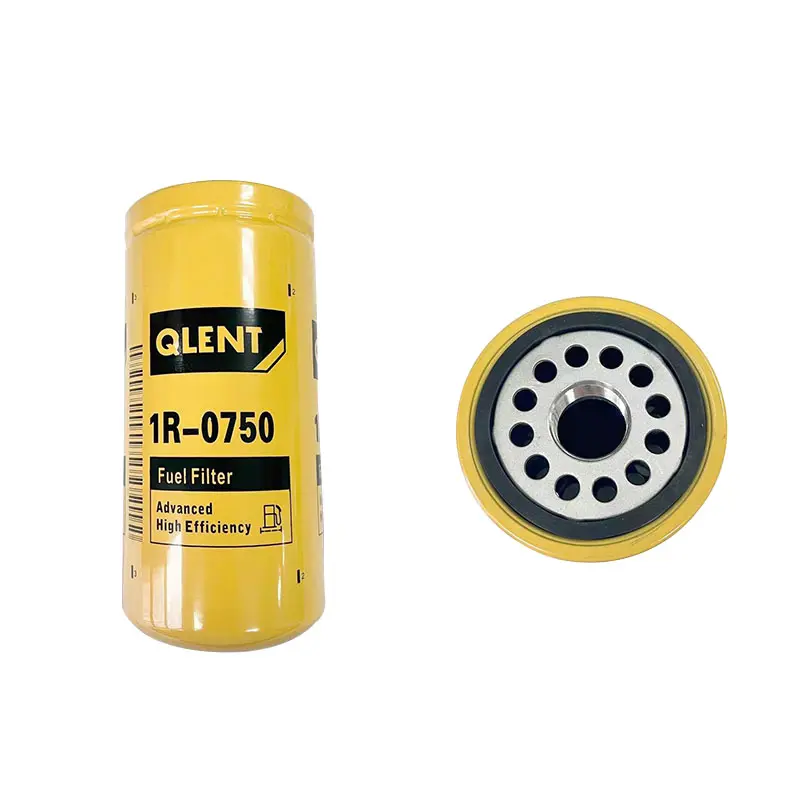 OIL FILTER
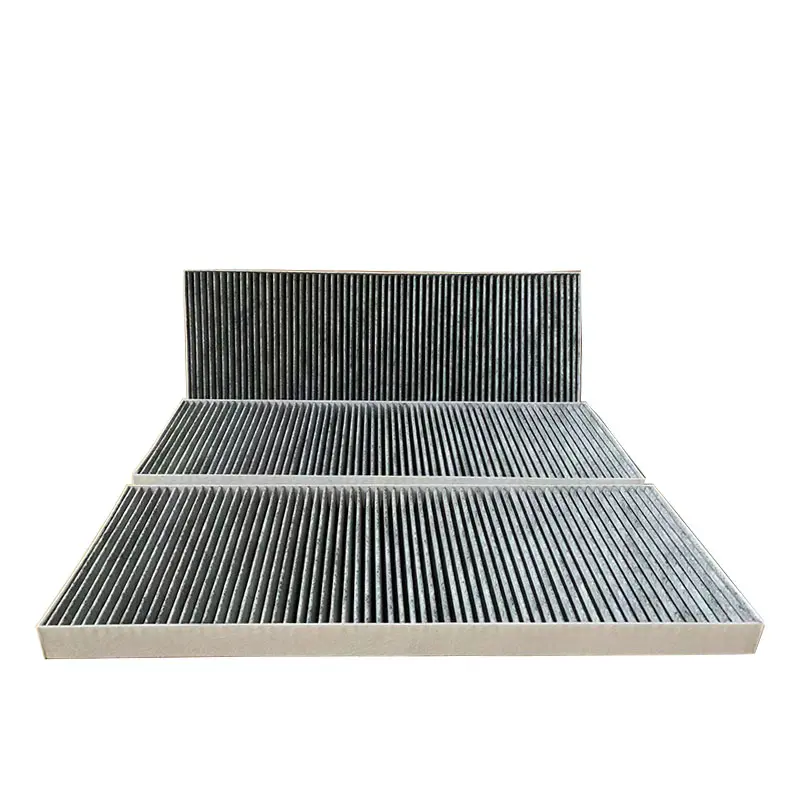 CABIN FILTER
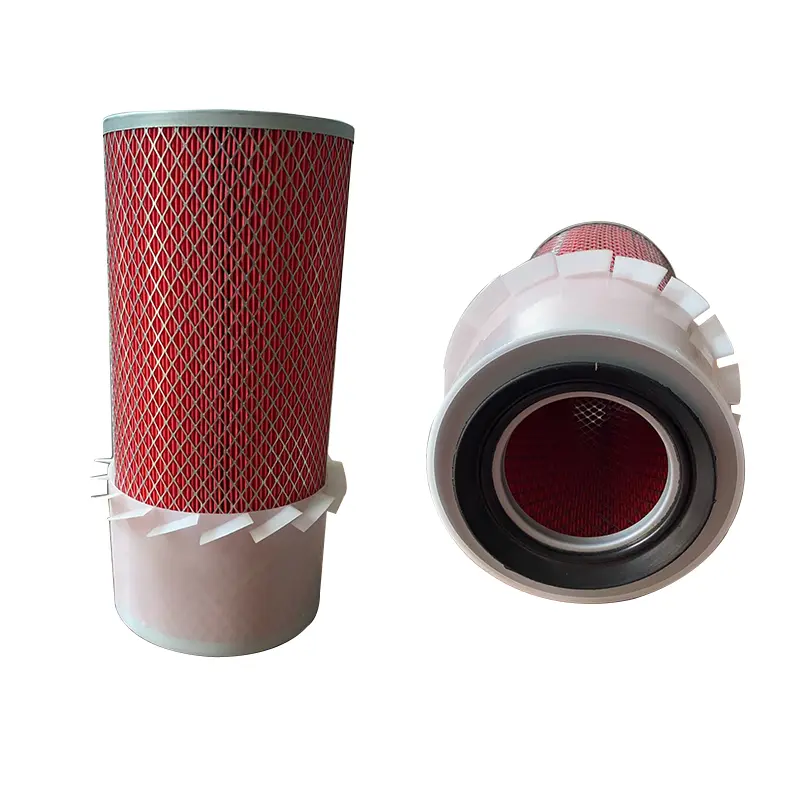 AIR FILTER