Top 10 Oil Filters for Superior Engine Protection and Performance?
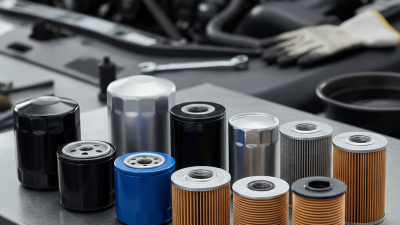
When it comes to automotive maintenance, the importance of an effective oil filter cannot be overstated. Oil filters play a critical role in safeguarding engine performance by removing contaminants from the engine oil. According to a report by the Society of Automotive Engineers, approximately 10% of engine wear can be attributed to inadequate filtration. This highlights the need for high-quality oil filters.
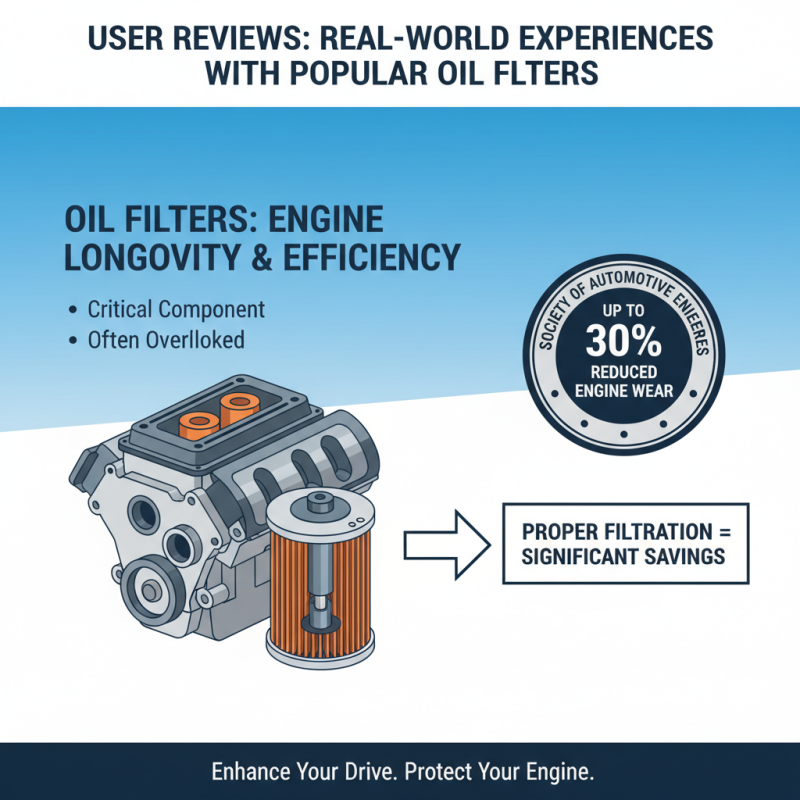
Selecting the right oil filter is integral to maintaining the longevity and efficiency of your engine. A premium oil filter can remove particulates as small as 20 microns, ensuring cleaner oil circulates throughout the system. Neglecting this component could lead to increased engine wear and potential failure. Studies suggest that using high-performance oil filters can improve engine life by up to 60%.
However, not all oil filters deliver the same results. Some may fail to meet the claimed filtration standards. It's crucial to evaluate filters based on their construction and filtration capacity. Many consumers are unaware that the choice of oil filter can directly impact their vehicle's performance. Therefore, understanding the various options available is essential for making an informed decision.
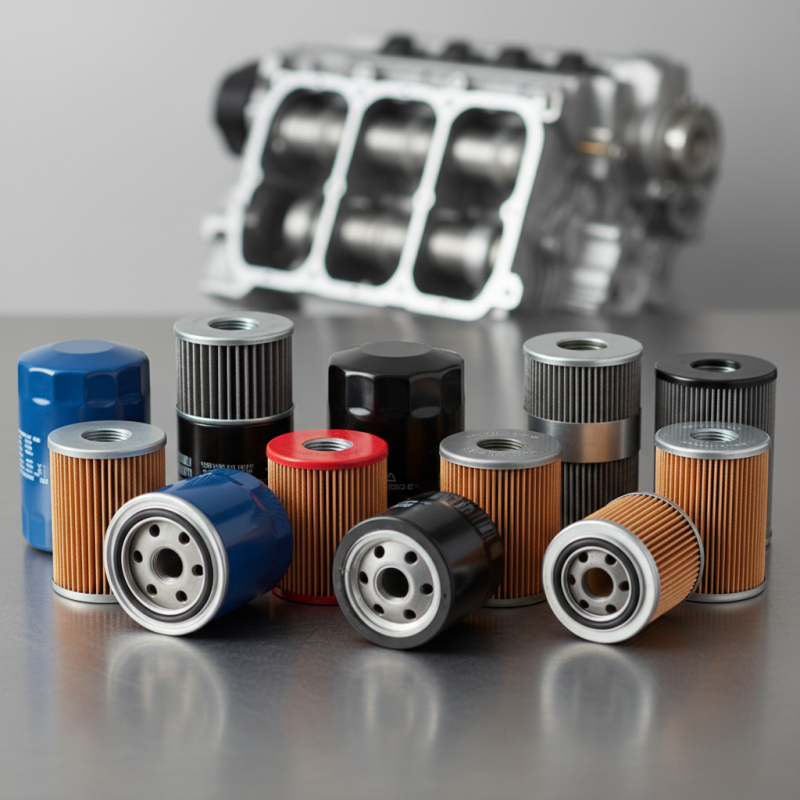
Understanding the Importance of Oil Filters for Engine Health
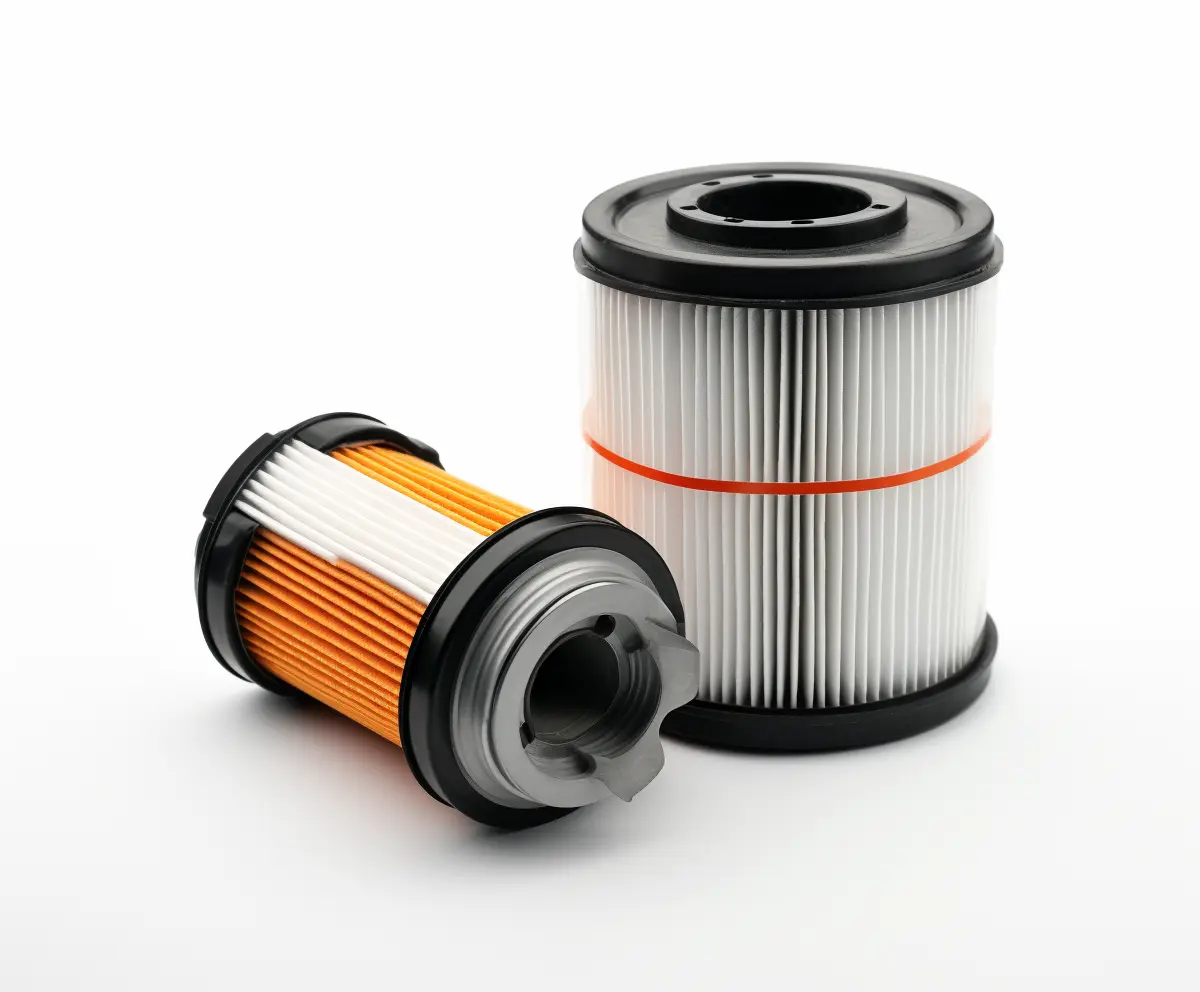
Oil filters play a crucial role in maintaining engine health. They trap contaminants and prevent them from circulating with the engine oil. Engines generate a lot of heat and particles during operation. Dust, metal shavings, and sludge can accumulate in the oil. An effective oil filter removes these harmful substances, ensuring a clean oil supply.
If an oil filter becomes clogged, it can cause significant damage. Engine wear and tear increases when oil cannot flow freely. This can lead to higher maintenance costs and reduced performance. Regularly changing the oil filter is essential for peak engine efficiency. Neglecting this maintenance can lead to serious, long-term consequences.
Understanding how oil filters work is important for every vehicle owner. Filters differ in design, but their function remains the same: protect the engine. Choosing the right filter involves considering quality and specifications. A filter may not perform well if not suited for your vehicle. Investing in a reliable oil filter can enhance engine longevity and performance.
Top 10 Oil Filters for Superior Engine Protection and Performance
| Rank |
Type |
Filter Material |
Average Lifespan (miles) |
Price Range ($) |
Key Features |
| 1 |
Spin-on |
Synthetic media |
7,500 |
15-25 |
High filtration capacity |
| 2 |
Cartridge |
Fiberglass |
10,000 |
20-30 |
Advanced dirt-holding capacity |
| 3 |
Spin-on |
Cellulose |
5,000 |
10-15 |
Cost-effective |
| 4 |
Cartridge |
Micron-pleated |
15,000 |
25-35 |
Excellent filtration efficiency |
| 5 |
Spin-on |
Composite |
8,000 |
12-22 |
Durable construction |
| 6 |
Cartridge |
Synthetic |
12,000 |
18-28 |
High dirt removal efficiency |
| 7 |
Spin-on |
Metal |
6,000 |
8-18 |
Robust protection |
| 8 |
Cartridge |
Paper |
5,000 |
7-12 |
Standard filtration |
| 9 |
Spin-on |
Nano-fiber |
10,000 |
20-30 |
Enhanced filtration |
| 10 |
Cartridge |
Activated carbon |
8,000 |
16-24 |
Removes odors and contaminants |
Key Features to Look for in High-Performance Oil Filters
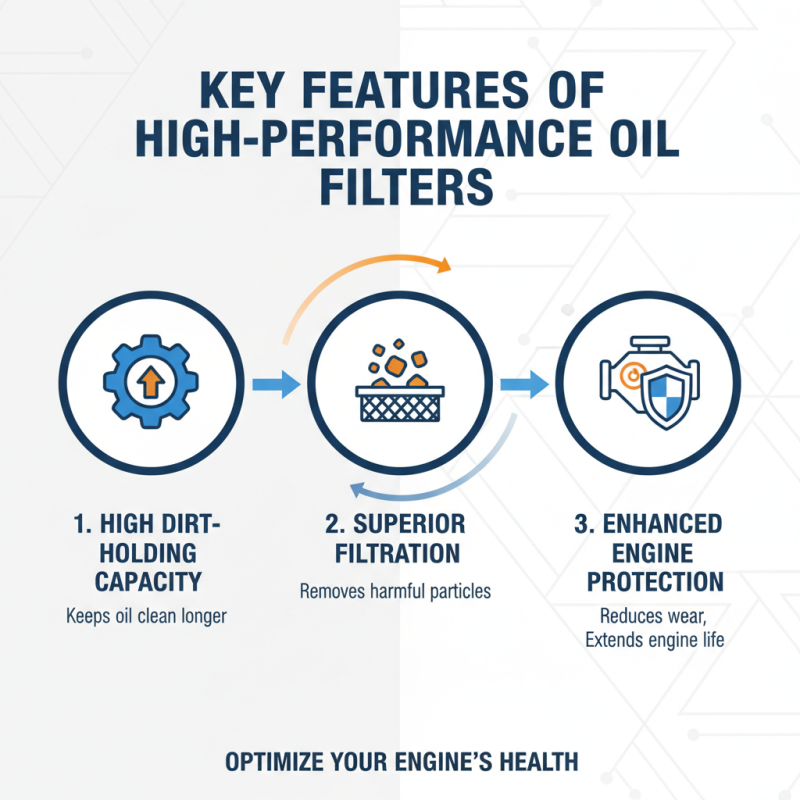
When selecting high-performance oil filters, consider key features that enhance engine protection. Look for filters with high dirt-holding capacity. This feature ensures that the oil remains clean longer, allowing for efficient operation. Filtering out harmful particles prevents wear and tear, extending the engine's life.
Another important aspect is the filter's build quality. Robust materials can withstand high pressures and temperatures. High-quality filters maintain their integrity over time, reducing the likelihood of leaks. Choose filters with superior sealing capabilities. This prevents oil from bypassing the filter, ensuring only clean oil circulates through the engine.
Tips: Regularly check your oil filter during oil changes. A clogged filter can lead to poor performance. Remember to replace it as recommended. Also, consider your engine's specific needs. Some filters may be more suited to high-performance engines, while others fit standard vehicles better. Always aim for a reliable choice to safeguard your engine's efficiency.
Comparison of Top Oil Filter Brands and Their Technologies
Oil filters play a crucial role in engine protection. They trap dirt and debris, ensuring clean oil circulates through the engine. Different brands utilize various technologies to enhance filtration, including synthetic fibers and advanced pleating designs. According to industry reports, high-quality filters can remove particles as small as 5 microns. This level of filtration is essential for maintaining engine performance and longevity.
Each oil filter brand varies in efficiency and durability. Some filters feature superior multi-layered filtration, which improves the overall oil flow. Others may focus on high dirt-holding capacity, allowing them to operate efficiently for longer intervals. It's important to research and compare these technologies to determine which best suits your vehicle's needs.
Tip: Regularly checking your oil filter is key. Many vehicles recommend changing the filter every 5,000 to 10,000 miles. Replacing it too late can lead to engine wear. Always consider the environment where you drive. Dusty or extreme conditions require more frequent changes. Being proactive can save costly repairs down the road.
Top 10 Oil Filters Comparison
This chart displays the filtration efficiency of the top 10 oil filters, showing how well each filter can capture particles. Higher percentages indicate better performance in protecting your engine.
Installation and Maintenance Tips for Optimal Oil Filter Performance
When it comes to oil filters, installation matters. A poorly installed filter can lead to oil leaks or inadequate filtration. Always ensure a proper fit when choosing your oil filter. Use the right tools and follow specific guidelines for your vehicle model. Apply a thin layer of oil on the gasket before installation. This helps create a good seal and makes future removals easier.
Maintenance is equally important for optimal performance. Regularly check your oil filter during oil changes. It’s a small component, but it plays a massive role in engine health. Many overlook it, but a clogged filter can affect engine efficiency. Consider changing your oil filter every other oil change, or as recommended based on your driving habits. This practice can prevent engine damage over time.
Be mindful of the signs of wear on your oil filter. Contaminated oil can shorten its lifespan. If you notice engine noises or a drop in performance, it might be time for a change. Keeping a close eye on your oil filter can help you avoid costly repairs. Taking these steps can lead to a more reliable engine.

 Products
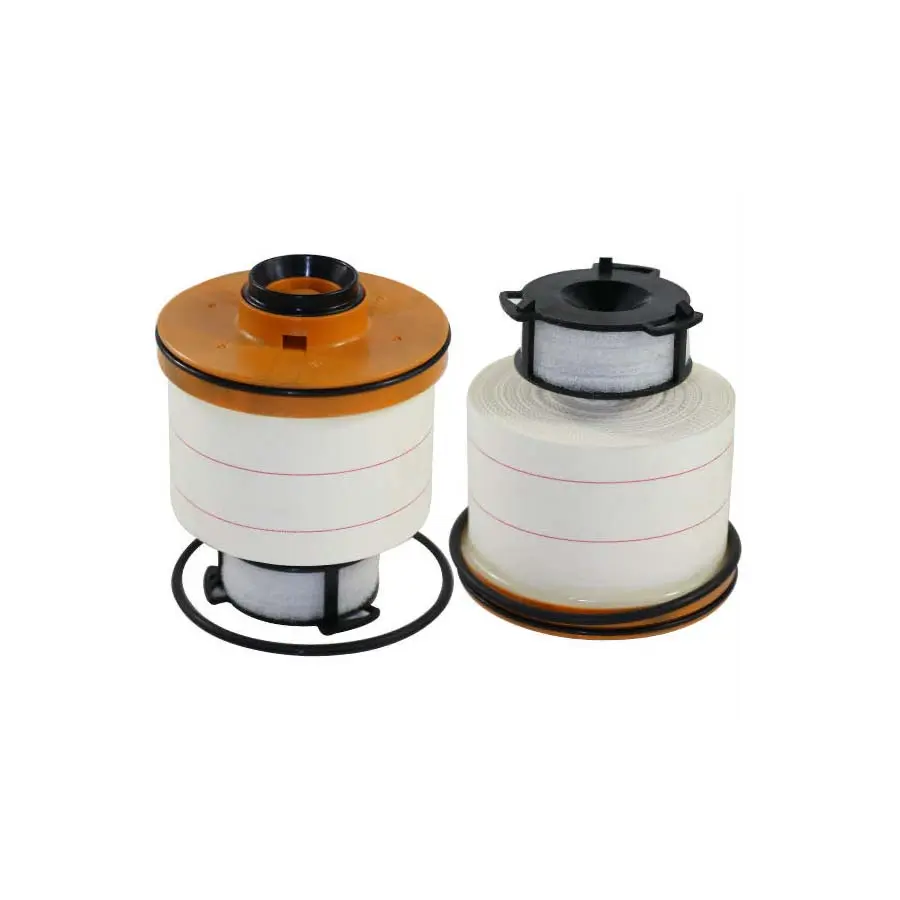 FUEL FILTER
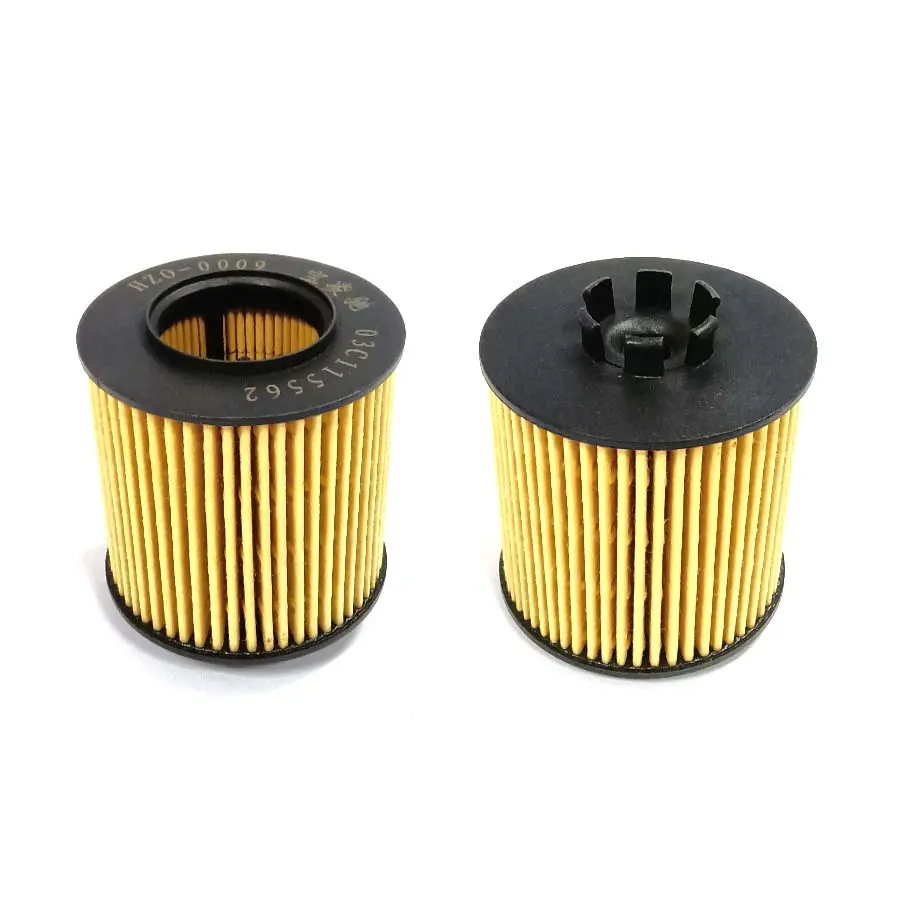 OIL ELEMENT FILTER
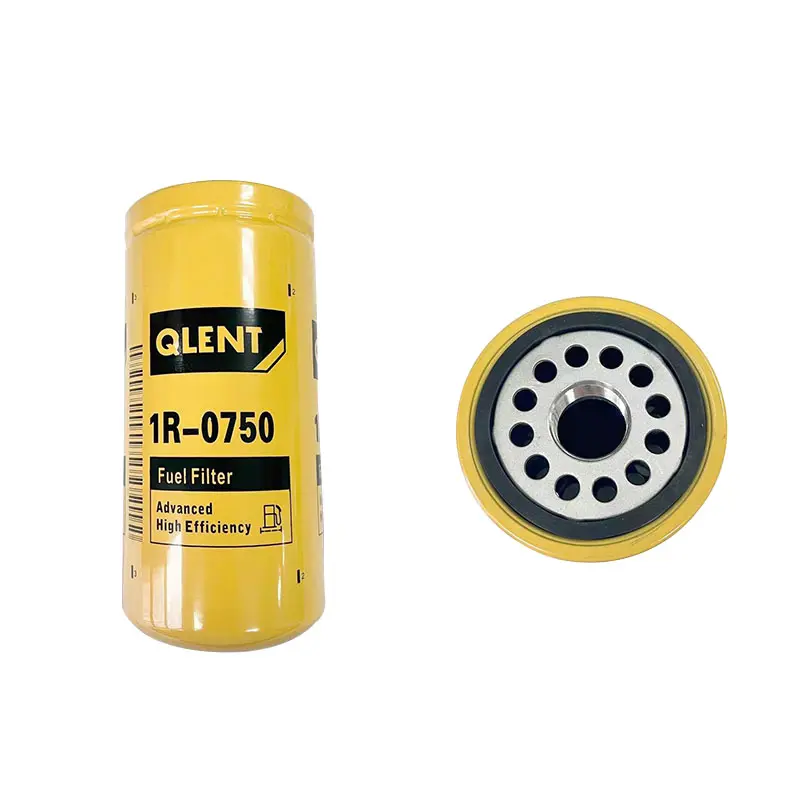 OIL FILTER
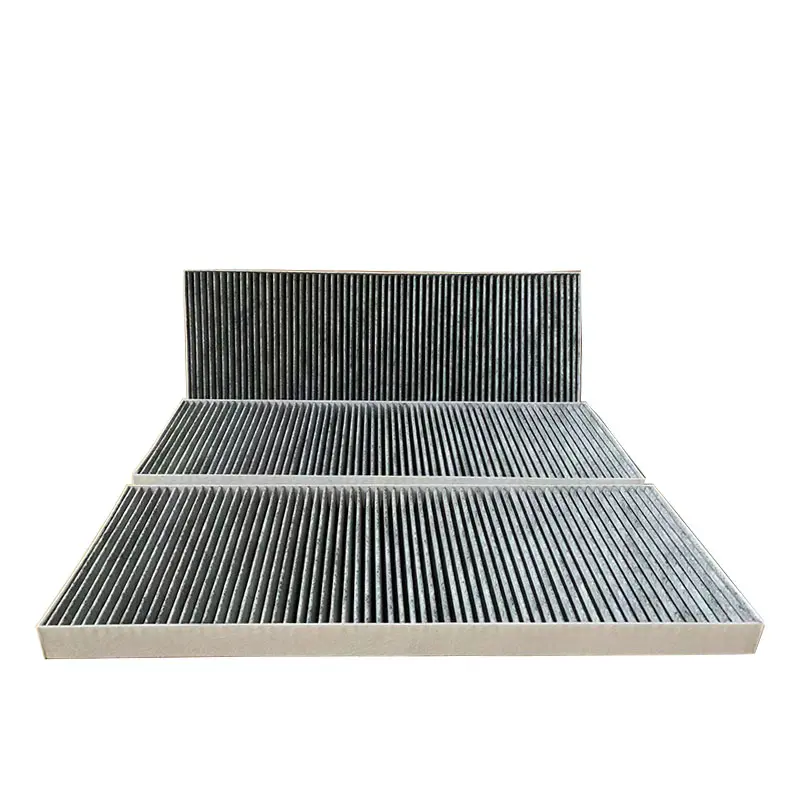 CABIN FILTER
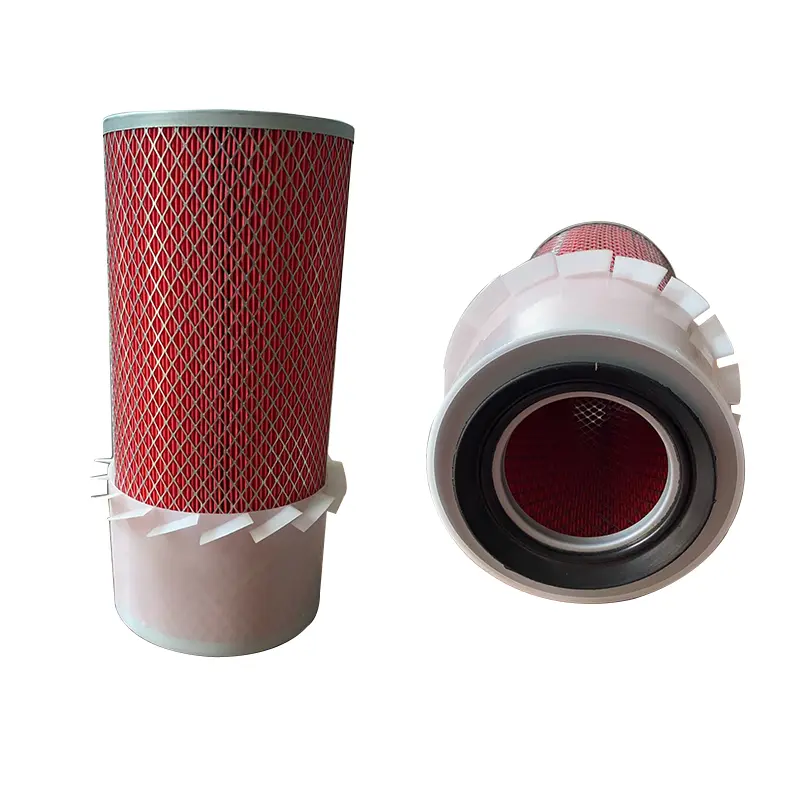 AIR FILTER