Top 10 Ac Filter Options for Global Buyers in 2026?
As the demand for clean air continues to rise, the AC filter market is experiencing significant growth. According to a recent report by MarketsandMarkets, the global AC filter industry is expected to reach $5.7 billion by 2026. This surge is driven by increased awareness of air quality and environment-related health issues. In an industry characterized by innovation, experts like Dr. Emily Carter emphasize the importance of advanced filtration solutions. She states, "The right AC filter can dramatically improve indoor air quality and promote better health."
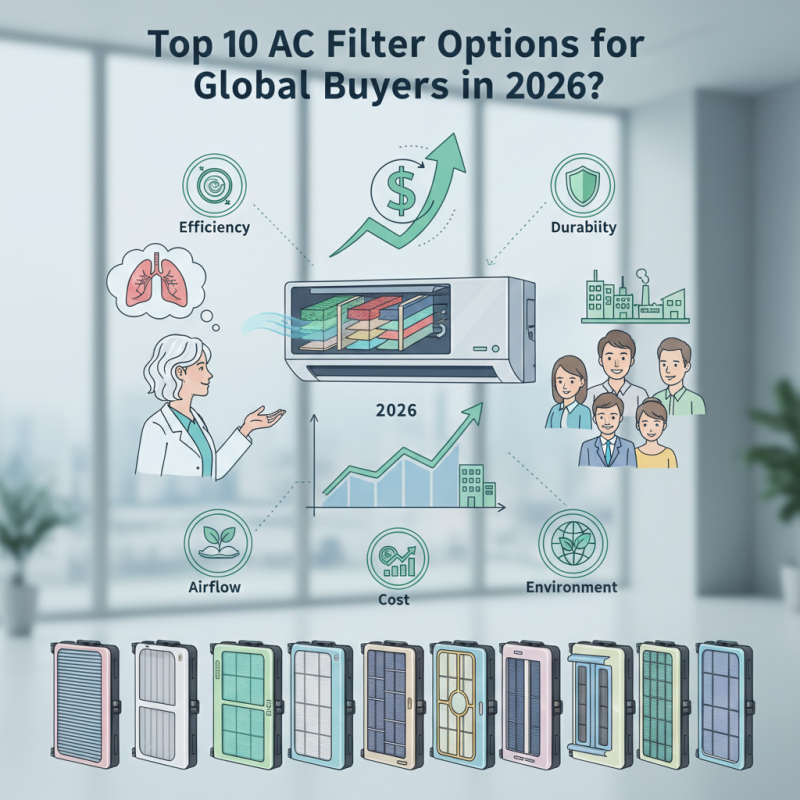
Various factors influence AC filter choices, including efficiency, durability, and cost. Consumers now seek filters that provide maximum filtration without sacrificing airflow. A comprehensive understanding of the available options is crucial for global buyers today. The market offers products designed for diverse applications, from residential AC units to industrial systems. Despite improvements, some filters still fail to meet performance expectations, underscoring the need for careful selection.
Navigating this complex market can be daunting. Buyers must consider specific needs and environmental impacts. Knowledgeable decisions will lead to better health outcomes and energy efficiency. As we explore the top 10 AC filter options in 2026, it's essential to reflect on effective solutions and continuously improve our choices.
Overview of AC Filters Available in 2026
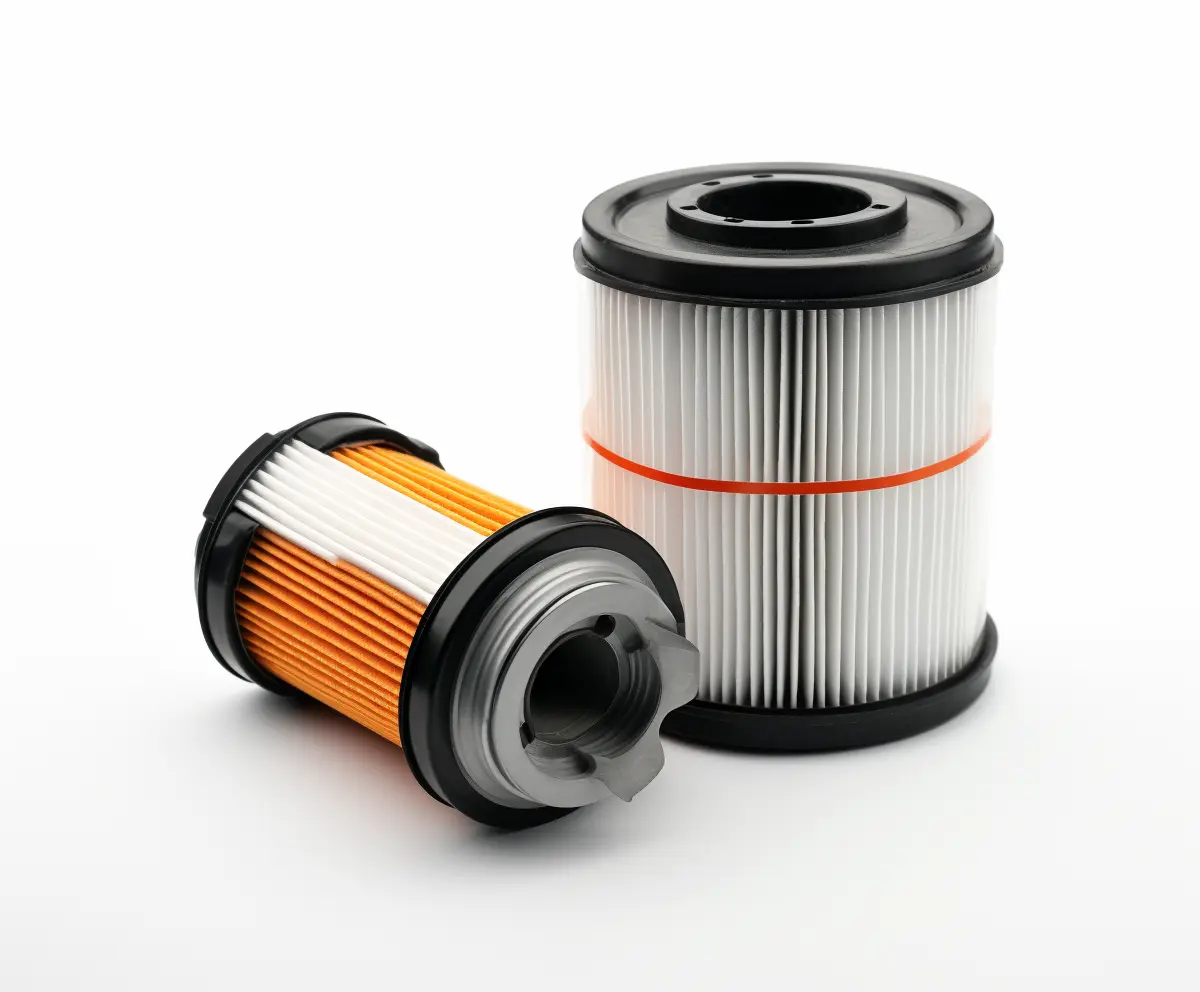
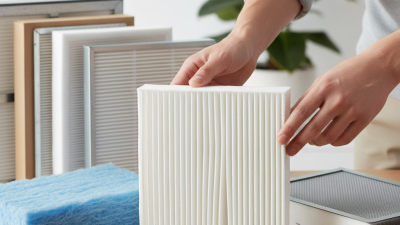
As we move into 2026, the market for air conditioning filters will showcase a range of innovative options. Buyers can expect high-efficiency particulate air (HEPA) filters, known for capturing small particles effectively. Additionally, electrostatic filters will gain popularity due to their ability to attract dust and allergens. These types are ideal for those concerned about indoor air quality.
When choosing the right AC filter, consider your specific needs. If allergies are a concern, opt for filters with a higher MERV rating. These filters can trap pollen, pet dander, and dust mites. Remember, not all filters fit every system, so check for compatibility with your air conditioning unit.
A common misconception is that changing filters infrequently saves money. In reality, dirty filters can reduce system efficiency and increase energy bills. Regular maintenance is key for optimal performance. Set a reminder to change filters, ideally every one to three months, depending on usage. This simple task ensures clean air and extends the lifespan of your AC unit.
Key Factors to Consider When Choosing AC Filters
When selecting AC filters, a few key factors come into play. Filter efficiency is crucial. The MERV rating indicates a filter's ability to trap particles. According to the American Society of Heating, Refrigerating and Air-Conditioning Engineers (ASHRAE), filters with a MERV rating of 8 to 13 significantly reduce airborne particles. A high-efficiency filter can capture allergens, smoke, and dust, improving indoor air quality. However, it's essential to balance efficiency with airflow. High-efficiency filters can restrict airflow, straining HVAC systems if not properly matched.
Another important consideration is the filter's lifespan and replacement frequency. Standard fiberglass filters need replacement every month, while pleated filters may last up to three months. Extended-use filters can cost more upfront but save money over time. Regularly checking the condition of filters can prevent system inefficiencies. An inefficient system might increase energy bills by 10% or more, according to the U.S. Department of Energy.
Size also matters. An ill-fitting filter can lead to leaks, reducing efficiency significantly. Measurements should be precise, and consulting the HVAC system's manual is beneficial. Mistakes in sizing could lead to costly repairs. It's vital to consider these aspects critically to ensure effective and reliable air filtration.
Top 10 AC Filter Brands for International Buyers
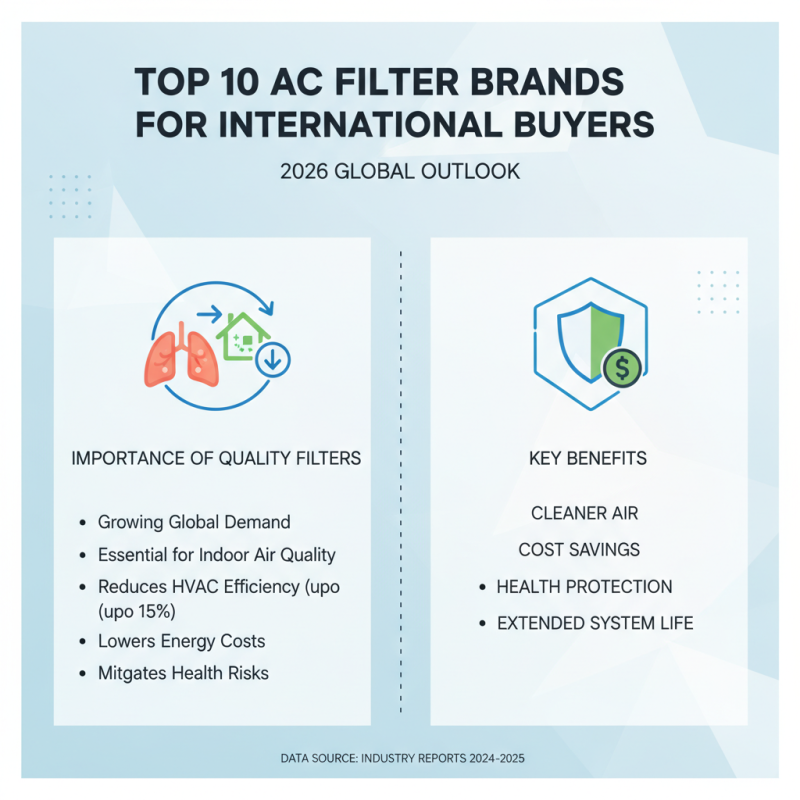
As we look forward to 2026, the demand for quality air conditioning (AC) filters continues to grow globally. Effective air filtration is essential for maintaining indoor air quality. Studies show that inefficient air filters can reduce HVAC system efficiency by up to 15%. This not only increases energy costs but may also lead to health risks, especially for vulnerable populations.
The leading AC filter brands focus on innovation and sustainability. High-efficiency particulate air (HEPA) filters are becoming increasingly popular. They can trap tiny particles, ensuring cleaner air. A report from a leading air quality organization indicates that HEPA filters can capture 99.97% of particles that are 0.3 microns. This level of filtration promotes better respiratory health and overall wellness.
**Tips:** When choosing an AC filter, consider the MERV rating. A higher MERV rating means better filtration. However, a filter with an excessively high MERV may restrict airflow. Balance is crucial. Regular maintenance is essential. Change filters every 1-3 months to ensure optimal performance. A neglected filter can lead to increased allergen levels.
Consumers should also evaluate their specific needs. Some may require filters for sensitive health conditions. Others may prioritize energy efficiency. Understanding your requirements will guide your decision. Remember, not all filters fit all systems. Compatibility is key, so verify before purchasing.
Comparative Analysis of Filter Types and Their Efficiency
In 2026, understanding AC filter types is crucial for global buyers. Different filters have varied efficiencies based on technology. HEPA filters are renowned for trapping small particles. They can capture pollen, dust, and smoke with high accuracy. However, they may restrict airflow. This can lead to increased energy consumption in some systems.
On the other hand, electrostatic filters use electric charges to attract particles. They are washable and reusable, promoting sustainability. Yet, their effectiveness can vary, depending on the system design. Some users have reported inconsistent performance. Activated carbon filters excel in odor removal, but may not filter out fine particulate matter as effectively.
It's important for buyers to consider their specific needs. Efficiency is not just about capturing particles; it also involves maintaining airflow and minimizing noise. Evaluating the balance between efficiency and comfort requires a critical eye. Choosing the right filter isn't simply a technical decision; it impacts overall system performance and user satisfaction.
Top 10 AC Filter Options for Global Buyers in 2026
| Filter Type |
Efficiency (%) |
Lifespan (Months) |
Maintenance Frequency (Months) |
Cost (USD) |
| HEPA Filter |
99.97 |
12 |
6 |
45 |
| Activated Carbon Filter |
85 |
6 |
3 |
20 |
| Electrostatic Filter |
95 |
24 |
12 |
35 |
| Washable Filter |
90 |
36 |
24 |
30 |
| Pleated Filter |
80 |
12 |
6 |
25 |
| MERV 8 Filter |
75 |
9 |
3 |
15 |
| MERV 13 Filter |
90 |
12 |
6 |
40 |
| FURNACE Filter |
70 |
10 |
4 |
18 |
| HEPA Type Filter |
99.0 |
12 |
6 |
50 |
| Fine Dust Filter |
95 |
12 |
6 |
40 |
Future Trends in AC Filter Technology and Innovation
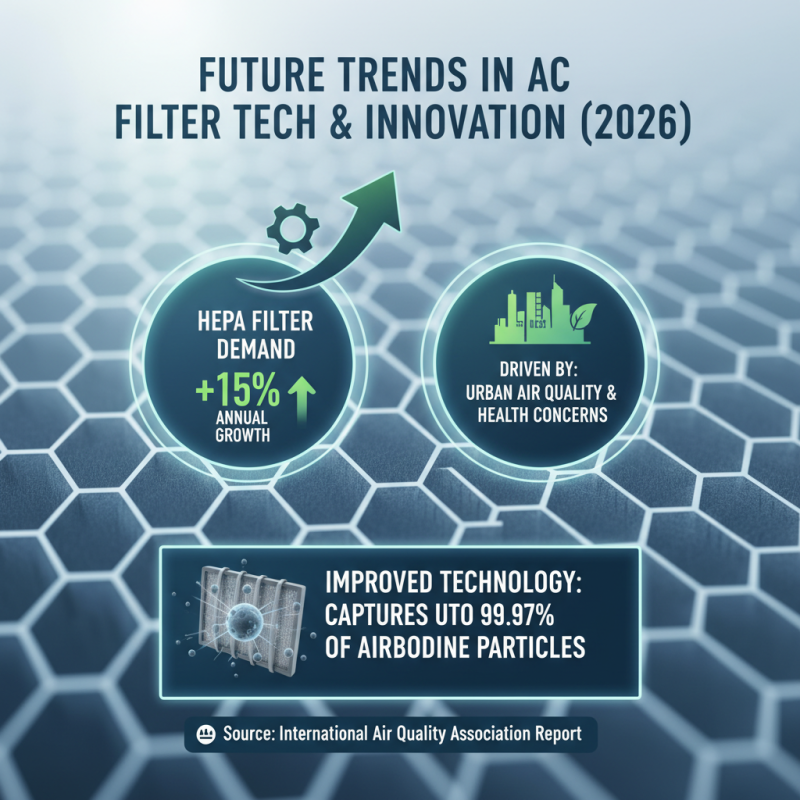
In 2026, the AC filter market is poised for significant advancements in technology and innovation. According to a recent report by the International Air Quality Association, demand for high-efficiency particulate air (HEPA) filters is expected to grow by 15% annually. This surge is driven by increasing concerns over air quality and health, especially in urban environments. Improved technologies are enabling manufacturers to develop filters that capture up to 99.97% of airborne particles.
Technological innovations are transforming AC filters into smart devices. Sensors embedded in filters can monitor air quality in real time. They notify users when it's time for replacement, enhancing user experience and efficiency. A study from the Environmental Protection Agency found that maintaining clean filters can improve energy efficiency by up to 15%. However, the integration of IoT technology into AC filters raises concerns about data privacy and compatibility.
Despite these advancements, challenges remain. Not all consumers are aware of their air filter options or how to maintain them. In a survey by the Clean Air Council, only 30% of respondents understood the importance of regular filter changes. Manufacturers face the hurdle of educating consumers while promoting new technologies. Balancing innovation with user awareness will be critical for the market's evolution.

 Products
 FUEL FILTER
 OIL ELEMENT FILTER
 OIL FILTER
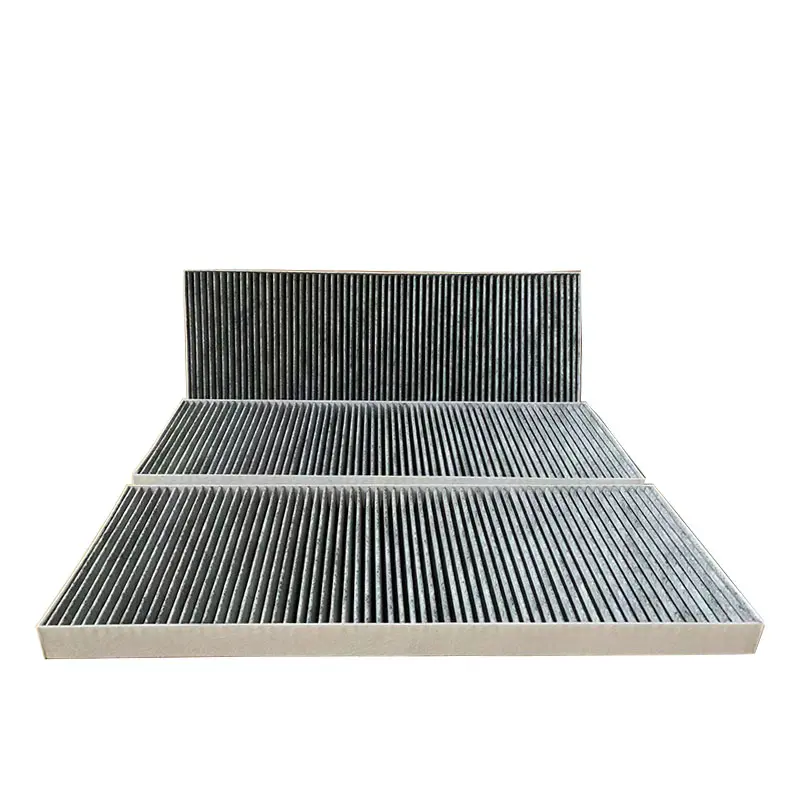 CABIN FILTER
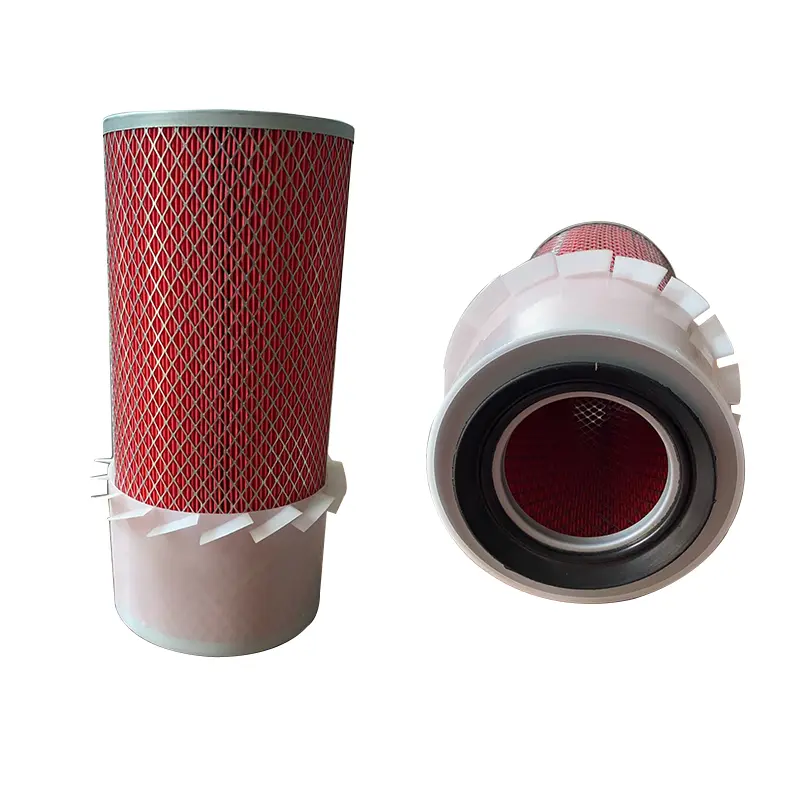 AIR FILTER