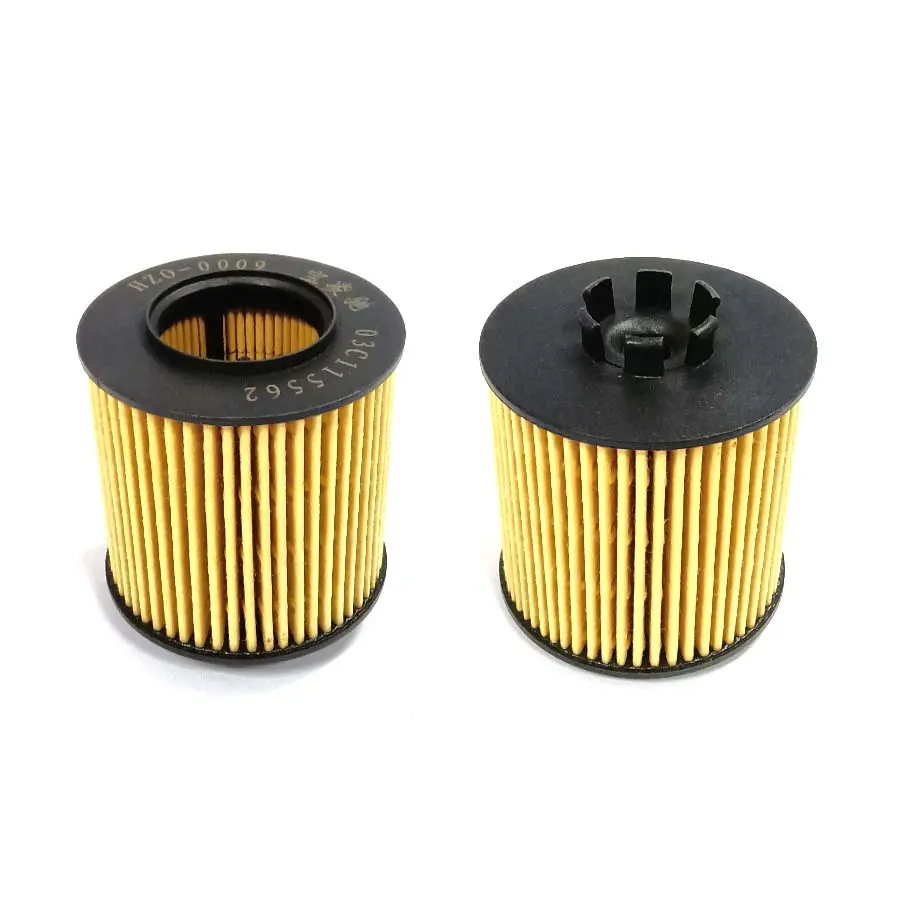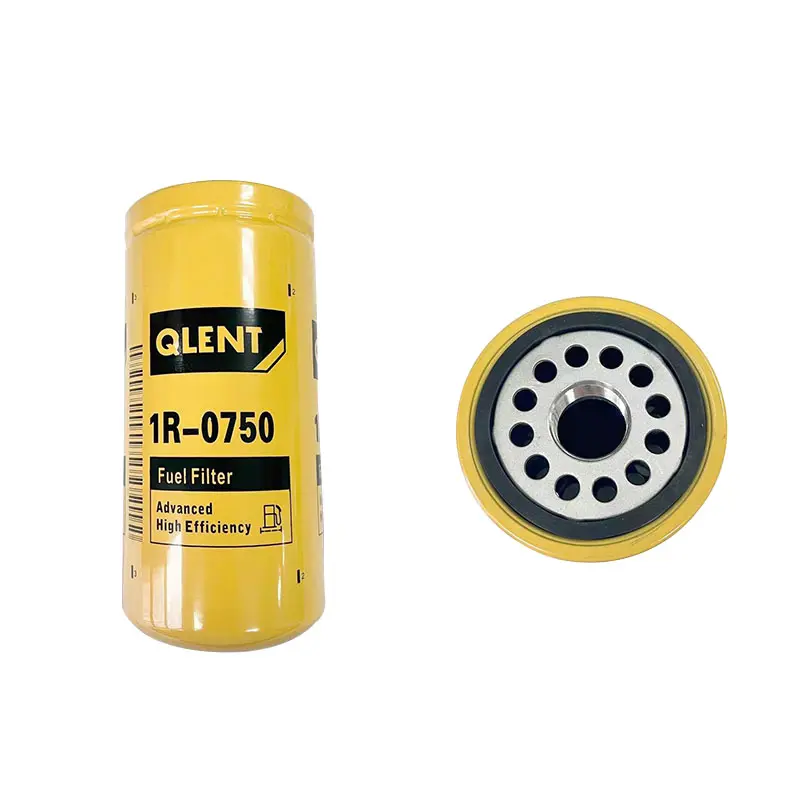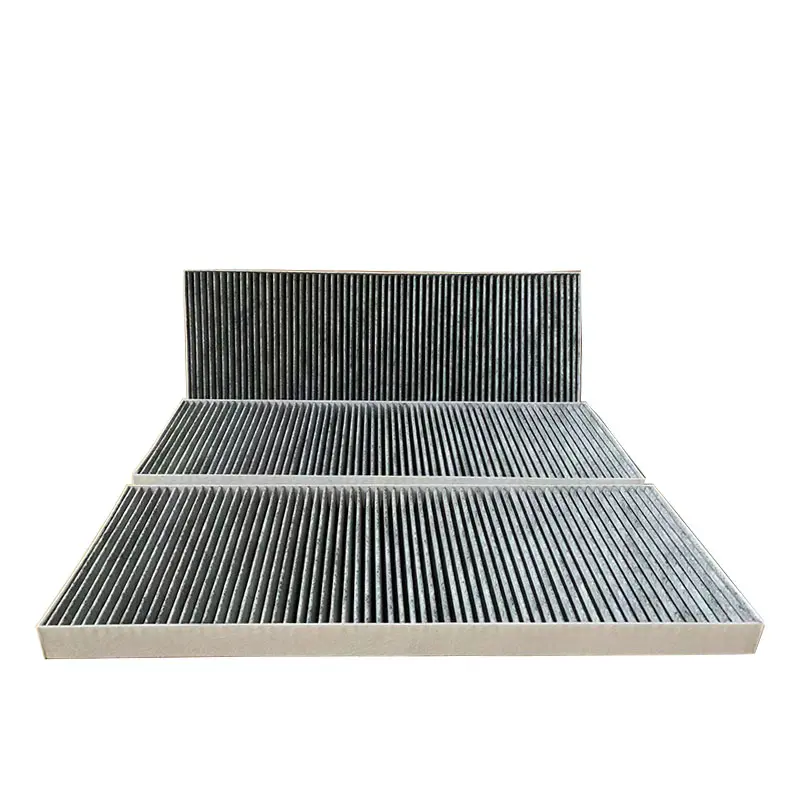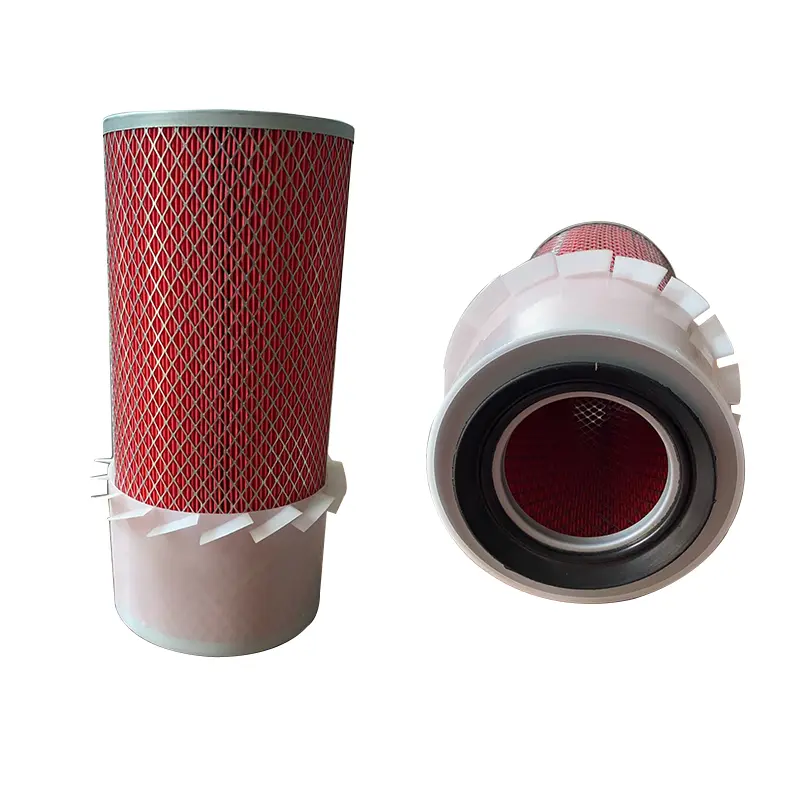
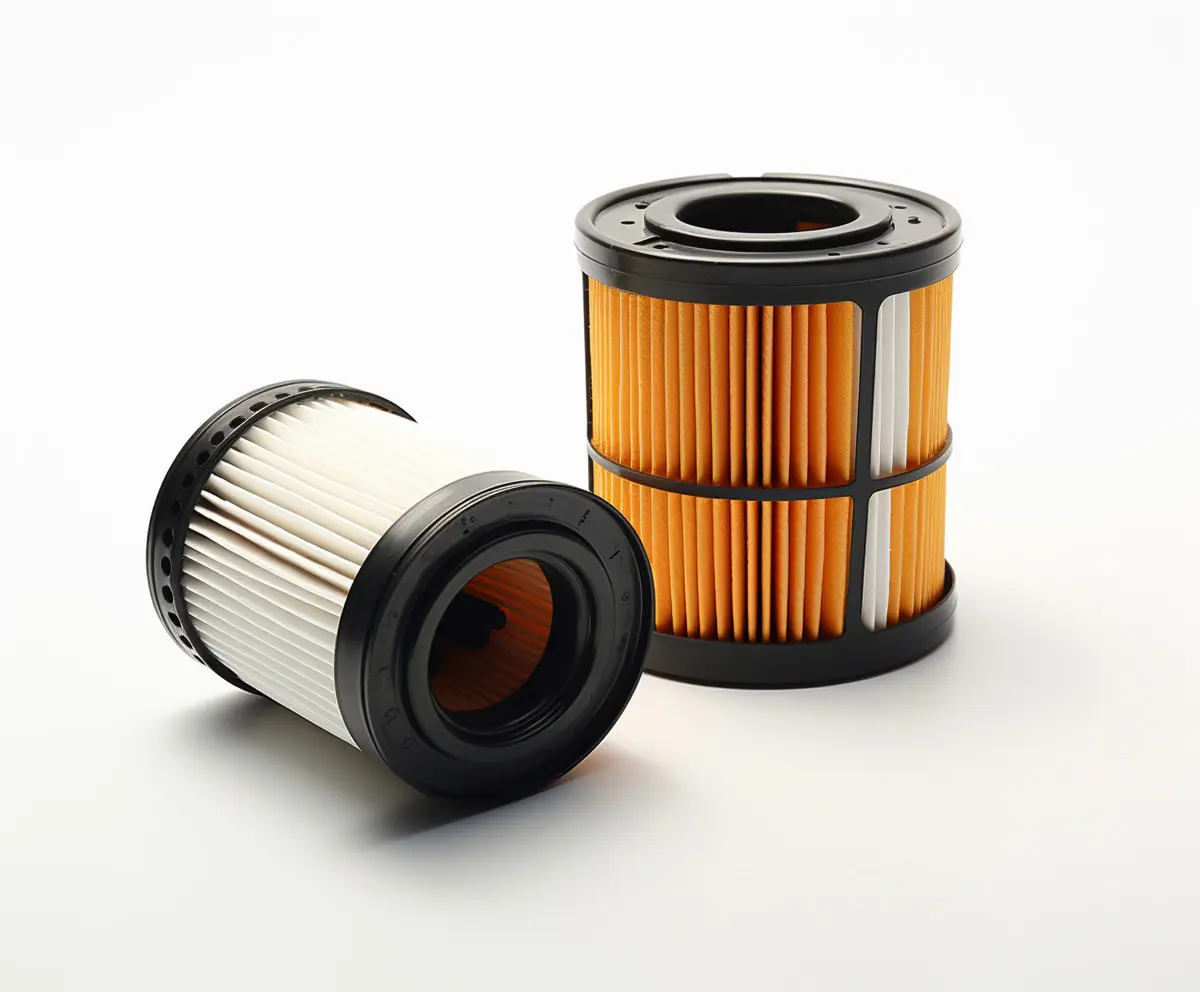
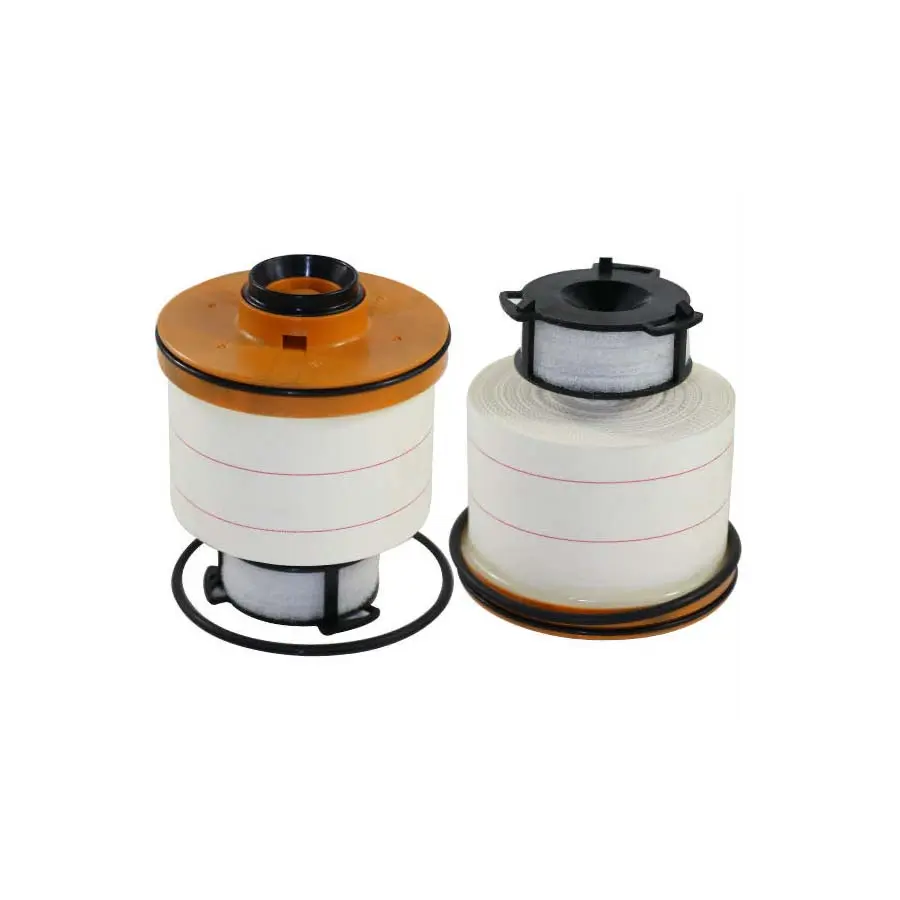
China has become a major sourcing base for automotive filtration, supported by a large vehicle industry and extensive component manufacturing capacity. The China Association of Automobile Manufacturers reported more than 31 million vehicles produced in China during 2024. OICA recorded global motor vehicle production above 93 million units in 2023. These figures show the scale behind the international demand for a dependable Car Air Filter supply chain.
Performance matters beyond price. A cabin filter sits behind the dashboard, where fine dust, pollen, and traffic particles meet the vehicle’s ventilation system. WHO’s 2021 Air Quality Guidelines recommend an annual PM2.5 concentration of only 5 μg/m³, highlighting why filtration efficiency deserves careful attention. For engine filters, buyers should examine ISO 5011 test results, pressure-drop data, dust-holding capacity, and sealing quality. For cabin products, material structure, activated-carbon content, airflow resistance, and odor-control claims need separate verification.
The best Chinese manufacturers combine stable media sourcing, automated pleating, controlled adhesive application, and traceable inspection records. Certifications such as IATF 16949 can indicate a mature quality system, but certification alone does not prove every product performs equally. That is an uncomfortable point. Samples may pass while later batches vary. Global buyers should therefore review laboratory reports, production audits, packaging details, and field feedback before signing long-term contracts. This guide examines leading China-based manufacturers through those practical criteria, while recognizing that company data, capacities, and product claims can change over time.
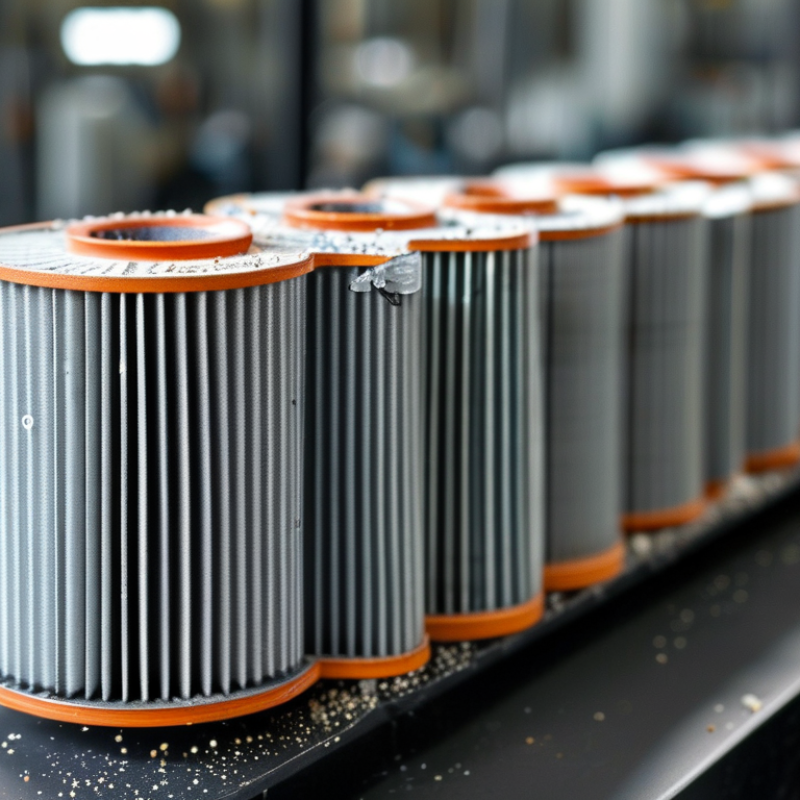
China has become a major production base for car air filters sold to global buyers. Its advantage is not only lower production cost. Dense supply networks connect nonwoven media, molded plastics, adhesives, tooling, and packaging within short transport distances. This supports flexible order sizes and faster design changes. A filter plant can adjust pleat depth, frame dimensions, or gasket materials for different vehicle platforms. Small details matter. They affect airflow, sealing, and service life.
Experienced buyers usually inspect more than a clean workshop. They review incoming-material records, batch identification, pressure-drop testing, and humidity controls. Reliable manufacturers keep samples from each production lot and compare results against approved specifications. Some facilities use automated pleating and vision inspection, while others still depend heavily on manual assembly. That mixed approach can work, but it requires disciplined training and repeatable checks. A polished audit can miss weak traceability. Quality varies.
China’s export role also depends on engineering communication. Technical drawings, tolerance limits, test methods, and carton markings must survive translation and production changes. Manufacturers serving several regions often adapt documentation for different vehicle standards and buyer procedures. Yet capability varies widely between factories. A low quotation may hide inconsistent media, rushed tooling, or weak final inspection. Buyers should request independent test evidence, production samples, and corrective-action records before placing large orders. Even then, forecasts can change, and a supplier may need time to stabilize a new specification. That is an uncomfortable but useful reality.
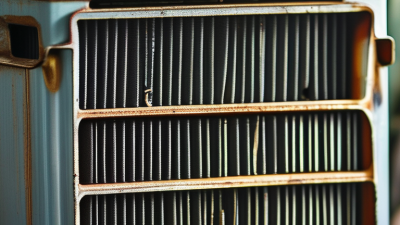
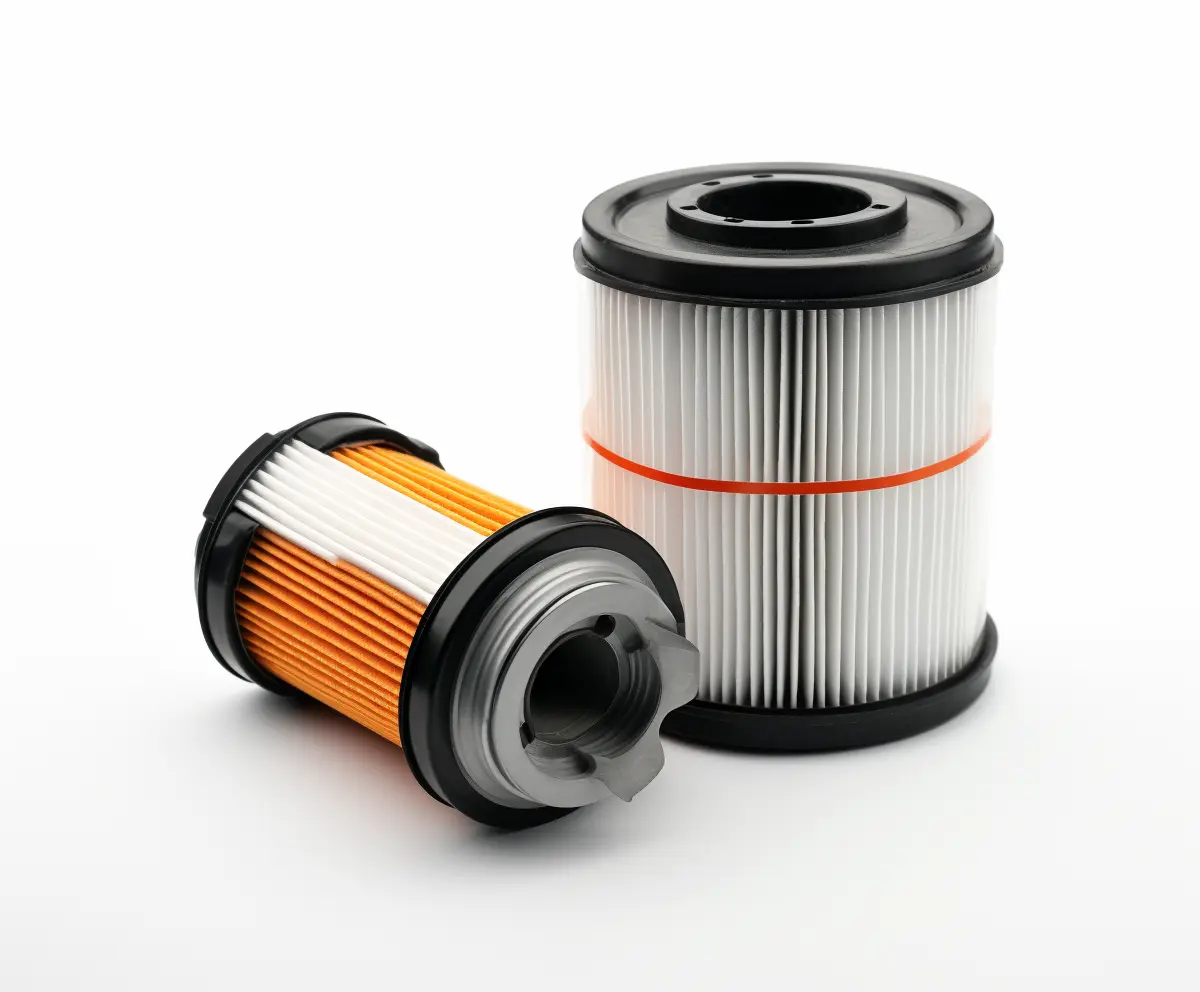
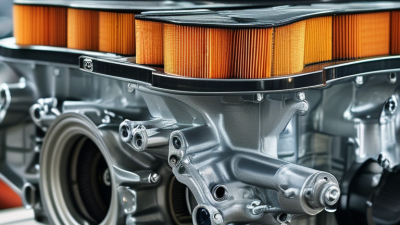
Car air filters protect different parts of a vehicle, and their designs should not be judged by appearance alone. Engine air filters usually use folded cellulose, synthetic fibers, or multilayer media. Their main tasks are capturing dust, sand, and fine particles while maintaining steady airflow. A dense filter may trap more contaminants, but excessive restriction can reduce engine efficiency. From workshop inspections, pleat depth and sealing quality often matter as much as the filter material.
Cabin air filters provide a different form of protection. Standard particulate filters help reduce pollen, road dust, and visible soot. Activated carbon versions can also reduce some odors and gaseous pollutants. Their performance depends on media weight, airflow resistance, humidity exposure, and correct housing fit. HEPA-style designs can capture very fine particles, but they may require stronger blower performance. No filter works perfectly. A poorly sealed edge can allow unfiltered air to bypass the media.
Tips: Check the vehicle’s service specifications before selecting a replacement. Compare filtration efficiency with pressure drop, not efficiency alone. Inspect the old filter for uneven dust patterns, which may reveal sealing problems. In dusty regions, replacement intervals should be adjusted carefully. This is where many maintenance plans fail. A filter can look clean while its fibers are already loaded with fine particles. Reliable manufacturers should provide test data, dimensional records, and consistent quality control for global buyers.
The chart compares representative filtration-efficiency benchmarks for common automotive air-filter categories. Standard engine air filters are designed to protect the engine from dust, cabin particulate filters target airborne particles, activated-carbon filters add odor and gas adsorption, and HEPA filters provide the highest certified particle-removal level. Actual performance varies according to filter media, airflow, test method, loading condition, and vehicle design.
China Best Car Air Filter Manufacturers for Global Buyers
How to Evaluate China-Based Car Air Filter Manufacturers
Choosing a China-based car air filter manufacturer requires more than comparing prices. Start by checking product specifications, factory experience, and quality controls. Ask for the filter media type, pleat count, dimensions, sealing material, airflow data, and pressure-drop results. These details reveal whether the supplier understands real vehicle applications.
Request samples from normal production, not specially prepared units. Test their fit, sealing edges, dust-holding capacity, and resistance to deformation. A reliable manufacturer should provide traceable inspection records and explain how defective filters are handled. Factory visits can also show storage conditions, cleanliness, testing equipment, and worker procedures. Photos alone are not enough.
Look closely at technical communication. Can the supplier read drawings accurately? Do they confirm vehicle compatibility before quoting? Clear answers usually indicate stronger engineering control. Still, no supplier is flawless. I once focused too heavily on a low unit price and overlooked inconsistent packaging. The result was avoidable damage during transport.
Check production capacity, minimum order quantities, lead times, carton protection, and export documentation. Independent laboratory testing may be worthwhile for larger orders or private specifications. Ask whether materials can change without written approval. This question is simple, but revealing. A dependable partner welcomes audits, discusses limitations honestly, and supports corrective action when results fall short. Reliability develops through repeated evidence, not confident promises.
China’s best car air filter manufacturers should prove quality through repeatable testing, not attractive catalog claims. ISO 5011 evaluates engine filters for airflow, initial restriction, filtration efficiency, and dust-holding capacity. Buyers should request full test curves, including pressure loss at the vehicle’s rated airflow. Small errors here can reduce engine breathing and fuel efficiency.
Cabin filters require different evidence. ISO 11155-1 covers particulate filtration performance for vehicle interior air systems. For fine particles, buyers should review test particle sizes, humidity, airflow, and loading time. The World Health Organization reports that 99% of people breathe air exceeding its recommended PM2.5 guideline levels. This makes stable cabin filtration increasingly important. It also makes vague “high efficiency” wording inadequate.
A reliable supplier should operate under ISO 9001 and preferably IATF 16949-based automotive quality controls. Check material traceability, seal compression, pleat count, adhesive strength, and batch inspection records. Independent laboratory reports add credibility, but one test is not enough. Testing conditions can flatter performance. Request samples from three production batches and compare results. A practical audit should include hot, cold, humid, and dusty environments. Some manufacturers may pass laboratory tests yet struggle with poor packaging or uneven sealing. That uncomfortable gap deserves attention before global purchasing decisions.
Sourcing car air filters from China starts with accurate product requirements. List the vehicle models, engine sizes, filter dimensions, media type, sealing material, and expected service interval. A drawing or old filter sample prevents costly misunderstandings. Samples matter. Request several units before discussing large-volume production.
Evaluate each supplier through factory records, quality procedures, production capacity, and export experience. Ask for material specifications, inspection reports, and test results for airflow, filtration efficiency, pressure drop, and structural strength. A remote audit helps, but it cannot replace physical inspection. Check whether the production line matches the supplier’s claims. Details decide. My practical caution is simple: attractive pricing can hide thinner media or weak seals. Compare samples under the same test conditions.
Before importing, confirm packaging, carton quantities, labeling, delivery terms, and payment milestones in writing. Verify the correct customs classification with a qualified broker in the destination country. Prepare the commercial invoice, packing list, transport documents, and origin documents when required. Use moisture-resistant packaging, especially for long sea shipments. A pre-shipment inspection should check dimensions, cleanliness, barcodes, carton damage, and random samples from finished cartons. Keep photos and test records for future claims. Some buyers skip this step to save time, then face shortages or inconsistent batches. That shortcut deserves reconsideration. Build a small trial order into the purchasing plan, measure field performance, and adjust specifications before regular imports.