Top 10 Fuel Filter Options for Optimal Engine Performance?
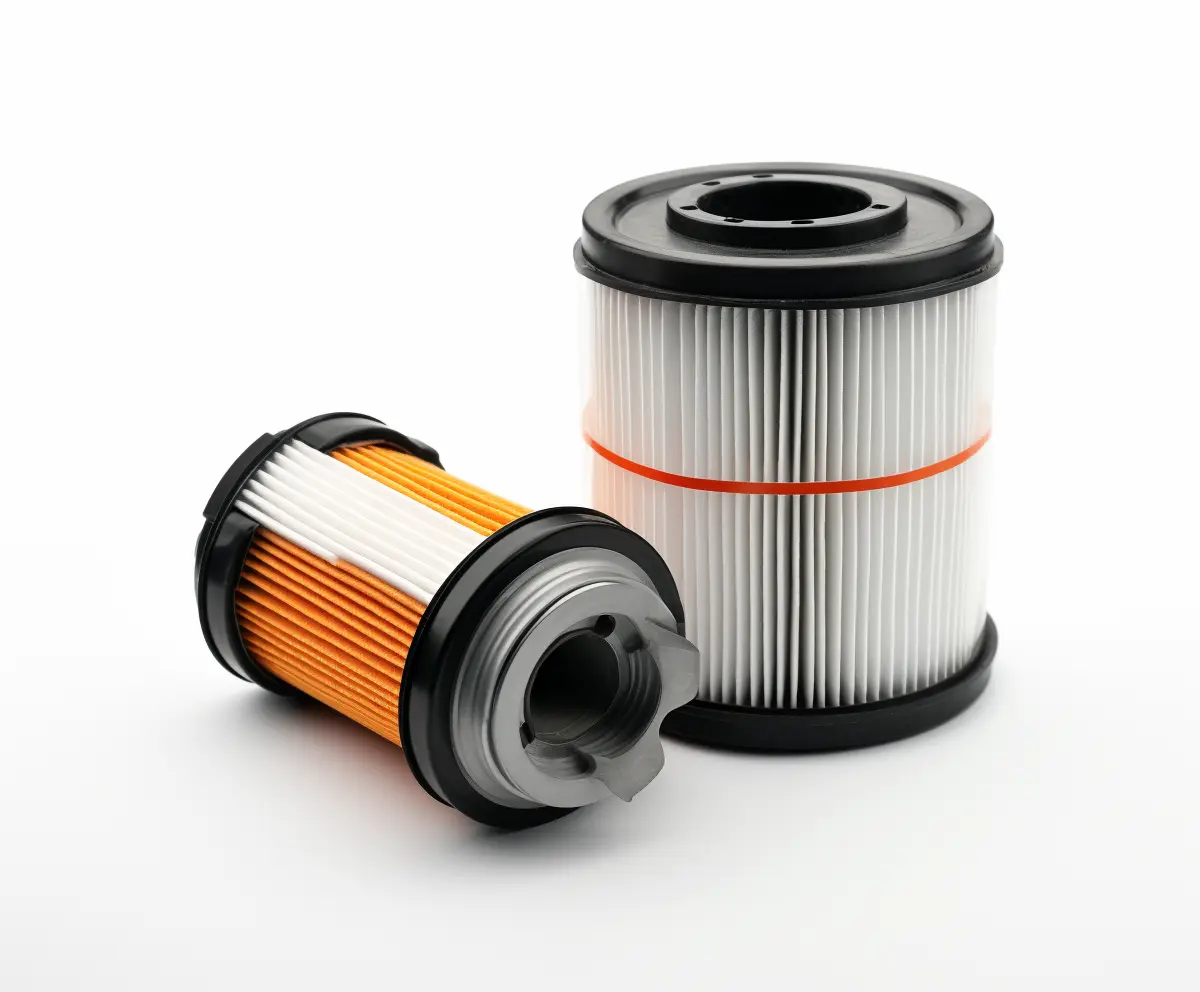
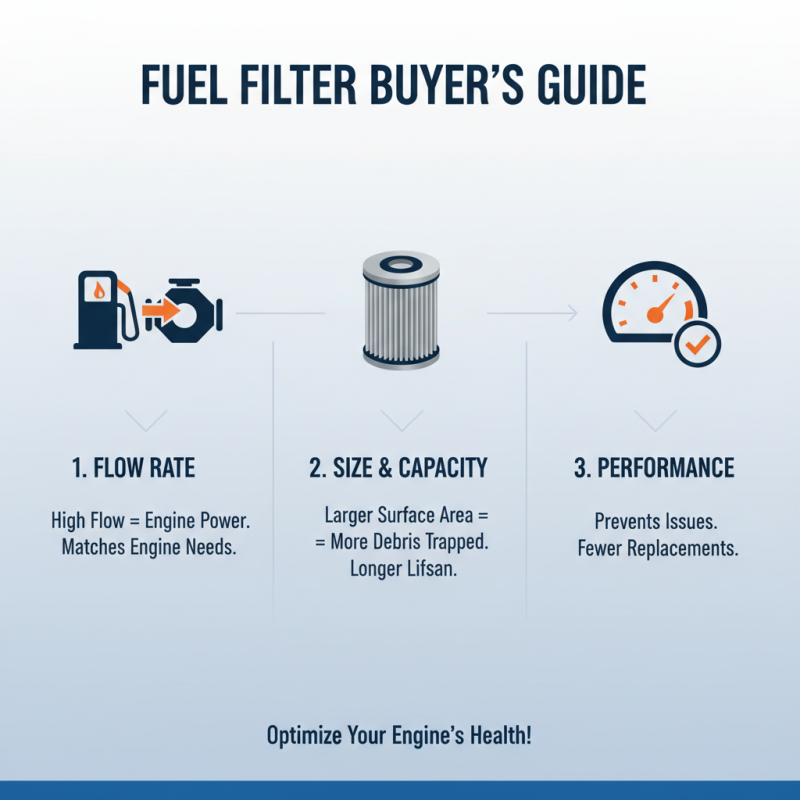
The performance of your engine often hinges on one crucial component: the fuel filter. A fuel filter's primary role is to keep your engine clean. It prevents dirt and rust from entering the fuel system. When functioning well, it enhances efficiency. However, many overlook this essential part. Neglecting to maintain or replace it can lead to serious issues.
Choosing the right fuel filter can be daunting. With numerous options, understanding your vehicle's needs is vital. Some filters may promise efficiency but fail in real-world tests. Others may not fit perfectly, causing leaks or blockages. It's essential to evaluate options based on specific requirements and engine types.
In this guide, we will explore the top 10 fuel filter options. Each selection aims to optimize engine performance while ensuring durability. Remember, investing in the right filter today can save you headaches tomorrow. Prioritize your engine's health and performance with a well-chosen fuel filter.
Understanding the Importance of Fuel Filters in Engine Performance
Fuel filters play a crucial role in the performance of any engine. They prevent contaminants from entering the fuel system, safeguarding vital components like the fuel pump and injectors. A clean fuel system translates to better fuel efficiency and smoother operation. Without a functioning filter, dirt and debris can cause serious damage.
Neglecting fuel filter maintenance can lead to problems. Clogged filters restrict fuel flow, causing the engine to struggle. Drivers might notice a loss of power or even stalling. These issues are often overlooked until it's too late. Regular checks can help catch these problems early. Remember, a small investment in maintenance can save significant repair costs later.
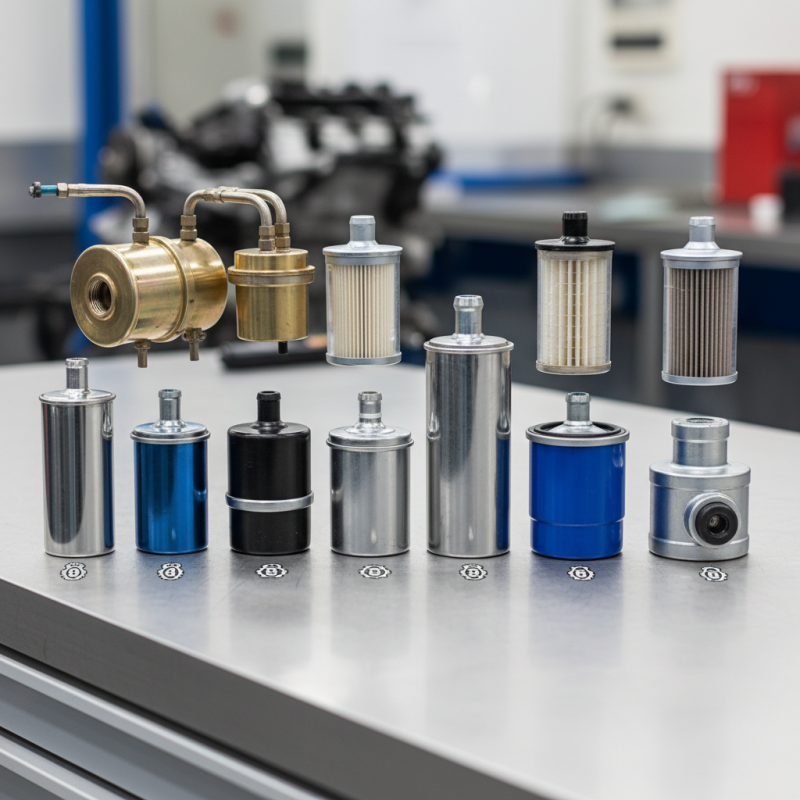
Choosing the right fuel filter is essential. Compatibility with your engine type is key. There are various options, each with its own specifications. Consider the environment where you drive, too. Off-road conditions might mean more dust and dirt. Reflecting on these factors can lead to better choices for optimal engine health.
Top 10 Fuel Filter Options for Different Engine Types
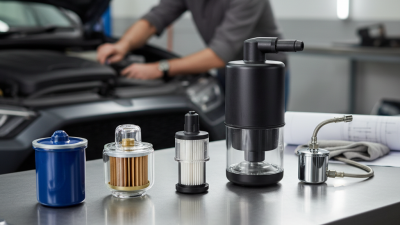
Choosing the right fuel filter is crucial for various engine types. For gasoline engines, consider options that offer fine filtration. Diesel engines, on the other hand, necessitate filters that can handle water separation. Additionally, engines with turbochargers may require specialized filters that can endure higher pressures. Each engine type has unique needs, emphasizing the importance of selecting the right filter for optimal performance.
Tips: Regularly check your fuel filter's condition. A clogged filter can lead to poor engine performance and low fuel efficiency. Don't wait for problems to arise; proactive maintenance saves time and money.
For high-performance engines, look at filters with enhanced flow rates. These can provide better fuel delivery, improving power output. However, these filters may need more frequent changes. It's not uncommon for enthusiasts to overlook this. Keep an eye on your specifications and adjust accordingly. Remember, every engine type deserves tailored care for peak performance.
Top 10 Fuel Filter Options for Optimal Engine Performance
| Rank |
Fuel Filter Type |
Engine Compatibility |
Material |
Filtration Rating (μm) |
Estimated Price (USD) |
| 1 |
Inline Fuel Filter |
Petrol Engines |
Plastic |
10 |
15.99 |
| 2 |
Cartridge Fuel Filter |
Diesel Engines |
Metal |
5 |
29.99 |
| 3 |
Fuel Water Separator |
Marine Engines |
Composite |
2 |
45.00 |
| 4 |
In-Tank Fuel Filter |
Fuel Injected Engines |
Plastic |
25 |
19.99 |
| 5 |
External Fuel Filter |
Performance Tuned Engines |
Aluminum |
8 |
34.99 |
| 6 |
High-Performance Filter |
Competition Engines |
Fiberglass |
5 |
99.99 |
| 7 |
Universal Fuel Filter |
Various Engines |
Plastic |
15 |
12.50 |
| 8 |
Pre-Filter |
Heavy-Duty Engines |
Steel |
20 |
55.00 |
| 9 |
Depot Filter |
Industrial Engines |
Composite |
30 |
150.00 |
| 10 |
Sediment Fuel Filter |
Stationary Engines |
Metal |
50 |
40.00 |
Installation and Maintenance Tips for Fuel Filters
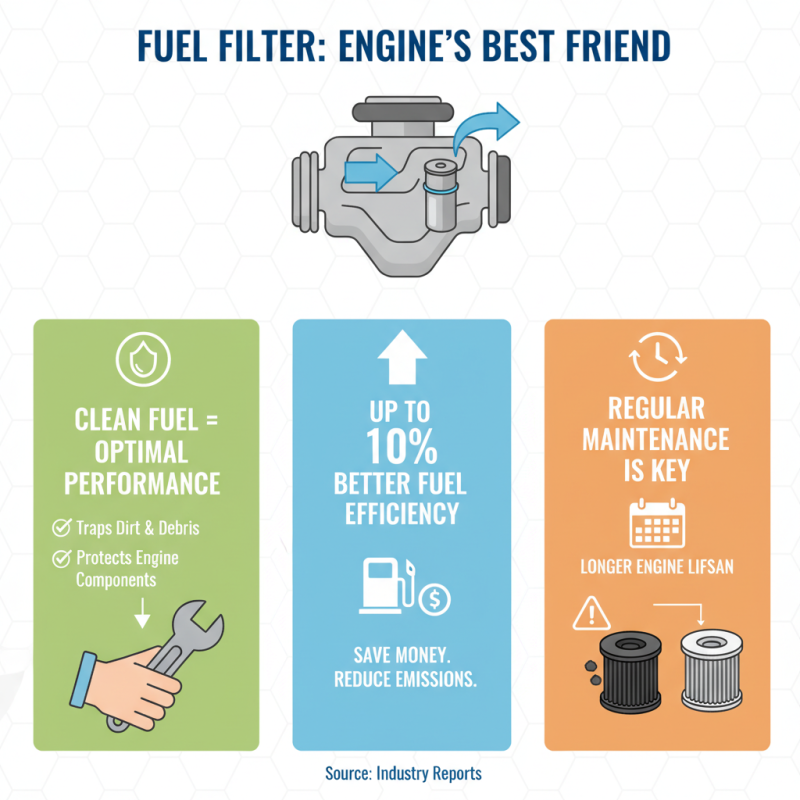
Fuel filters play a crucial role in ensuring optimal engine performance. They trap dirt, debris, and contaminants from fuel, allowing only clean fuel to reach the engine. A well-maintained fuel filter can significantly enhance engine efficiency and lifespan. According to industry reports, replacing a clogged fuel filter can improve fuel efficiency by up to 10%. This highlights the importance of regular maintenance.
Regularly inspecting your fuel filter is vital. Look for signs of wear or damage. Ensure that fuel flows freely and without interruption. Dirty filters can lead to poor engine performance, including hard starts and reduced acceleration. Change the filter according to the manufacturer’s recommendations, typically every 15,000 to 30,000 miles, depending on your driving conditions. Remember, a neglected filter not only disrupts fuel flow but can also lead to costly repairs in the fuel system.
**Tips:** When installing a new fuel filter, always ensure a tight seal. Leaks can compromise performance and safety. Also, use appropriate tools to avoid damaging the filter. If you're unsure, consult a professional. It’s better to be cautious than to face engine issues later. Regular maintenance is a commitment that pays off in performance and longevity.
Common Fuel Filter Issues and Their Impact on Engine Efficiency
Fuel filters play a crucial role in maintaining engine efficiency. They remove contaminants from gasoline or diesel before fuel reaches the engine. Over time, these filters can become clogged. A clogged filter reduces fuel flow, leading to poor engine performance.
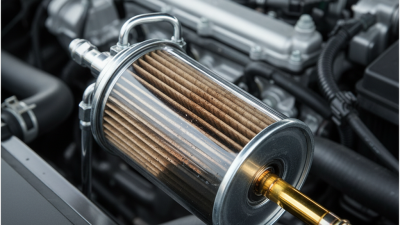
Common issues with fuel filters include leaks, corrosion, and blockages. A leak can cause fuel to spill, posing safety risks. Corrosion may happen over time, especially in older vehicles. Blockages can restrict fuel supply, causing misfires and reduced acceleration. Regularly checking and replacing fuel filters is essential for optimal performance.
Ignoring fuel filter problems can lead to significant engine issues. Engine components may wear out faster without proper filtration. In some cases, the vehicle might stall or not start at all. Keeping an eye on fuel filters is a small task that pays off in the long run. Don't overlook it.

 Products
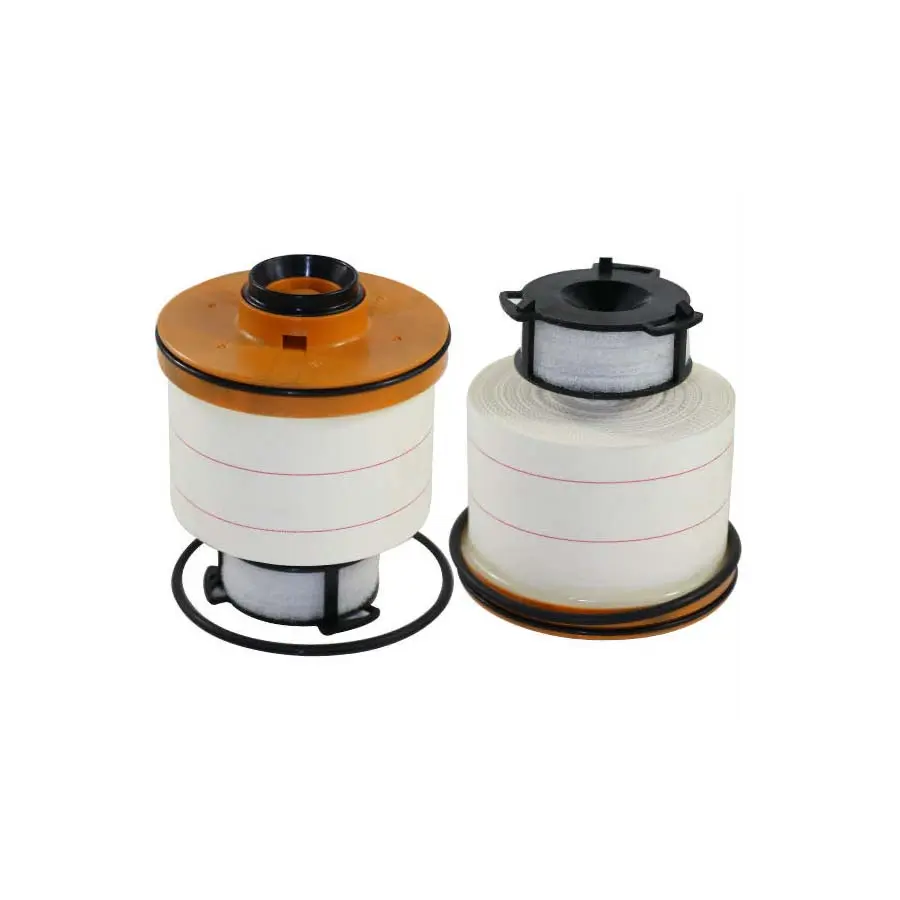 FUEL FILTER
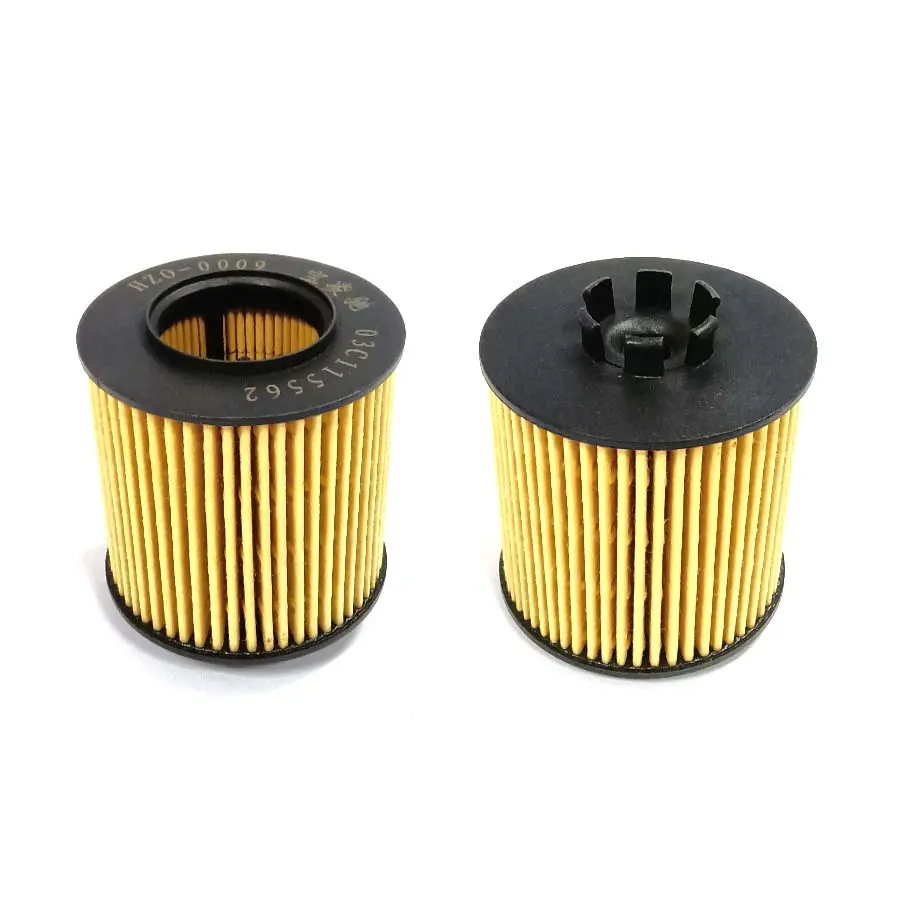 OIL ELEMENT FILTER
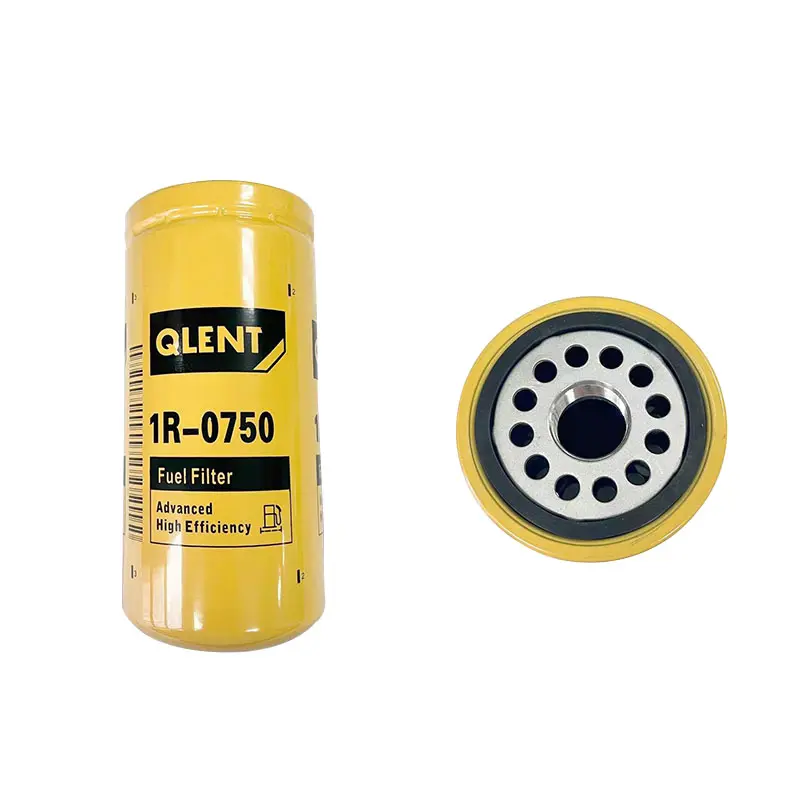 OIL FILTER
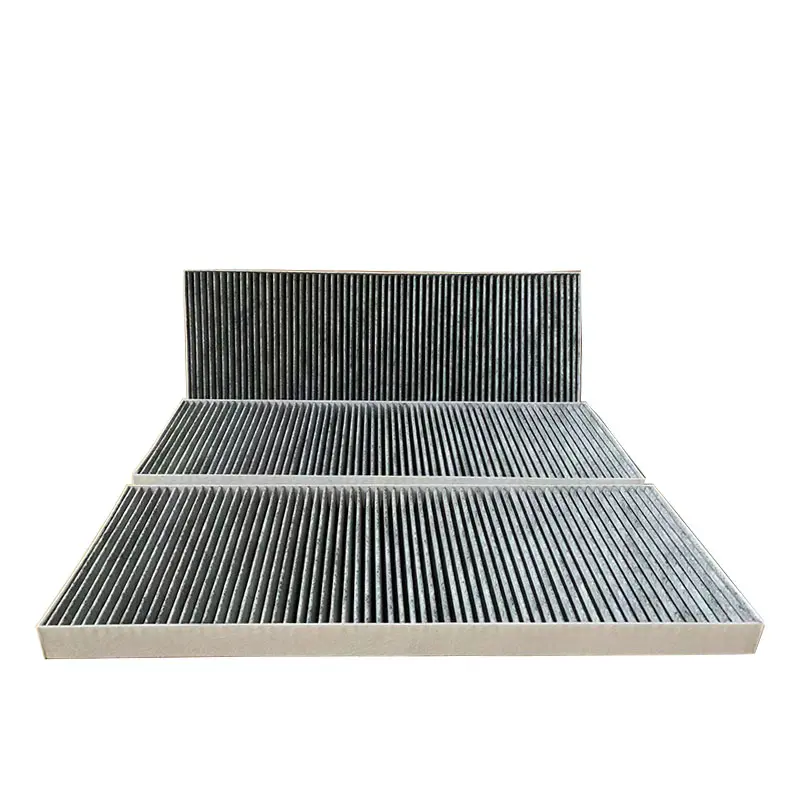 CABIN FILTER
 AIR FILTER