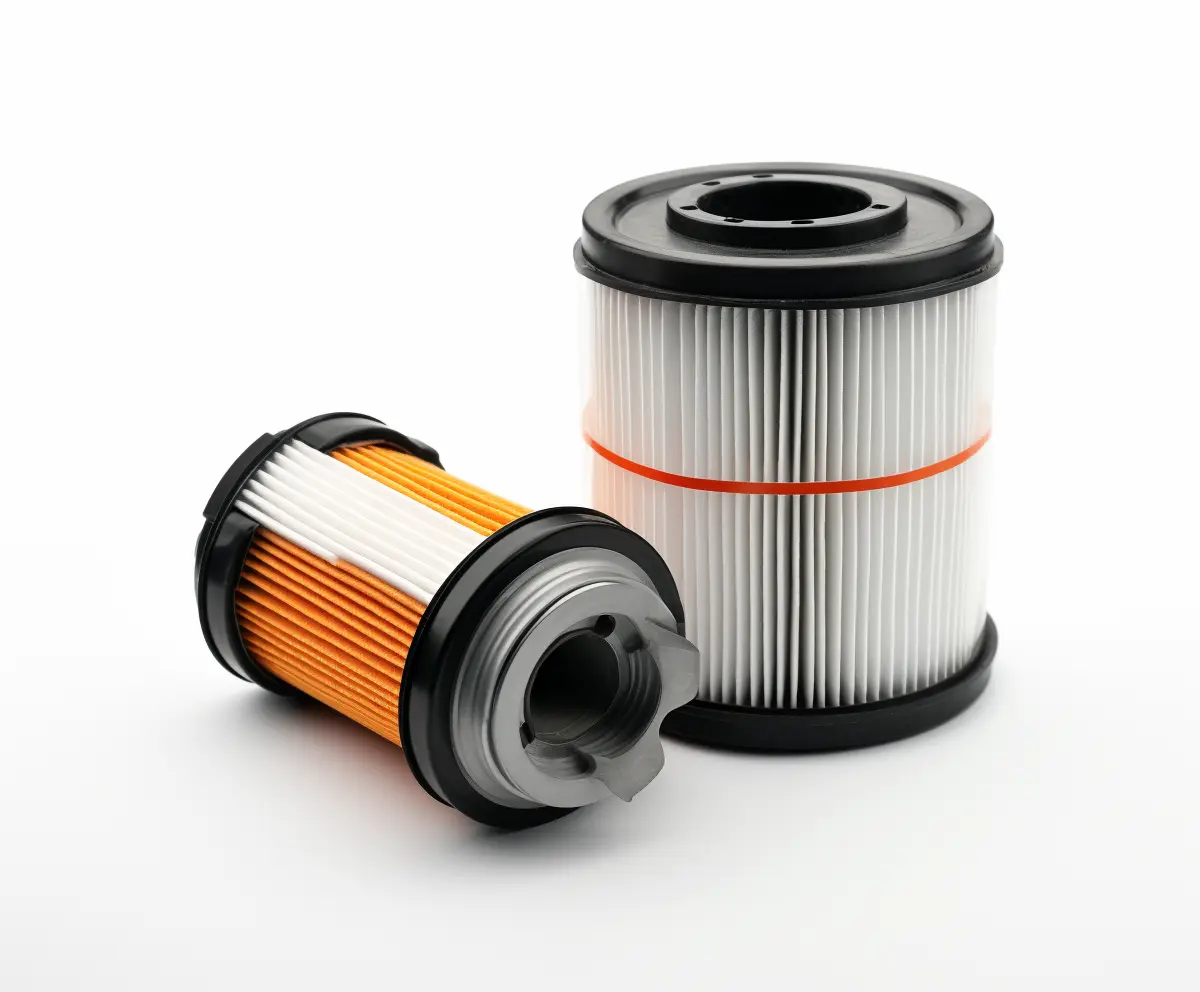
When it comes to maintaining your vehicle, filters play a crucial role. Vehicle filters ensure that your engine runs smoothly and efficiently. Different types of filters serve various purposes, keeping contaminants at bay. This can ultimately prolong the life of your vehicle.
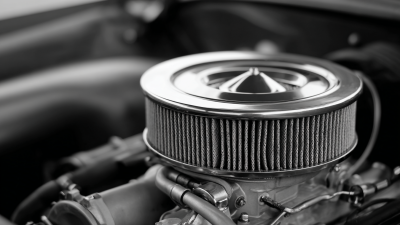
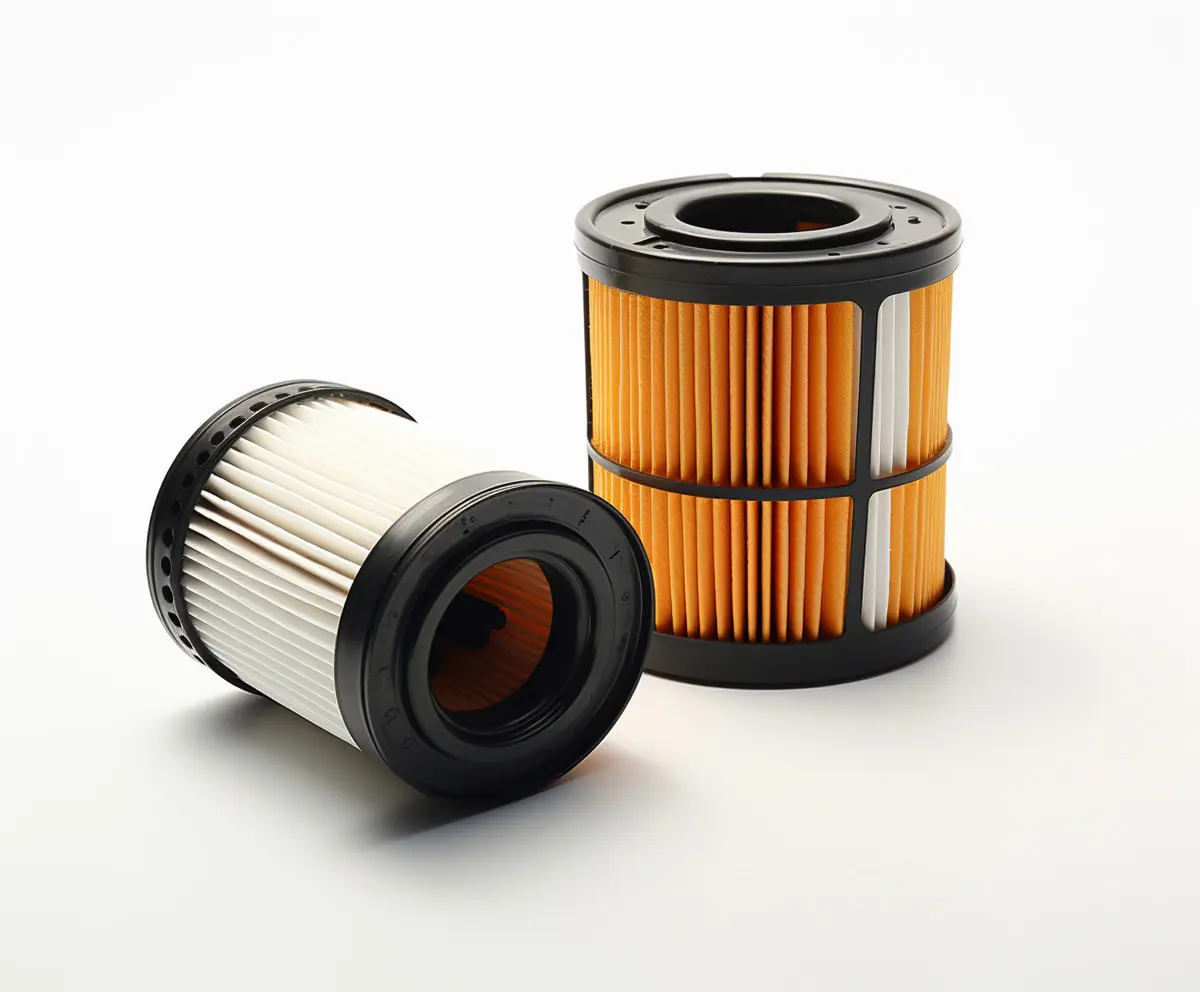
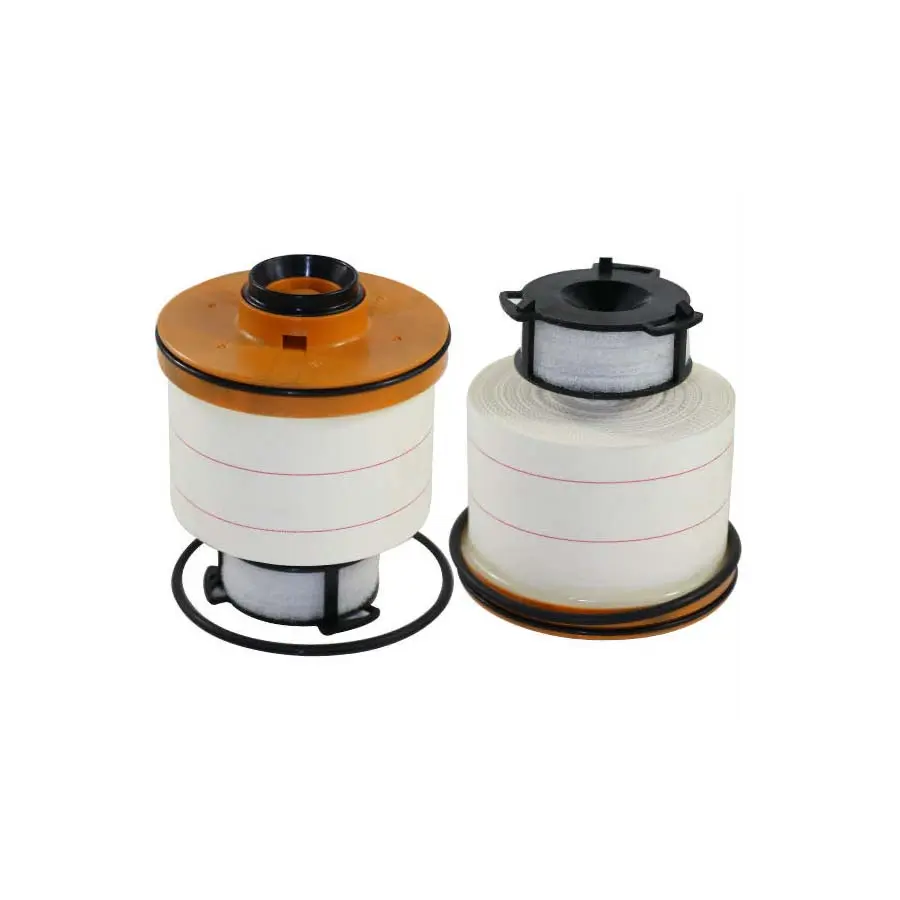
One common type is the air filter. It prevents dirt and debris from entering the engine. Another essential filter is the oil filter. It removes impurities from the engine oil, ensuring proper lubrication. Fuel filters are important too. They keep the fuel clean and free from harmful particles.
Ignoring these vehicle filters can lead to costly repairs. Not everyone pays attention to them, thinking they are unimportant. In reality, regular replacement of these filters is vital. Recognizing the right types of vehicle filters can save you time and money. Understanding their functions enhances your overall driving experience.
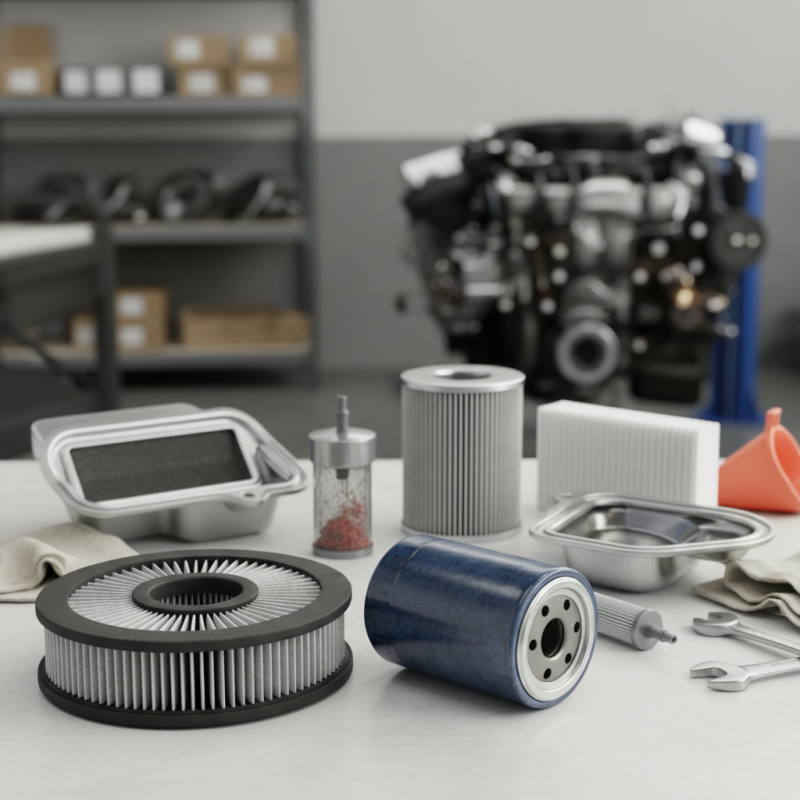
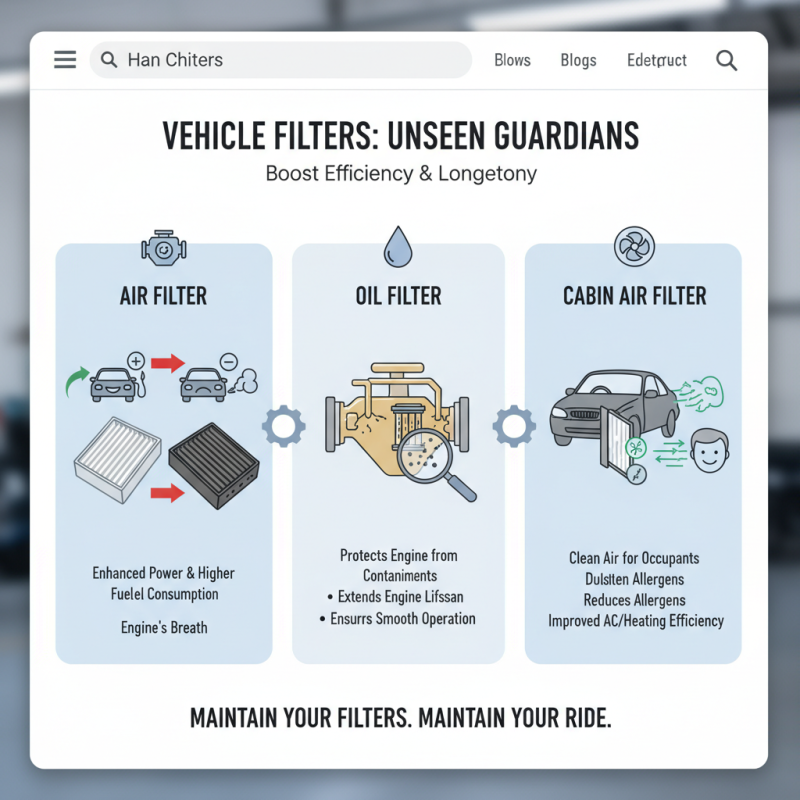
Vehicle filters play a crucial role in maintaining the efficiency and longevity of your car. They are vital for ensuring that various systems within the vehicle operate smoothly. A clean air filter helps the engine breathe better, which can enhance performance and fuel efficiency. Dirty filters can cause reduced power and higher fuel consumption.
Oil filters keep contaminants out of the engine oil. This is essential for protecting engine components from wear. A clogged oil filter can lead to serious engine damage. Similarly, fuel filters prevent dirt and debris from entering the fuel system. This ensures that the engine receives clean fuel for proper operation.
While these filters are often overlooked, their importance cannot be underestimated. Neglecting to replace them can lead to costly repairs down the line. Many drivers struggle to keep track of filter maintenance schedules. Some might not even know when a filter was last changed. It's wise to stay informed. A simple check can save you from expensive engine problems.
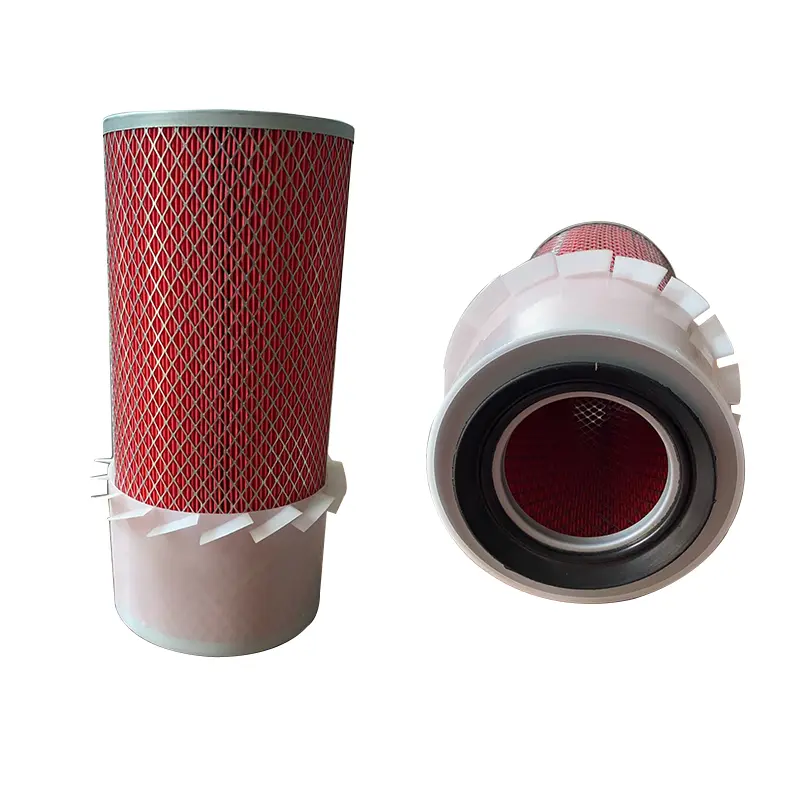
Air filters are crucial for vehicle engine performance. They trap dirt, dust, and debris. Clean air enters the engine, allowing for efficient combustion. According to the U.S. Department of Energy, a clean air filter can improve fuel efficiency by up to 10%. This means better mileage and lower emissions.
Various types of air filters exist. Paper filters are common due to their affordability. Foam filters are reusable and often used in off-road vehicles. Cotton filters offer high airflow and filtration. Each type has its pros and cons. For instance, while foam filters allow more air, they may let in more dirt too. This trade-off can affect engine longevity.
Regular maintenance is essential. Filters should be checked and replaced as needed. A clogged air filter impacts performance. Research shows that neglecting air filter maintenance can reduce engine power by as much as 11%. Such data highlights the importance of understanding and maintaining the right filter type for your vehicle.
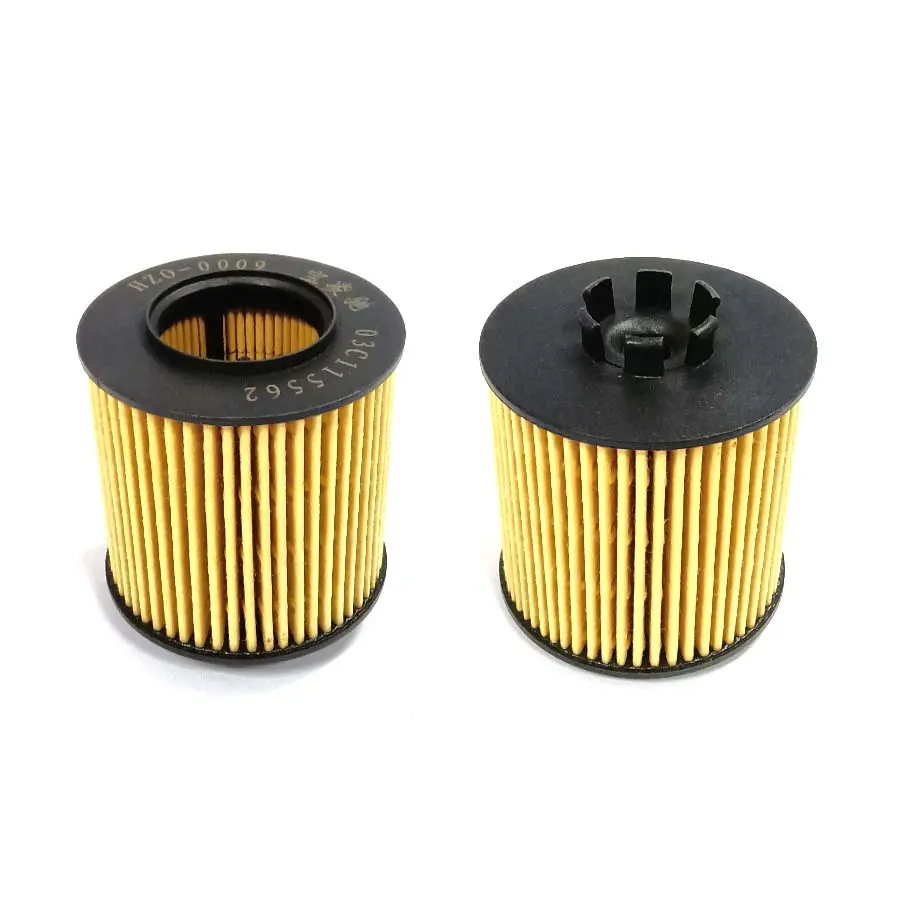
Oil filters play a crucial role in vehicle maintenance. They prevent dirt and debris from contaminating engine oil. Clean oil is necessary for proper lubrication. It ensures engine parts move smoothly. When oil is dirty, it can cause significant damage over time. Your engine may not perform at its best.
Many people overlook the importance of regular oil filter changes. This can lead to poor engine performance and lower fuel efficiency. If the filter is clogged, oil cannot flow freely. This can cause the engine to run hotter and potentially fail. One might think, "I'll change it later," but procrastination can be costly.
Changing the oil filter is a straightforward task. Yet, many still neglect it. It’s essential to check the owner's manual. Following the manufacturer's recommendations can save money in the long run. Consider investing in high-quality filters. They might cost a bit more but can make a significant difference. Regular maintenance is key to ensuring vehicle longevity.
| Filter Type | Function | Benefits | Recommended Change Interval |
|---|---|---|---|
| Oil Filter | Removes contaminants from engine oil | Ensures engine longevity and efficiency | Every 5,000 to 7,500 miles |
| Air Filter | Filters air entering the engine | Improves engine performance and fuel efficiency | Every 12,000 to 15,000 miles |
| Fuel Filter | Removes impurities from fuel | Enhances fuel delivery and engine performance | Every 30,000 to 50,000 miles |
| Cabin Air Filter | Filters air entering the cabin | Improves air quality and passenger comfort | Every 15,000 to 30,000 miles |
| Transmission Filter | Cleans transmission fluid | Ensures smooth shifting and extends transmission life | Every 30,000 to 60,000 miles |
| PCV Valve | Controls engine's internal pressure | Improves engine efficiency and reduces emissions | Every 30,000 miles |
| Brake Fluid Filter | Removes moisture and contaminants from brake fluid | Enhances braking performance and safety | Every 2 years or 24,000 miles |
| Differential Oil Filter | Cleans oil in the differential | Extends the life of the differential | Every 30,000 to 50,000 miles |
| Compressor Filter | Cleans the air conditioning compressor | Improves A/C efficiency and lifespan | Every 2 years |
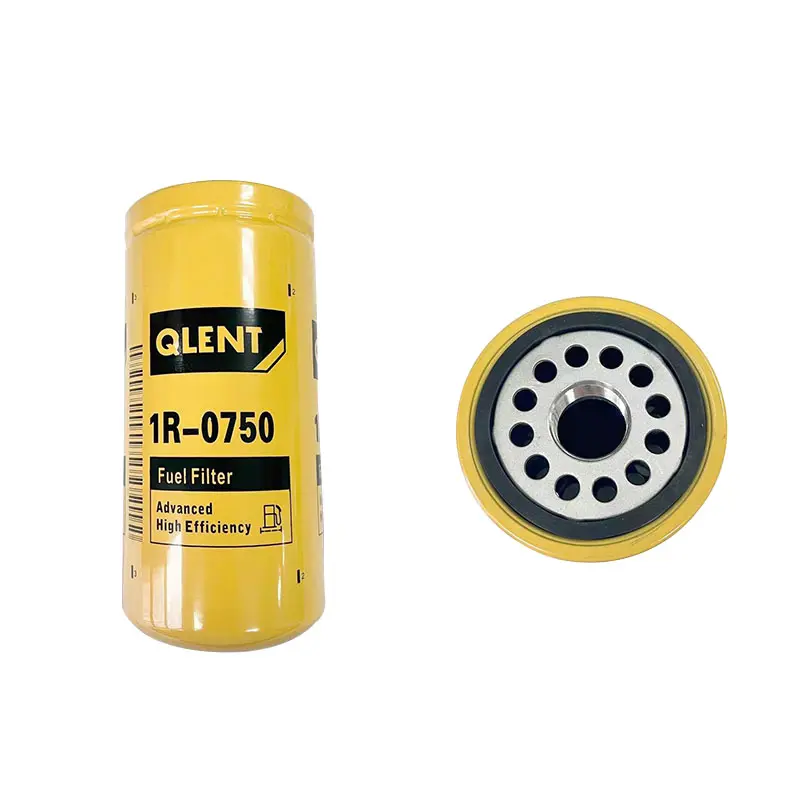
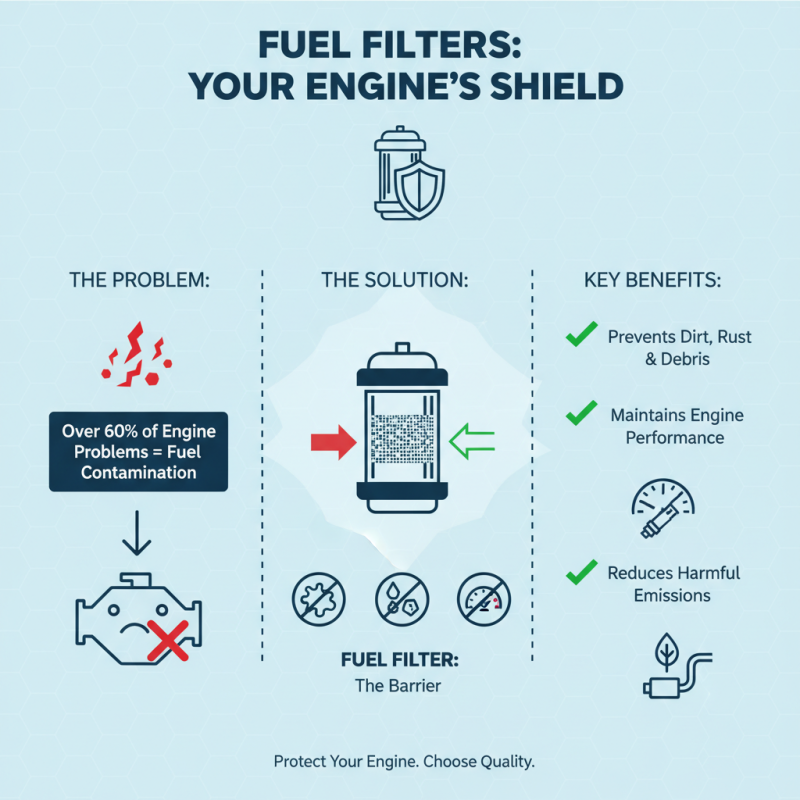
Fuel filters play a critical role in maintaining the health of your vehicle’s fuel system and engine. According to industry data, over 60% of engine problems are linked to fuel contamination. This makes a dependable fuel filter essential. It acts as a barrier, preventing dirt, rust, and debris from entering the fuel injectors and ultimately the combustion chamber. A clogged fuel filter can lead to reduced engine performance and increased emissions.
Regular replacement of fuel filters is often overlooked. Many vehicle owners neglect this maintenance task, assuming it’s not necessary. However, research indicates that changing the fuel filter can improve fuel efficiency by up to 10%. A clean filter allows fuel to flow freely. This ensures optimal engine operation and helps to avoid costly repairs.
Another concern is the quality of fuel itself. Impurities in fuel have become increasingly common, impacting filter efficiency. Industry reports suggest that nearly 30% of fuel sampled contains some level of contaminants. This statistic raises questions about fuel quality and its implications for vehicle maintenance. Filtration systems must keep up with these challenges to protect engine health effectively. Regular checks on fuel filters can prevent larger issues down the line. Ignoring this part of upkeep could lead to costly engine repairs.
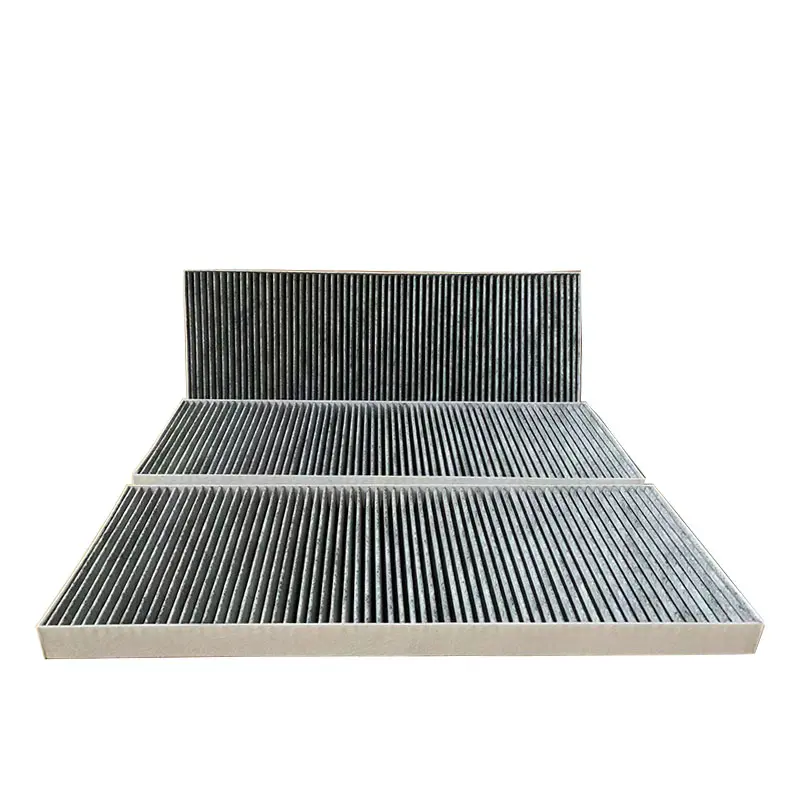
Cabin filters play a crucial role in enhancing the air quality inside your vehicle. They trap dust, pollen, and other pollutants from entering the cabin. As you drive, you breathe in the air filtered by this component. A clean cabin filter means cleaner air, which is vital for your health.
However, many drivers overlook the importance of regular filter replacement. Over time, filters can become clogged. This decreases their efficiency, leading to stale air and unpleasant odors. Make a habit of checking your filter every few months. It’s a simple task that can improve your comfort.
Tips for maintaining your cabin filter: