Inquiry
Form loading...

Why Are Car Filters Essential for Auto Engine Systems?

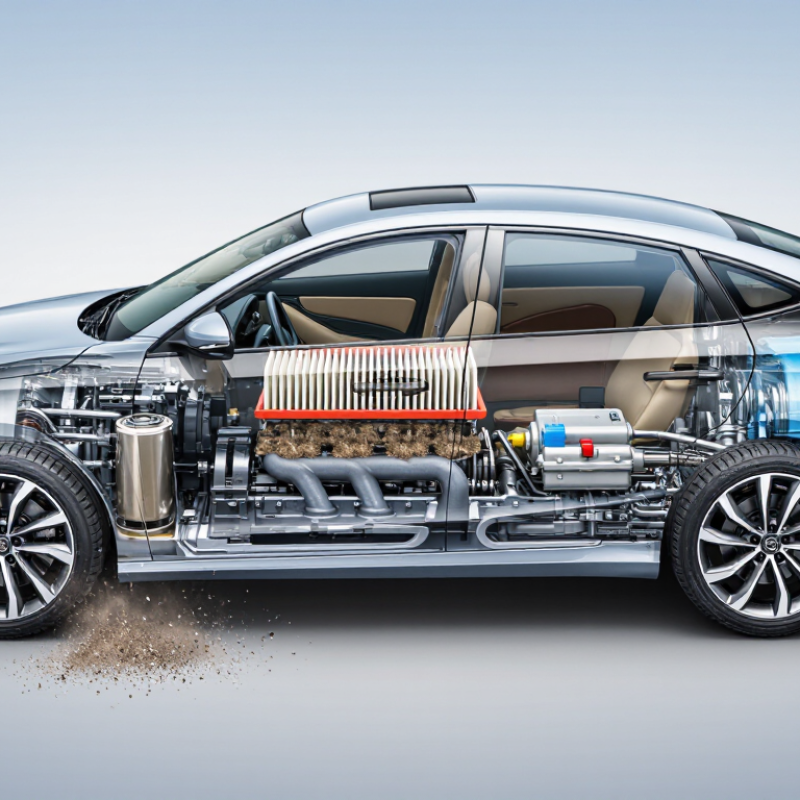
Modern vehicles depend on clean air, oil, and fuel to protect precision engine systems. That is why the Auto Engine Systems Car Filter deserves more attention than a routine service checklist usually gives it. A blocked air filter can restrict airflow, while contaminated oil may increase friction around bearings, pistons, and camshafts. Small particles matter.

Jim Fitch, a recognized lubrication and reliability expert, explains the principle clearly: “Clean oil and clean components are the foundation of reliable machine performance.” His observation applies directly to automotive engines. Filters trap dust, metal particles, soot, and other contaminants before they reach sensitive surfaces. In practical terms, a healthy filter supports stable combustion, smoother lubrication, better fuel efficiency, and longer component life.

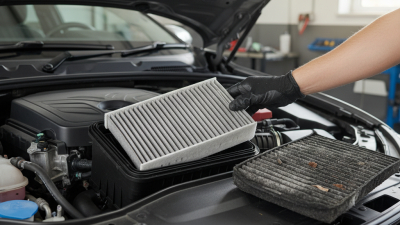
Look under a neglected hood. The air filter may appear gray and packed with road dust. The oil filter can hold invisible abrasive material, even when the engine sounds normal. That quiet sound can mislead drivers. A filter is not magic. It cannot repair worn parts or compensate for incorrect maintenance. It can, however, prevent avoidable damage when selected and replaced correctly.

This article examines why car filters are essential for auto engine systems. It considers filter types, warning signs, replacement intervals, material quality, and real maintenance conditions. Service schedules provide useful guidance, but driving patterns change the answer. Heavy traffic, dusty roads, short trips, and extreme temperatures can all shorten filter life. Sometimes, the simplest component protects the most expensive system.
Why Are Car Filters Essential for Auto Engine Systems?

What Are Car Filters and How Do They Support Engine Systems?

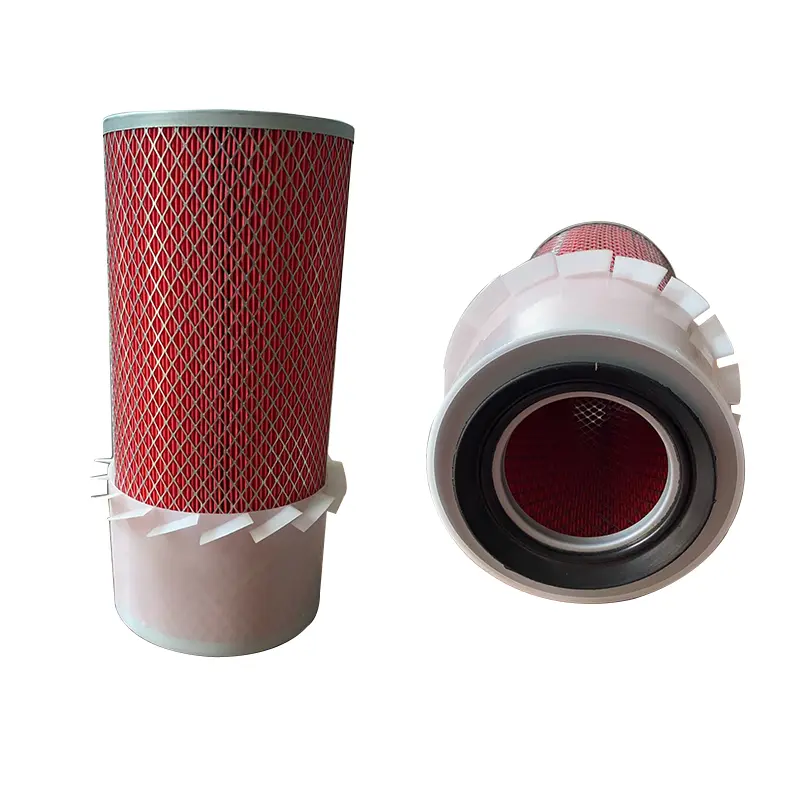
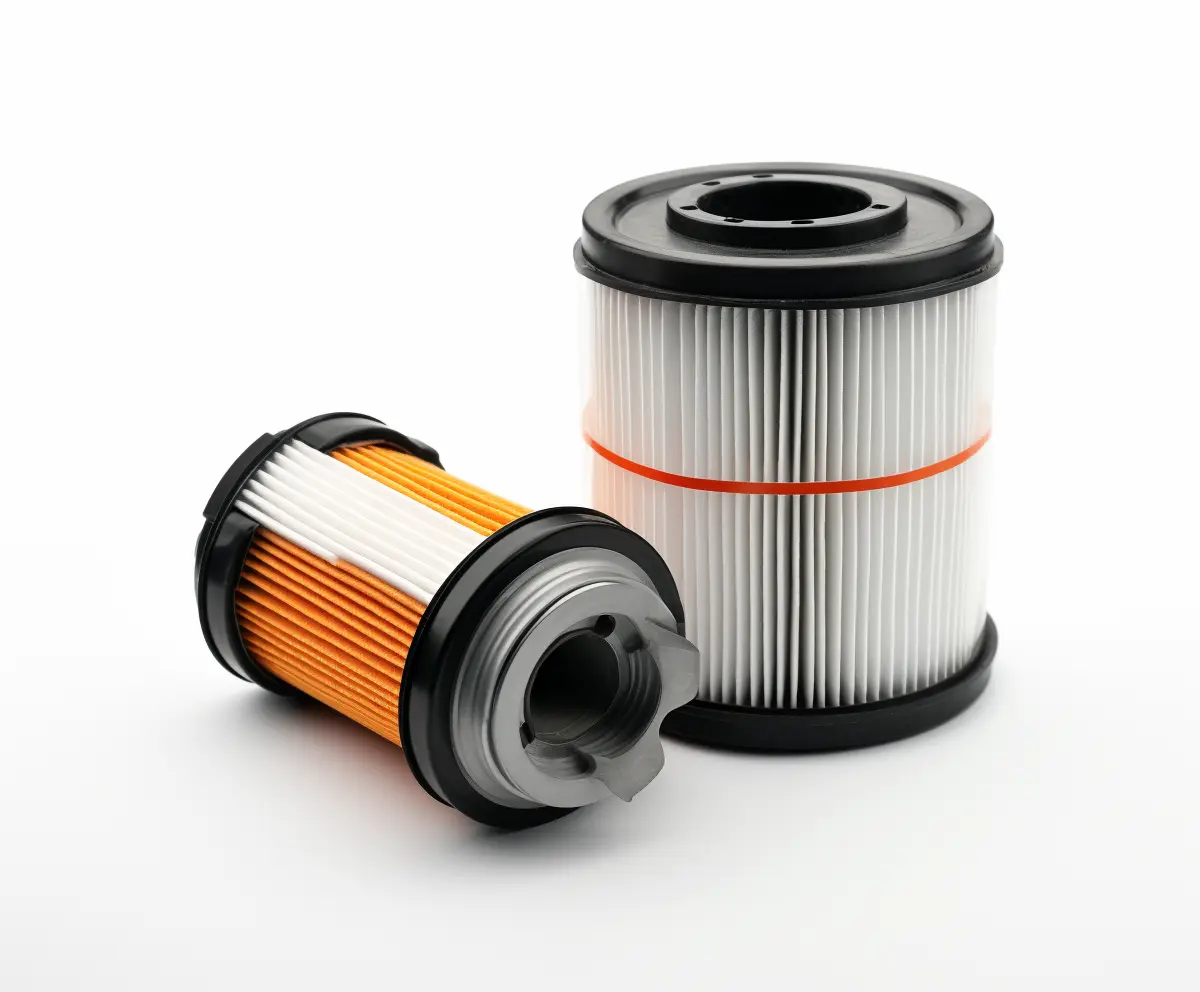
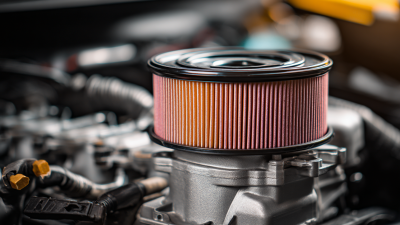
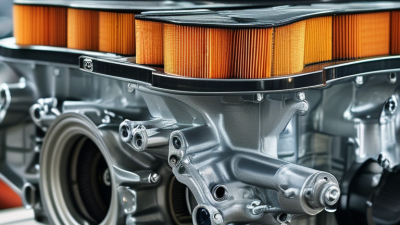
Car filters are small components, but they protect several critical engine systems. The air filter removes dust, pollen, and fine grit before air reaches the combustion chamber. Clean air helps the engine burn fuel more evenly. A blocked filter can restrict airflow, causing weak acceleration and higher fuel use. It may also make the engine work harder. Small parts. Quiet protection.

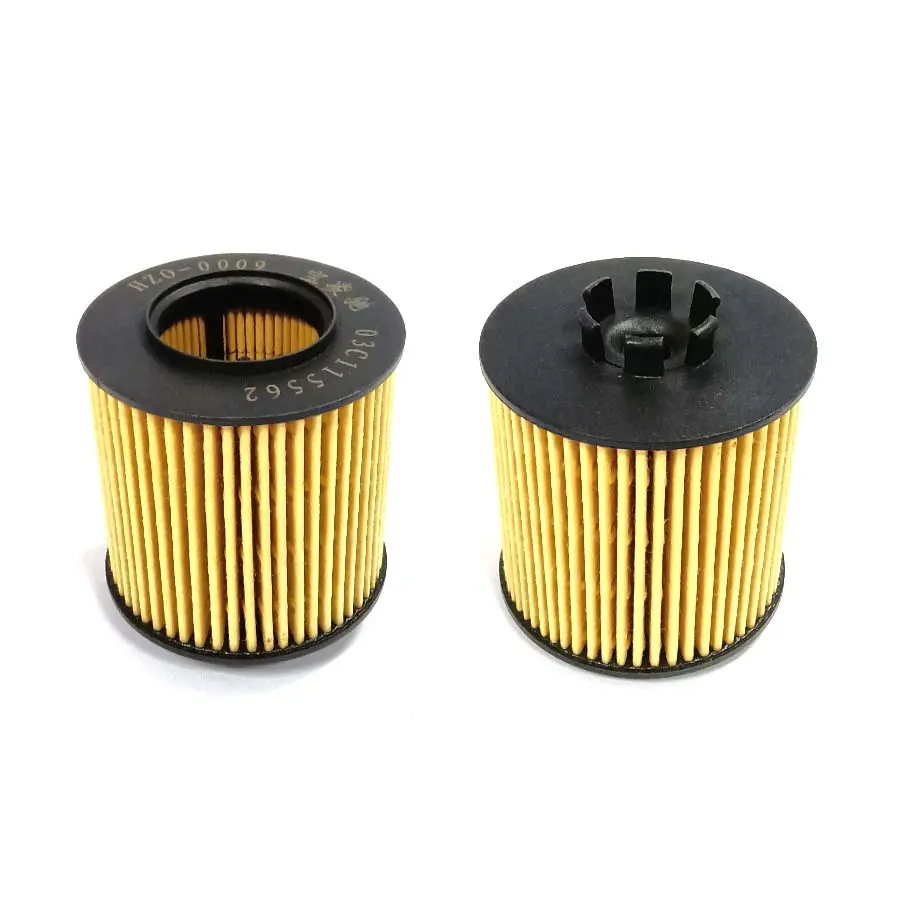
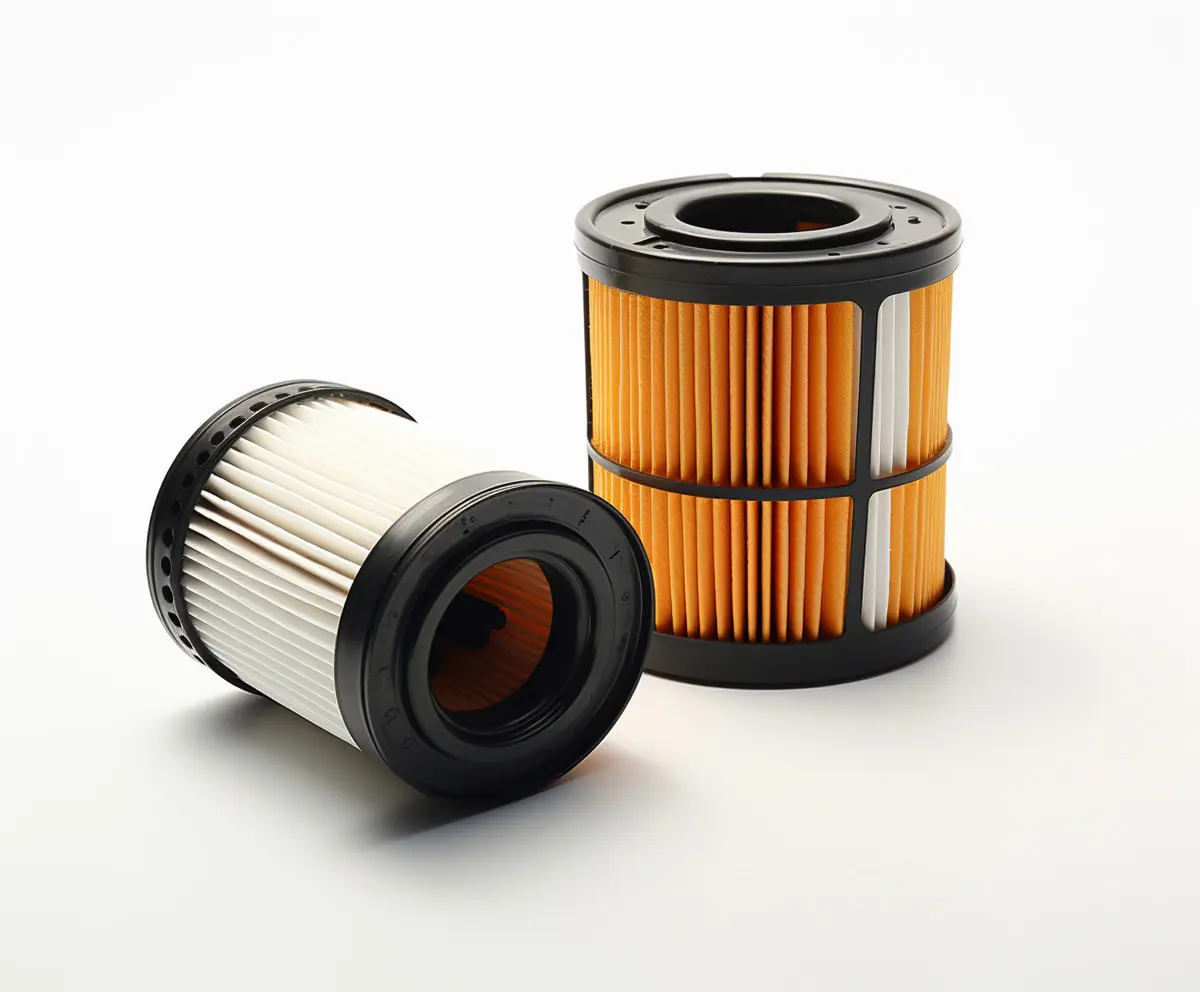
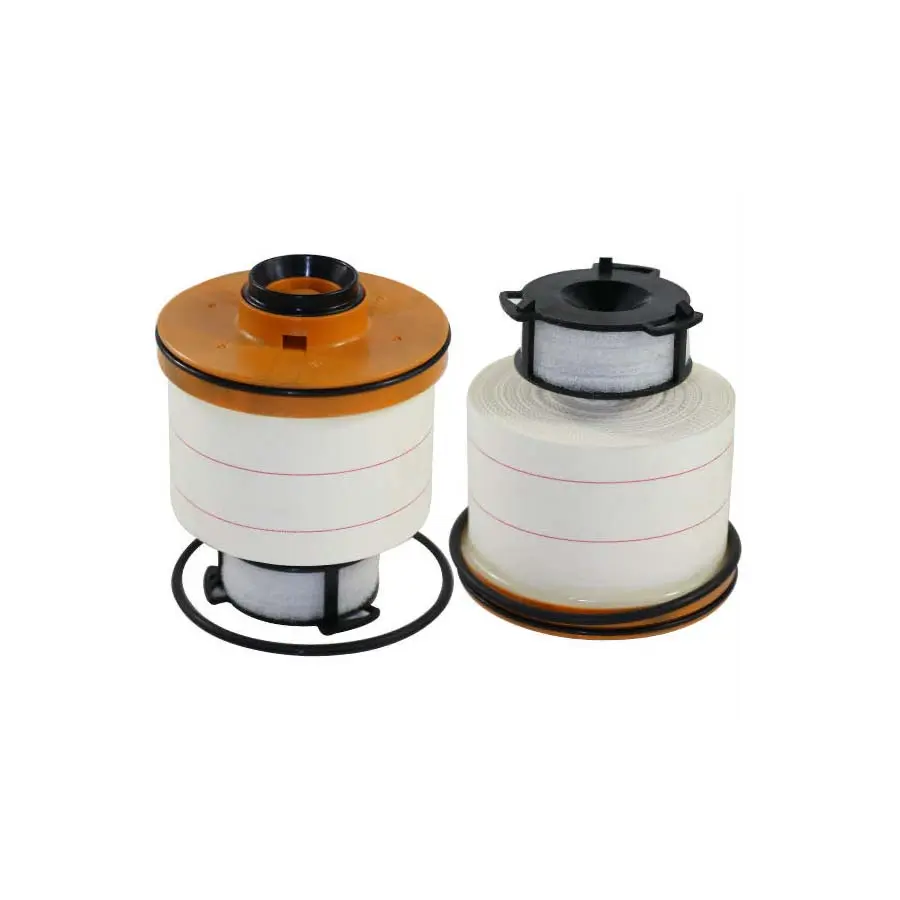
The oil filter captures metal particles, carbon residue, and other contaminants circulating through the lubrication system. This helps protect bearings, pistons, and moving valve components from unnecessary wear. The fuel filter also screens particles and water before fuel reaches sensitive injection parts. In practical maintenance, technicians inspect filter condition alongside oil quality, mileage, and driving conditions. Dusty roads usually demand closer attention than clean urban routes.

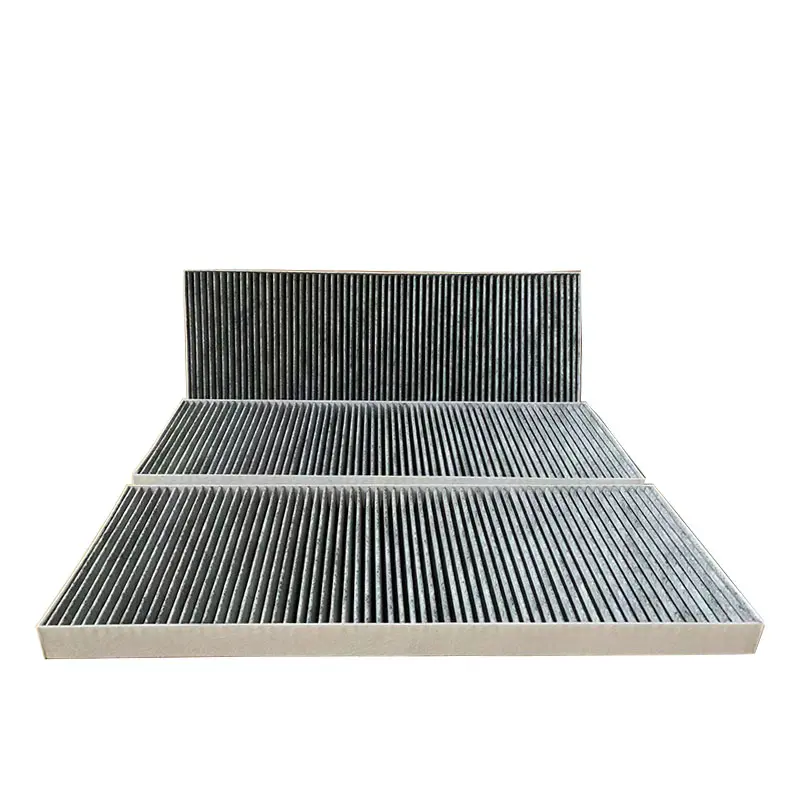
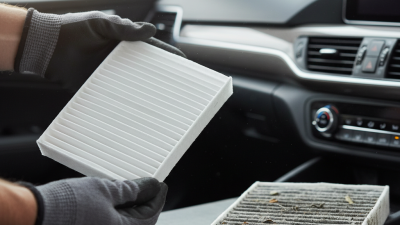
Cabin filters do not protect the engine directly, but they improve air quality inside the vehicle. Their condition can reveal how much dust the vehicle regularly encounters. Filter replacement intervals are useful, yet they should not be treated as perfect rules. A filter may appear clean while holding fine particles. I have sometimes underestimated that detail. A careful inspection, supported by the vehicle service schedule, remains more reliable than appearance alone. Quality fit and correct installation matter because even a good filter can fail when poorly sealed.

Why Are Car Filters Essential for Auto Engine Systems?

Overview of the main filters that protect engine air, lubrication, and fuel systems.
Filter Type System Location What It Removes or Controls How It Supports the Engine Typical Maintenance Guidance Possible Effects of Neglect
Engine Air Filter Between the air intake and the engine throttle body or turbocharger Dust, sand, pollen, insects, and other airborne particles Provides cleaner air for combustion and helps protect cylinders, piston rings, turbocharger components, and airflow sensors. Inspect during scheduled servicing. Replacement is commonly based on condition, driving environment, and the vehicle manufacturer’s service schedule. Restricted airflow, reduced acceleration, increased intake resistance, and possible contamination of sensitive intake components.
Engine Oil Filter Installed in the pressurized engine lubrication circuit Metal wear particles, soot, dirt, and degraded oil contaminants Helps keep lubricating oil cleaner so bearings, camshafts, timing components, and other moving parts receive suitable protection. Normally replaced at every engine oil change. The correct filter specification and oil-change interval should follow the vehicle manufacturer’s instructions. Increased abrasive wear, reduced lubrication quality, oil-flow restriction, and possible damage to engine components.
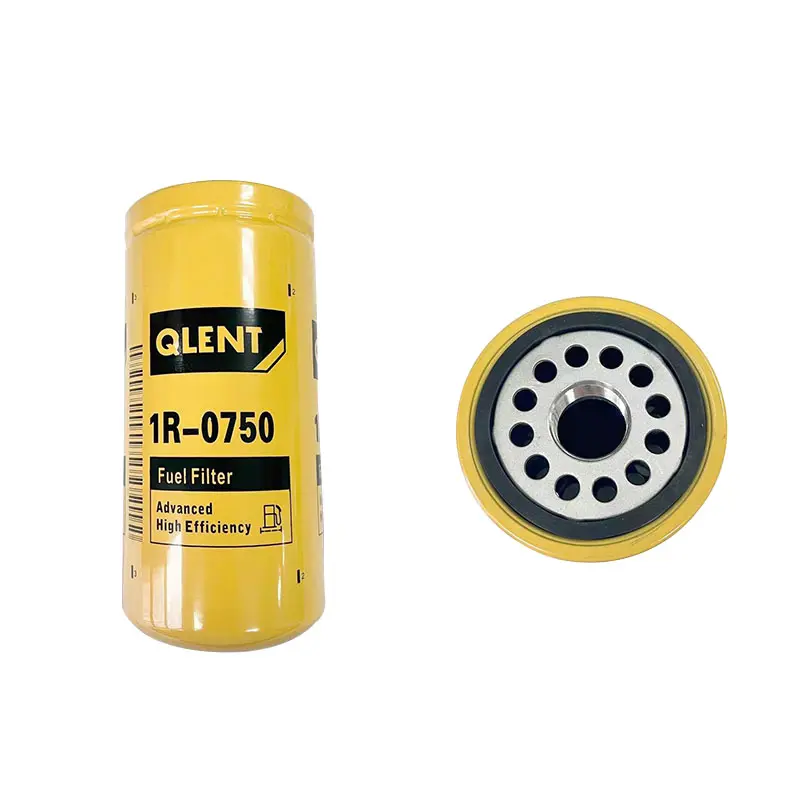
Fuel Filter Located in the fuel line or integrated into the fuel tank module, depending on the vehicle design Rust, sediment, dust, and water; some designs also separate water from diesel fuel Helps protect fuel injectors, the high-pressure fuel pump, and other precision fuel-system components while supporting consistent fuel delivery. Replacement intervals vary widely. Some filters are serviceable, while some in-tank filters are designed for extended service; follow the vehicle-specific schedule. Hard starting, hesitation, loss of power, poor fuel delivery, fuel-pump strain, or injector damage.
Diesel Water-Separator Filter Part of the fuel supply system on many diesel applications Water and solid contaminants suspended in diesel fuel Reduces the risk of corrosion and wear in high-pressure pumps and diesel injectors. Drain collected water only if the vehicle is designed for this procedure, and replace the filter according to the manufacturer’s service instructions. Corrosion, poor combustion, injector wear, fuel-system malfunction, and possible high-pressure pump damage.
Crankcase Ventilation Filter or Separator In the crankcase ventilation system, where fitted Oil mist and crankcase vapors before gases are routed back into the intake or treated by the emissions system Helps control crankcase pressure and limits oil carryover into the intake system. Service requirements depend on engine design. Inspect for blockage, oil accumulation, or damage during scheduled maintenance. Excess crankcase pressure, oil leaks, increased intake deposits, and reduced ventilation-system performance.
Maintenance intervals differ according to vehicle design, engine type, climate, traffic conditions, dust exposure, fuel quality, and driving style. Always use the vehicle manufacturer’s service schedule and the correct filter specification.

How Do Air, Oil, Fuel, and Cabin Filters Function?

Why Are Car Filters Essential for Auto Engine Systems?

Air, oil, fuel, and cabin filters perform different jobs, but each protects a vehicle’s working environment.

The air filter blocks dust before it reaches the intake system. A restricted filter can reduce airflow and weaken acceleration. However, the U.S. Department of Energy notes that replacing a clogged air filter improves fuel economy mainly in older engines. Modern fuel-injected engines may show little mileage improvement.

That detail is often missed.

The oil filter captures soot, metal particles, and sludge before they circulate through bearings and moving parts. ISO 16889 testing shows why filtration performance depends on particle size, pressure, and flow.

The fuel filter protects injectors from rust, sediment, and water. Its condition matters more when fuel quality or storage conditions are uncertain.

The cabin filter works outside the engine. It traps pollen and airborne particles before they enter the passenger compartment. ASHRAE Standard 52.2 evaluates particle-removal efficiency, but it does not create one universal replacement schedule. Real driving conditions still matter.

Tips: Check the service manual, not guesswork. Inspect filters during dusty-road driving or heavy traffic. Look for oil-soaked paper, damaged pleats, or unusual airflow. Do not assume a darker filter is automatically defective. My maintenance notes also show an uncomfortable truth: some filters are replaced too early, while neglected ones stay hidden until performance drops. A simple inspection can prevent both mistakes.

Why Is Clean Air Critical for Engine Combustion?

Clean air is critical for efficient engine combustion. An engine needs a carefully balanced mixture of air and fuel. When the air filter is clean, oxygen can reach the combustion chamber with fewer restrictions. This helps the engine burn fuel more completely and respond smoothly during acceleration. In workshop inspections, a clogged filter often leaves visible dust around the intake housing. Drivers may also notice weaker power, rough idling, or increased fuel use. These signs are not always caused by the filter, but ignoring it can make diagnosis harder.

A dirty filter reduces airflow and may upset the engine’s intended air-fuel balance. The result can be incomplete combustion, higher emissions, and extra strain on engine components. Modern engines use sensors to adjust fuel delivery, yet sensors cannot create clean airflow. They only react to changing conditions. That distinction matters. Filter replacement intervals should consider dusty roads, heavy traffic, and frequent short trips. The schedule in a vehicle’s service information is useful, but real driving conditions may demand earlier inspection.

Tips: Hold the filter under good light. If little light passes through, inspect it closely. Never clean a disposable paper filter with compressed air, because the filter media can tear. Check the housing seal and intake duct for gaps. A small crack may allow unfiltered dust inside. Record inspection dates, even if the filter appears acceptable. Sometimes “still usable” is only a hopeful guess.

Why Are Car Filters Essential for Auto Engine Systems?

Why Is Clean Air Critical for Engine Combustion?

This chart shows the estimated intake air volume required by a 2.0-liter, four-stroke engine operating at 90% volumetric efficiency. As engine speed increases, the engine must process more air to maintain the correct air–fuel mixture. A clean air filter helps protect the cylinders from abrasive particles while allowing the airflow needed for efficient combustion.

Calculated using: displacement × engine speed ÷ 2 × volumetric efficiency. Values represent theoretical intake volume at standard atmospheric conditions.

How Do Filters Protect Engine Components and Improve Performance?

Filters act as the engine’s first line of defense. The air filter stops dust, sand, and pollen before they reach the cylinders. A clean filter supports stable airflow and accurate fuel delivery. Too much restriction can make the engine feel slow. It can also increase intake noise.

The U.S. Department of Energy’s FuelEconomy.gov reports that replacing a clogged air filter improved acceleration by 6–11% in older carbureted vehicles. Modern fuel-injected engines may show smaller fuel-economy gains, so expectations should remain realistic. Performance still depends on airflow, sensors, ignition, and driving conditions. The difference is not always dramatic.

Oil filters protect bearings, camshafts, and piston surfaces from abrasive particles. Particles around 10–20 micrometres can contribute to wear when oil circulation continues for thousands of kilometres. SAE J726 and ISO 5011 testing evaluate airflow restriction, particle capture, and pressure drop. These measurements help technicians compare filtration performance without relying only on appearance. A dark filter is not automatically defective. A clean-looking filter may still be saturated internally. That is easy to miss. Inspecting service intervals, operating conditions, and pressure readings gives a more reliable diagnosis. Short trips, dusty roads, and heavy idling can demand earlier replacement than a standard schedule.

When Should Each Car Filter Be Inspected or Replaced?

Why Are Car Filters Essential for Auto Engine Systems?

When Should Each Car Filter Be Inspected or Replaced?

A clean engine air filter protects the engine from dust and grit. Inspect it during routine servicing, especially after driving on unpaved roads. Replace it when the pleats look heavily darkened, damaged, or clogged. A fixed mileage rule can mislead. Many vehicles need inspection around 12,000 miles, but dusty conditions shorten that interval. I have seen filters look acceptable outside while packed with fine dust inside.

Change the oil filter whenever the engine oil is replaced. It traps metal particles and sludge that can damage moving parts. Inspect the fuel filter according to the service manual, often between 20,000 and 60,000 miles. Symptoms may include hard starting, weak acceleration, or engine hesitation. Some modern fuel filters are built into the fuel pump assembly, so replacement is not always simple.

Check the cabin air filter about every 12,000 to 15,000 miles. Replace it sooner when airflow weakens or the interior smells musty. Transmission filters require inspection during scheduled fluid service. Their interval depends on transmission design and driving conditions. Do not guess here. A technician should check the fluid, filter, seals, and debris together.

Still, no inspection is perfect. A filter may appear clean yet restrict airflow or hold moisture, so service records and actual vehicle symptoms should guide the decision.