Why Should You Replace Your Air Conditioning Filter Regularly?
Regular maintenance of your air conditioning system is crucial for optimal performance. One of the most overlooked aspects is the air conditioning filter. This essential component plays a significant role in keeping your indoor air clean and your system running efficiently.
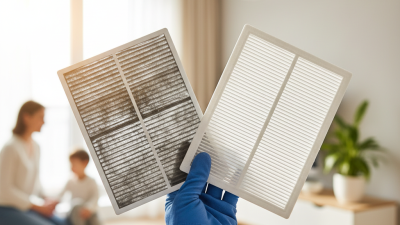
When you neglect to replace the air conditioning filter regularly, dirt and dust accumulate. This buildup can reduce airflow, causing your system to work harder. In turn, this increases energy consumption and may lead to costly repairs. A clean filter improves air quality and reduces allergens and pollutants in your home.
Many homeowners might not realize how vital this simple task is. Ignoring it can lead to poor system performance. Regularly changing your air conditioning filter is a small step with lasting benefits. It enhances comfort and promotes a healthier living environment.
Importance of Air Conditioning Filters in Home Comfort
Air conditioning filters play a crucial role in maintaining home comfort. They capture dust, allergens, and pollutants. A clean filter ensures better air quality, promoting a healthier indoor environment. When filters are dirty, they restrict airflow. This can lead to reduced efficiency of the air conditioning system.
Regularly changing your filter can enhance cooling efficiency. It allows the system to run smoothly and effectively. Homeowners often overlook this simple task. A neglected filter can strain the unit, resulting in costly repairs. Noticing higher energy bills can be a sign that it's time for a change.
Filters also contribute to overall comfort levels. They help maintain consistent temperatures throughout your home. When filters are clogged, you may feel hot spots or uneven cooling. This affects your daily comfort, making your living space less enjoyable. Taking the time to check and replace filters can lead to a more pleasant home atmosphere.
Frequency of Air Conditioning Filter Replacement
Impact of Clogged Filters on Air Quality and Health
Clogged air conditioning filters can significantly impact indoor air quality. When filters are dirty, they can't trap allergens, dust, and pollutants effectively. According to the U.S. Environmental Protection Agency, indoor air can be two to five times more polluted than outdoor air. This increase in contaminants can lead to respiratory issues and worsen allergies.
Airborne particles can circulate in your home, causing health problems. The American Lung Association states that poor air quality is linked to asthma and other lung diseases. Regularly replacing filters can reduce exposure to these harmful particles. A study found that people with cleaner indoor air experience fewer health complaints.
Neglecting filter maintenance can have long-term effects. Over time, clogged filters strain your HVAC system, leading to higher energy bills. The U.S. Department of Energy estimates that replacing a dirty filter can improve system efficiency by 5 to 15 percent. It's clear that maintaining clean filters benefits both health and cost efficiency.
Frequency Recommendations for Replacing Air Conditioning Filters
Changing your air conditioning filter regularly is crucial for optimal performance. Experts recommend checking your filter monthly and replacing it every three months. However, this frequency can vary based on several factors. If you have pets or allergies, you might need to change it more often. Dust and allergens can accumulate quickly, affecting indoor air quality.
In busy households, filters can clog faster. You may notice reduced airflow or strange smells, indicating it's time for a change. It's not just about comfort; poor air quality can impact health. In some cases, forgetting to replace the filter can lead to costly repairs due to overworking the system.
Regular maintenance is a practice that requires attention. Understand that your lifestyle and environment play a vital role. Keep track of your filter's condition, so you don’t overlook this simple yet essential task. Taking this step ensures a longer life for your air conditioning unit.
Benefits of Regular Filter Maintenance for Energy Efficiency
Regularly replacing your air conditioning filter is essential for maintaining energy efficiency.
A clean filter allows your system to run smoothly. When filters are clogged, airflow is restricted.
This means your air conditioning unit must work harder. Increased strain leads to higher energy consumption.
A dirty filter can reduce efficiency by up to 15%. This translates to noticeable spikes in your utility bill.
Cleaning or replacing filters can improve air quality too. Pollutants and allergens are trapped more effectively, resulting in cleaner air for your home.
Families with children or pets can benefit significantly from this.
Ignoring the need for regular filter maintenance can have consequences. Many homeowners overlook this simple task.
Doing so means you may face costly repairs down the line. Catching issues early through regular maintenance is key.
Simple checks and replacements can prolong the life of your system. Keeping your environment comfortable while saving on energy is a
win-win.
Steps to Properly Replace Your Air Conditioning Filter
Replacing your air conditioning filter is a simple yet crucial task. Regular maintenance ensures your system runs efficiently. A dirty filter can lead to poor airflow and increased energy costs. It is essential to know how to replace it properly to maintain optimal performance.
To begin, turn off your air conditioning unit. This prevents any electrical mishaps. Locate the filter compartment, usually near the air handler or furnace. Remove the old filter carefully. Check for any accumulated dust or debris. This buildup can affect air quality and efficiency.
Install a new filter in the correct direction. The airflow arrows on the filter guide you. Make sure it fits snugly into place. After replacing it, turn your unit back on. Monitor its performance in the following days. If airflow improves noticeably, you’ve done it right. However, if problems persist, revisit your installation or consult a professional.

 Products
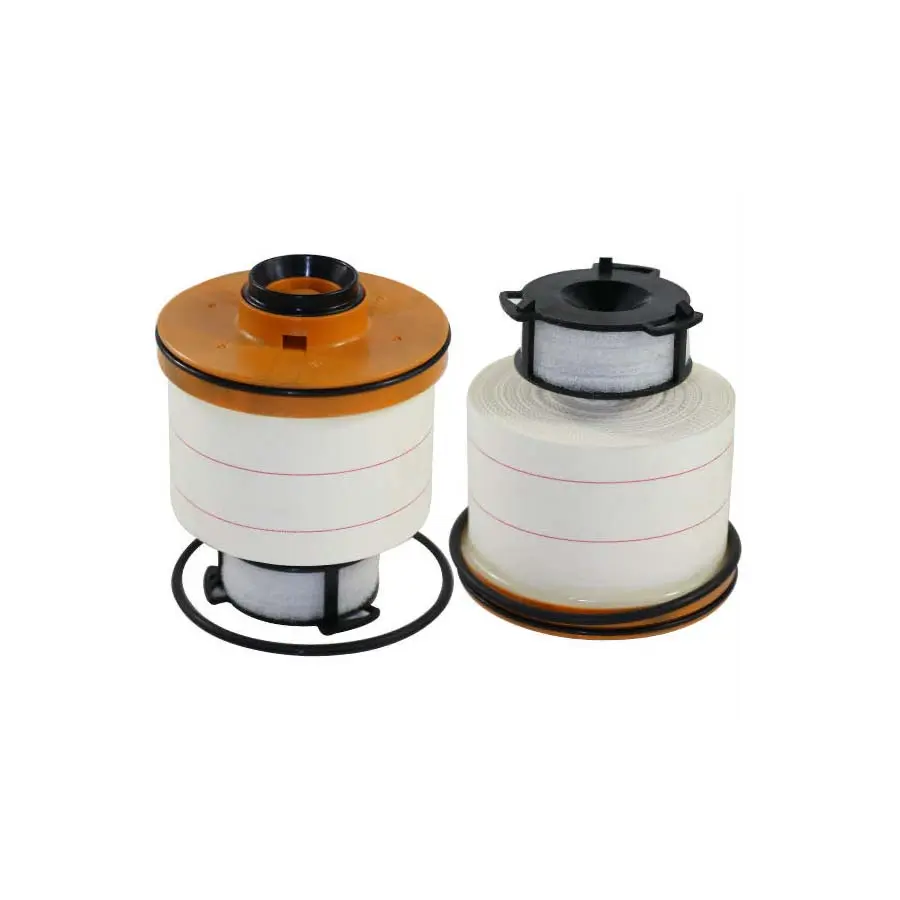 FUEL FILTER
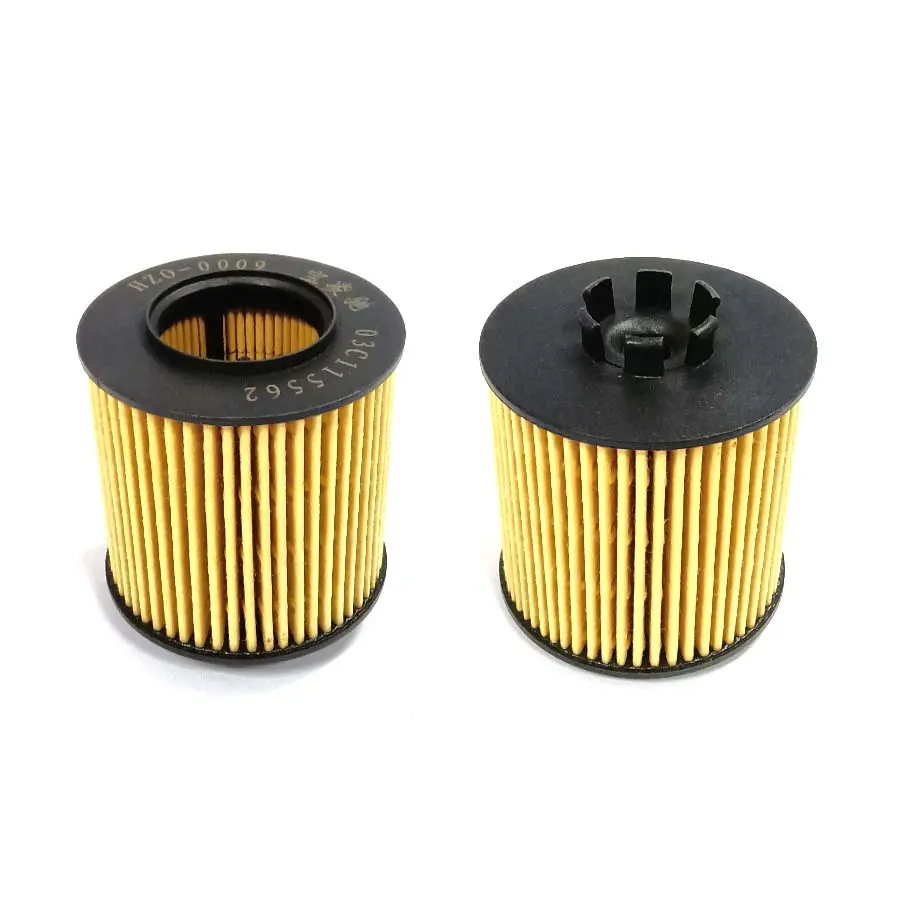 OIL ELEMENT FILTER
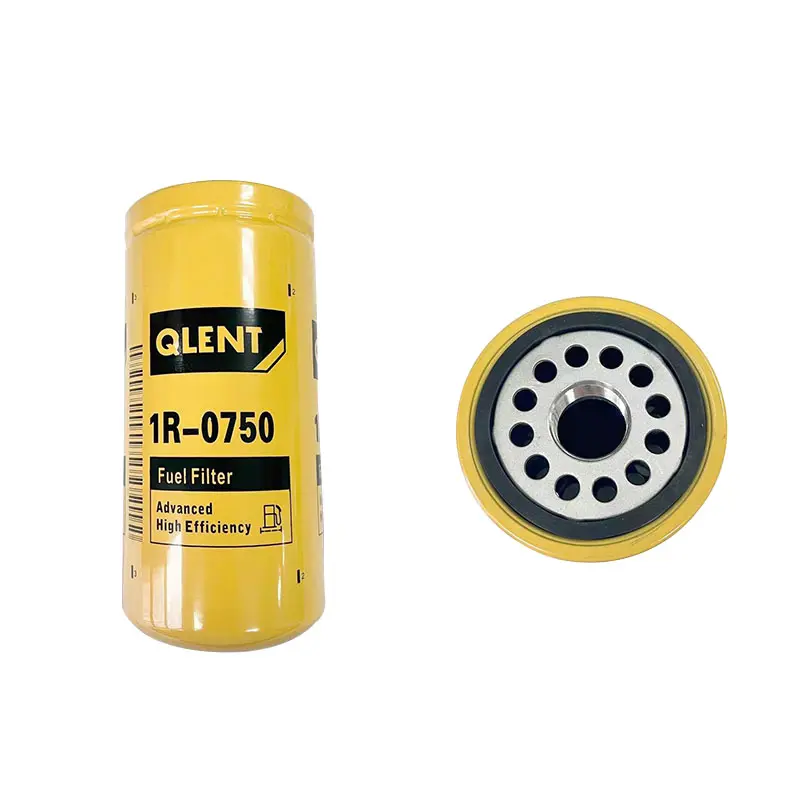 OIL FILTER
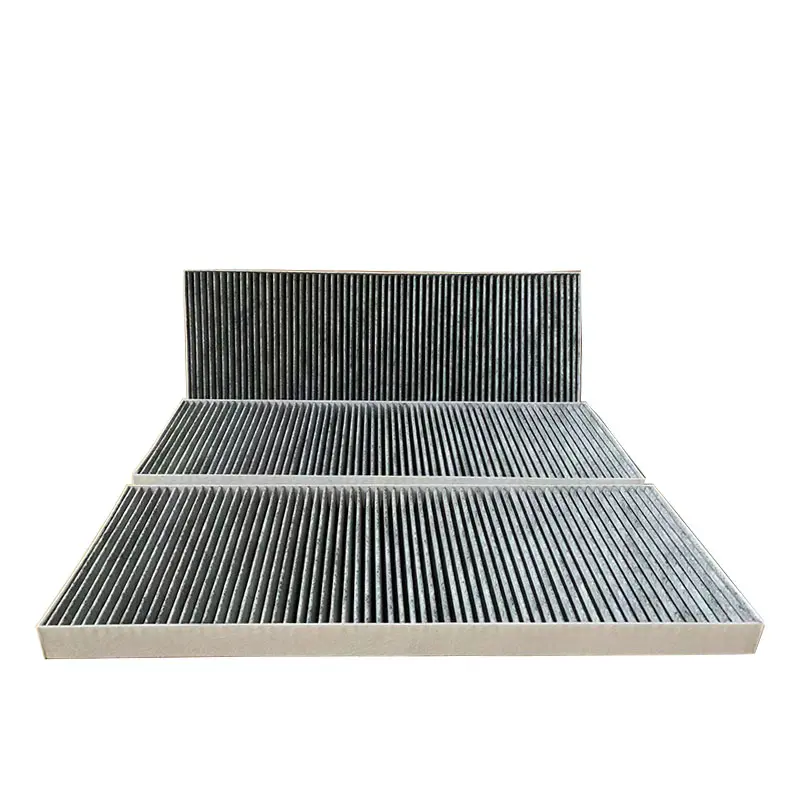 CABIN FILTER
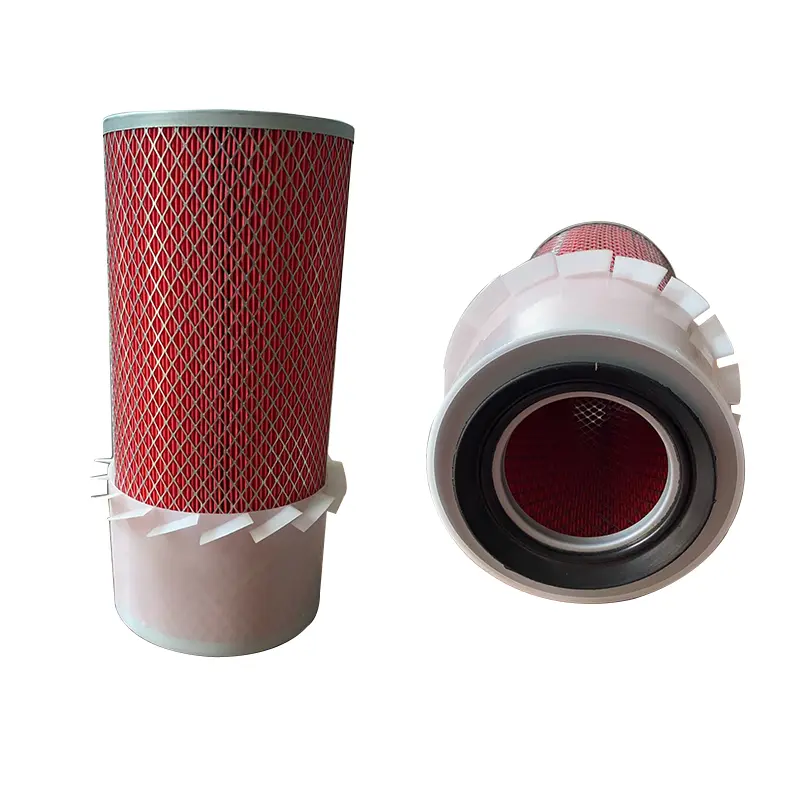 AIR FILTER