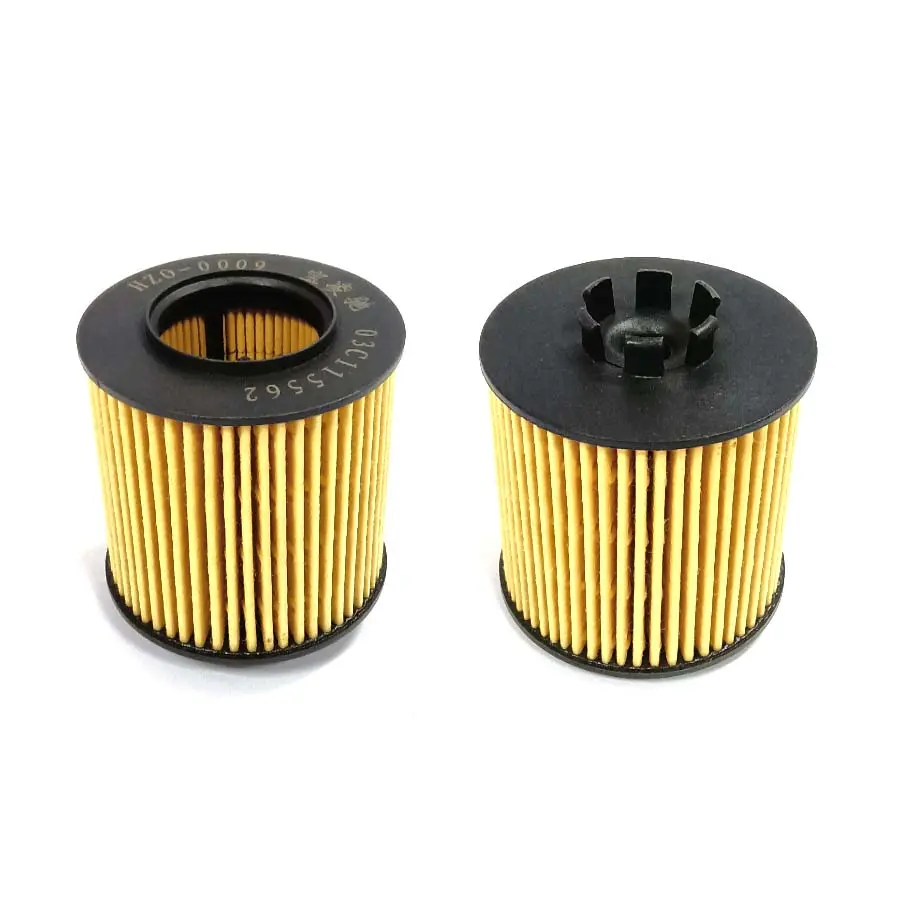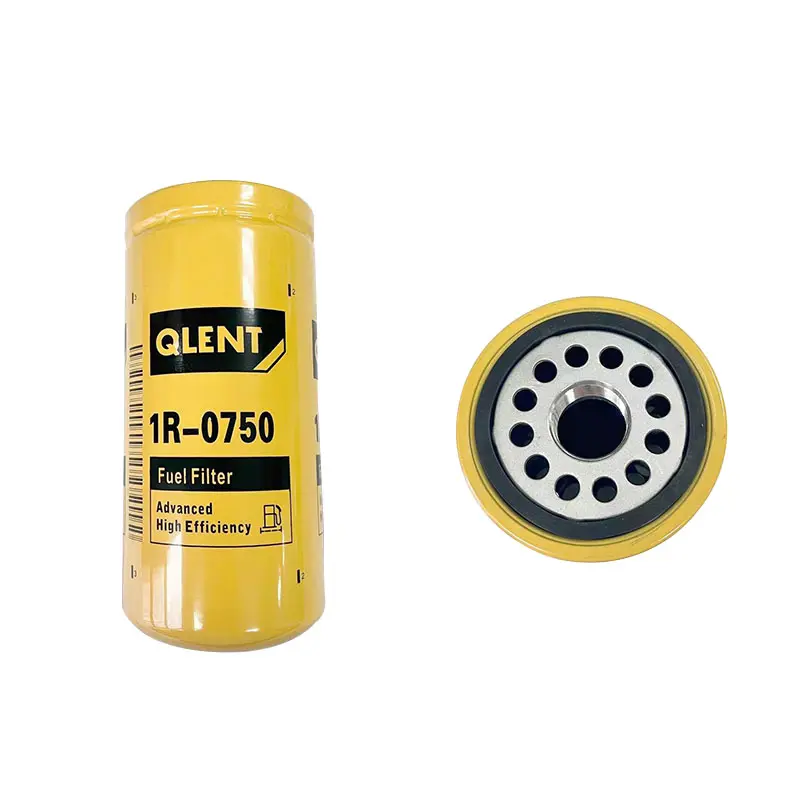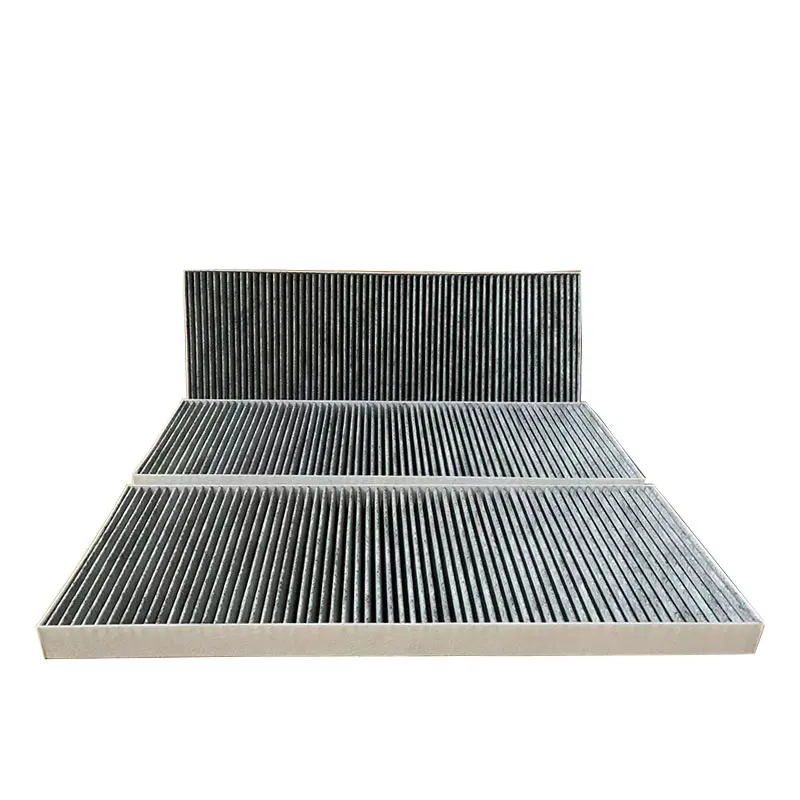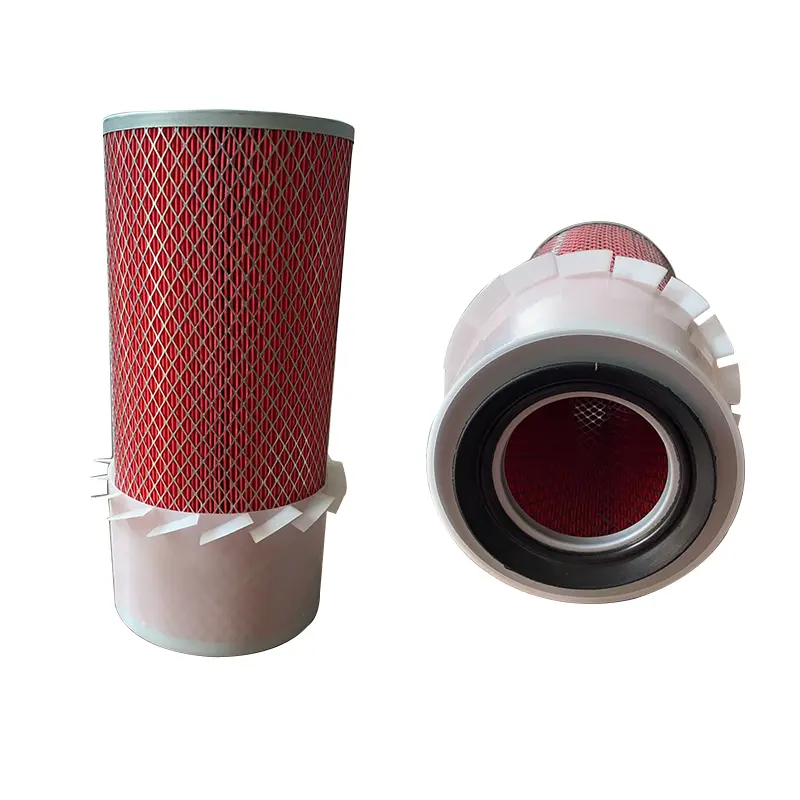
Choosing the best Auto Filter supplier in 2026 takes more than comparing prices or polished catalogs. Buyers need to examine filtration performance, material consistency, fitment coverage, testing practices, and delivery reliability. A filter may look identical on a shelf yet use different media, seals, or pleat spacing. Those details matter when it faces dust, cold starts, and long service intervals.
Automotive pioneer Henry Ford is often attributed the line, “Quality means doing it right when no one is looking.” It is not a filter-specific statement, but it offers a useful standard for supplier evaluation. Look for clear technical data, traceable product specifications, and evidence of repeatable quality control. Ask how samples are tested and how production changes are managed. Strong answers should be specific, not just reassuring.
The best supplier will depend on the vehicle mix, market, order volume, and support required. Some buyers may prioritize broad catalog coverage; others need dependable custom engineering or responsive warranty handling. Compare suppliers against the same criteria, and check references where possible. Small details count. So do honest limits. A supplier with a strong presentation may still leave unanswered questions about real-world performance. This guide weighs the evidence and trade-offs behind leading options, while recognizing that no single supplier is best for every buyer.
What an Auto Filter Supplier Provides
An auto filter supplier provides more than a part number and a carton. It should confirm vehicle fitment, filter dimensions, media type, sealing design, and operating limits. S&P Global Mobility reported that the average age of U.S. light vehicles reached 12.6 years in 2024. Older vehicles often need dependable replacement parts, but fitment errors still happen. A useful supplier checks engine details and service conditions before recommending a filter. Fit is not enough.
Good technical support includes clear specifications and test information. For example, ISO 5011 provides methods for evaluating engine air-cleaner performance, while SAE J806 describes tests for full-flow oil filters. These standards help buyers compare performance; they do not automatically certify every product. Ask for pressure-drop data, dust-holding capacity, bypass-valve details, and batch traceability. A supplier should also explain how it handles stock planning, packaging, and quality complaints. Sometimes the documentation is thin. Treat that as a reason to ask more questions.
Tips: Share the exact vehicle year, engine, and usage pattern. Request a written fitment match and test documents before ordering. Keep one sample for a physical check; a catalogue entry can be wrong.

A reliable auto filter supplier earns confidence through repeatable evidence, not polished claims. Ask how each filter is checked for dimensions, sealing surfaces, media consistency, and pressure performance. Request current inspection records and clear product specifications, including compatible vehicle applications. Details matter. A sample that fits on a clean bench may behave differently after installation, so test representative units before committing to a large order.
Check traceability: can the supplier connect a batch number to its production and inspection records? Review lead-time history, minimum order quantities, packaging, and the process for handling damaged or incorrect shipments.
A strong supplier answers technical questions directly and flags uncertainty instead of promising universal compatibility. Ask for material or performance documentation that matches the exact filter type, rather than accepting generic certificates. For 2026 sourcing, review inventory visibility and the supplier’s ability to share timely product-change notices.
Ask for evidence. Communication after a problem is revealing. No supplier is flawless; a delayed update can still happen. What matters is whether the supplier explains the cause, proposes a practical remedy, and records corrective action.
Use a small trial order to assess fit, documentation, delivery accuracy, and response time against your own standards.
Choosing an auto filter supplier in 2026 takes more than comparing prices or catalog size. Check whether each product matches the vehicle application, including dimensions, thread type, gasket fit, and stated service interval. A filter that looks right on a bench may still leak when installed. Small details matter.
Ask for evidence. Reliable product data should explain filtration efficiency, pressure-drop performance, operating limits, and test methods. Compare equivalent specifications, not just broad claims such as “high efficiency.” Inspect sample filters for consistent pleat spacing, secure end caps, and clean sealing surfaces. If possible, test samples under the conditions your vehicles actually face. A supplier’s responsiveness to technical questions also reveals how well it supports customers after a purchase.
Supplier evaluation should include quality controls, batch traceability, packaging, lead times, and how defects are handled. Request recent inspection records and clarify whether production changes are communicated. A polished catalog is not proof of consistency; I may be cautious here, but one sample cannot represent every shipment. Compare repeat orders and document any variation in fit or performance. Consider total operating cost, including replacement frequency and downtime, rather than unit price alone.
What Is the Best Auto Filter Supplier in 2026?
How Vehicle Needs Shape Supplier Selection
There is no single best auto filter supplier for every vehicle. The right choice starts with accurate fitment data: model year, engine type, driving conditions, and service needs. S&P Global Mobility reported that the average age of U.S. light vehicles reached 12.6 years in 2024. Older vehicles may need different replacement coverage than newer models, so broad catalog claims deserve a closer look. Fit matters.
Powertrain changes also affect supplier selection. The International Energy Agency’s Global EV Outlook 2024 reported nearly 14 million electric car sales in 2023, about 18% of global car sales. Electric vehicles do not use engine oil filters, but they still need cabin air filtration and, depending on design, thermal-management filtration. A capable supplier should explain which filters apply to each vehicle, provide clear test methods, and maintain traceable production records. I would not rely on price alone; even a good filter can be the wrong one.
Tips: Match the filter to the exact vehicle application, then check published efficiency and pressure-drop data. Ask how batches are tracked and how product changes are communicated. If the answers are vague, pause. It is easy to overlook fitment details when ordering at scale.
How vehicle needs shape supplier selection
The index highlights practical selection criteria: filtration performance, vehicle fitment, operating-condition suitability, quality traceability, availability, and technical support. Scores are illustrative planning values, not survey results; priorities should be adjusted to the vehicle fleet and application.
What Is the Best Auto Filter Supplier in 2026?
How to Verify Quality, Availability, and Ongoing Support
The best auto filter supplier in 2026 should provide more than a neat product catalog. Ask for current specifications, material details, and inspection records for the filter types you buy. Check that dimensions, sealing surfaces, and filtration ratings match your application. Small differences matter. A sample can look right yet fit poorly once installed. Compare samples against approved drawings, and ask how production batches are identified and traced.
Availability needs evidence, not a confident promise. Request realistic lead times, stock levels, minimum order quantities, and clear notice of backorders. If possible, compare quoted delivery dates with recent shipment records. Ask how the supplier handles packaging that protects filters from dust, moisture, or crushed edges. A full warehouse is reassuring, but it does not guarantee that the right part will be ready when needed. Forecasts change. Confirm how substitutions are approved before ordering.
Ongoing support is easiest to judge through specific questions. Can staff explain a specification sheet, provide installation guidance, and respond to a quality complaint with documented findings? Ask about response targets and corrective-action records. Keep those answers in writing. No checklist is perfect. A supplier may perform well on routine orders and struggle during a sudden demand spike; that possibility deserves an honest conversation. Test communication with a small order, then review delivery accuracy, packaging condition, and how quickly problems are handled.
| Evaluation dimension | How to verify | Evidence to request | Warning signs | Suggested score |
|---|---|---|---|---|
| Product fit and application coverage | Check part dimensions, fitment references, operating conditions, and the intended vehicle or equipment application against your requirements. | Current product catalog, dimensional drawings, application data, and a process for confirming substitutions or superseded parts. | Fitment claims cannot be traced to documented product data, or substitutions are made without approval. | 0 = no verifiable fitment data; 1 = partial data; 2 = documented and checked against your specification. |
| Filtration performance and test evidence | Review test methods, conditions, results, and acceptance criteria for the specific filter type. Confirm that the test sample represents the supplied product. | Dated test reports and technical specifications. Depending on the application, relevant methods may include ISO 5011 for intake air cleaners, the applicable ISO 4548 series for full-flow lubricating-oil filters, or ISO 16889 for hydraulic filter elements. | Performance figures lack test conditions, refer to a different product, or are presented without a traceable report. | 0 = unsupported claims; 1 = limited or incomplete reports; 2 = relevant, traceable reports meeting the agreed specification. |
| Quality management and consistency | Check the certificate’s validity, issuing body, covered activities, sites, and scope. Ask how incoming materials, production, inspection, and corrective actions are controlled. | A verifiable quality-management certificate where applicable, inspection records, documented process controls, and sample corrective-action records with sensitive details removed. | An expired or out-of-scope certificate, unclear manufacturing location, or no documented response to defects. | 0 = no verifiable controls; 1 = controls are described but weakly documented; 2 = scope and controls are verifiable. |
| Traceability and change control | Select a sample item and ask the supplier to trace it to its production lot, inspection record, and relevant material or component records. | Lot or date codes, traceability procedure, retention policy, and written notification rules for changes to materials, design, process, or production site. | Products cannot be linked to a production lot, or changes may occur without notice or approval. | 0 = no lot-level traceability; 1 = partial traceability; 2 = documented traceability and change notification. |
| Availability and delivery reliability | Compare quoted lead times with actual order history. Confirm stock status, replenishment frequency, minimum order quantities, and how shortages are communicated. | A dated stock report, written lead-time estimates, historical on-time delivery data with its calculation period, and a documented back-order process. | Stock claims are not dated, lead times are routinely revised, or delivery performance is unavailable. | 0 = no usable availability data; 1 = estimates only; 2 = current stock and delivery performance are documented. |
| Warranty and defect handling | Review warranty coverage, exclusions, claim deadlines, required evidence, and the steps for investigating and resolving a reported defect. | Written warranty terms, claim instructions, a named contact or function, and examples of corrective-action reporting where available. | Terms are unclear, claims depend on unwritten conditions, or there is no defined investigation process. | 0 = no clear terms; 1 = terms exist but process is unclear; 2 = written terms and a defined resolution process. |
| Ongoing technical and account support | Test response to a realistic technical or order query. Confirm support hours, escalation route, language coverage, and any written response-time commitments. | Support contacts, escalation procedure, technical documentation access, and service commitments stated in writing. | No accountable contact, inconsistent answers, or service promises are not documented. | 0 = support is difficult to reach; 1 = basic support is available; 2 = documented, responsive, and accountable support. |
| Packaging, labeling, and shipping suitability | Inspect samples for protection against handling and storage damage. Confirm that labels, cartons, and shipping documents meet your receiving and tracking needs. | Packaging specifications, sample labels, carton quantities, and agreed shipping-document requirements. | Products arrive damaged, labels are inconsistent, or packaging changes are not communicated. | 0 = unsuitable or undocumented; 1 = acceptable with gaps; 2 = documented and suitable for the agreed handling process. |
| Scoring guide: Score each dimension from 0 to 2 using the evidence shown, for a maximum of 16 points. Use the score to structure due diligence—not as a substitute for product testing, contractual review, or checks against your specific requirements. Verify standards and certificate scope directly with the relevant issuing or standards organization. | ||||