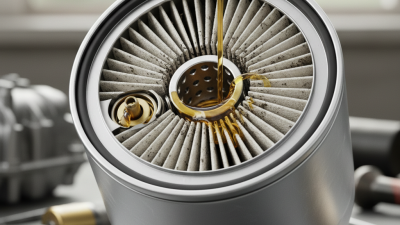
Top 10 Car Air Filter Benefits for Your Vehicle Performance?
When it comes to vehicle performance, the importance of a Car Air Filter cannot be overstated. According to auto industry expert Dr. Emily Chen, "A clean air filter is vital for optimal engine efficiency." An air filter plays a significant role in ensuring that the engine breathes properly. This not only enhances performance but also supports fuel efficiency.
A well-maintained Car Air Filter can prevent dirt and debris from entering the engine. Over time, filters can clog, leading to a drop in performance and an increase in fuel consumption. Regular replacement is essential, yet many drivers overlook this critical aspect. Filtering the air ensures that the engine runs smoothly, while also improving emissions.
Failing to address air filter maintenance can result in long-term complications. For instance, an inefficient filter could lead to engine misfires or even damage. Awareness of this often-neglected component can truly impact your vehicle's longevity and reliability. Therefore, understanding the benefits of a Car Air Filter is crucial for vehicle owners focused on maximizing performance.
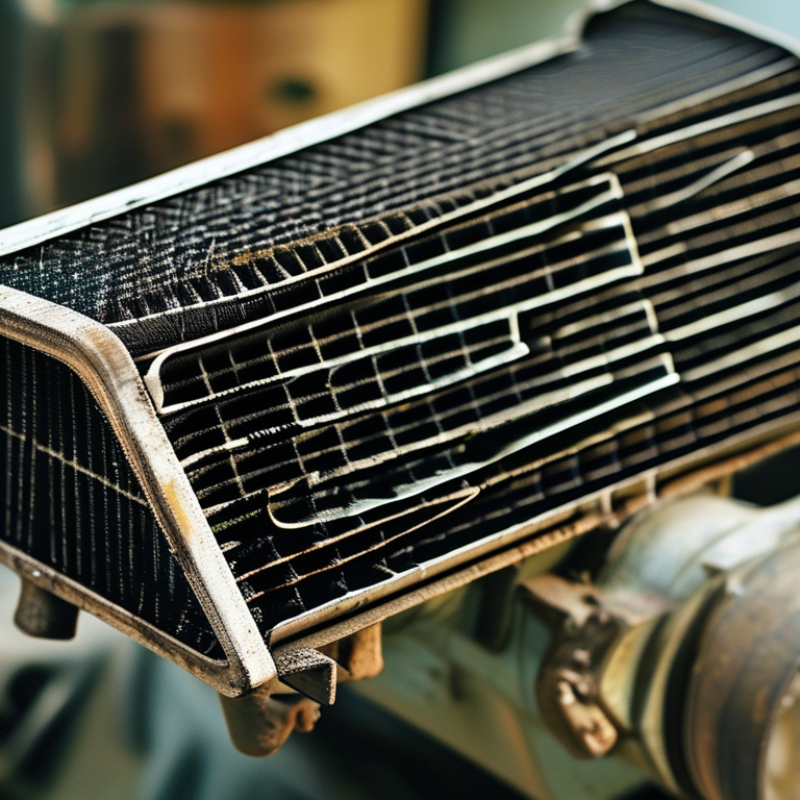
Benefits of Car Air Filters on Engine Performance
A clean air filter is crucial for optimal engine performance. According to the U.S. Department of Energy, a clogged air filter can decrease engine efficiency by up to 10%. This reduction in airflow negatively impacts combustion, leading to lower power output. Efficient combustion means better fuel utilization. As a result, a clean filter helps improve gas mileage, essential in today’s economy.
Moreover, air filters trap dirt and debris. This protects the engine’s internal components, extending its life. A well-maintained engine reduces the risk of costly repairs. Research from the Automotive Aftermarket Association shows that replacing a dirty air filter can lead to a 6-20% increase in engine performance.
Neglecting this component can lead to issues. Some drivers may notice a decrease in responsiveness or acceleration as filters become saturated. Regular maintenance is key to preventing these problems. Many overlook this simple but vital part of vehicle care. Checking the air filter regularly can save money and time in the long run.
Impact of Clean Air Filters on Fuel Efficiency
A clean air filter plays a crucial role in your vehicle's performance. When the filter is dirty, it restricts airflow to the engine. This limitation can lead to incomplete combustion. As a result, your vehicle uses more fuel than necessary. A clean filter ensures that the engine gets enough air. This enhances combustion efficiency and promotes better fuel economy.
Improved fuel efficiency translates to savings. Drivers often overlook the role of air filters in optimizing gas mileage. Studies suggest that replacing a clogged air filter can improve fuel efficiency by up to 10%. This is significant for daily commuters and long-distance travelers alike. However, some drivers neglect routine checks, leading to performance issues.
Regular maintenance is essential. A clean air filter not only boosts efficiency but also extends the life of the engine. Failing to address air filter health can result in costly repairs down the road. It’s worth considering how a simple component can impact overall vehicle performance. Balanced attention to air filters can yield noticeable benefits for your driving experience.
Role of Air Filters in Reducing Engine Wear and Tear
The air filter plays a crucial role in reducing engine wear and tear. A clean air filter allows for optimal air intake, which is essential for combustion efficiency. According to the U.S. Department of Energy, replacing a clogged air filter can improve engine performance by up to 10%. This improvement means your vehicle can run more smoothly and efficiently, leading to fewer repairs in the long run.
Dirt and debris can quickly accumulate in a dirty filter. When this happens, the engine must work harder, causing increased friction and heat. Reports indicate that poor air filtration can lead to an increase in engine wear, ultimately shortening its lifespan. Maintenance experts recommend checking air filters every 12,000 to 15,000 miles to keep the engine running properly. Ignoring this can result in wasted fuel and higher emissions.
Regularly changing air filters can also prevent costly repairs. Neglecting this component can lead to serious issues such as a damaged engine or exhaust system. The data shows that maintaining good air flow can enhance fuel efficiency and reduce contaminant build-up. It's clear that an often-overlooked component, the air filter, is vital for the longevity and performance of your vehicle.
Effect of Quality Air Filters on Emissions and Environmental Impact
When it comes to vehicle performance, the quality of air filters plays a crucial role. Quality air filters prevent contaminants from entering the engine, allowing it to run more efficiently. This efficiency can lead to reduced fuel consumption, offering both economic and environmental benefits. Cleaner air filters contribute to lower emissions, which directly impacts air quality. Choosing a high-quality filter is not just about car health; it's also about reducing your carbon footprint.
However, not all air filters are created equal. Some may promise improved performance but fall short. It’s essential to understand that a filter that is too restrictive can hinder airflow, impacting engine performance negatively. Research shows that a well-maintained air filter can lead to a significant reduction in harmful emissions. This change is vital for meeting environmental standards and protecting public health.
The choice of air filters also raises questions about long-term effects on the environment. Disposable filters contribute to waste, while reusable options require appropriate maintenance. Each choice carries consequences, pushing vehicle owners to reflect on the broader implications of their decisions. By becoming mindful of air filter options, drivers can enhance engine performance while making environmentally conscious choices.
Top 10 Car Air Filter Benefits for Your Vehicle Performance
Maintenance Tips for Optimizing Air Filter Performance
Maintaining your vehicle's air filter is crucial for optimal performance. A clean air filter can improve engine efficiency by 10-12%, according to studies by automotive experts. Over time, filters accumulate dust, pollen, and other debris. This blockage can hinder airflow, resulting in reduced fuel efficiency and increased emissions. Regularly inspecting and replacing the air filter can prevent these issues.
To optimize air filter performance, consider checking it every 15,000 miles. Signs of a dirty filter include decreased acceleration and a decrease in engine power. Experts recommend using a high-flow or performance filter according to your driving conditions. However, not all filters are created equal. A poorly designed filter may cause more harm than good by allowing larger particles into the engine.
Be mindful that harsh driving conditions, like driving on dirt roads, can accelerate filter wear. It's worthwhile to inspect your filter more frequently in these situations. Keeping a clean air filter ensures your engine operates efficiently, prolongs its life, and maintains your vehicle's overall health. Remember, the simplest actions can lead to major improvements in performance.

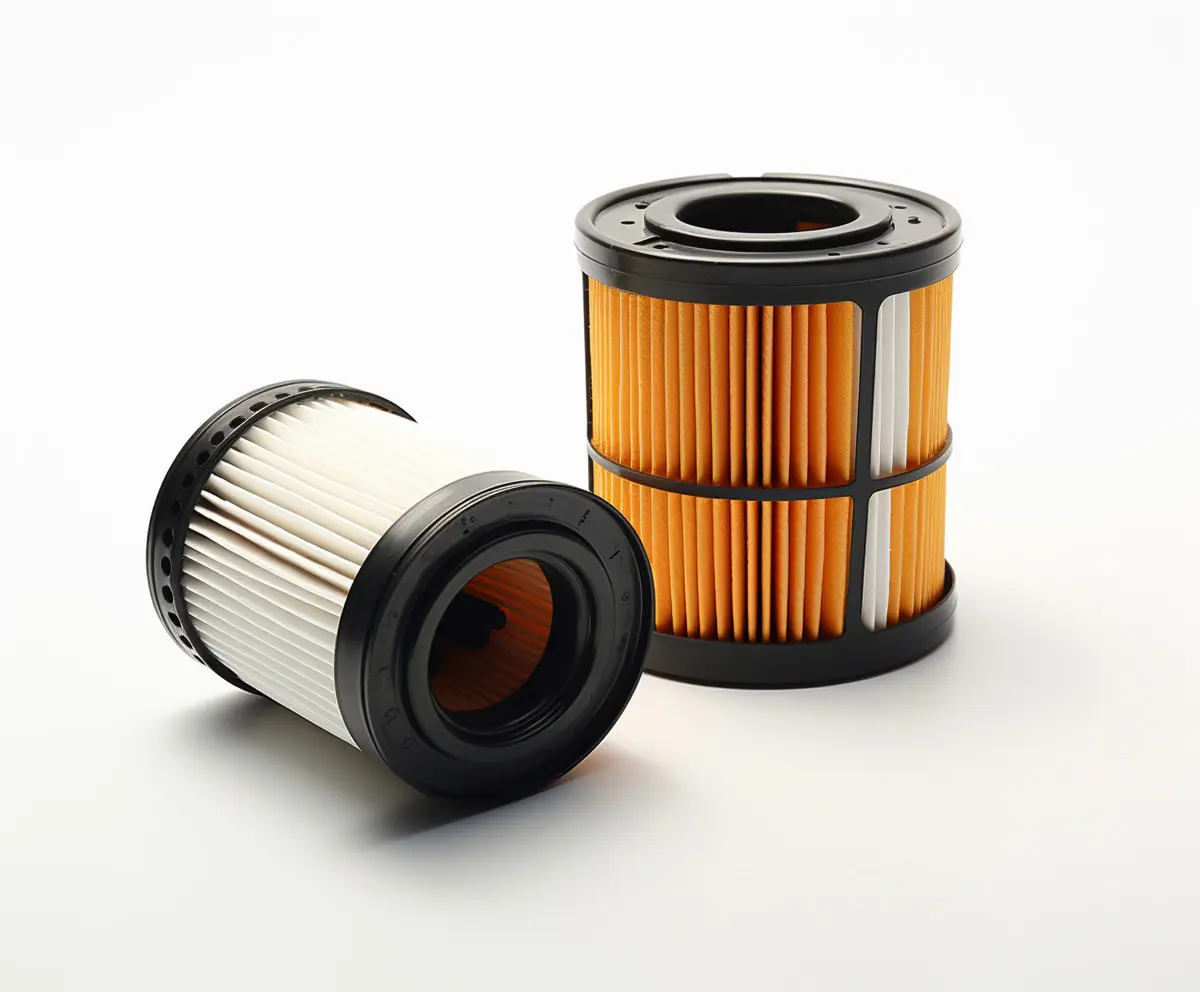 Products
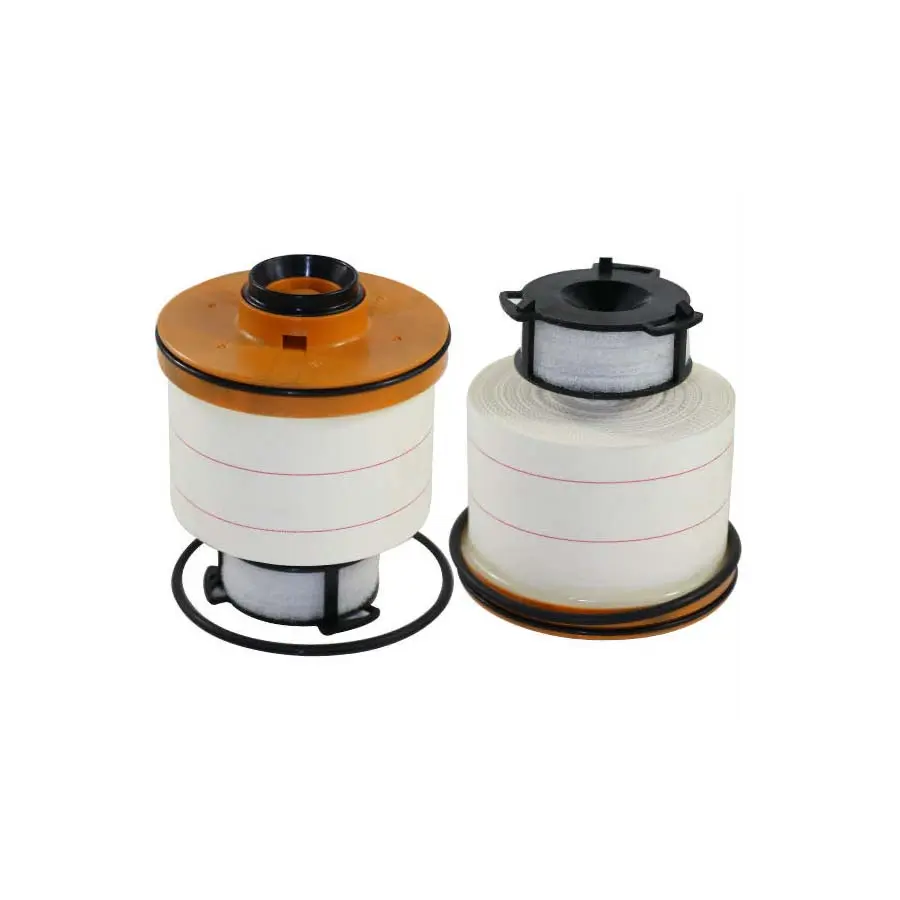 FUEL FILTER
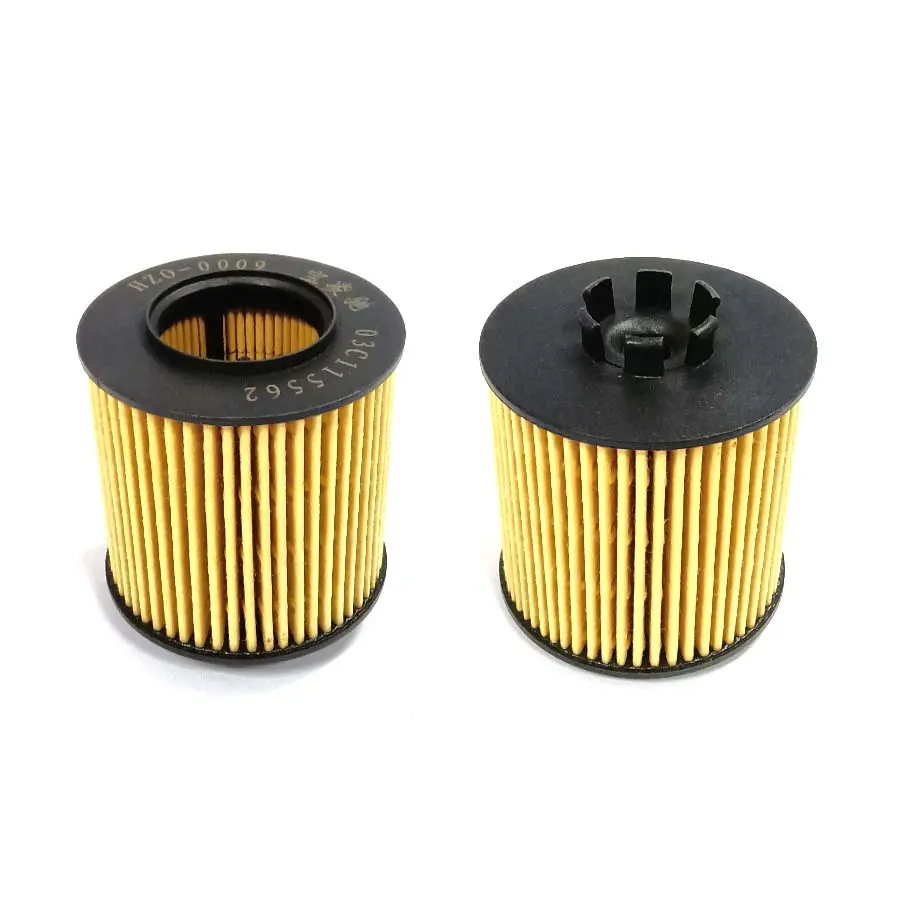 OIL ELEMENT FILTER
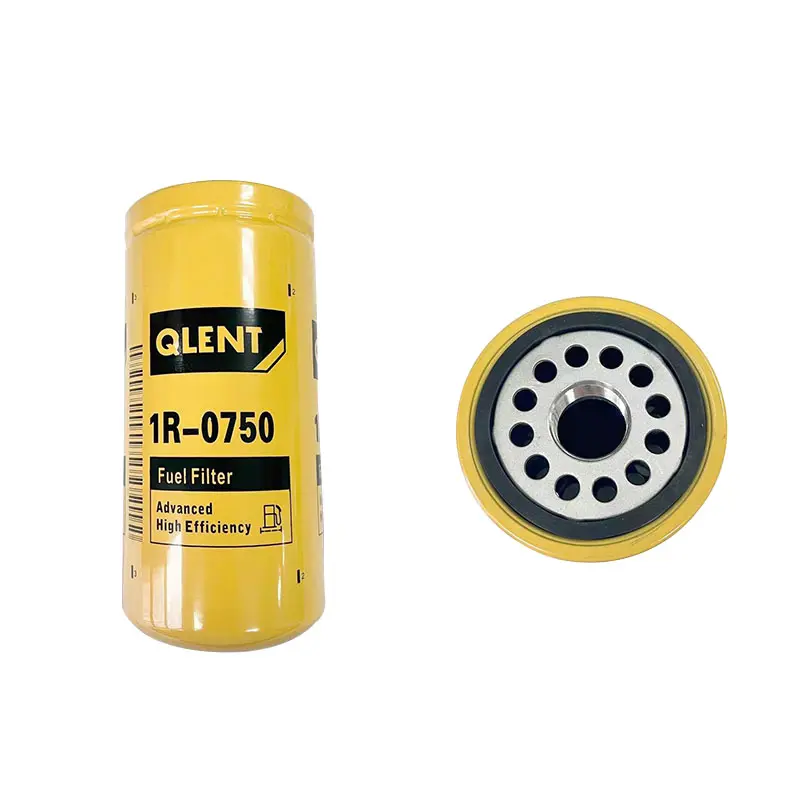 OIL FILTER
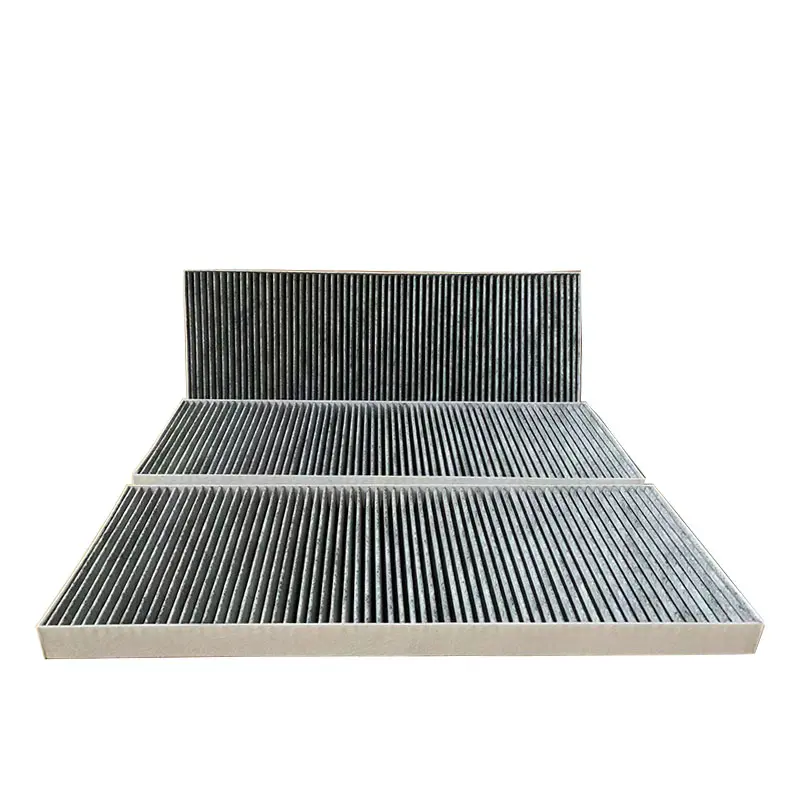 CABIN FILTER
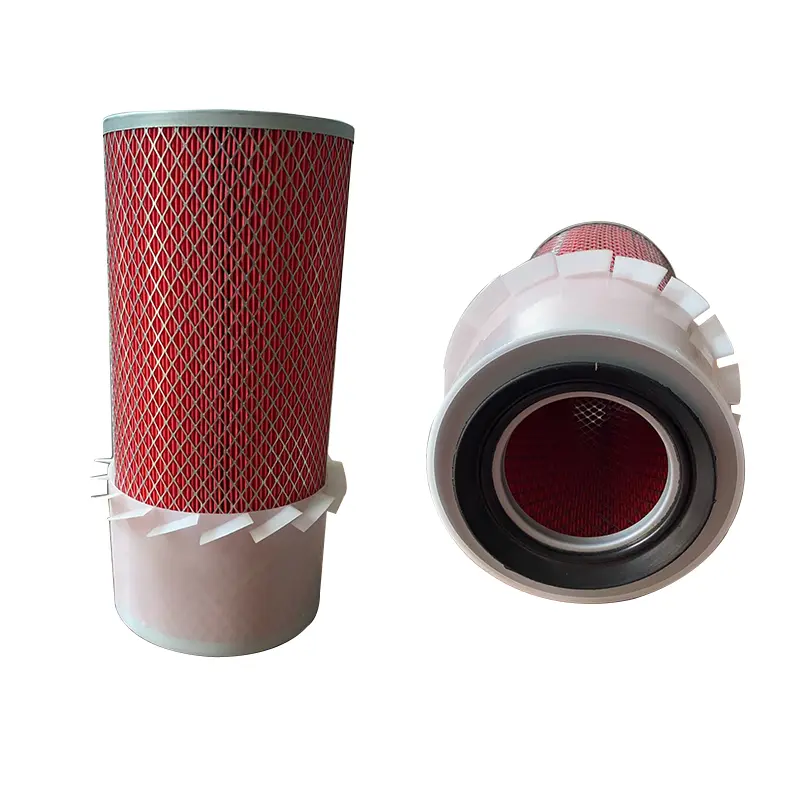 AIR FILTER