Best Car Air Filter Options for Optimal Performance?
When it comes to car maintenance, one crucial component is often overlooked: the car air filter. According to automotive expert John Smith, "A clean air filter is essential for engine efficiency and performance." This statement underscores the importance of selecting the best car air filter to ensure optimal vehicle functionality.
A high-quality car air filter not only improves engine performance but also enhances fuel efficiency. Car air filters trap dust, dirt, and debris, preventing them from entering the engine. This act of filtration is vital for maintaining air quality and engine longevity. Without proper filtration, engine components can wear down more quickly, leading to costly repairs.
Choosing the right car air filter requires careful consideration. Various options are available, each with unique features and benefits. Research shows that not all filters are created equally, and some may perform poorly. It's essential to find one that matches your specific vehicle model. Pay attention to manufacturer recommendations and user reviews. Investing in the best car air filter can make a noticeable difference in your driving experience.
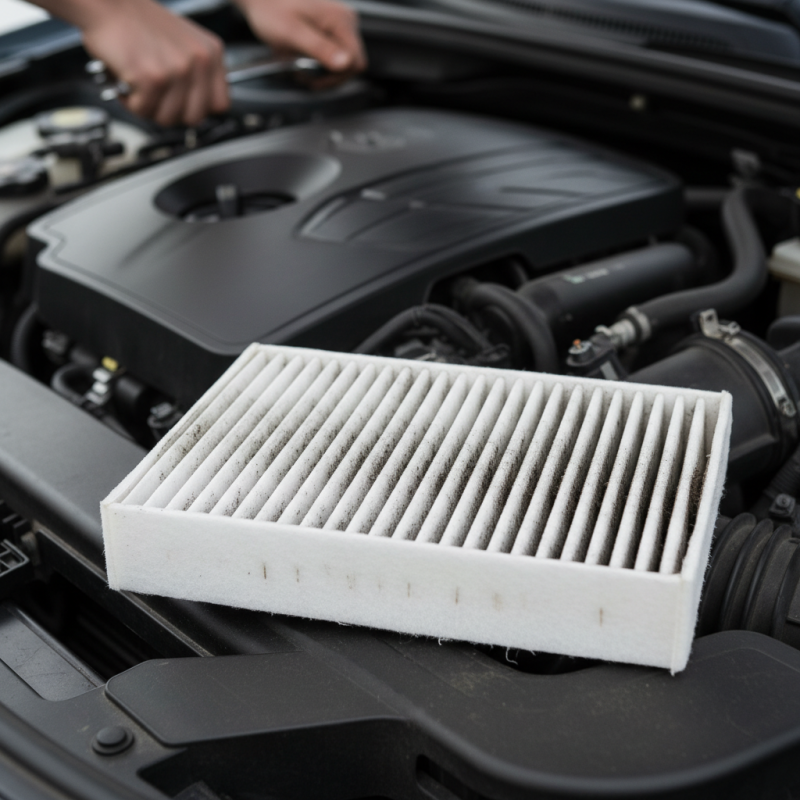
Best Car Air Filter Types for Engine Efficiency and Longevity
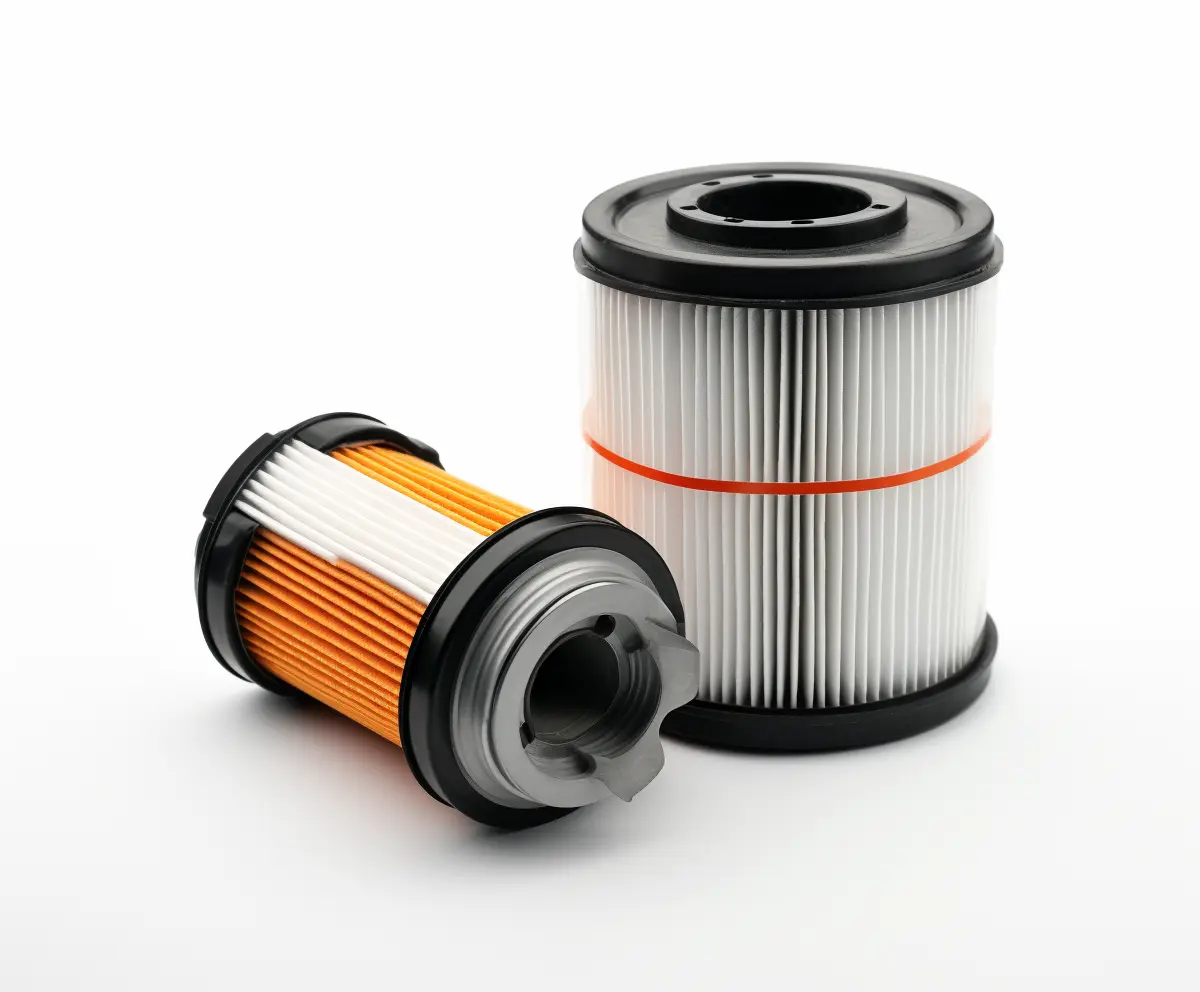
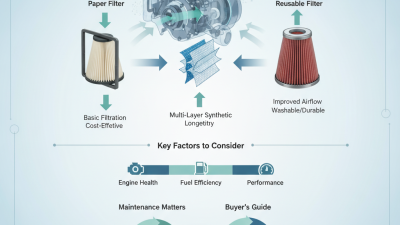
Choosing the right car air filter is vital for engine efficiency and longevity. There are several types of air filters available. Paper filters are popular for their affordability, but they may need frequent replacement. Foam air filters provide better airflow and trap more dirt, making them ideal for off-road vehicles. Cartridge filters, although pricier, last longer and enhance overall engine performance.
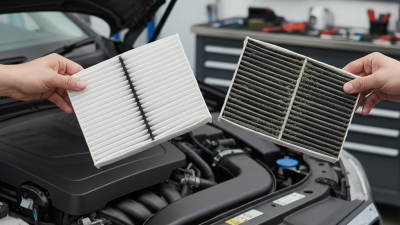
Tips: Regularly check your air filter. A clogged filter can restrict airflow, reducing engine power. Clean your filter periodically if it's washable. This will extend its lifespan and save you money in the long run.
Different driving conditions can affect filter performance. City driving can result in faster buildup of contaminants. In contrast, highway driving may keep the filter cleaner longer. Evaluate your driving habits and adjust filter type as needed. Choosing the right filter is key, but so is maintenance. Ensure you understand your vehicle's requirements for optimal results.
Best Car Air Filter Options for Optimal Performance
| Filter Type |
Material |
Engine Efficiency (%) |
Longevity (Miles) |
Maintenance Interval (Months) |
| Paper Filter |
Cellulose |
10-15% |
15,000 |
6 |
| Cotton Filter |
Cotton/Gauze |
12-18% |
50,000 |
12 |
| Foam Filter |
Polyurethane |
10-20% |
20,000 |
6-12 |
| Synthetic Filter |
Synthetic Fiber |
15-25% |
75,000 |
12-24 |
Key Features of High-Performance Air Filters and Their Impact
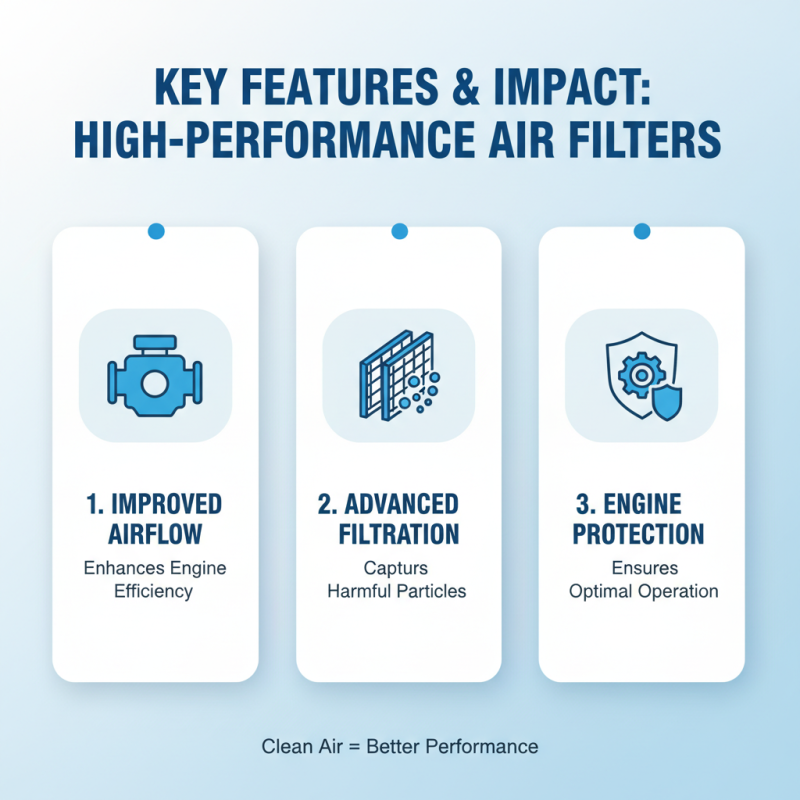
Air quality plays a crucial role in the performance of your vehicle. A high-performance air filter improves airflow, which can enhance engine efficiency. Specifically, these filters often utilize advanced filtration materials that capture particles effectively. They help prevent dirt and debris from entering the engine, ensuring optimal operation.
When selecting an air filter, consider the filtration efficiency. A filter with a higher efficiency rate will trap more contaminants. This results in cleaner air entering the engine, improving combustion. Additionally, the design of the filter is essential. Some filters have a pleated structure that increases surface area, allowing for better airflow. However, not every pleated filter performs equally.
Regular maintenance is important too. Over time, even high-quality filters can become clogged with dirt. This can limit airflow and affect performance. Replacing your air filter at recommended intervals is crucial. It can prevent potential issues like reduced fuel efficiency. Engaging in routine checks helps ensure your engine runs smoothly and efficiently over time.
Industry Recommendations: Top Brands for Car Air Filters
When choosing the right air filter for your vehicle, industry experts emphasize the importance of reliability and longevity. High-quality filters enhance engine performance, improve fuel efficiency, and ensure better air quality inside the car. They trap dust, debris, and other contaminants effectively. A clean air filter leads to a smoother driving experience and can extend the life of your engine.
Many top brands focus on rigorous testing and innovation. These manufacturers utilize advanced materials to offer superior filtration. Some use synthetic media, which can outlast traditional options. This choice often results in better airflow and filtration performance. Regularly replacing your air filter is crucial, as a dirty one can hinder engine performance.
While there are many options available, not every filter suits every vehicle. It’s essential to research specific requirements for your car model. Not all filters offer the same level of quality, so be cautious about the details. Consider the filter’s specifications and compatibility with your engine. This will help avoid performance issues down the road. Ensure you are making an informed decision for optimal performance.
Best Car Air Filter Options for Optimal Performance
Maintenance Practices for Optimal Air Filter Performance
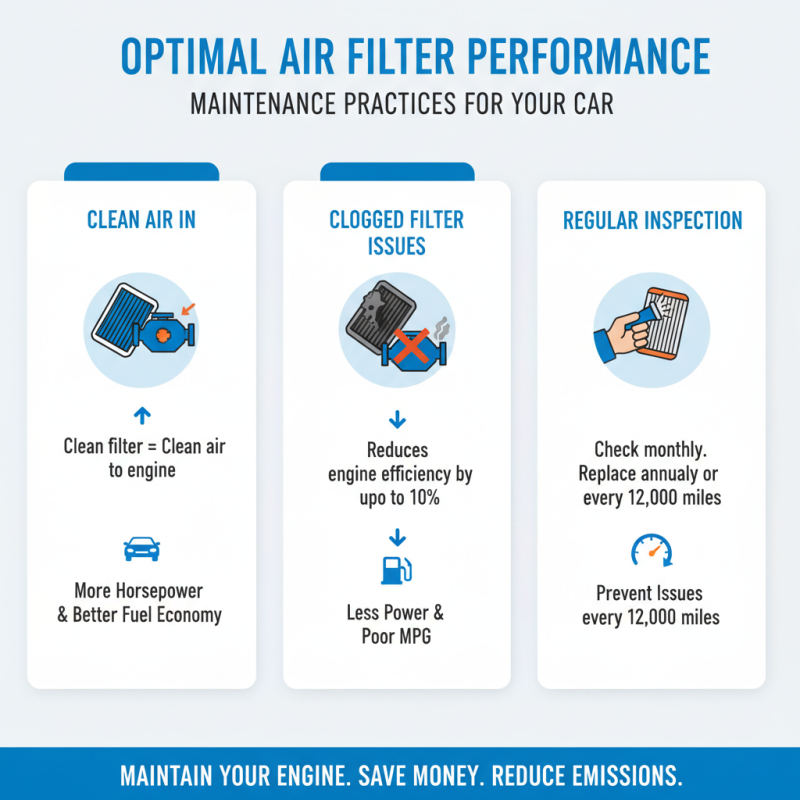
Maintaining your car's air filter is crucial for optimal engine performance. A clean air filter ensures that only clean air enters the engine. According to industry reports, clogged filters can reduce engine efficiency by up to 10%. This means less horsepower and poorer fuel economy. Regular inspection can catch potential issues early.
Replacing the air filter as recommended can save money in the long run. Many sources suggest changing it every 12,000 to 15,000 miles. However, this may vary based on driving conditions. Dusty roads and heavy traffic could necessitate more frequent changes. Neglecting this maintenance could lead to increased wear on the engine over time.
Routine air filter checks should be part of your maintenance schedule. A quick visual inspection can reveal dirt accumulation. It might seem simple, but many drivers overlook this. Consider keeping a log of when you last changed your filter. This can help you stay on top of maintenance needs. Small steps can lead to significant improvements in vehicle performance.
Understanding the Role of Air Filters in Fuel Efficiency and Emissions
Air filters play a crucial role in any vehicle's performance. They filter out dust, dirt, and other particles from the air entering the engine. This is vital for maintaining optimal fuel combustion. A clean air filter ensures that the engine receives the right amount of air. This affects fuel efficiency and can reduce harmful emissions.
When air filters are clogged, the engine struggles. It may draw in more fuel to compensate for inadequate airflow. This inefficiency can lead to increased fuel consumption. Drivers may not notice this immediately. Over time, however, it can cost a significant amount at the pump. Regular maintenance is key. Inspecting and replacing air filters can improve engine performance.
Many drivers overlook air filters. They may focus on other components, thinking they are more critical. However, a neglected air filter can lead to more extensive issues. It's worth considering the overall impact of a clean air filter. Emissions can decrease, leading to a cleaner environment. Reflecting on this may encourage better maintenance habits.

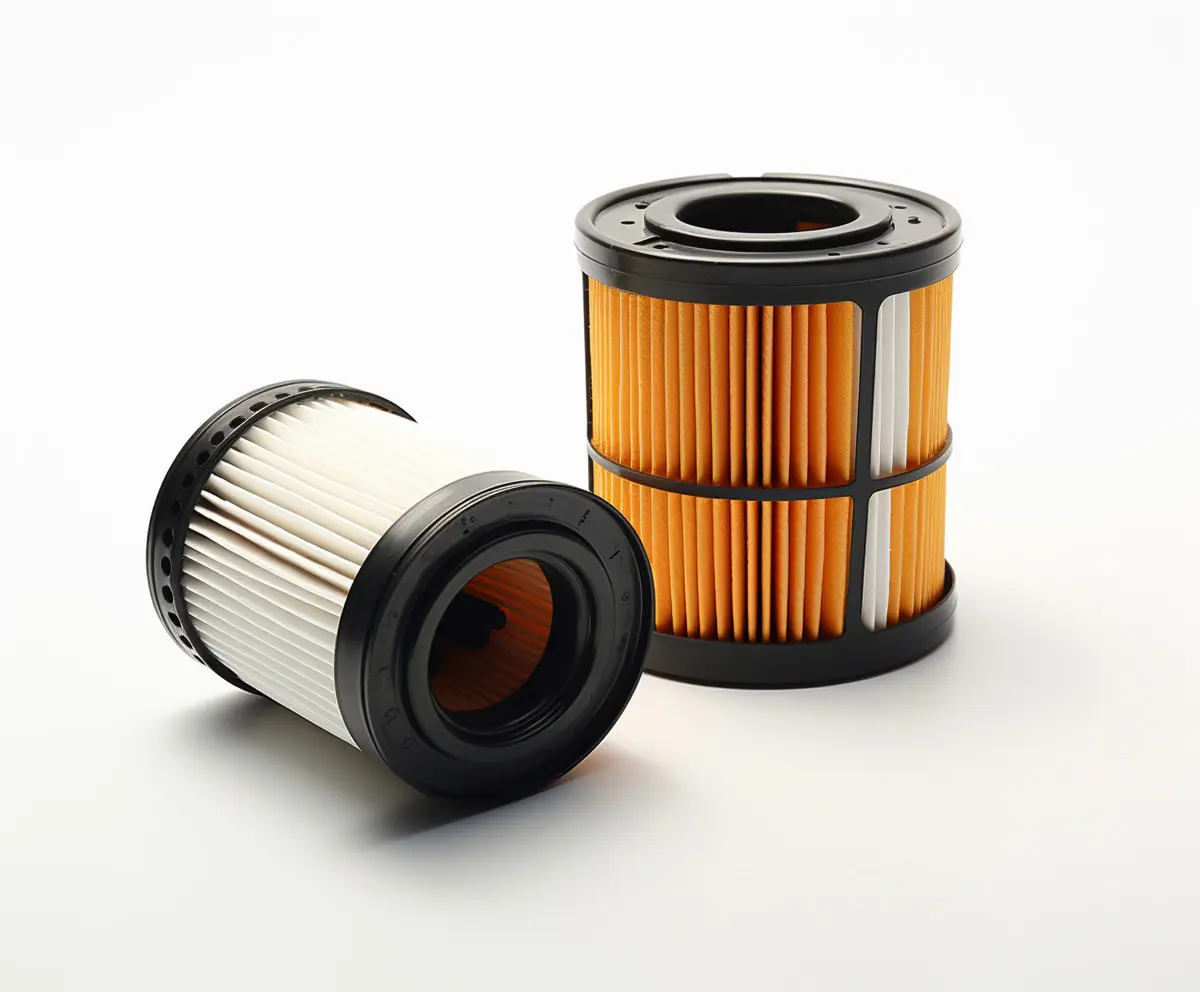 Products
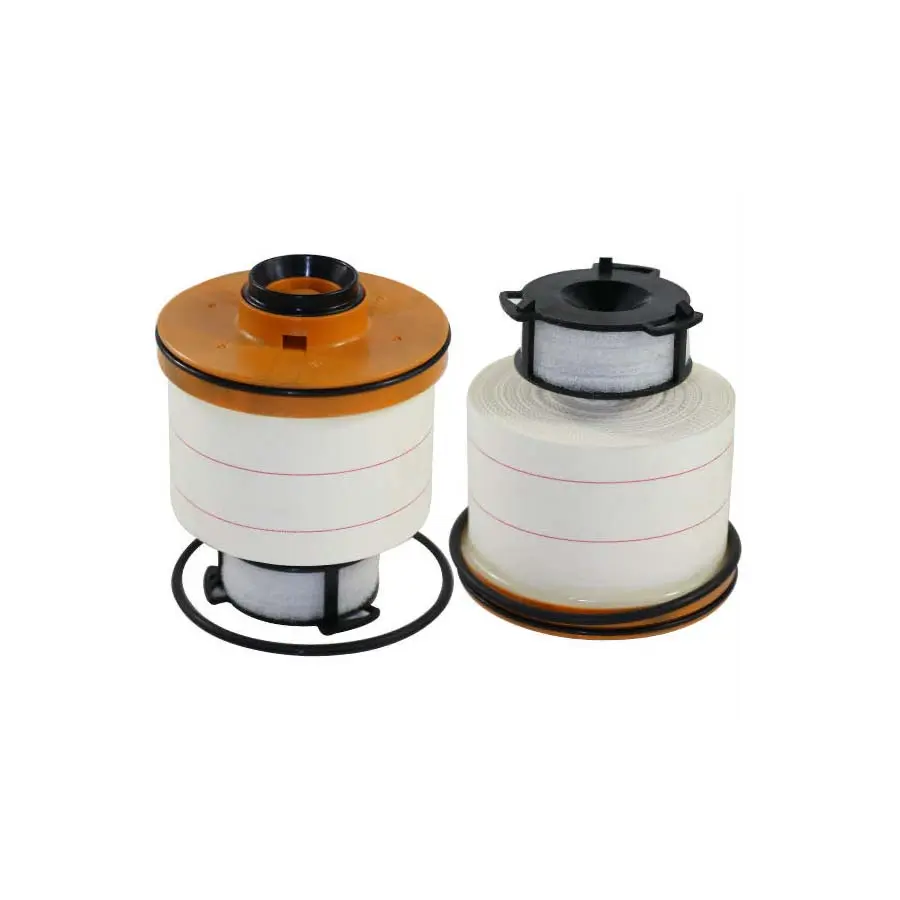 FUEL FILTER
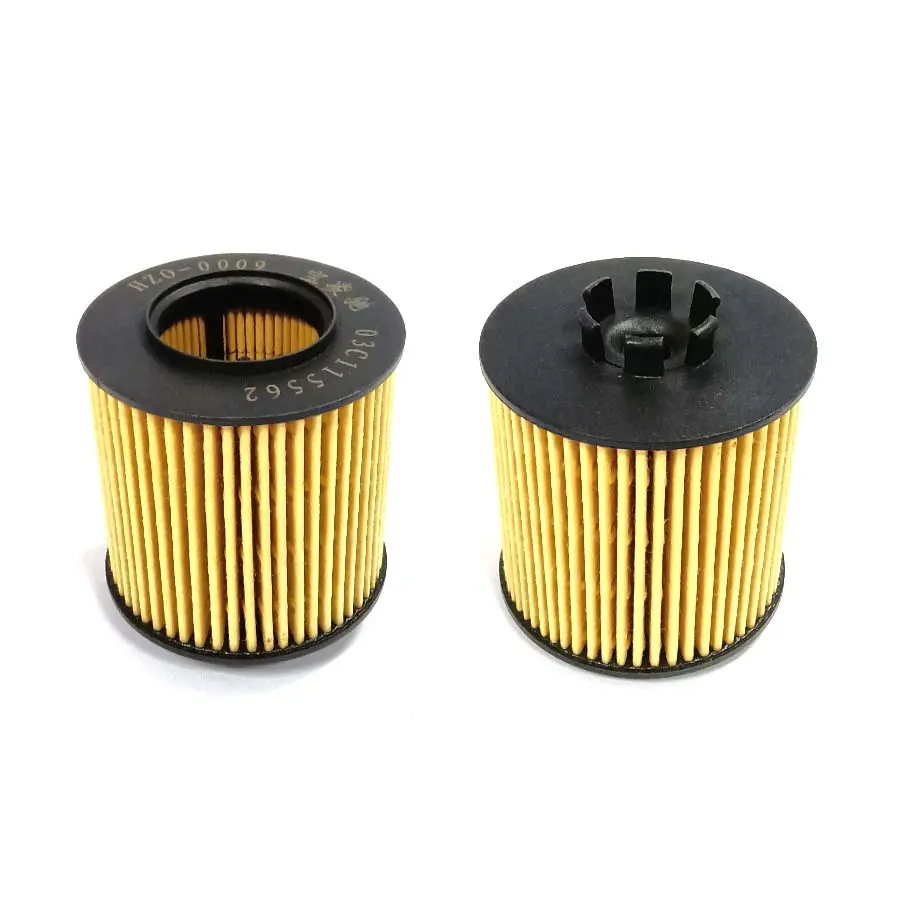 OIL ELEMENT FILTER
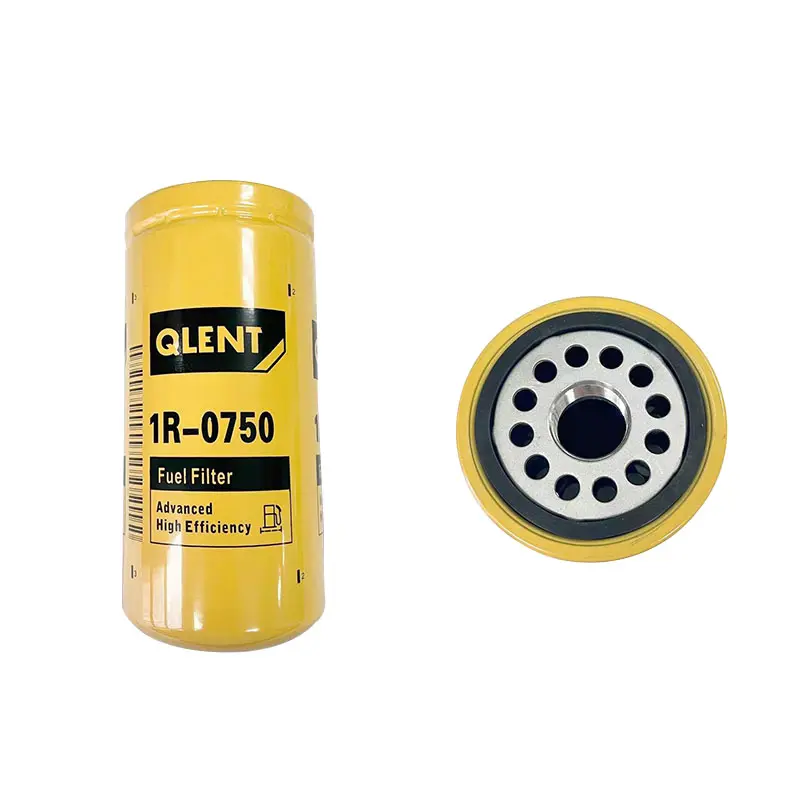 OIL FILTER
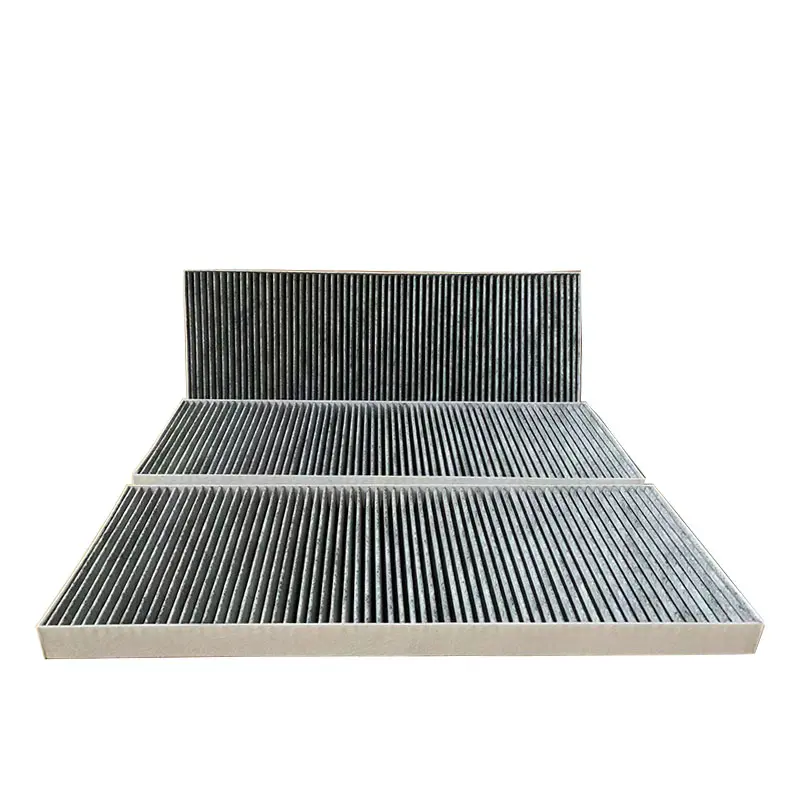 CABIN FILTER
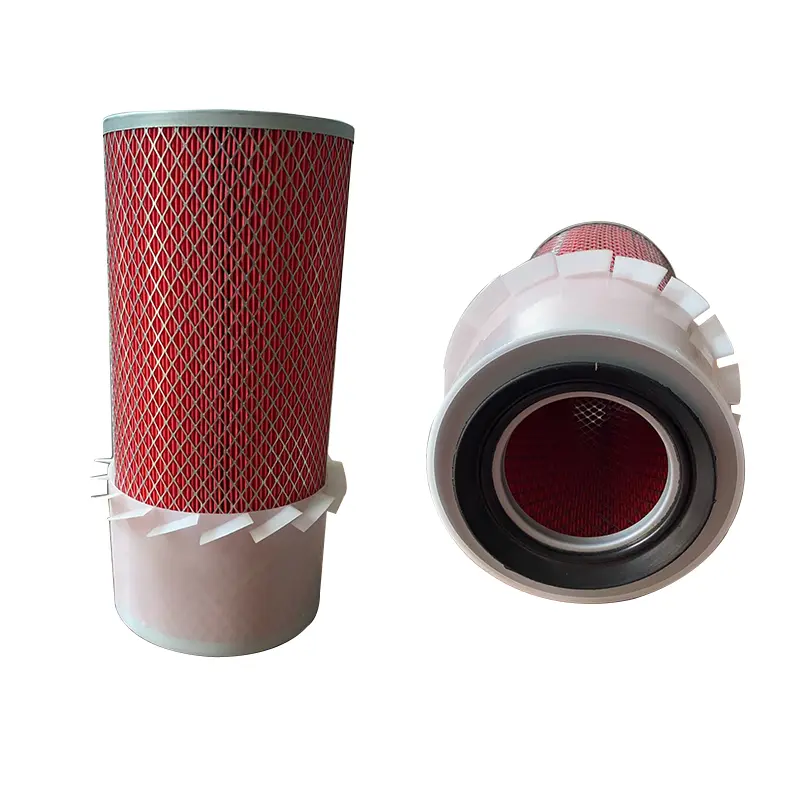 AIR FILTER