Essential Cabin Filter Tips for Optimal Air Quality Insights?
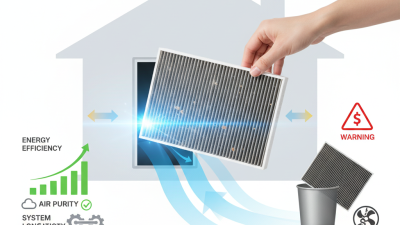
The cabin filter plays a crucial role in maintaining the air quality inside your vehicle. It filters out dust, pollen, and pollutants, ensuring that you breathe clean air. Many drivers overlook the importance of this component, which can lead to diminished air quality over time.
Regular maintenance of the cabin filter is essential. A clogged filter can restrict airflow, making your air conditioning and heating less effective. It can also lead to unpleasant odors. The filter should be inspected and replaced according to the vehicle manufacturer’s recommendations.
Neglecting this simple task can result in long-term consequences for your health and comfort. Keeping a clean cabin filter not only enhances air quality but can also improve your overall driving experience. Make it a habit to check the cabin filter regularly. This small step can lead to significant benefits for both you and your passengers.
Understanding the Role of Cabin Filters in Vehicle Air Quality
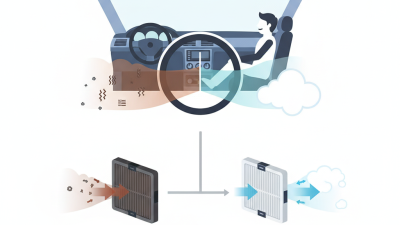
Cabin filters play a crucial role in maintaining the air quality inside your vehicle. They trap dust, pollen, and other airborne pollutants, preventing them from entering the cabin. This function is especially important for individuals with allergies or respiratory issues. Dirty filters may release trapped contaminants back into the air, compromising air quality. Regularly checking and replacing cabin filters can enhance your driving experience.
While many drivers overlook this vital component, neglecting cabin filters can have tangible consequences. A clogged filter restricts airflow, making your vehicle’s heating and cooling systems work harder. This not only leads to discomfort but can also decrease fuel efficiency. Consider inspecting cabin filters at regular intervals, perhaps during seasonal maintenance. This small step can lead to significant improvements in overall air quality.
Yet, many people may be unsure about how often to replace these filters. The recommendation varies based on driving conditions and personal health. Urban environments may demand more frequent changes than rural areas. Reflecting on these factors can help in making informed decisions about your vehicle's maintenance. Being proactive can improve air quality and extend the life of your vehicle’s climate control system.
Cabin Filter Efficiency Over Time
This chart illustrates the decline in air quality as cabin filters age over time. It highlights the importance of regular maintenance and timely replacement of cabin filters to ensure optimal air quality inside vehicles.
Types of Cabin Filters: Identifying the Best Options for Your Vehicle
When it comes to cabin filters, understanding the different types can significantly enhance your vehicle's air quality. There are primarily three kinds: particulate filters, activated carbon filters, and HEPA filters. Each type serves a unique purpose in maintaining a clean cabin environment. Particulate filters mainly trap dust, pollen, and other tiny particles. They are essential for allergy sufferers.
Activated carbon filters, on the other hand, excel in neutralizing odors and harmful gases. They catch fumes from vehicles and industrial pollution. This makes them popular in urban areas. HEPA filters offer the highest efficiency in trapping airborne particles. However, they are usually pricier and may require more frequent replacement. Select a filter that aligns with your driving environment and personal needs.
Choosing the right cabin filter involves more than just convenience. Consider your local air quality and personal health requirements. A filter that performs well in one region might not suffice in another. Keep in mind that filter effectiveness can decrease over time. Regular inspections and timely replacements are critical. Gaps in this maintenance can lead to a buildup of contaminants, ultimately affecting air quality. Tailoring your filter choice to your conditions can lead to a healthier driving experience.
Signs Your Cabin Filter Needs Replacement: Be Proactive for Clean Air
Your car's cabin filter plays a crucial role in maintaining air quality. Over time, this filter can become clogged with dust, pollen, and other pollutants. Recognizing the signs of a failing cabin filter is vital for ensuring clean air in your vehicle. If you notice reduced airflow from the vents, it might indicate that your cabin filter is obstructed. A sudden increase in odors inside the car can also signal that it's time for a replacement.
Driving with a dirty filter can lead to health risks. Allergens and unpleasant smells circulate through the cabin, making your rides uncomfortable. Additionally, if you experience frequent allergy symptoms while driving, reconsider the health of your cabin filter. When the filter is saturated with debris, it struggles to perform its main function. This can also put more strain on your car's HVAC system, leading to potential inefficiencies.
Regular maintenance is key. While some drivers might overlook this part of their vehicle, understanding its importance can lead to proactive measures. Consider checking your cabin filter every six months. If you frequently drive in urban areas or on dusty roads, more frequent inspections may be necessary. A bit of diligence can enhance your driving experience tremendously while keeping the air clean.
Maintenance Tips to Extend the Life of Your Cabin Filter
Maintaining your cabin filter is crucial for optimal air quality. A clean cabin filter helps keep harmful pollutants at bay. This simple maintenance can enhance your driving experience significantly. Regular checks can prevent future complications.
Replace your cabin filter every 15,000 to 30,000 miles. If you drive in dusty areas, consider changing it more often. The quality of air inside your car heavily relies on this component. A clogged filter may lead to unpleasant odors and reduced airflow.
Another tip is to visually inspect your filter monthly. Dust and debris accumulation can be significant. If you notice a buildup, it’s a sign to clean or replace it promptly. Remember, a well-maintained filter contributes to better air quality. Taking these steps is essential for a healthier driving environment.
How to Properly Replace Your Cabin Filter: Step-by-Step Guide
Replacing your cabin filter can significantly improve your vehicle's air quality. It’s a simple yet crucial maintenance task. A clean filter will help ensure that you breathe fresh air inside your car. Dust, pollen, and pollutants can accumulate in a dirty filter, affecting your comfort. Knowing how to replace it is essential.
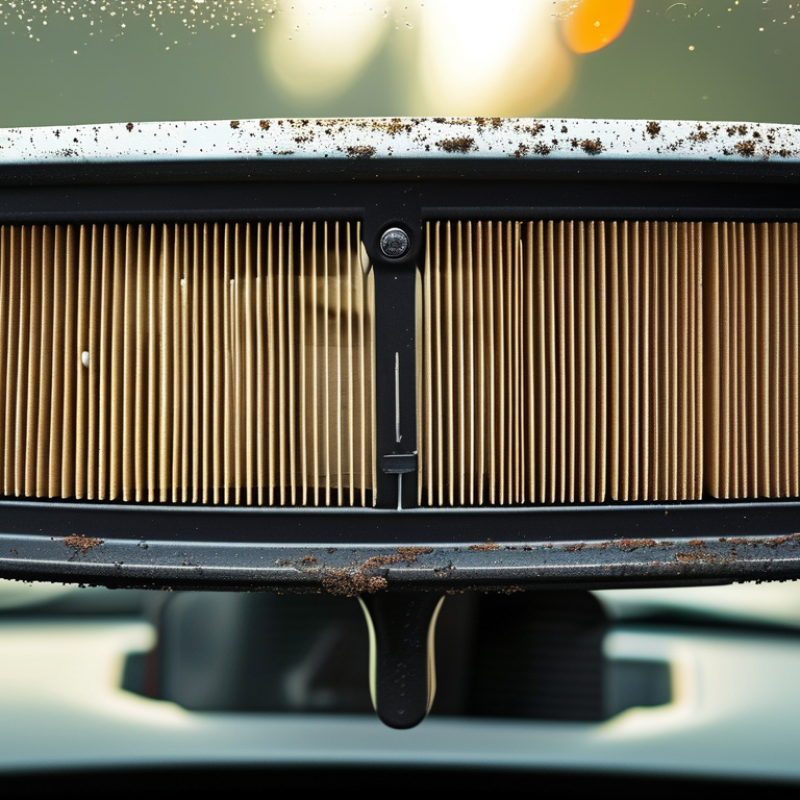
Start by checking your vehicle’s manual for the cabin filter location. Often, it’s found behind the glove box. Gather necessary tools like a screwdriver and wear gloves. Carefully remove the glove box to access the filter. Use gentle pressure to slide the filter out. Inspect it for dirt and debris. If it’s clogged, it’s time for a replacement.
Installing a new filter involves placing it in the same orientation as the old one. Pay attention to airflow direction. Ensure it fits snugly. After that, reassemble the glove box. Sometimes, the installation may not go smoothly, and adjustments might be necessary. Take a moment to double-check everything. Regularly changing your cabin filter leads to better air quality and a more pleasant driving experience.
Essential Cabin Filter Tips for Optimal Air Quality Insights
| Tip |
Details |
Frequency of Replacement |
Signs of a Dirty Filter |
| Stay Informed |
Keep track of your vehicle maintenance schedule and check the cabin filter at recommended intervals. |
Every 12,000 to 15,000 miles |
Increased dust accumulation inside the vehicle. |
| Choose the Right Filter |
Select a filter that fits your vehicle model and ensures proper airflow. |
Refer to the owner's manual |
Unpleasant odor in the cabin. |
| Visual Inspection |
Regularly check the filter for dirt and debris buildup. |
Every 6 months |
Reduced airflow from the AC or heater. |
| Proper Replacement Procedure |
Follow a step-by-step guide to safely replace the cabin filter. |
As needed, depending on condition |
Increased allergy symptoms among passengers. |
| Use Quality Products |
Invest in high-quality cabin air filters for better protection against pollutants. |
N/A |
Frequent window fogging. |

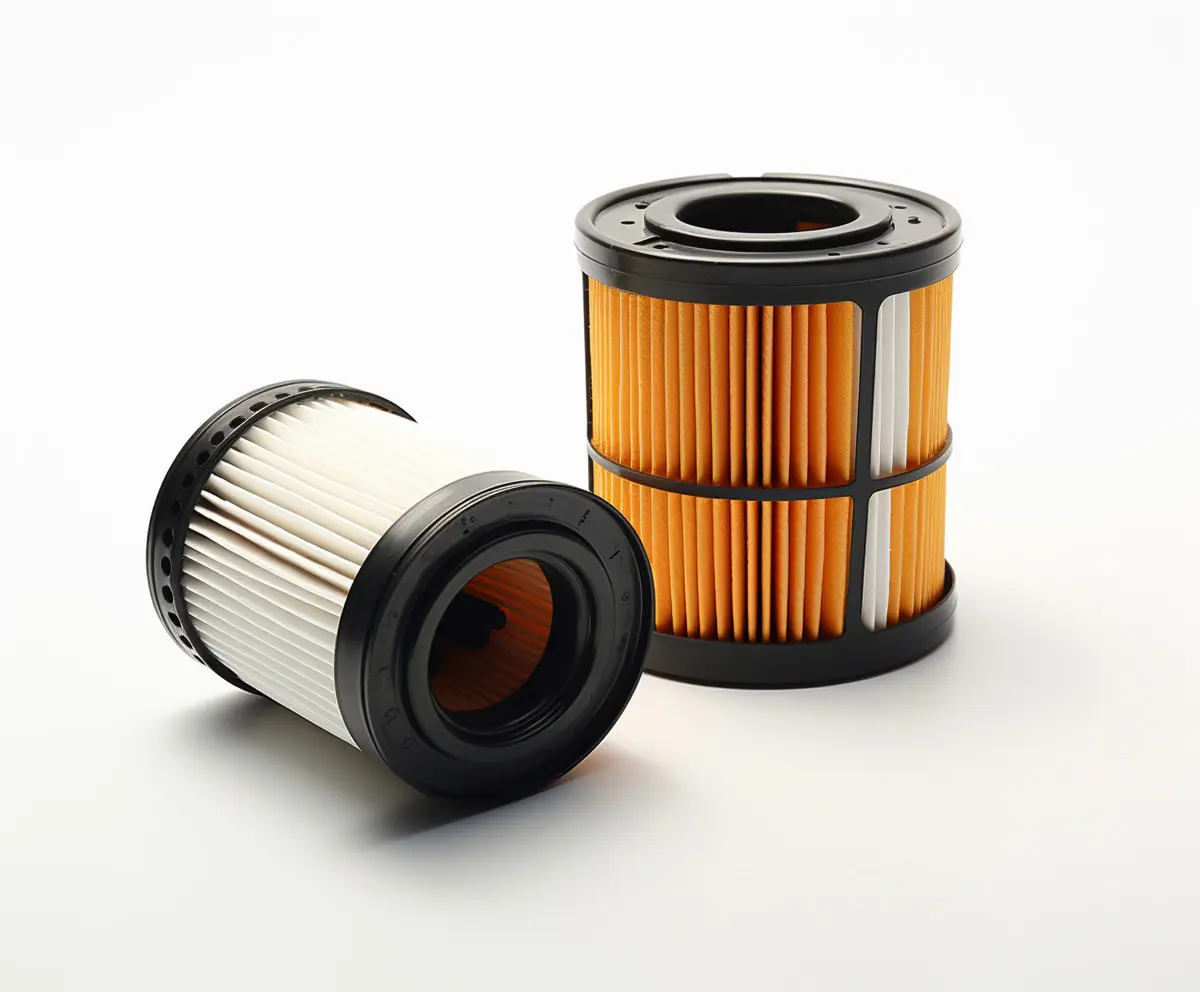 Products
 FUEL FILTER
 OIL ELEMENT FILTER
 OIL FILTER
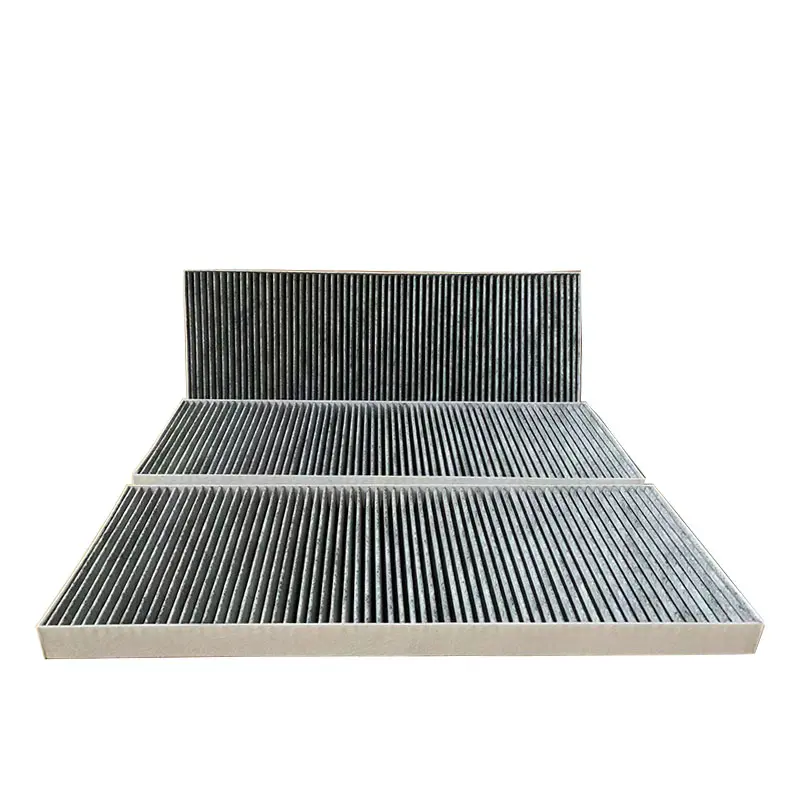 CABIN FILTER
 AIR FILTER