Top Air Filter Manufacturers for Global Buyers
Choosing the right Air Filter manufacturer requires more than comparing prices or browsing attractive product catalogs. Global buyers must examine filtration efficiency, material quality, production consistency, testing methods, and after-sales support. A reliable supplier should explain whether its products use HEPA, ULPA, activated carbon, pocket, panel, or electrostatic technology. It should also provide clear test reports, traceable specifications, and practical installation guidance.
Dr. Richard Corsi, a respected indoor air quality researcher, has stated, “There is no one-size-fits-all solution.” This principle matters when evaluating manufacturers across different markets. A hospital may need certified high-efficiency filtration, while a factory may prioritize dust loading capacity and longer service life. Offices, laboratories, vehicles, and residential systems require different performance targets. A manufacturer that understands these conditions is more valuable than one offering only impressive laboratory figures.
This guide introduces leading Air Filter manufacturers serving international buyers. It considers manufacturing experience, technical expertise, quality control, product range, customization, certifications, and delivery capability. It also looks at details buyers often overlook, such as frame strength, gasket sealing, pressure drop, moisture resistance, and packaging protection during ocean transport. No ranking is perfect. Supplier performance can vary by region, order size, and application. Some companies communicate clearly but offer limited customization. Others produce excellent filters yet provide weak technical documentation. Buyers should verify current certificates, sample performance, and reference projects before signing a contract. Small checks prevent expensive mistakes.

What Defines a Reliable Air Filter Manufacturer
A reliable air filter manufacturer proves performance beyond polished brochures. Buyers should examine factory experience, testing routines, and production consistency. Ask how often filters are tested during a normal shift. A trustworthy facility can provide clear data for airflow, pressure drop, particle capture, and service life. It should also explain test conditions without hiding behind technical language. That matters.
Material control is equally important. Inspectors should trace fibers, frames, adhesives, and sealants back to approved suppliers. Stable manufacturers record batch numbers and investigate unusual results. Clean assembly areas, calibrated instruments, and trained technicians reveal professional discipline. Recognized quality systems can support credibility, but certificates alone are not enough. A certificate may be current while daily controls remain weak.
Tips: Request recent test reports, sample filters, and packaging photos. Compare measurements from different production batches. Check whether the manufacturer explains replacement intervals realistically. Ask about storage, moisture protection, and damage inspection before shipment. A serious supplier will discuss limitations, not promise perfect filtration everywhere. Small gaps can appear around a frame. I have found that these details often decide real-world performance. Reliability is built through repeatable work, honest communication, and evidence buyers can verify.
Key Air Filter Types and Their Industrial Applications
Top Air Filter Manufacturers for Global Buyers
Industrial buyers should match filter media to the contaminant, airflow, and operating environment. Particle filters remove dust, smoke, pollen, and aerosols. HEPA filters capture at least 99.97% of particles at 0.3 micrometers, according to commonly applied IEST test criteria. ULPA filters provide higher efficiency for semiconductor, pharmaceutical, and medical production areas. They also create greater pressure drop.
Activated-carbon filters target gases and odors through adsorption. They cannot replace particle filtration. Bag and panel filters remain practical for factories, warehouses, and commercial ventilation systems. Washable metal filters suit greasy or high-temperature areas, but their real performance depends on cleaning quality. Small details matter.
Grand View Research reported that the global air filter market reached approximately USD 14.5 billion in 2023. MarketsandMarkets forecasts continued growth through 2028, driven by industrial ventilation, cleanrooms, and stricter indoor-air requirements. These figures describe market value, not guaranteed product quality. Buyers should compare ISO 16890 or ASHRAE 52.2 test results, initial resistance, dust-holding capacity, and replacement intervals. A high efficiency rating alone can mislead. An undersized filter may overload quickly, wasting energy and reducing airflow. In field inspections, poor sealing often causes more bypass than weak media. That point deserves more attention. Test certificates, traceable materials, and documented production controls offer stronger evidence than marketing language.
This chart compares standardized EPA, HEPA, and ULPA filter classes by their minimum integral efficiency at the most penetrating particle size (MPPS), based on EN 1822 and ISO 29463 classification principles. Lower-efficiency EPA filters are commonly used in general ventilation, while H13–H14 HEPA and U15–U17 ULPA filters are selected for pharmaceutical, healthcare, semiconductor, and other critical cleanroom applications. Actual performance depends on airflow, housing design, installation quality, and operating conditions.
How Global Buyers Should Evaluate Filter Suppliers
Global buyers should evaluate air filter suppliers through verified performance, not catalog claims.
The World Health Organization’s 2022 air quality database found that
99% of the world’s population lived with air pollution above its guideline levels in 2019.
That makes filtration quality a health-related purchasing factor. Ask suppliers for independent test reports, particle-size efficiency curves, pressure-drop data, and batch traceability. A polished brochure is not enough.
Standards matter. ISO 16890 classifies general ventilation filters by particulate performance, while EN 1822 applies to high-efficiency filters and leak testing. Buyers should check whether the reported efficiency matches the intended airflow and test method.
The United States Environmental Protection Agency states that indoor pollutant concentrations are often
two to five times higher than outdoors, and sometimes much higher.
A filter that performs well in a laboratory may perform poorly after incorrect installation. Check the frame, gasket, dimensions, and replacement process.
Total operating cost deserves equal attention. A cheaper filter can create higher fan energy use when pressure drop rises. Request pressure-drop data at the actual system airflow, not only at a convenient test point.
Supplier audits should review raw-material consistency, production controls, delivery records, and after-sales response times. I would also inspect a sample shipment. Small defects can matter.
No evaluation is perfect; procurement teams can overvalue certificates and undervalue field evidence. A transparent supplier should admit test limitations, explain maintenance needs, and provide corrective action records.
Manufacturing Standards, Testing, and Quality Control
Top Air Filter Manufacturers for Global Buyers
Manufacturing standards reveal how seriously a manufacturer controls performance. Global buyers should request documented procedures, not attractive product claims. Depending on the application, filters may be tested under ISO 16890, ASHRAE 52.2, EN 1822, or ISO 29463 methods. The selected standard must match the buyer’s market and equipment.
Testing should measure filtration efficiency, airflow resistance, dust-holding capacity, leakage, and physical strength. A reliable factory uses calibrated instruments and records test conditions, including temperature, humidity, and airflow speed.
I have found that small changes in sealing or media tension can alter results. One laboratory report cannot represent every production batch. That limitation deserves honest attention.
Tips: Ask for recent batch reports, calibration records, sample approvals, and traceability codes. Check whether the test laboratory is independent or controlled internally. Inspect packaging, frame bonding, gasket placement, and label accuracy during pre-shipment checks. Quality control should begin with incoming media inspection and continue through final sampling. Some manufacturers still rely too heavily on visual inspection, which can miss pressure-drop changes. A stronger system combines trained workers, statistical sampling, documented corrective actions, and periodic third-party verification. Good records make problems easier to locate, but they do not replace practical factory experience.
Choosing the Right Manufacturer for International Supply Chains
Choosing an air filter manufacturer for international supply chains requires more than comparing unit prices. MarketsandMarkets estimates the global air filter market could grow from about USD 14.3 billion in 2023 to USD 20.9 billion by 2028. This growth attracts new factories, but not every supplier offers stable quality. Buyers should request ISO 16890 or EN 1822 test records, production samples, and traceable material specifications.
Performance must match the destination market. The World Health Organization’s 2021 guidelines set annual PM2.5 exposure at 5 micrograms per cubic meter. That target makes filtration efficiency, pressure drop, and replacement frequency practical purchasing concerns. A supplier should explain test conditions clearly, not only provide an attractive efficiency percentage. Ask how filters perform after dust loading, humidity exposure, and long-distance transport. Small details matter.
Supply reliability needs equal attention. Review monthly capacity, minimum order quantities, export packaging, spare-media availability, and realistic lead times. The UNCTAD Review of Maritime Transport 2023 highlighted continuing volatility in global shipping costs and schedules. A manufacturer with several qualified material sources may manage disruption better. Still, diversification is not automatically safer. Different factories can create inconsistent dimensions and airflow resistance. I have seen polished documentation conceal weak batch control. A factory audit, independent inspection, and a pilot shipment can reveal that problem early. Perfect procurement plans rarely survive their first container.

 Products
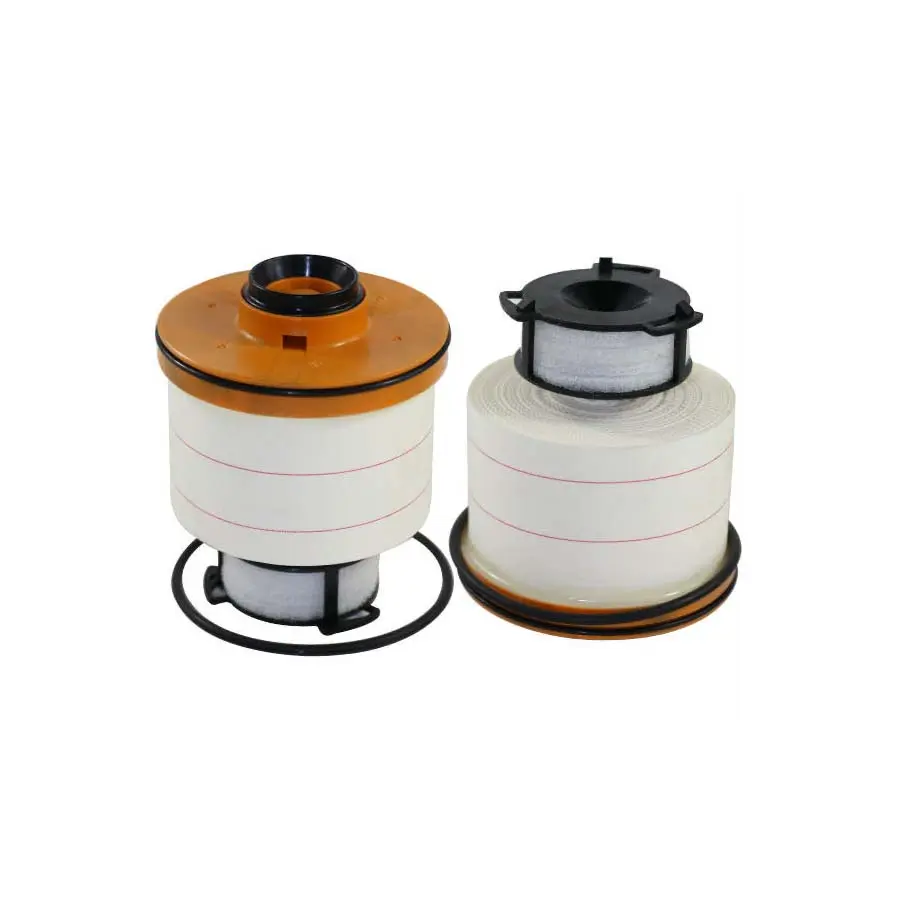 FUEL FILTER
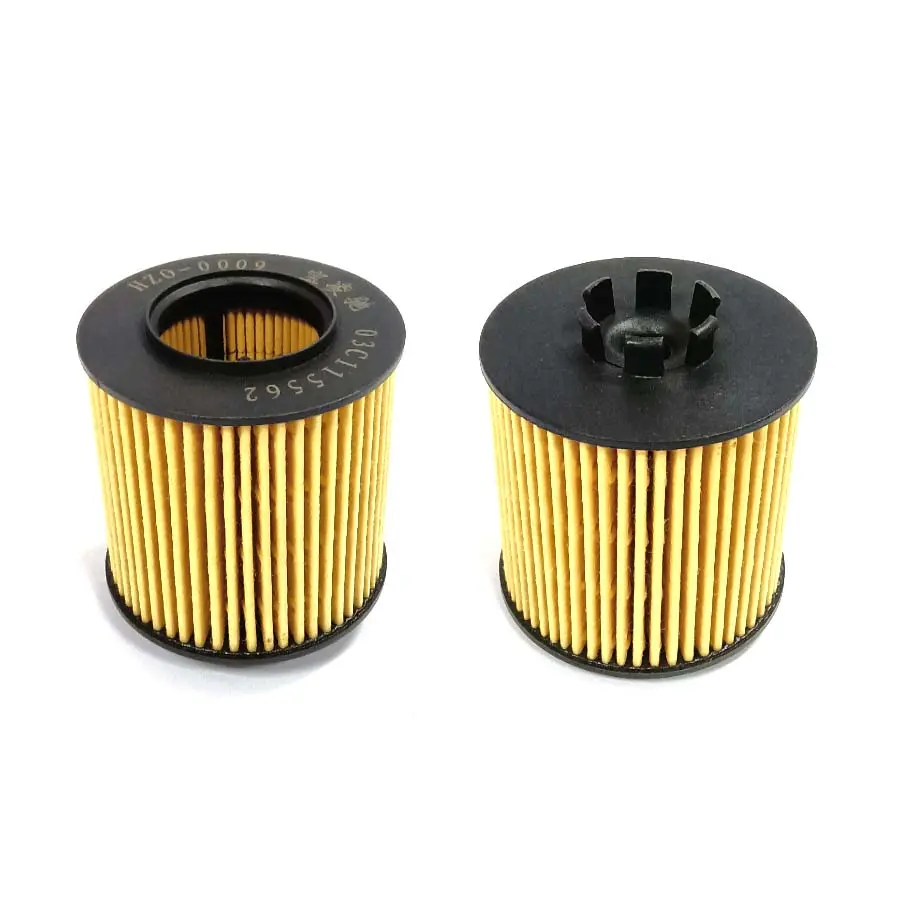 OIL ELEMENT FILTER
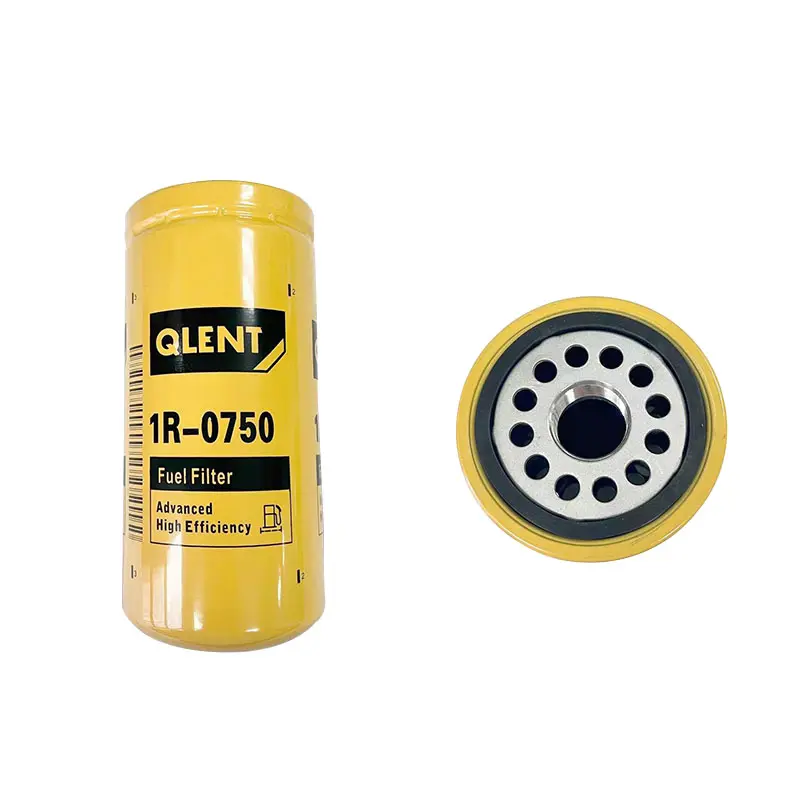 OIL FILTER
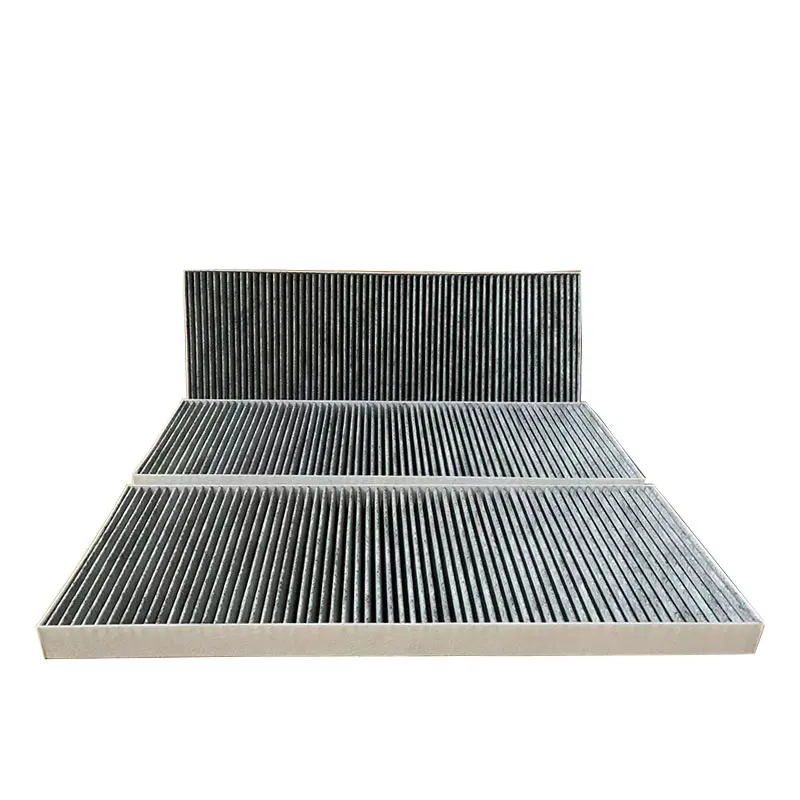 CABIN FILTER
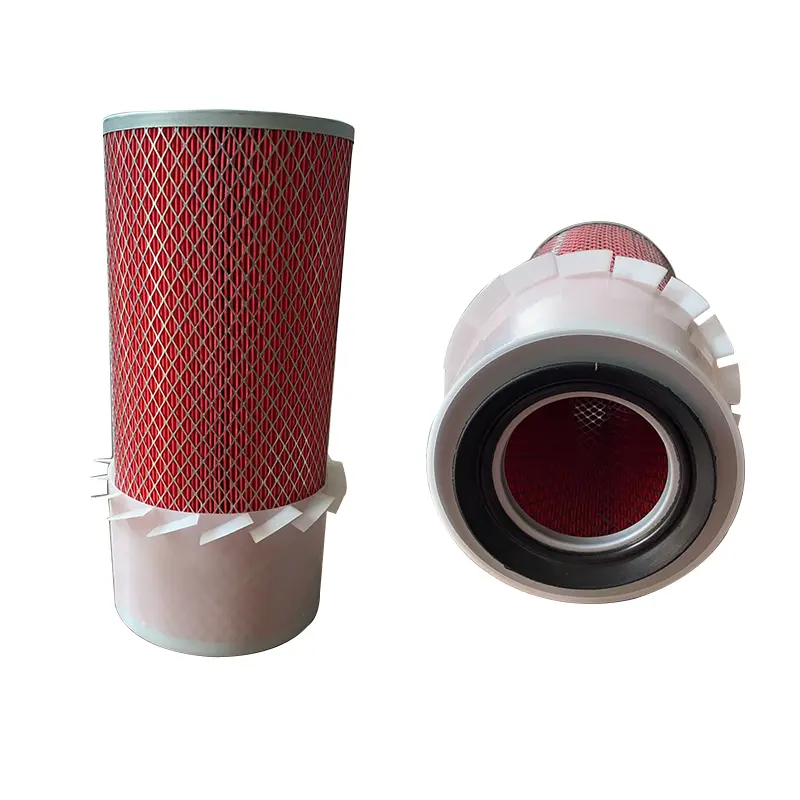 AIR FILTER