Why Is AC Filter Quality Important for Global Buyers?
For global buyers, Ac Filter quality is more than a purchasing detail. It affects indoor air cleanliness, equipment protection, energy use, and customer confidence. A weak filter may allow dust, pollen, and fine particles to pass through. It can also load unevenly and reduce airflow. The result may be noisy operation, higher electricity costs, and premature coil contamination.
Dr. William P. Bahnfleth, an indoor air quality researcher and former ASHRAE president, has stated, “Filtration is one of the most effective tools for improving indoor air quality.” His view reflects practical HVAC experience. A reliable Ac Filter should match the system’s airflow, pressure limits, filter dimensions, and operating environment. Buyers should examine test data, not only marketing claims. ISO 16890 ratings, pressure-drop figures, sealing quality, and material consistency deserve careful review. Small gaps around a frame can undermine an otherwise efficient filter.
Performance matters in real buildings. A filter used near a busy road faces different conditions from one installed in a quiet office. Humid warehouses, hospitals, factories, and homes also create different demands. There is no universal best choice. That is easy to forget.
We should also admit that price comparisons can be misleading. A low-cost filter may require frequent replacement or increase fan energy. A higher-quality option may reduce maintenance interruptions over time. Still, every claim needs verification through samples, supplier records, and field feedback. Global buyers need dependable evidence, transparent specifications, and suppliers willing to discuss limitations. That is where professional judgment becomes valuable.
What AC Filters Are and How They Support Air Conditioning Systems
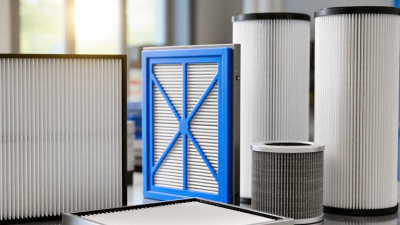
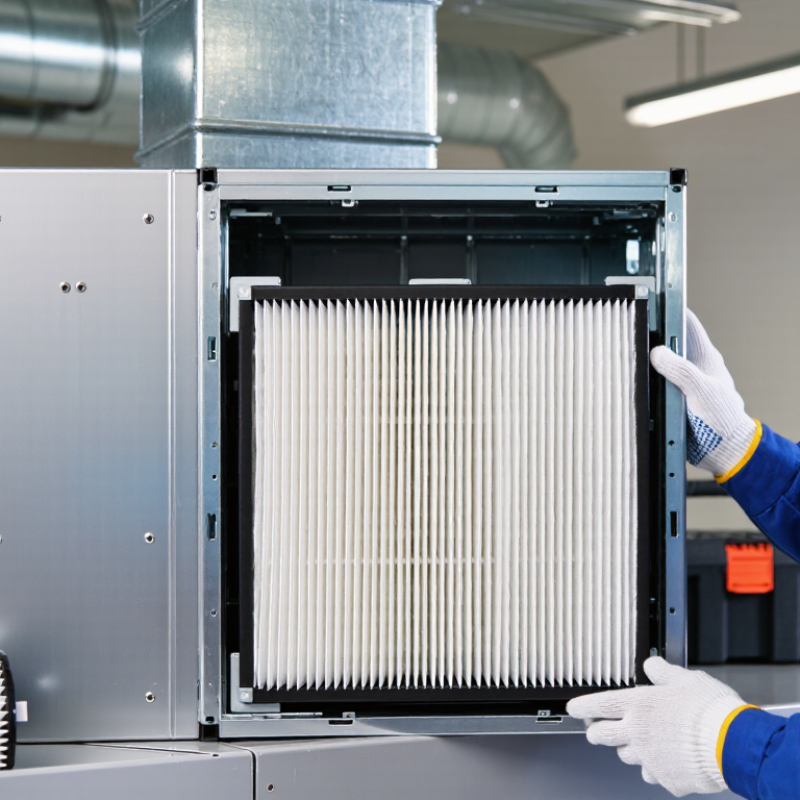
An AC filter is a removable barrier inside an air conditioning system. It captures dust, lint, pollen, and other airborne particles before they reach the coil and blower. Common designs include panel filters, pleated filters, washable filters, and deeper bag filters. Each type offers different airflow resistance and particle-capturing performance.
In practical purchasing work, filter quality depends on more than appearance. Buyers should check the media, frame strength, gasket seal, dimensions, and pressure-drop data. A poorly sealed edge can let dirty air bypass the filter. Airflow tells the truth. If resistance is too high, the fan works harder, cooling becomes weaker, and energy use may increase. If resistance is too low, fine particles may pass through and cover the coil.
Reliable suppliers should provide test information, batch consistency, and clear replacement guidance. Standards such as ISO 16890 can help buyers compare performance, but the installation environment still matters. A dusty workshop needs a different solution from a clean office. Filter life also changes with weather, occupancy, and maintenance habits. No filter performs perfectly. Small errors matter. It is easy to focus on efficiency numbers and overlook fit. During inspection, measure the frame, examine the seal, and check airflow under operating conditions. That simple step often reveals problems that product photos cannot show.
Key Quality Standards for AC Filters in International Markets
International buyers need clear standards when evaluating AC filter quality.
A filter should be tested against a recognized method, not judged by appearance alone.
ISO 16890 measures particle removal across different particle sizes.
ASHRAE 52.2 reports efficiency through a defined testing procedure.
These systems are not interchangeable.
Comparing results without checking the test method can create a misleading advantage.
Pressure drop matters as much as filtration efficiency.
A dense filter may capture more particles but restrict airflow and increase energy use.
Buyers should review
initial resistance, rated airflow, dust-holding capacity, and final resistance.
Filter dimensions must also match the equipment precisely.
A small gap around the frame can reduce real-world performance.
It happens more often than expected.
For higher-efficiency applications, EN 1822 or ISO 29463 may provide relevant classification and leak-testing requirements.
Materials should be checked for moisture resistance, fiber shedding, odor, and safe handling.
Request current laboratory reports, production-batch records, and traceable inspection data.
Certificates alone are not enough.
In sourcing work, sample performance sometimes differs from mass production.
That weakness deserves attention.
Independent testing can reveal unstable pleating, weak seals, or inconsistent media density before shipment.
Local market requirements should also be confirmed, because accepted documentation and installation practices vary between regions.
How Filter Materials and Designs Affect Performance
Why Is AC Filter Quality Important for Global Buyers?
Filter materials and design directly shape airflow, cleanliness, noise, and operating cost. Fiberglass filters usually offer low resistance, but they capture fewer fine particles. Pleated synthetic media provides more surface area and steadier filtration. However, higher efficiency can create greater pressure drop when the filter is undersized or overloaded. ASHRAE Standard 52.2 evaluates filter performance across particles from 0.3 to 10 micrometers. Its MERV system helps buyers compare tested efficiency, not marketing language. Real installations can still perform differently.
According to the U.S. Department of Energy, replacing a dirty, clogged filter may reduce air-conditioning energy use by 5% to 15%. That figure depends on equipment condition, climate, and replacement habits. A useful filter needs more than a high rating. Its frame must seal tightly, resist moisture, and remain stable under continuous airflow. Poor edge sealing can allow bypass air. That weakens the entire system.
Tips: Check pressure-drop data before purchasing. Compare initial and final resistance. Inspect pleat depth, gasket quality, and frame strength. Match the filter to the unit’s approved size. Do not select the highest rating automatically. It may restrict airflow. Field experience shows that maintenance teams often overlook fit, especially after changing suppliers. I would also treat every published efficiency number carefully. Test conditions are not identical. Performance needs verification in the actual system.
The Impact of AC Filter Quality on Energy Use and Equipment Life
For global buyers, AC filter quality directly affects energy use and equipment life.
A filter is not merely a dust screen. Its fiber structure, sealing, and pressure resistance shape airflow through the system. In field inspections, a low-grade filter often shows early deformation. Gaps then allow dust to reach coils and blower parts. Small leaks can create larger maintenance problems. Clean airflow matters.
When resistance rises, the fan works harder to maintain indoor airflow.
That extra load can increase electricity consumption, especially in large facilities running continuously. A poorly fitted filter may also clog unevenly. One corner turns gray while another remains clean. This pattern signals bypass airflow, not effective filtration. Technicians should compare pressure readings before and after the filter, rather than judge quality by appearance alone. Measurements reveal the real cost.
Better filter construction helps keep coils cleaner and reduces unnecessary motor stress.
Cleaner coils transfer heat more efficiently, so cooling cycles may become shorter. Equipment can then experience fewer overheating events and less frequent cleaning. Still, higher initial quality does not guarantee better results. Incorrect sizing, delayed replacement, and humid conditions can defeat a good design. Buyers should request test data, dimensional tolerances, and replacement guidance. They should also check whether local suppliers can maintain consistent quality. That part is often overlooked.

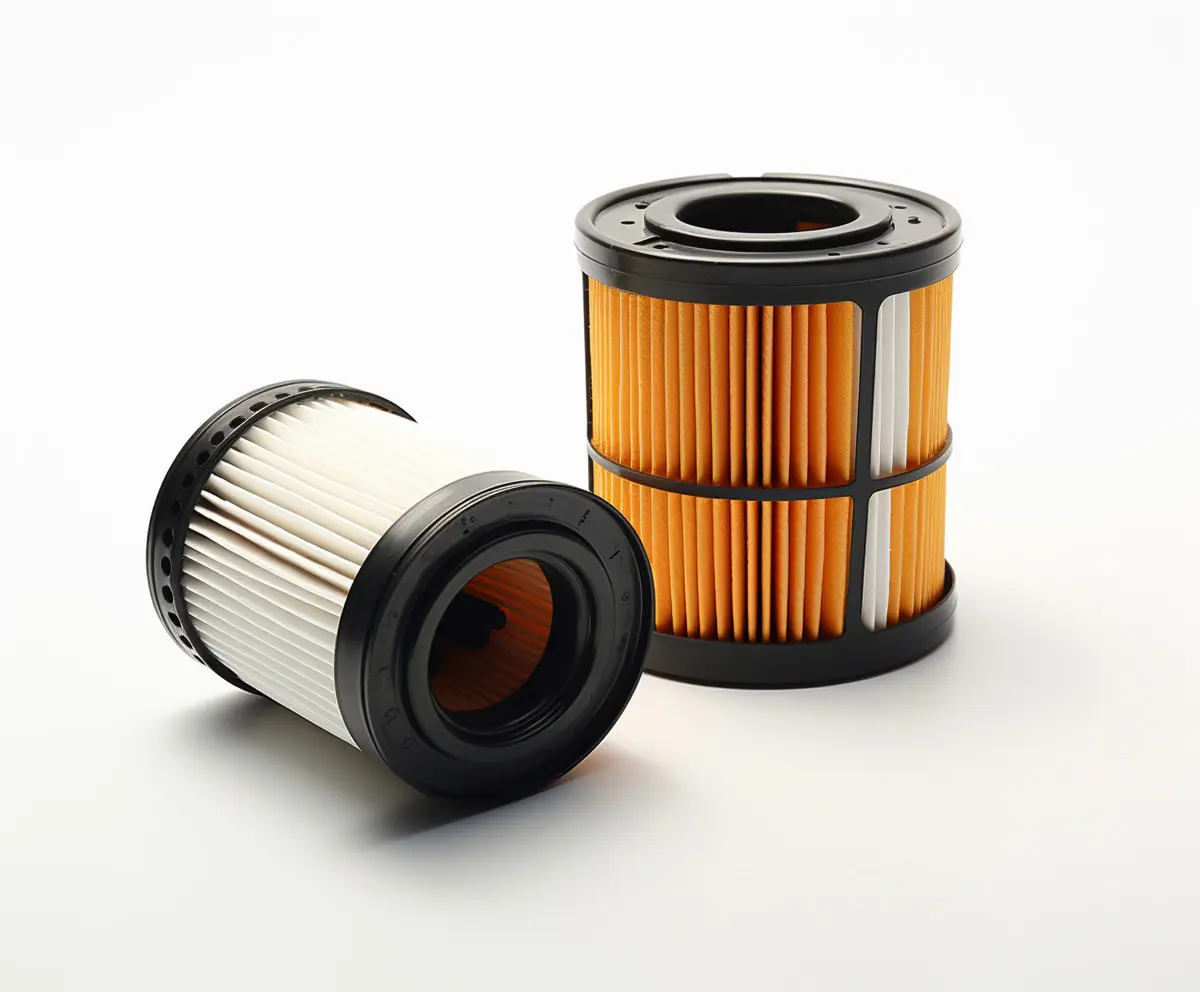 Products
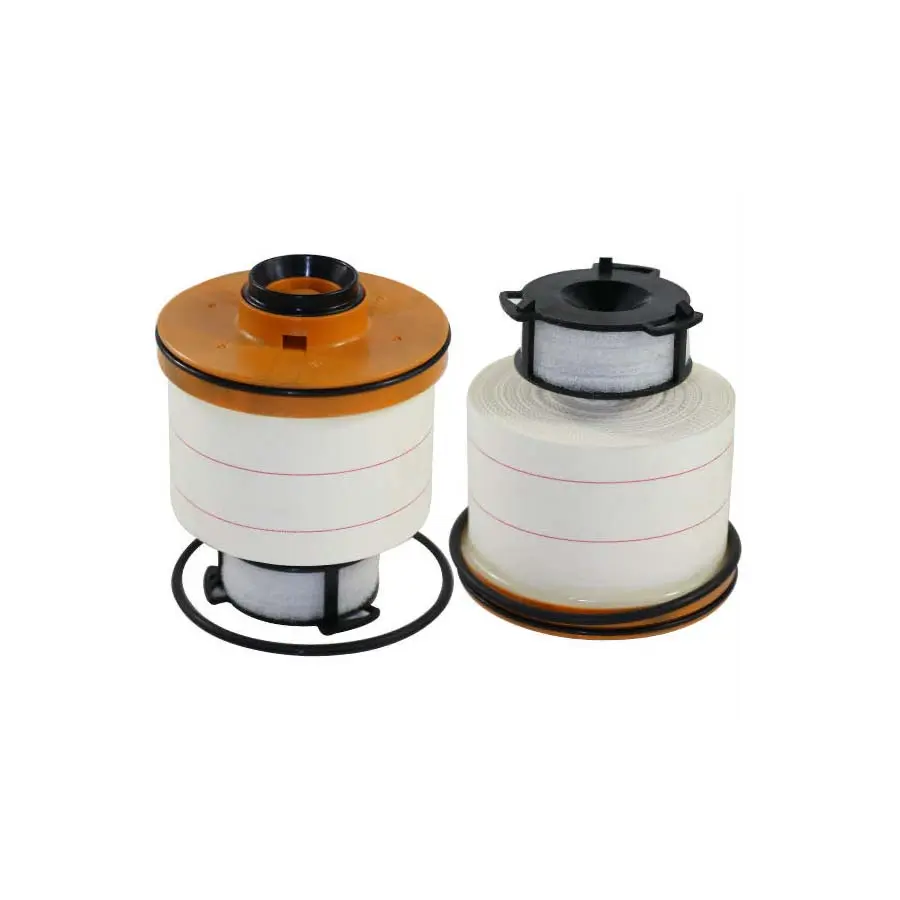 FUEL FILTER
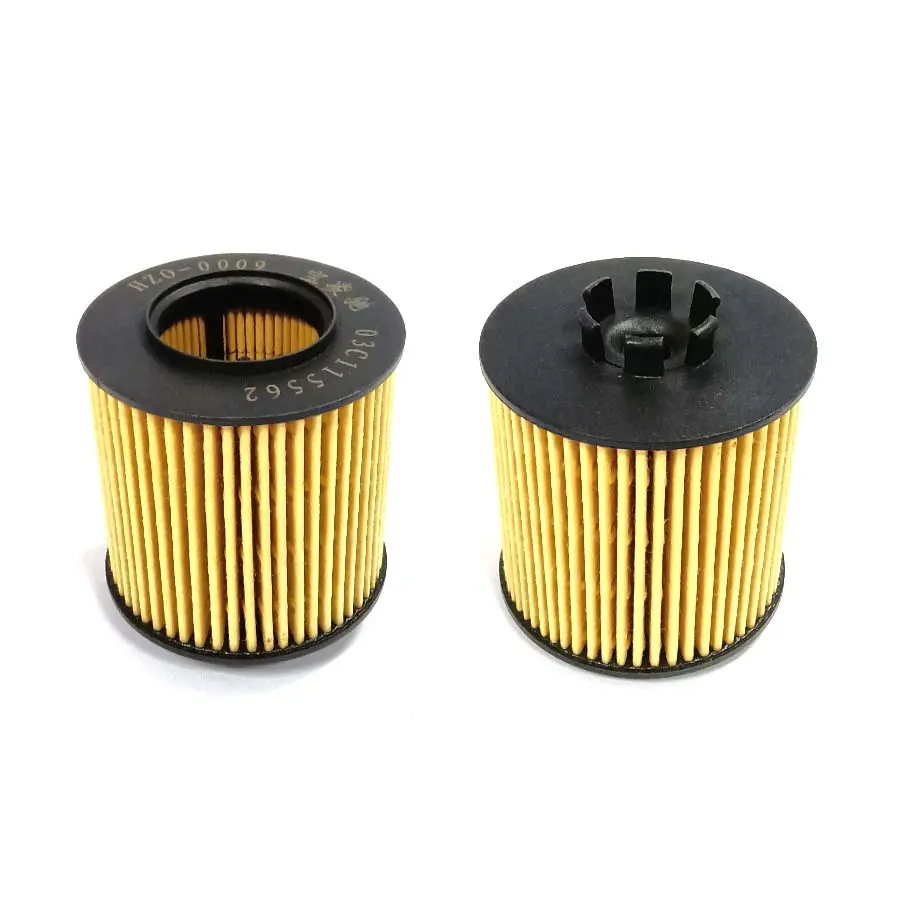 OIL ELEMENT FILTER
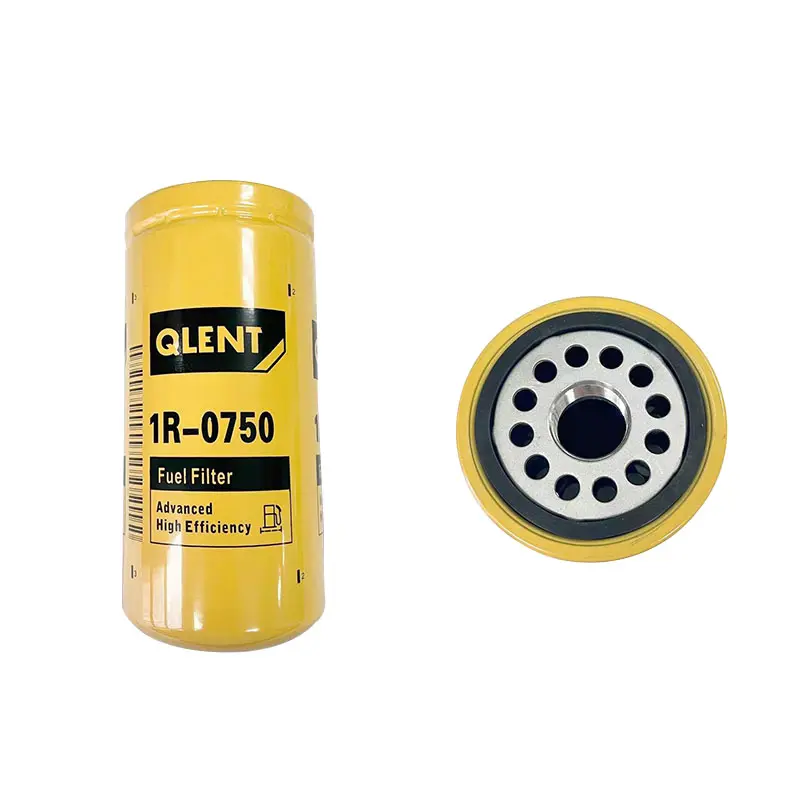 OIL FILTER
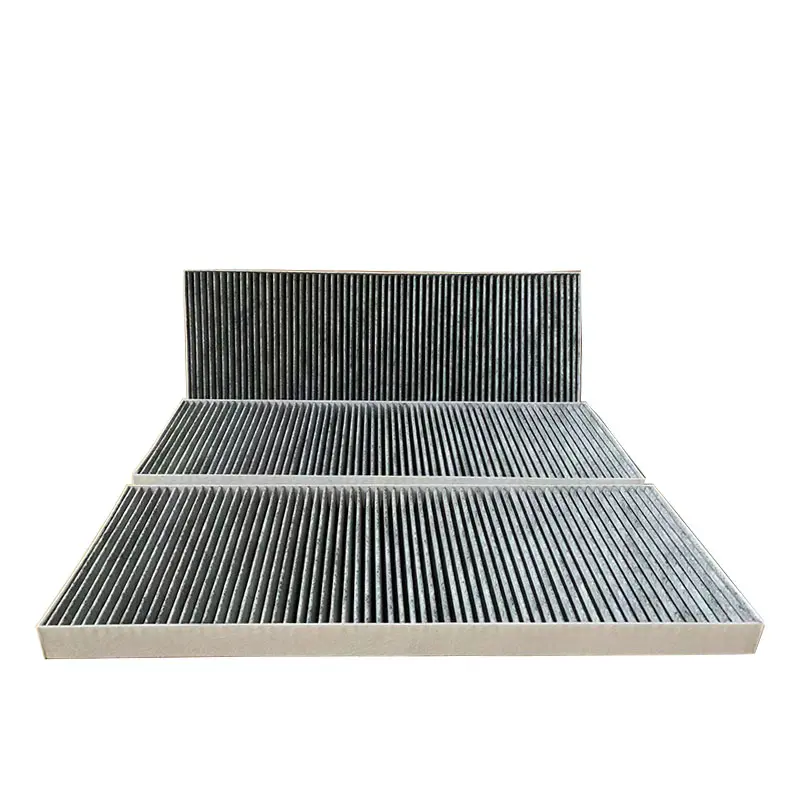 CABIN FILTER
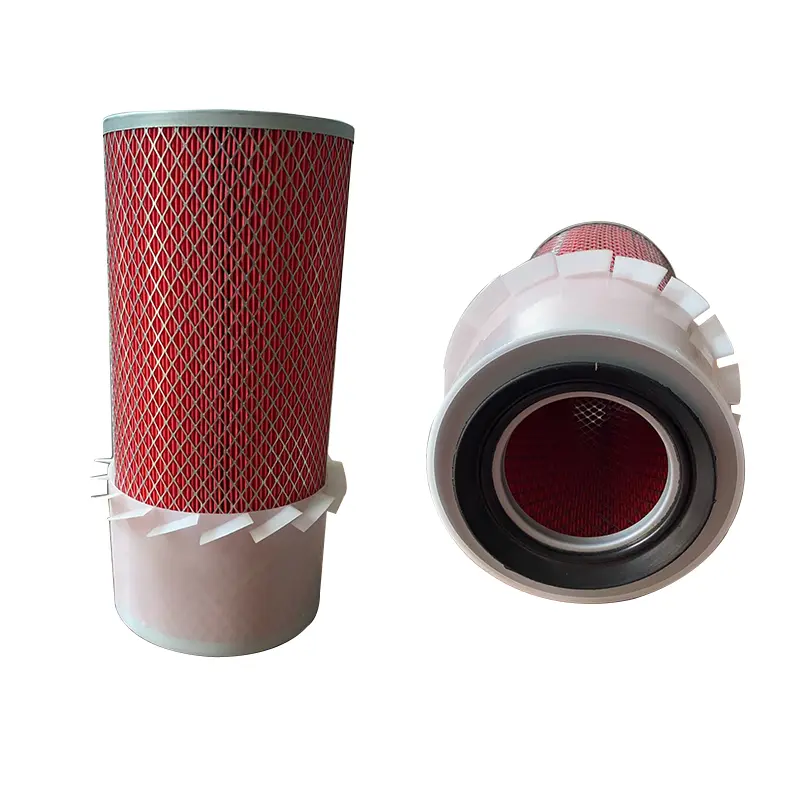 AIR FILTER