China’s automotive supply chain includes manufacturers producing engine air, oil, and fuel filters for domestic and overseas buyers. This guide introduces ten Chinese companies connected with the Car Engine Filter market. It is intended to help readers build a practical shortlist, not to declare one supplier universally best. Product fit depends on the vehicle, operating conditions, and purchasing requirements.
The comparison considers factors buyers can investigate: filter range, stated production capabilities, quality-control procedures, technical documentation, customization options, and export experience. Details matter. A polished catalog alone cannot confirm how consistently a filter performs in service. Ask suppliers for specifications, test information, sample policies, and clear answers about materials and production checks. Certifications may be relevant, but buyers should verify their scope and validity rather than rely on a logo.
Small differences count. Media construction, sealing, dimensions, and fitment can affect installation and filtration results. Lead times and communication also shape a working relationship, especially for repeat orders. Company information can change, and public descriptions may not reveal every operational detail. That leaves room for careful follow-up—and a little uncertainty. Use this overview as a starting point, then compare each manufacturer against your application, quality expectations, and commercial needs. A suitable partner is not merely the one with the broadest catalog; it is the one whose documented capabilities match the job.
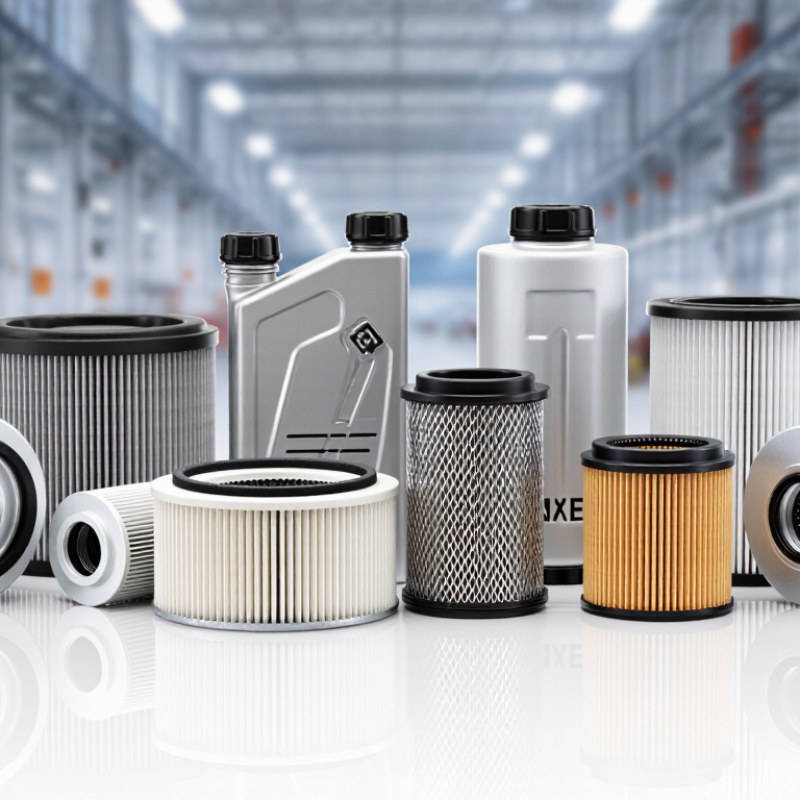
A car engine needs clean air and clean oil to operate reliably. The air filter catches dust, grit, and other particles before they enter the intake. The oil filter captures contaminants circulating with engine oil, helping reduce wear on moving parts. Small components. Their condition can matter.
When an air filter becomes clogged, airflow may be restricted, which can affect engine performance. An oil filter has a different job: it traps particles while oil continues moving through the lubrication system. Neither filter can correct an existing mechanical problem, and a fresh filter is not a cure-all. That distinction is easy to overlook.
Drivers can check service records and follow the vehicle maker’s maintenance schedule, since replacement needs vary by engine and driving conditions. Dusty roads, frequent short trips, or heavy traffic may call for closer attention. A filter that looks dirty may still be within its service interval, while appearance alone cannot reveal its full condition. Careful inspection helps, but it is sensible to confirm the correct filter specification before replacement.
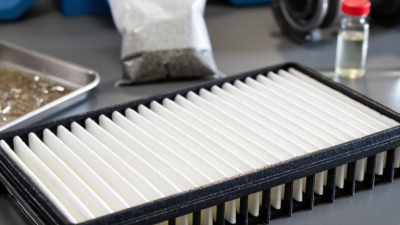
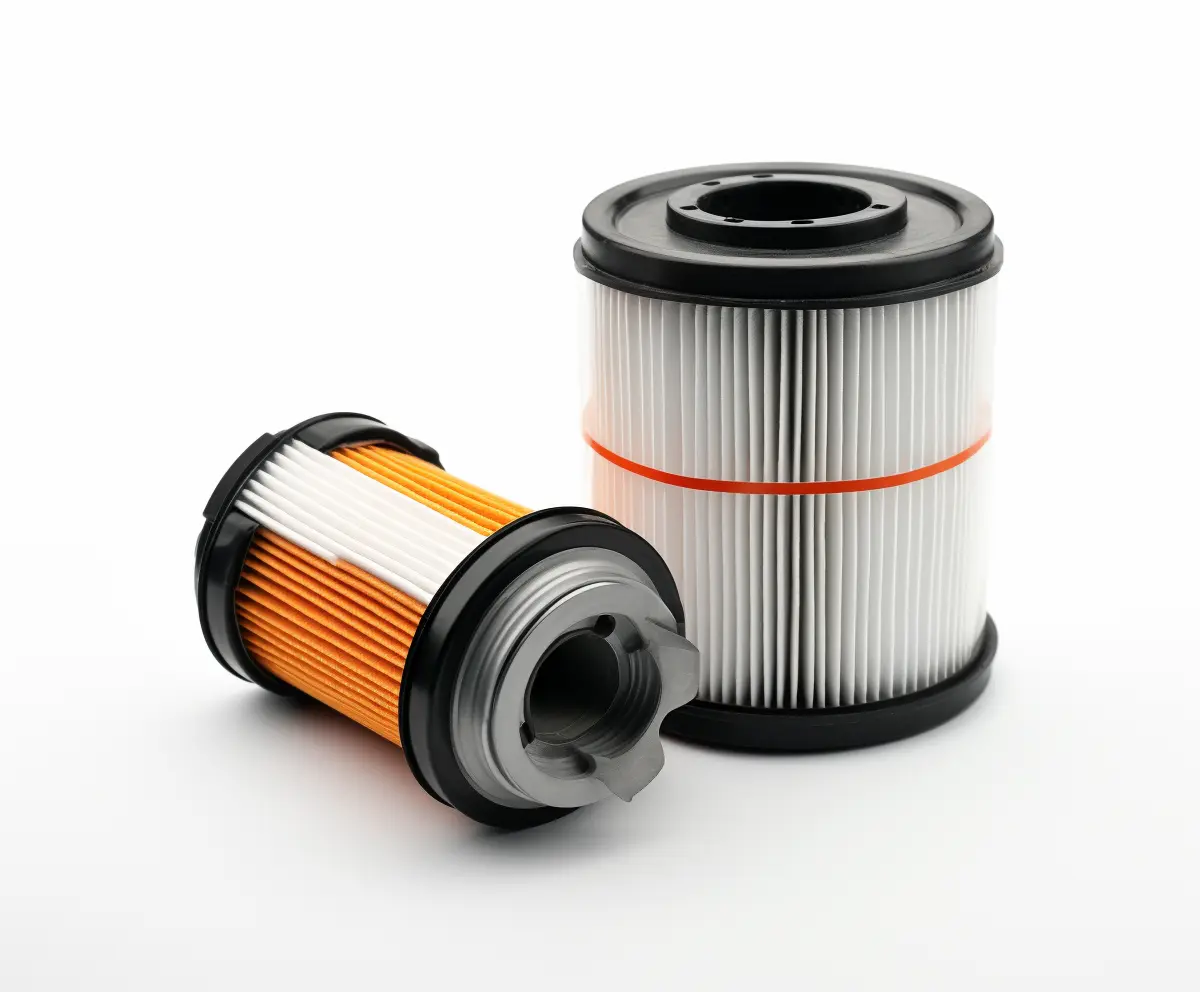
Engine filters made in China generally fall into four practical groups: intake-air, oil, fuel, and crankcase-ventilation filters. Each protects a different part of the engine, so its media and housing design vary.
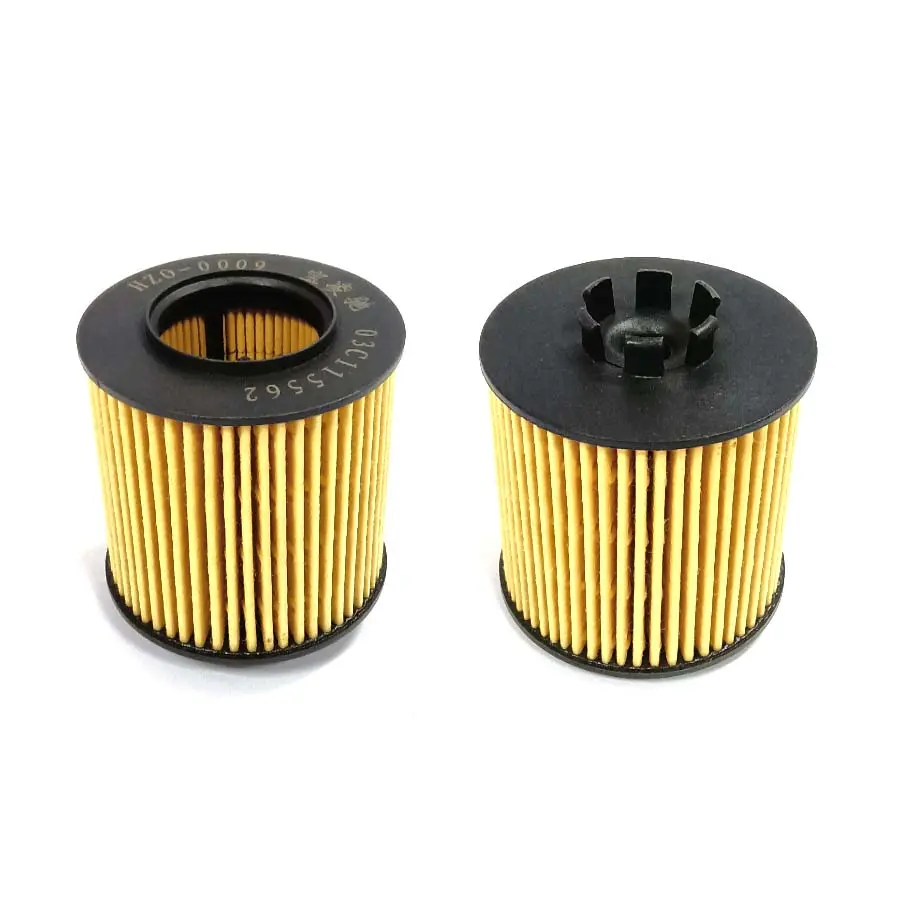
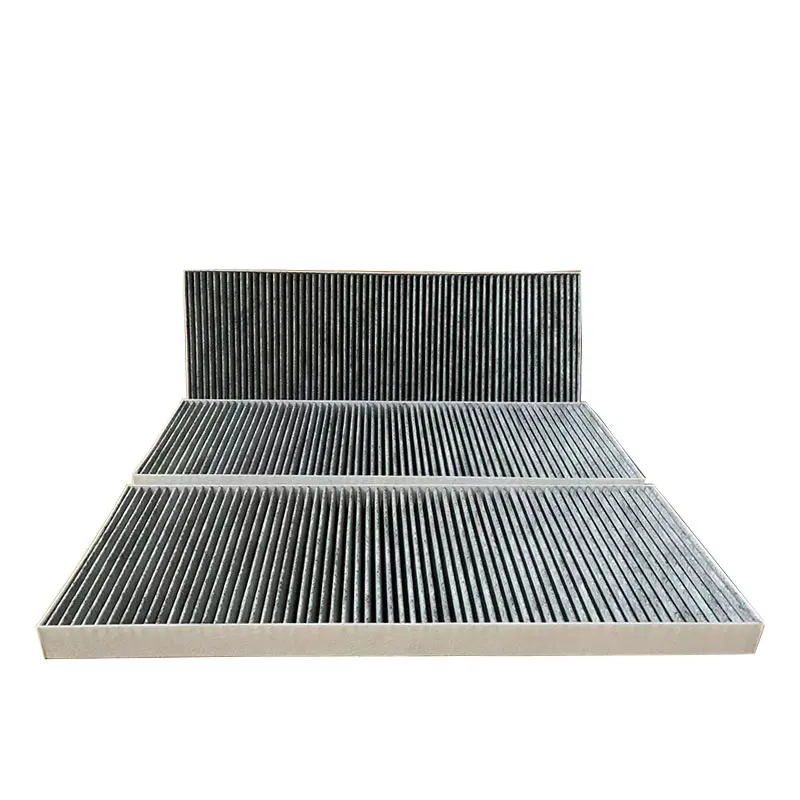
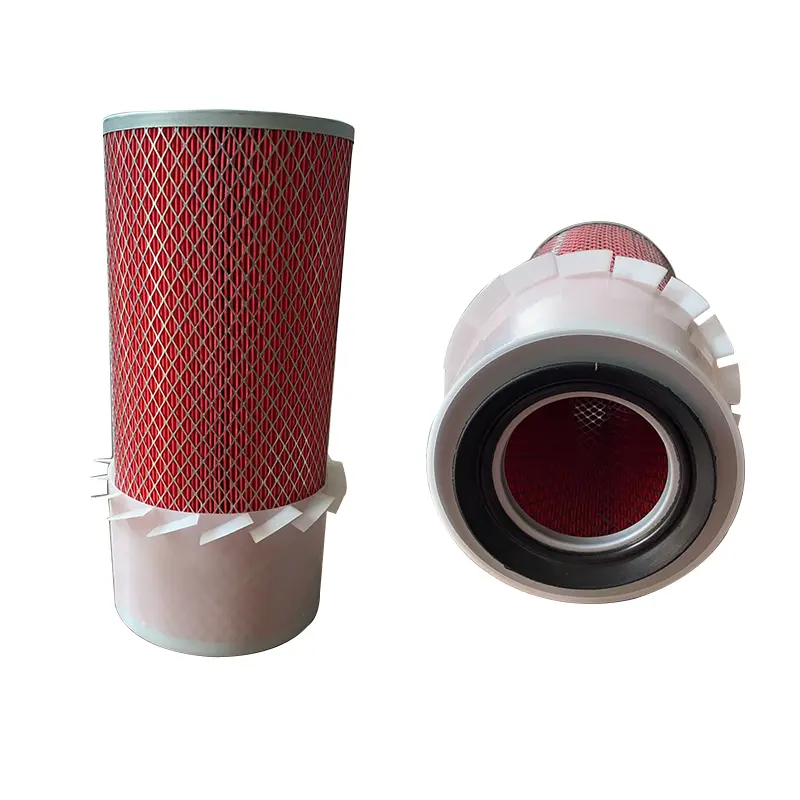
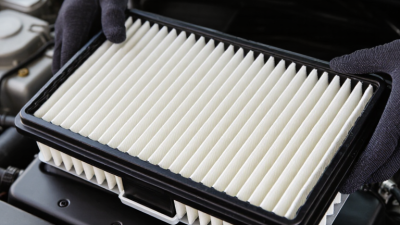
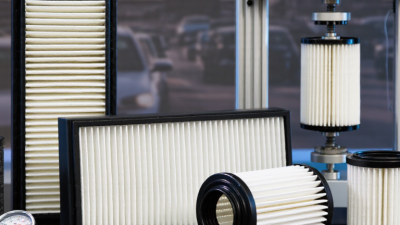
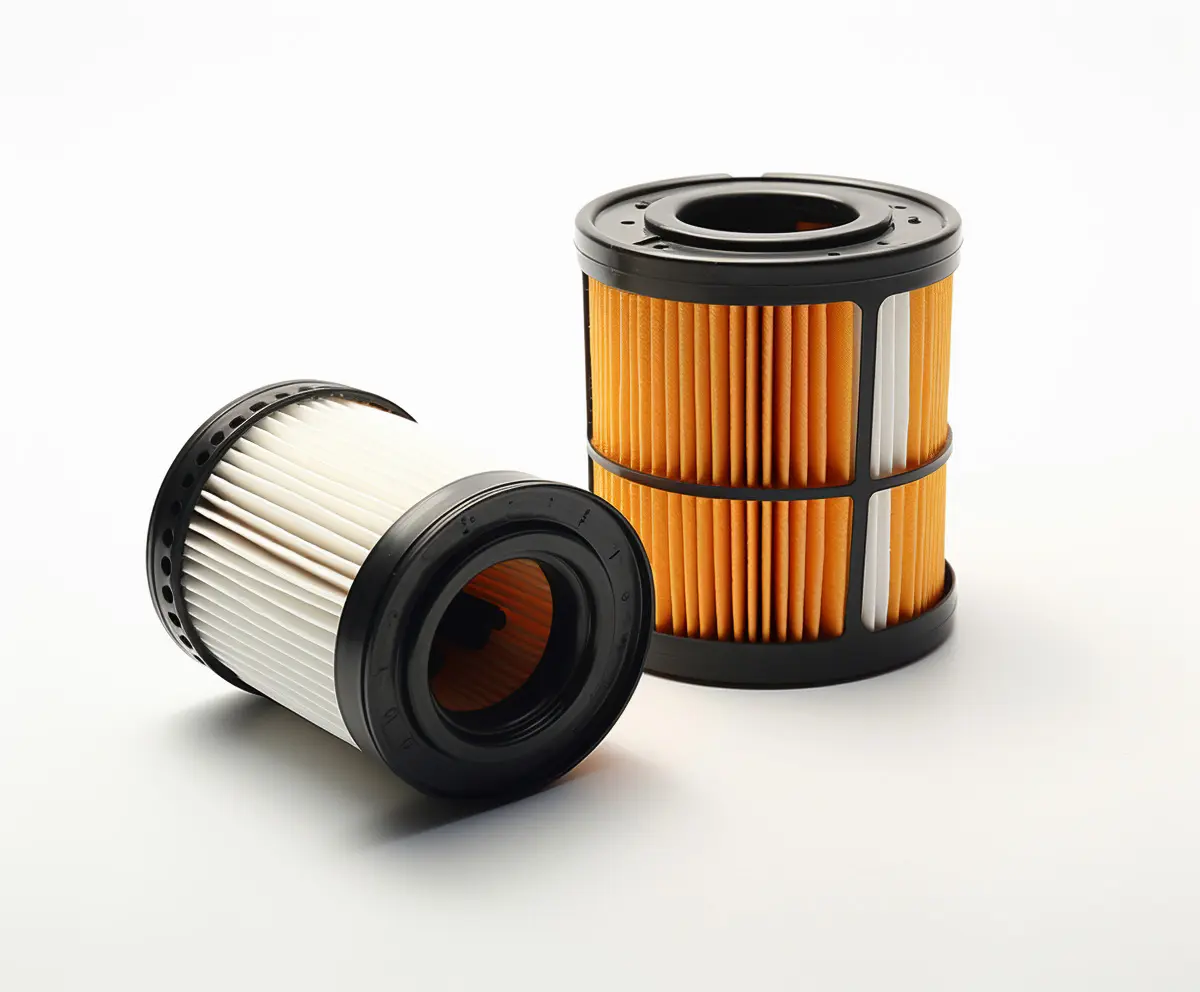
Air filters use pleated cellulose, synthetic fibers, or blended media to catch dust before it reaches the cylinders. Look for even pleats and a flexible perimeter seal. Small gaps matter.
Oil filters commonly combine a steel shell, filter element, bypass valve, and anti-drainback valve. These parts help manage pressure and retain oil during shutdown, though designs differ by engine.
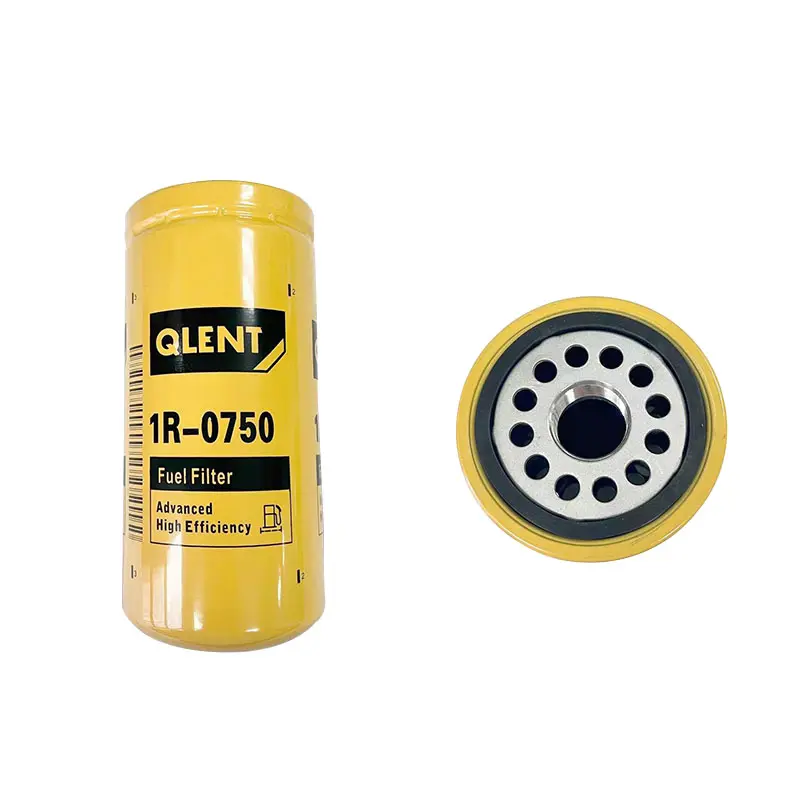
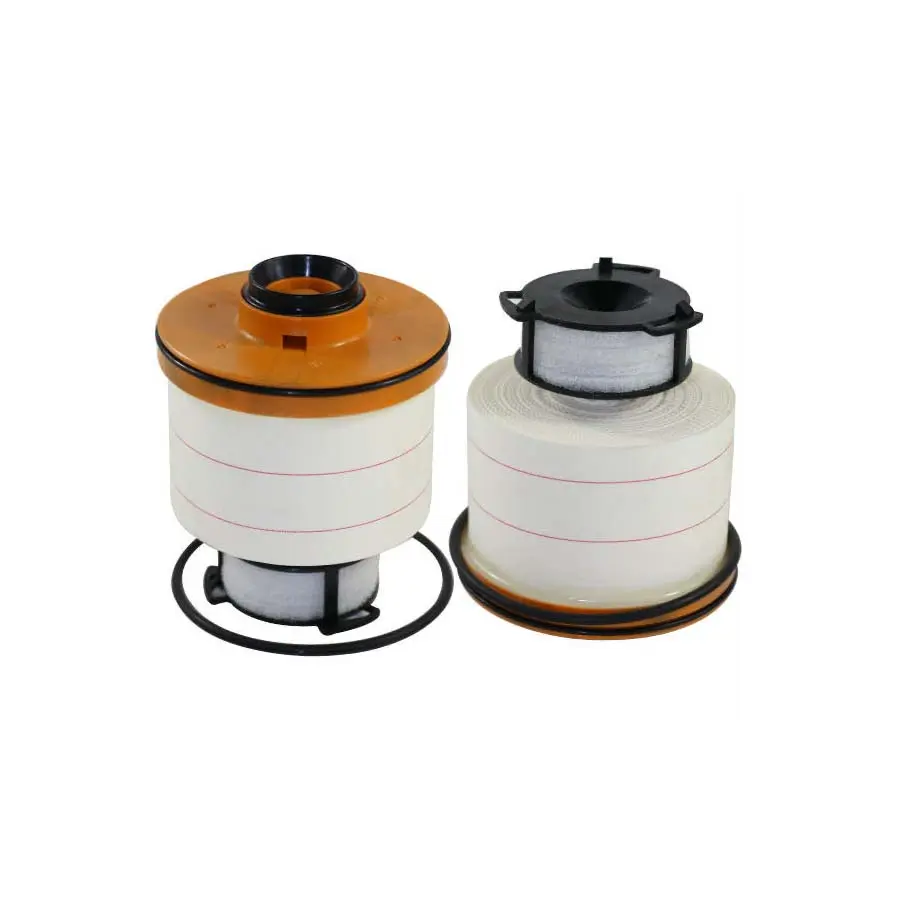
Fuel filters remove particles and, in many diesel applications, separate water from fuel. Some use replaceable cartridges; others arrive as sealed assemblies.
Crankcase-breather filters handle oil mist and gases in the crankcase ventilation system. They may use layered fiber or molded separators, depending on operating conditions.
Chinese manufacturers make these types in varied sizes and media grades for passenger vehicles, trucks, and machinery. That range is useful, but a product label alone cannot verify performance.
Check filtration efficiency, pressure drop, sealing dimensions, and test methods against the vehicle’s requirements.
I would not judge a filter by appearance alone; media quality is hard to assess without test data. Even a tidy pleat pack can disappoint.
Choosing a Chinese engine filter manufacturer takes more than comparing unit prices. Start with the filter’s intended use, engine type, operating temperature, and exposure to dust or oil. Ask how the supplier controls filter media, seals, end caps, and pleat spacing. A clean factory floor is encouraging, but it does not prove consistent performance. Request production records and batch traceability. Details matter.
Review test data for pressure drop, dust-holding capacity, filtration efficiency, and collapse resistance. Check whether the test conditions match your application; figures without test methods are difficult to compare. Request samples from regular production, not specially prepared pieces. Inspect gasket fit, adhesive coverage, and media damage. Compare samples from several batches when possible. One sample isn’t enough. Even a careful audit has blind spots, so a small pilot order can reveal packaging, lead-time, and communication issues that lab reports may miss.
Tips: Keep a written checklist and record answers. Confirm how defects are handled, and ask for updated test results when materials or processes change. Be cautious when claims lack supporting documents.
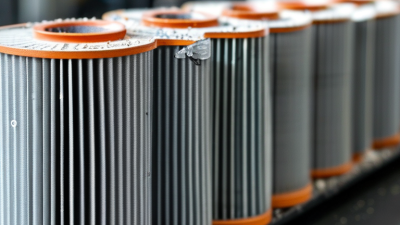
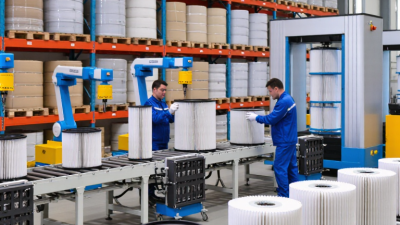
This guide profiles ten Chinese car-engine-filter manufacturers by capability, not brand claims. The profiles distinguish integrated plants, oil-filter specialists, air-filter producers, media converters, and suppliers serving export or replacement channels. Some control stamping, pleating, sealing, and assembly under one roof; others outsource stages, affecting traceability and lead times. Small details matter. A crooked gasket can defeat a good filter.
The China Association of Automobile Manufacturers reported 31.28 million vehicles produced and 31.44 million sold in China in 2024, underscoring the scale of the domestic vehicle supply chain. Volume alone proves little about filter quality. Each profile considers media consistency, pleat geometry, seal fit, pressure drop, dirt-holding capacity, and documented durability testing. Ask whether test results use the same oil, temperature, and flow conditions; otherwise, comparisons may mislead. Profiles also cover product range, manufacturing control, customization, and export experience where disclosed. Some public information remains thin, so treat broad capacity claims cautiously. That gap deserves scrutiny.
A Top 10 list can help you build a shortlist, but the right car engine filter manufacturer in China depends on your application.
Start with the engine type, operating conditions, and required service interval. A dusty work vehicle needs different dust-holding capacity from a city car. Compare filtration efficiency, airflow resistance, sealing design, and filter dimensions against your actual specifications. A low micron rating alone is not enough; excessive pressure drop can also affect performance.
Ask how the manufacturer tests finished filters, and request results for relevant measures such as efficiency, pressure drop, and dust capacity. Testing methods should be clear and repeatable. Check whether production samples match approved drawings, and ask how materials and batches are tracked.
Fit a sample on the intended housing, then inspect the gasket contact and any signs of bypass.
Small details matter.
A clean catalog can still hide inconsistent pleats or weak seals. I would not treat one good sample as proof; request samples from more than one production batch.
Also discuss minimum order quantities, lead times, and how design changes are documented. Some details may feel tedious. They can prevent costly fit problems later.