Inquiry
Form loading...

How to Choose the Best Auto Filter Supplier in China?

Choosing an Auto Filter supplier in China is not just a search for the lowest quotation. The right partner should understand your vehicle applications, performance requirements, and delivery expectations. A filter that looks correct may still use unsuitable media, have inconsistent pleat spacing, or fail to fit the housing. Small details matter.

This guide explains how to assess suppliers with practical questions and verifiable evidence. Check product specifications, material options, sample quality, inspection procedures, and the supplier’s ability to maintain consistent production. Ask how filtration performance is tested and whether test reports match the exact model you plan to purchase. Confirm dimensions, sealing materials, packaging, and traceability before approving an order. Clear answers are useful. Vague promises are not.

Price still matters, but it should be compared alongside quality controls, communication, lead times, and after-sales support. Request recent production samples and review relevant documents directly; do not rely on a polished catalog alone. Where possible, discuss requirements with the technical team, not only the sales contact. A factory visit or independent inspection may help, depending on order size and risk. No checklist removes every uncertainty. Supplier selection can be messy, and one missed question may become an expensive lesson. Use the guidance below to compare options carefully and choose a partner whose capabilities fit your actual needs.
How to Choose the Best Auto Filter Supplier in China?

Define Your Automotive Filter Requirements and Target Market

Before comparing auto filter suppliers in China, define the job each filter must do. An engine air filter for dusty roads faces different conditions from a cabin filter used in humid cities. Specify the vehicle models, engine types, installation dimensions, and expected operating environment. Include measurable targets, such as filtration efficiency, airflow, pressure drop, and service life. Be precise where possible. “Good quality” is not a testable requirement.

Your target market shapes the specification. Drivers in regions with heavy dust may need filters that retain particles without restricting airflow too quickly. Cold climates, frequent stop-and-go traffic, and long service intervals also affect material and construction choices. Decide whether you are supplying original-equipment programs, replacement parts, or a focused vehicle segment. Each path has different expectations for fit, packaging, pricing, and testing. The details matter.

A clear brief should state required test methods, sample quantities, packaging needs, and acceptable production variation. Ask potential suppliers how they verify dimensions and performance across batches, not just on one sample. Request test reports that match your application, then check whether the reported conditions reflect real use. A specification can still have gaps. Review it with an engineer or experienced buyer before requesting quotations; overlooked details can become costly after tooling begins.

Identify Supplier Types, Experience, and Industry Credentials

China produced 30.16 million motor vehicles in 2023, according to OICA’s 2023 production statistics. That scale offers many sourcing options, but capacity alone proves little. Identify whether a supplier is a filter manufacturer, trading company, or integrated supplier. Ask who owns the tooling, pleating lines, and final inspection process. Check whether the answers match the factory tour and sample records. Small details matter.

Assess experience through relevant product history, not years in business alone. Request anonymized project examples, material specifications, and test reports for pressure drop, filtration efficiency, and dust-holding capacity. Verify that certificates are current and cover the actual production site. ISO 9001 indicates a quality management system; IATF 16949 may be relevant for automotive supply chains, but is not a substitute for product testing. A polished certificate can still leave questions. I would check the scope and issuing body carefully.

Tip: Ask for batch traceability from filter media to finished unit. Compare a production sample with the approved drawing, including gasket fit and pleat spacing. Then request a corrective-action example. A supplier’s response to a defect can reveal more than its sales presentation.

Assess Product Quality, Testing Standards, and Traceability

When choosing an auto filter supplier in China, ask for test data tied to the exact product and production lot. A glossy certificate proves little on its own. ISO 5011:2020 provides a test framework for intake air cleaners, measuring factors such as filtration efficiency and dust-holding capacity. For engine oil filters, ISO 4548-12:2017 describes multipass particle-counting tests and contaminant-retention measurements. Request the full test conditions, not just a pass mark: airflow, dust type, oil temperature, and sample count can change results.

Traceability should connect each filter to its materials, production date, inspection records, and test results. Ask suppliers to show how a batch number on the carton leads back to the production line and incoming media records. Check whether test equipment has current calibration records, and compare supplier results with independent laboratory reports. Keep a small set of samples from each shipment for your own checks. It takes time. But it can reveal changes in pleat spacing, seal thickness, or adhesive coverage that paperwork may miss. One useful habit is to compare several lots, not just one sample; even a careful supplier can have inconsistent records.

Verify Manufacturing Capacity, Lead Times, and Export Readiness

A supplier’s stated capacity matters less than the production evidence behind it. Ask for recent output records, line layouts, and details of testing equipment. For an auto filter, check whether the factory can show pleating, sealing, and leak-test steps on the relevant production line. A polished brochure is not proof. If possible, compare a sample batch with the process used for routine orders, not just a specially prepared sample.

Lead times need the same scrutiny. Request a schedule that separates material purchasing, production, inspection, and packing. Then ask what changes when a key material arrives late or demand rises. A clear answer should include realistic buffer time, not only an attractive delivery date. It is easy to overvalue a low quoted lead time; I would rather see a supplier explain its limits plainly. Delays happen.

Export readiness is visible in small operational details. Confirm that the supplier can prepare consistent product labels, carton markings, packing lists, and shipment documents for your destination and freight plan. Ask how cartons are protected against moisture and crushing, and request photos of a packed trial shipment. Check who coordinates inspections and communicates schedule changes. One awkward point: even capable factories may respond slowly during busy periods, so test communication before placing a large order. A short trial order can reveal gaps in capacity, timing, or export coordination.

How to Choose the Best Auto Filter Supplier in China? - Verify Manufacturing Capacity, Lead Times, and Export Readiness
Evaluation Dimension What to Verify Evidence to Request Practical Evaluation
Manufacturing capability Confirm whether the supplier manufactures filters in-house or relies on subcontractors. Check production processes, equipment, staffing, and available shifts. Live video walkthrough or factory visit; process flow; equipment list; current production schedule; explanation of outsourced operations. Match the facility’s actual processes to the products being quoted. Treat capacity figures as unverified until they are supported by production records or an audit.
Production capacity Assess capacity for the specific filter models and order quantities, including seasonal demand and existing commitments. Monthly capacity by product type; recent production or shipment records with confidential details removed; capacity calculation and planned shifts. Compare the supplier’s available capacity with your forecast and requested delivery schedule. Ask how it will manage a demand increase or a production bottleneck.
Quality management Review incoming-material checks, in-process controls, final inspection, nonconformance handling, and corrective actions. Quality-control plan; sample inspection records; nonconformance and corrective-action procedure; current quality-system certificate, if applicable. Verify certificate validity and scope with the issuing certification body. A certificate alone does not establish that a specific filter meets your requirements.
Product validation Confirm that samples match the agreed drawings, dimensions, materials, fitment, and performance requirements. Approved drawings and specifications; sample test reports; material declarations where required; documented sample approval process. Agree on acceptance criteria before placing an order. Use independent testing when product risk, customer requirements, or applicable regulations call for it.
Traceability Check whether finished goods can be linked to production batches, inspection records, and relevant material lots. Sample lot or date-code format; example batch records; procedure for investigating complaints and conducting a product recall. Ask the supplier to demonstrate how it would trace a selected batch from finished goods back to production and inspection records.
Lead times Separate sample development, production, packaging, and shipping time. Confirm what starts the production clock, such as deposit, drawing approval, or material availability. Written schedule by order stage; quoted lead time for both initial and repeat orders; assumptions about materials, quantity, and approval deadlines. Do not rely on a single general lead-time figure. Confirm dates for your own order and build in time for sample approval, inspection, and transport.
Delivery reliability Find out how the supplier monitors production progress and handles delays, shortages, or quality holds. Recent on-time delivery data, if available; production milestone updates; escalation contacts; written delay-notification and recovery process. Ask how delivery performance is calculated and over what period. Review supporting records rather than relying only on a stated percentage.
Export readiness Confirm experience preparing export shipments and coordinating with freight forwarders, customs brokers, and overseas buyers. Sample commercial invoice and packing list with sensitive details removed; shipping references; proposed shipping terms and named place or port. Check that the supplier can prepare documents consistent with the agreed order and shipping arrangement. Have your broker confirm destination-specific requirements.
Packaging and labeling Verify protection against handling and transport damage, carton markings, product identification, and any required destination-market labels. Packaging specification; carton dimensions and gross weight; label artwork proof; sample packed-goods photos or inspection record. Approve packaging and labels before mass production. Confirm requirements with the importer or relevant market authority where regulations apply.
Order and payment terms Review minimum order quantities, tooling or setup charges, payment milestones, change control, and remedies for nonconforming goods. Formal quotation; sales contract or purchase-order confirmation; payment schedule; written specifications and inspection terms. Ensure the contract identifies product specifications, quantities, delivery terms, inspection arrangements, and the process for resolving quality disputes.
Supplier verification Establish the legal identity and operating location of the contracting party, and check that the beneficiary account matches the documented transaction. Business registration information; factory address; signed quotation or contract; bank-account confirmation through a separately verified contact channel. Resolve discrepancies before payment. Use an independent audit or inspection provider when the order value or supply risk justifies it.

Compare Samples, Pricing, Communication, and After-Sales Support

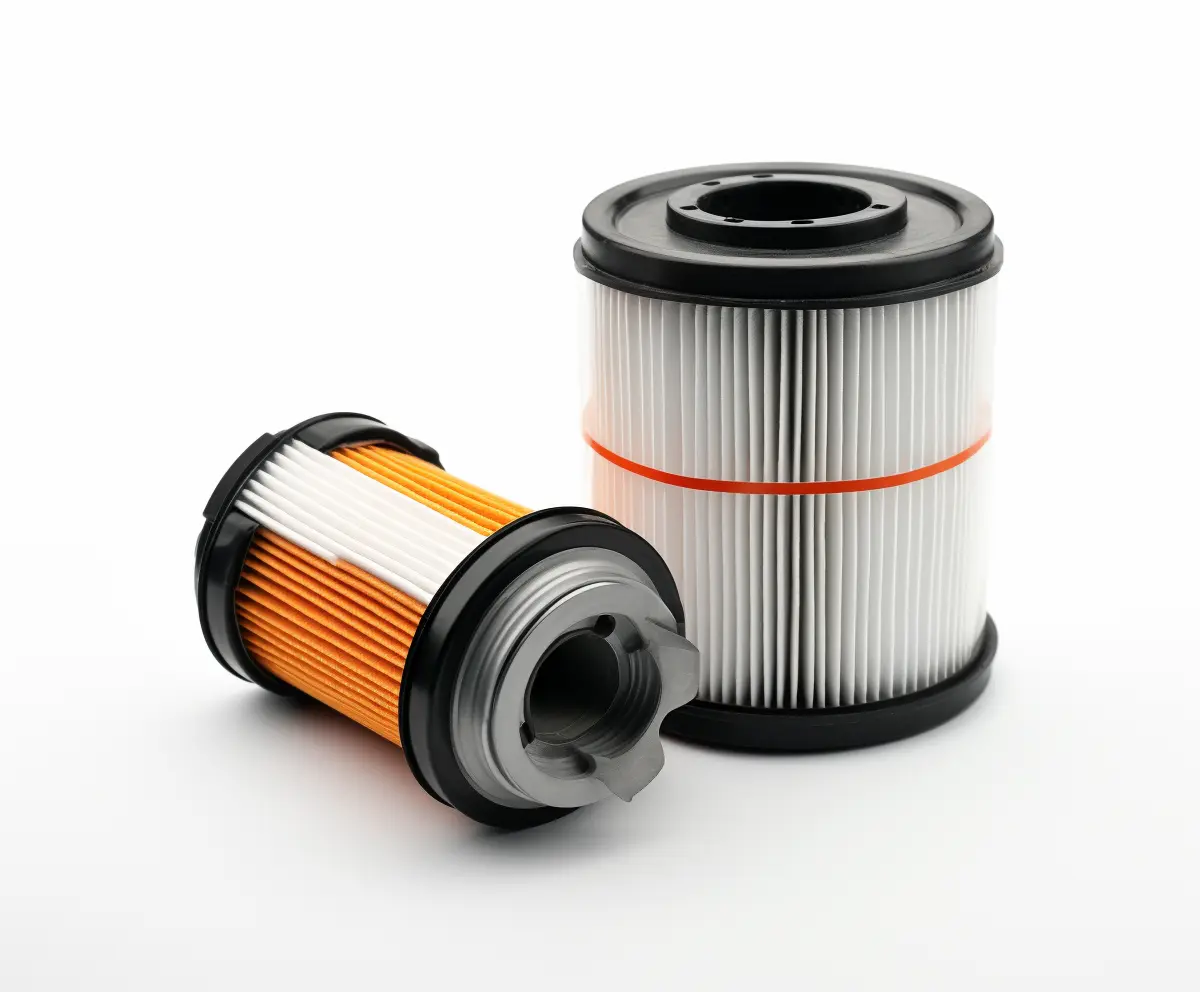
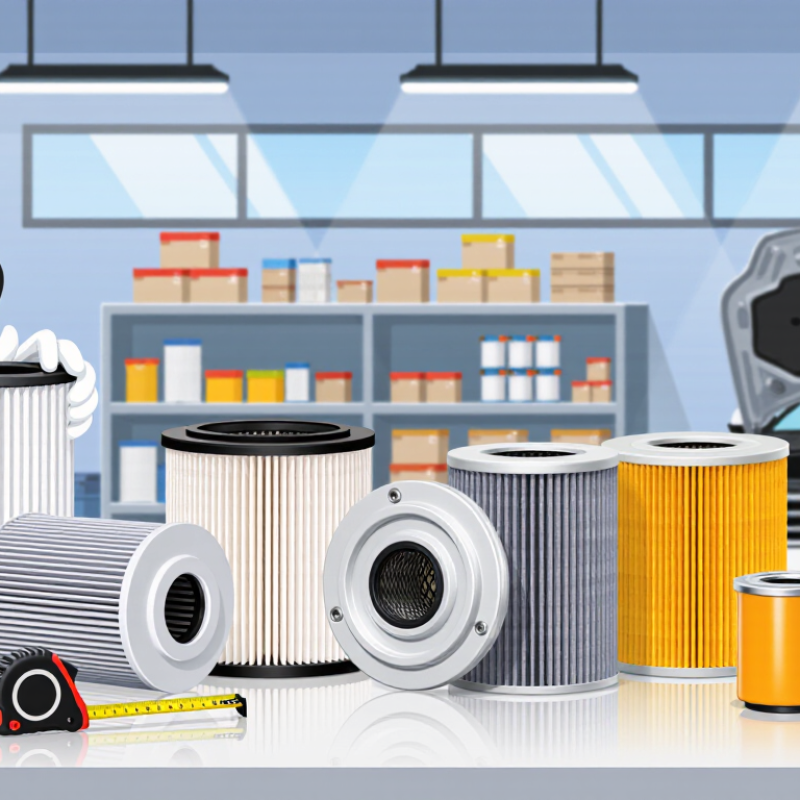
Request samples made for the same vehicle application and compare them side by side. Check dimensions, gasket fit, pleat spacing, and media consistency. A caliper and a careful visual inspection can reveal differences that a product sheet may not show. Ask how the supplier checks batch consistency, and request inspection records when available. One sample is useful, but it cannot prove every production run will match.

Compare like-for-like quotations. Confirm minimum order quantity, packaging, lead time, shipping terms, and any tooling charges before judging the unit price. A low quote can look convincing on a spreadsheet, then become less attractive when key costs appear later. Get the quotation and specifications in writing. Small details matter.

Communication is part of quality control. Send a clear drawing or reference dimensions and note how quickly the supplier responds to questions. Are answers specific, or do they simply repeat the sales pitch? Ask who handles complaints, what evidence is needed, and how replacement parts or credits are assessed. Get the process in writing. After-sales support is easier to evaluate before an order than during a production delay. No checklist catches everything; I would still verify a first shipment carefully, even after a smooth sample review.