Inquiry
Form loading...

7 AC Filter Buying Tips for Global Buyers?

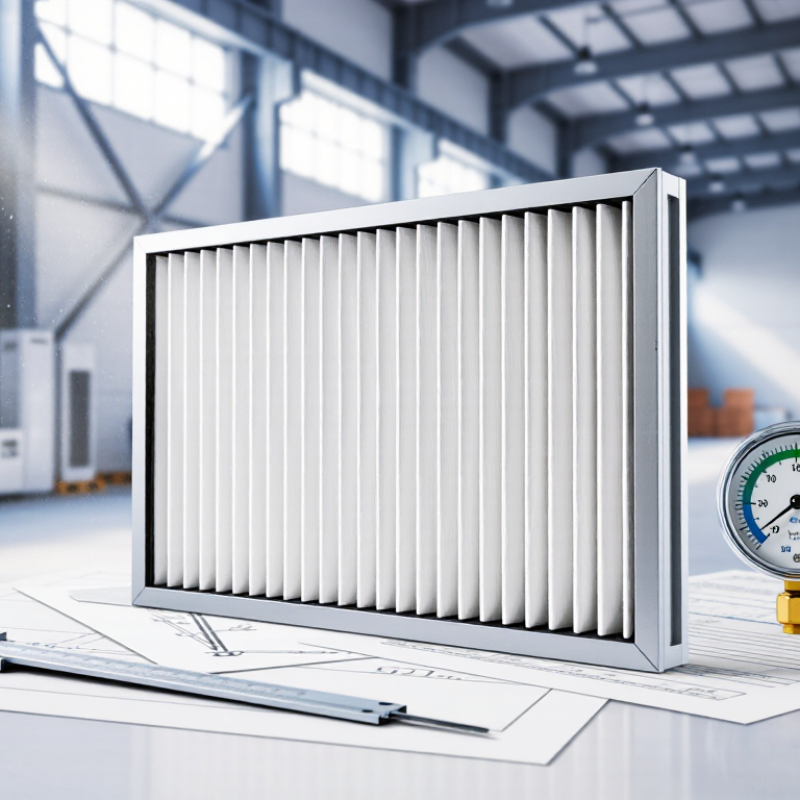
Buying an Ac Filter for a global project is not a simple size-and-price decision. A unit that fits the frame may still restrict airflow, capture too little dust, or need replacement sooner than expected. Small details matter: the filter’s dimensions, pressure drop, efficiency rating, and the conditions of the destination site. Dusty climates and long shipping routes can change the practical choice.

MarketsandMarkets estimated that the broader global air filter market would grow from USD 14.3 billion in 2023 to USD 19.4 billion by 2028. That category includes more than air-conditioning filters, so it should not be treated as an Ac Filter market forecast. Still, the scale signals why buyers face a crowded supplier landscape. Harvard public-health expert Joseph Allen has said, “The air we breathe is the most important environmental exposure we face.” His point makes performance worth careful scrutiny, not just a line on a quotation.

This guide presents seven buying tips for comparing products and suppliers across markets. It covers specifications, testing documentation, materials, airflow, maintenance, shipping, and total operating cost. Ask for evidence that matches the exact model, not a similar product. Check whether ratings use a recognized test method, and confirm replacement availability before placing a large order. A tidy datasheet can reassure. It can also leave important questions unanswered. The best choice depends on the system, the room, and the people using it. There is no universal winner.
7 AC Filter Buying Tips for Global Buyers?

Understanding HVAC Needs and Operating Conditions

Before selecting an AC filter, match it to the building’s HVAC system and the air it must handle. Check the unit’s airflow, available filter space, fan capacity, and allowable pressure drop. A filter that fits the frame may still restrict airflow if it is too dense. Measure the slot; do not rely on an old label alone. Dusty workshops, busy kitchens, and pollen-heavy sites place different loads on filters. Humid conditions also deserve attention: inspect for moisture and replace filters that become damp or damaged. Small details matter.

Use test data to compare options. ASHRAE Standard 52.2 rates filters by particle-size ranges; a MERV 13 filter must meet minimum efficiencies of:

50% for 0.3–1 μm particles
85% for 1–3 μm
90% for 3–10 μm

These figures describe laboratory performance, not a guarantee for every installation. Confirm the manufacturer’s pressure-drop data at your system’s actual airflow, then check the equipment documentation or ask a qualified HVAC technician about compatibility. I have seen buyers focus on the rating and overlook operating conditions. That is an easy mistake. Recheck airflow after installation, especially where dust levels or filter-change intervals vary by season.
Comparing Filter Types, Ratings, and Material Specifications

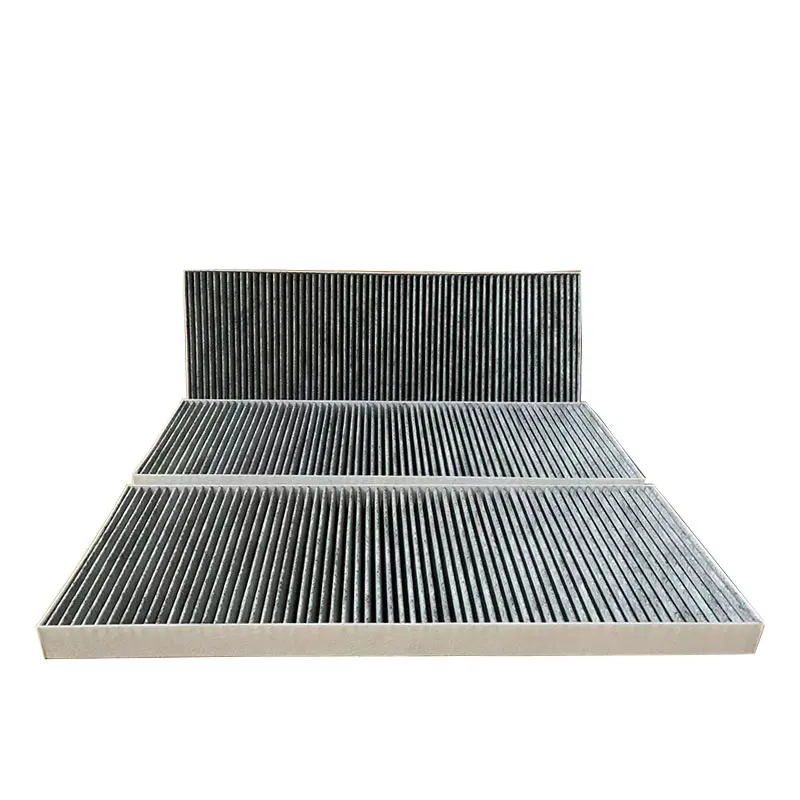
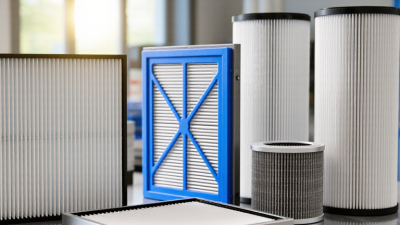
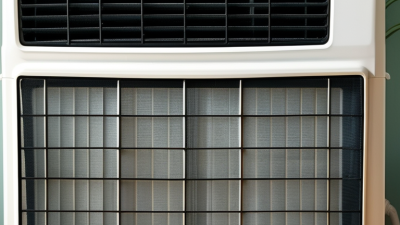
AC filter selection starts with the filter type, but the rating alone does not tell the whole story. Fiberglass panels are usually economical and capture larger particles, while pleated filters provide more surface area for finer particle capture. Electrostatic media can attract particles, though performance depends on design and maintenance. Consider what the building needs: a dusty workshop, a hotel room, and a small home have different priorities.

Compare ratings using their test methods. MERV ratings follow ASHRAE’s test standard, while ISO 16890 reports particle-removal performance in different size ranges. These systems are not direct equivalents. Ask suppliers for the test standard, efficiency data, and initial pressure drop. A high rating can sound impressive. Yet a restrictive filter may reduce airflow if the HVAC system was not designed for it. Check the equipment manual before ordering.

Material specifications deserve equal attention. Confirm whether the media is synthetic or glass fiber, and review frame material, seal design, and moisture tolerance. A warped frame or loose gasket can let air bypass the media. For international shipments, verify exact dimensions in millimeters and inches; nominal sizes may differ from actual sizes. I would also request samples when possible. A specification sheet can miss practical details, and that uncertainty is worth acknowledging. Filter life varies with dust load, airflow, and operating hours, so replacement intervals should be checked in real conditions.

AC Filter Ratings: Minimum Particle-Removal Efficiency

A comparison of minimum efficiency thresholds for selected MERV ratings across three particle-size ranges.

Values show the minimum threshold (%) for each particle-size range under ASHRAE Standard 52.2; actual filter performance may be higher. When selecting a filter, also check its dimensions, airflow resistance, and media material for compatibility with the HVAC system.

Checking International Standards and Product Certifications

For global AC filter purchases, verify the test method behind every performance claim. ASHRAE Standard 52.2 tests three particle-size bands: 0.3–1, 1–3, and 3–10 μm. Its MERV rating reflects measured performance, not a generic “high-efficiency” label. ISO 16890 reports ePM1, ePM2.5, or ePM10 efficiency; its classification includes a 50% efficiency threshold for the relevant particle fraction. These ratings are not interchangeable. Ask suppliers to state the standard, edition, rating, and test conditions on the report.

Check that the report covers the exact filter model, media, and dimensions you plan to buy. Confirm the testing laboratory’s accreditation and whether the certificate is current and independently verifiable. For electrostatic media, ASHRAE 52.2’s optional Appendix J conditioning can help show how efficiency changes after charge effects are reduced. Useful detail. Compare pressure drop alongside particle efficiency, since a restrictive filter may burden a system not designed for it. A certificate can look convincing and still cover a different size. Check the fine print, and request clarification where scope or terminology is unclear.

Evaluating Suppliers, Samples, and Quality Control

7 AC Filter Buying Tips for Global Buyers?

Evaluating Suppliers, Samples, and Quality Control

An AC filter can look convincing in a catalog, yet small details often determine whether it fits a real system. Ask suppliers for drawings, media specifications, frame dimensions, and stated test methods. Check how they identify production lots and record changes to materials or processes. Clear answers matter. If a supplier cannot explain a specification, treat that as a point to investigate, not a reason to guess.

Request samples that represent normal production, not only specially prepared pieces. Compare dimensions with your housing, then check fit, sealing, and pressure drop using suitable equipment. A polished sample can still hide process variation. Record measurements and photograph any gaps or damaged edges. Samples are clues.

Agree on acceptance criteria before placing an order. These might cover dimensions, filtration performance, and packaging condition, with test methods and inspection frequency documented in writing. Ask how defects are logged and corrective actions verified. No inspection plan catches everything; incoming checks can miss problems, so review quality records and discuss how recurring complaints are handled. Small details count.

Calculating Total Costs, Shipping, and Replacement Needs

For global buyers, compare landed cost, not unit price. Include the filter, export packing, freight, insurance, customs charges, brokerage, and local delivery. Request quotes for the same quantity and Incoterm; a low quote may exclude port handling. Air freight can suit urgent orders, while sea freight may lower per-unit shipping costs for planned volumes. It also adds transit time and inventory costs. Ask for carton dimensions, gross weight, and pallet details, then confirm classification with your customs broker. Do not assume.

Replacement planning affects annual spend. The U.S. EPA’s Guide to Air Cleaners describes MERV ratings from 1 to 16; higher-efficiency filters can add airflow resistance, so check fan capacity and pressure-drop data before upgrading. The International Energy Agency’s Tracking Clean Energy Progress 2023 reports that buildings used about 30% of global final energy in 2022. Avoid choosing a filter that needlessly impedes airflow. U.S. Department of Energy guidance recommends checking home filters monthly and replacing them at least every three months; real intervals depend on dust, runtime, and filter design. Use the manufacturer’s terminal pressure-drop limit and site readings to estimate yearly replacements. Add filters, shipping, and disposal to a 12-month budget. It is only an estimate. Plan for delays. Keep a spare set near the unit; missed deliveries can mean rushed, costly orders.