Why Does an AC Filter Need Regular Replacement?
An Ac Filter may look like a small part of an HVAC system, but its condition can affect airflow, comfort, and indoor particle levels. The U.S. Environmental Protection Agency’s guide, The Inside Story: A Guide to Indoor Air Quality, reports that some indoor pollutant levels can be two to five times higher than outdoor levels. Filtration is only one part of indoor air quality, but a clogged filter can make the system work harder. Dust on the filter’s surface is a visible warning. Reduced airflow is another.
There is no single replacement schedule for every home. The U.S. Department of Energy’s Energy Saver guidance recommends checking filters monthly during periods of heavy use and replacing them when dirty; it also gives three months as a minimum interval for many systems. Actual needs vary with filter type, pets, construction dust, and daily run time. A home with a shedding dog may need attention sooner. That detail matters.
ASHRAE Standard 52.2 provides a recognized method for testing a filter’s particle-removal performance, but a rating does not tell homeowners exactly when to replace it. Inspection still counts. A filter can look acceptable and yet restrict airflow, while a lightly loaded filter may continue working well. I would not treat a calendar reminder as proof that replacement is needed—or that it can wait. Check the manufacturer’s instructions, inspect the filter, and note changes in airflow. It is a simple habit, though easy to neglect.
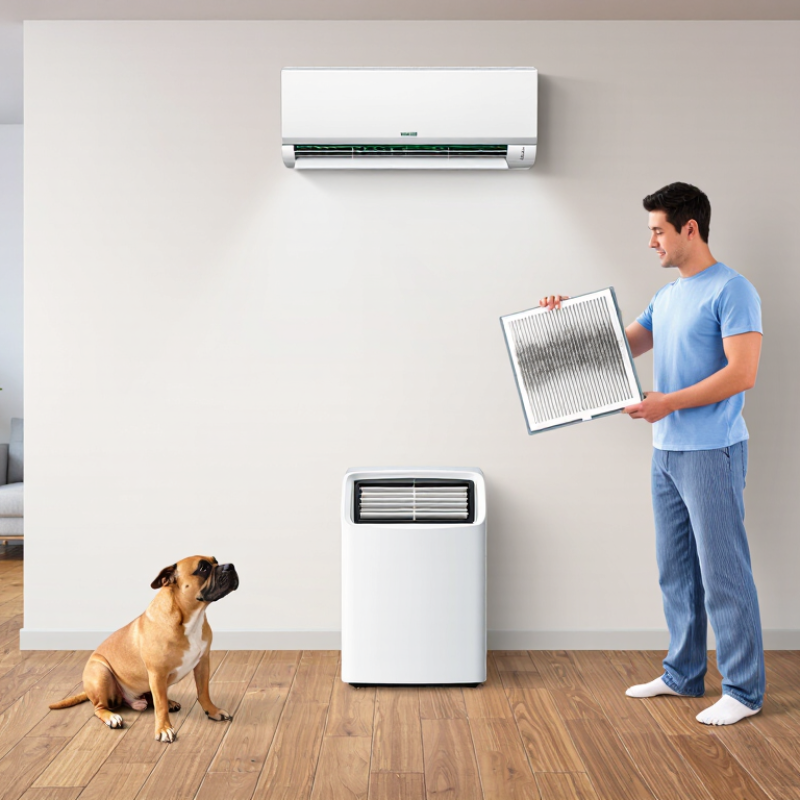
What an Air Conditioner Filter Does
An air conditioner filter catches airborne particles before they move through the system. Depending on its design, it can collect household dust, lint, and some pollen. You may notice the evidence as a gray layer on the filter or dust around a return-air grille. The filter also helps keep debris from settling on indoor components, such as the evaporator coil. That matters. A dirty coil can interfere with heat transfer, while a clogged filter can restrict airflow and make the system work harder.
The filter is not a complete air-cleaning solution. It does not remove every tiny particle, and its performance depends on the filter type, fit, and system design. A filter that is too restrictive may also reduce airflow if the equipment is not designed for it. Check the system manual for the recommended size and rating, then inspect the filter regularly; dust levels, pets, and home renovation can change how quickly it loads. It is easy to forget this small part, especially when the unit seems to run normally. That assumption deserves a second look. A quick inspection can reveal a filter that looks clean from one side but is visibly coated across the pleats. Replace it according to the manufacturer’s guidance, rather than relying on a fixed schedule that may not suit every home.
How Dust and Debris Accumulate in the Filter
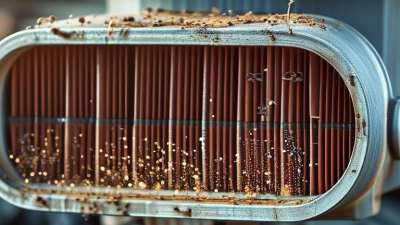
Dust does not arrive at an AC filter all at once. Air carries lint, pet hair, pollen, and tiny particles from carpets, clothing, and outdoor spaces. The filter catches some as air passes through its fibers. Larger debris may form a visible gray layer, while finer particles can lodge deeper inside. It is not always obvious from the surface.
ASHRAE Standard 52.2 evaluates air filters across three particle-size ranges: 0.3–1.0, 1.0–3.0, and 3.0–10.0 micrometers. That range matters because a filter’s appearance cannot show how well it captures smaller particles. As dust builds up, airflow can become restricted, especially when the system runs often or pets shed indoors. The U.S. Department of Energy advises checking filters monthly and replacing them at least every three months, with timing adjusted for use and conditions. A dusty home may need more frequent checks. There is no perfect calendar rule. I’d check the filter itself, but even that can be misleading when fine dust is hard to see.
What Happens When an AC Filter Becomes Clogged
When an AC filter becomes clogged, it blocks more than dust. It restricts the air moving through the system. You may notice weaker airflow from a nearby vent, while a room at the end of the hall stays warm. The system may also run longer to reach the thermostat setting, using more electricity. A small restriction can be easy to miss at first.
There can be bigger effects. Low airflow may cause the indoor coil to get too cold and, in some conditions, develop ice. If that happens, cooling can weaken further, and the system may need professional attention. Dust may also collect on internal parts when filtration or fit is poor. A filter cannot solve every air-quality problem, but a dirty one is not helping.
Listen and look. Is the AC running longer than usual? Does the filter look gray, dusty, or packed with lint? Check it monthly, especially during heavy use, and follow the filter maker’s replacement guidance. Homes with pets, construction dust, or frequent AC use may need more frequent checks. Filter sizes and system needs vary, so a thicker filter is not automatically a better choice. It is easy to forget this simple task. I do, sometimes.
How Regular Replacement Supports System Performance
An AC filter does more than catch dust. As it loads with lint, pollen, and pet hair, airflow can fall and the system may run longer to move conditioned air. Airflow matters. Weak flow can leave rooms unevenly cooled, while added strain may contribute to wear. The effect varies: filter size, system design, and household dust levels all count.
The U.S. Energy Information Administration’s 2020 Residential Energy Consumption Survey attributes about half of U.S. household site energy use to space heating and air conditioning. That makes routine maintenance worth attention, though a filter alone cannot guarantee lower bills. ENERGY STAR advises checking filters monthly and replacing them at least every three months. A calendar is imperfect. In a home with renovation dust or shedding pets, I would check sooner; a visibly loaded filter is a clearer signal than the date. Use the size and filter type specified for the system, since a denser filter may restrict airflow if the equipment is not designed for it. Even careful owners can miss this. Dust builds quietly.
Why Does an AC Filter Need Regular Replacement? - How Regular Replacement Supports System Performance
| Filter or Usage Factor |
Typical Check or Replacement Guidance |
Why It Matters for System Performance |
| 1-inch disposable filter |
Inspect monthly; many homes need replacement about every 1–3 months. |
A loaded filter can restrict airflow, making it harder for the system to circulate conditioned air. |
| Thicker pleated filter |
Follow the filter and equipment instructions; some models are designed to last several months. |
A larger filter surface may hold more dust, but the correct size and airflow rating are still important. |
| Pets or heavy indoor dust |
Check more frequently and replace when visibly dirty or sooner than the usual schedule. |
Pet hair and airborne particles can load a filter faster and reduce the airflow available to the system. |
| Frequent cooling or dusty conditions |
Inspect at least monthly during periods of frequent use; adjust the schedule to the filter’s condition. |
More operating time or airborne dust can cause faster buildup and make airflow problems more likely. |
| Visible dirt or reduced airflow |
Replace a disposable filter if it is clogged, damaged, or past its recommended service interval. |
Restoring a clean airflow path helps the system deliver air as intended and supports reliable operation. |
| Filter fit and airflow rating |
Use the correct dimensions and a rating compatible with the HVAC system; check the equipment instructions. |
A poorly fitted or overly restrictive filter may allow bypass or impede airflow, even when it is new. |
|
Note: Replacement intervals are general guidance, not a fixed rule. Follow the filter and HVAC equipment instructions, and check the filter regularly because household conditions vary.
|
How to Determine When an AC Filter Needs Replacement
Check the filter monthly, especially during heavy cooling or dusty weather. The U.S. Department of Energy’s Energy Saver guidance recommends checking it monthly and replacing it at least every three months. That interval is a starting point, not a guarantee. A home with pets, renovation dust, or frequent system use may need more frequent changes.
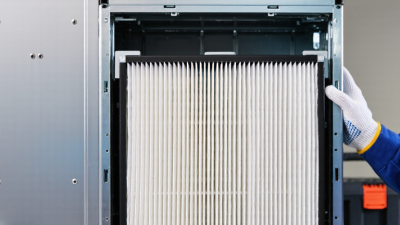
Look for a gray, dust-coated surface and compare it with a new filter of the same type. Reduced airflow from a vent or rooms cooling unevenly can also prompt an inspection, though other system problems may cause those symptoms. A filter that looks dirty should be changed; don’t wait for airflow to become noticeably weak.
The DOE reports that replacing a dirty, clogged filter with a clean one can reduce an air conditioner’s energy consumption by 5% to 15%.
Small detail, meaningful difference. Check the size printed on the frame, and follow the airflow arrow when installing its replacement. A calendar reminder helps, but calendars are blunt instruments. Your home’s dust load matters.

 Products
 FUEL FILTER
 OIL ELEMENT FILTER
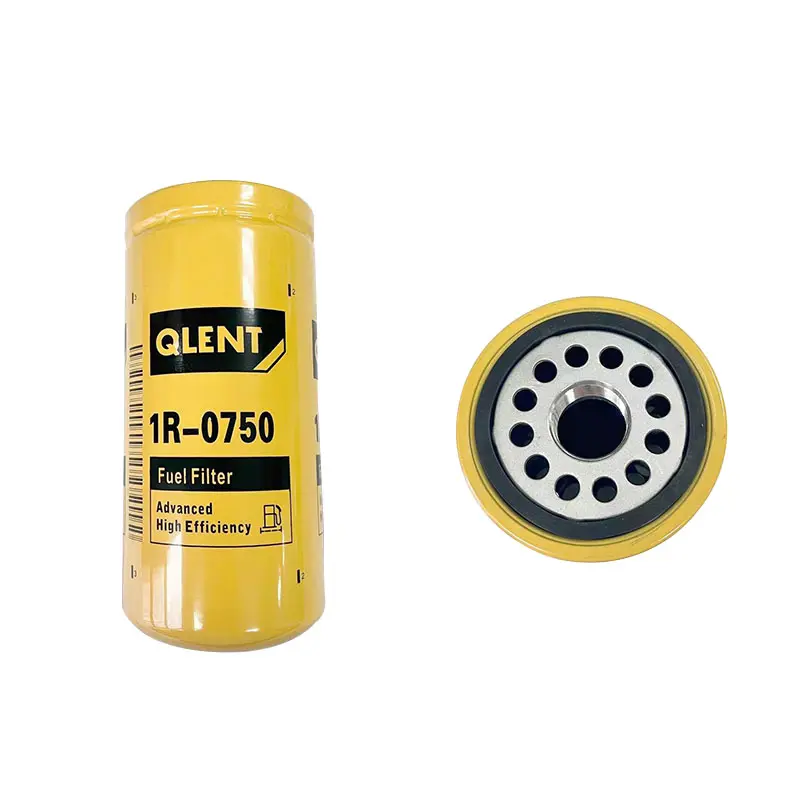 OIL FILTER
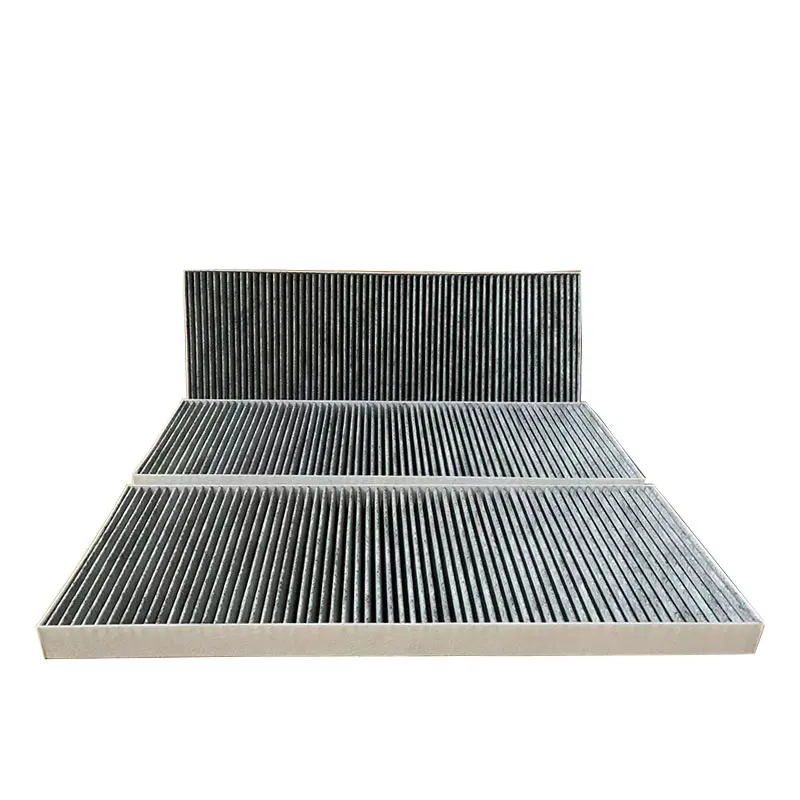 CABIN FILTER
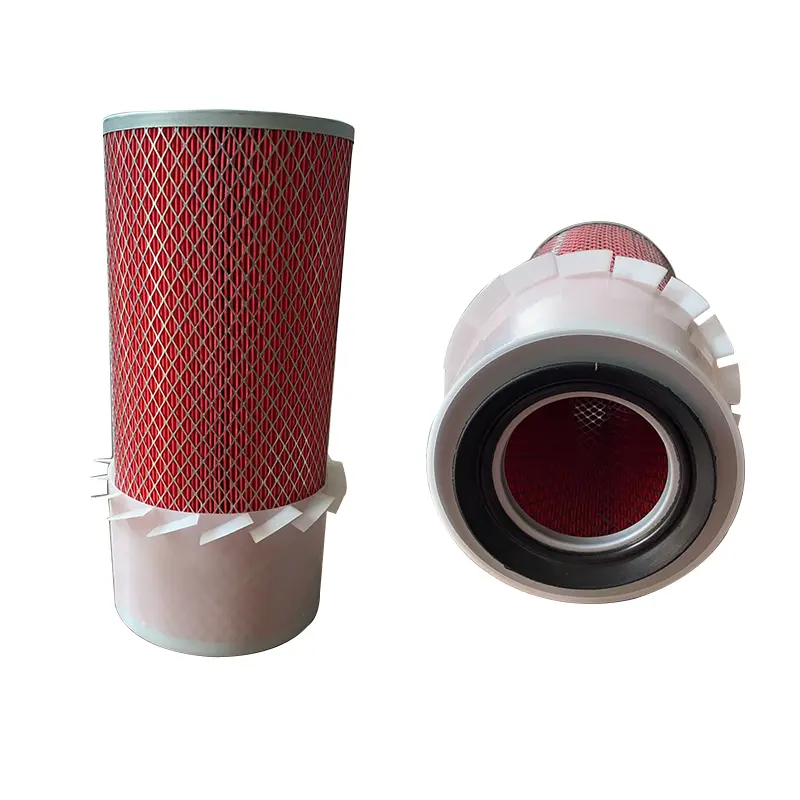 AIR FILTER